
From the house layout to vacation plans, these are the quiet ways pets steer decisions long before anyone admits it.
Your furniture layout is a pet traffic map
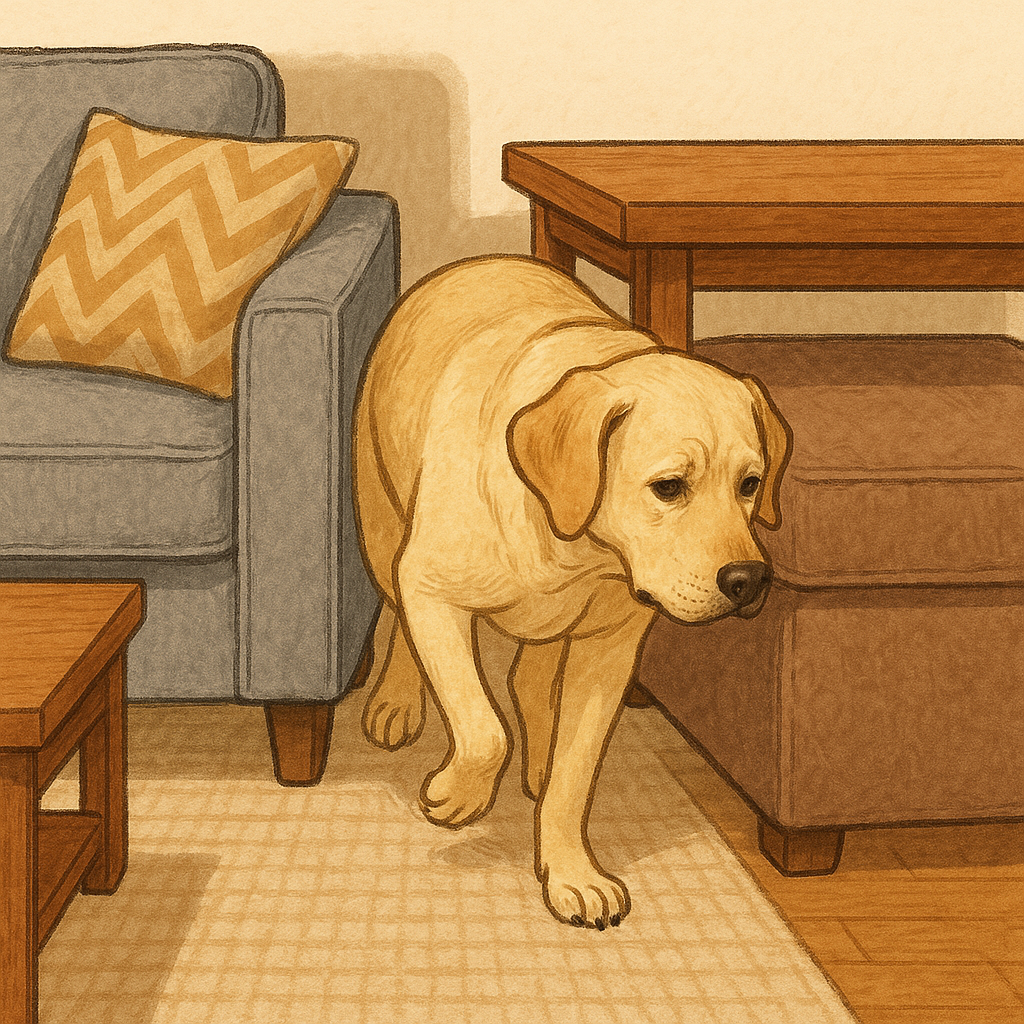
I can tell you when our dog decided the living room was going to be rearranged, and it wasn't when we got the new rug. It was the first night he tried to trot from the kitchen to his water bowl and realized the coffee table created a choke point. He didn't bark. He didn't sulk. He just started doing this tight little side-step between the ottoman and the couch, nails clicking, shoulders brushing upholstery, until it looked irritating enough that a human finally said, "Maybe we should move that." And just like that, the furniture was no longer about sight lines or throw-pillow aesthetics. It was about a 60-pound animal's turning radius.
Pets vote on layout with their bodies. Cats do it by refusing your "cozy" chair because it faces the wrong window, then choosing the one that lets them monitor the hallway and the front door. Dogs do it by pacing the same line a hundred times a day until the carpet shows it. You start making decisions that sound like they're for you, but they're not: you pick a washable slipcover because the spot by the slider is where the dog dries off; you choose a bench instead of spindly stools because the cat uses the counter-to-stool hop like a stair step; you swap a delicate side table for something with a heavier base because the tail keeps clearing it like a Roomba with opinions.
The funniest part is how quickly the whole family gets drafted into the pet's zoning board. Someone wants a new plant? Suddenly, you're googling "pet-safe" and arguing over whether a snake plant is worth the risk. Someone wants a floor lamp? Now the question is whether it can survive a Labrador-shaped U-turn. Eventually, your home ends up with invisible lanes: a clear run to the door, a wide arc around the dog bed, a cat launchpad near the window. You didn't set out to do interior design by animal referendum. But here you are, moving the coffee table two inches because it feels better now.
They pick the family schedule by deciding who sleeps
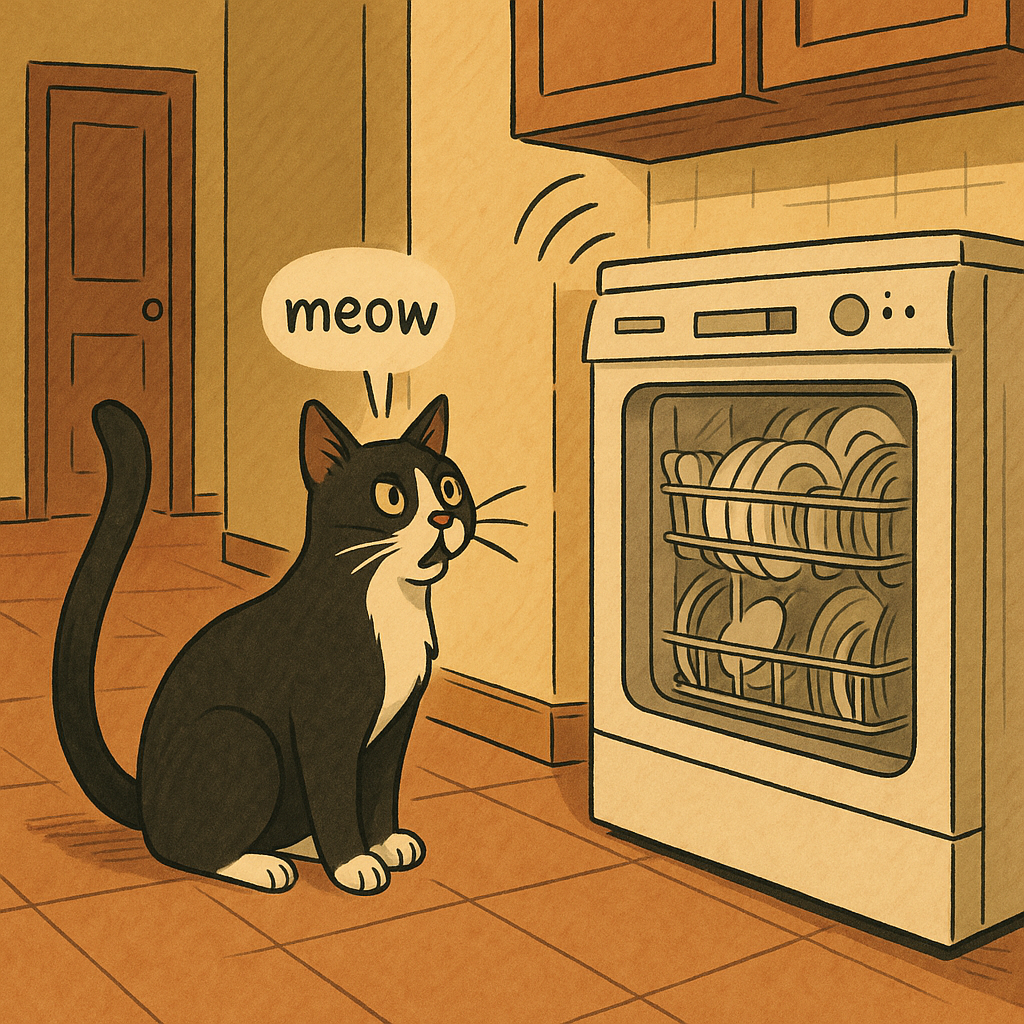
No one in my house agreed in writing to become a lights-out-by-10:30 family. Then our cat got obsessed with the sound the dishwasher makes when it drains. I'm not being poetic. There's a specific gurgle at the end of the cycle that makes him appear like an auditor. If we run it too late, he's in the hallway, tail up, doing the little meow that means, "Why are we awake and why is there water happening?" As a result, we now run the dishwasher right after dinner. Which means we clean up sooner. Which means we're not drifting into a second round of snacks and scrolling. Which means everyone's in bed earlier. The cat didn't ask. He changed the policy.
Dogs do this differently: they decide when the day starts because they decide when the first person wakes up. It's rarely dramatic. It's the jingle of the collar when they shake. It's the heavy sigh at the foot of the bed. It's the quiet pawing at the comforter that somehow feels louder than a smoke alarm because you know the next step is an accident risk you do not want to mop at 6:07 a.m. So you get up, you take them out, and now you're standing under the stove light like a raccoon making coffee. By the time everyone else wakes up, there's already momentum. School lunches get made because you're already moving. Gym plans happen because the dog needs a walk anyway. The pet didn't improve your habits. The pet applied pressure.
And it's not only morning. Pets steer evening decisions in tiny, annoying ways that add up. Do we go to that late movie? "We can't, the dog hasn't had his second walk." Do we accept the impromptu invite? "We should head back, the cat's dinner is at 7." You can pretend it's about responsibility, but half the time it's about avoiding the fallout. A cat that thinks you're late may suddenly decide the nearest shelf deserves much closer inspection. A dog that missed routine might pace, whine, or refuse to settle. So the family calendar gets quietly built around not provoking the furry roommate.
Before anyone agrees to a plan, someone is already calculating walks, meals, and pet duty. The vote happens without a sound, and somehow the pet always wins.
Vacations and weekend plans pass the pet test first
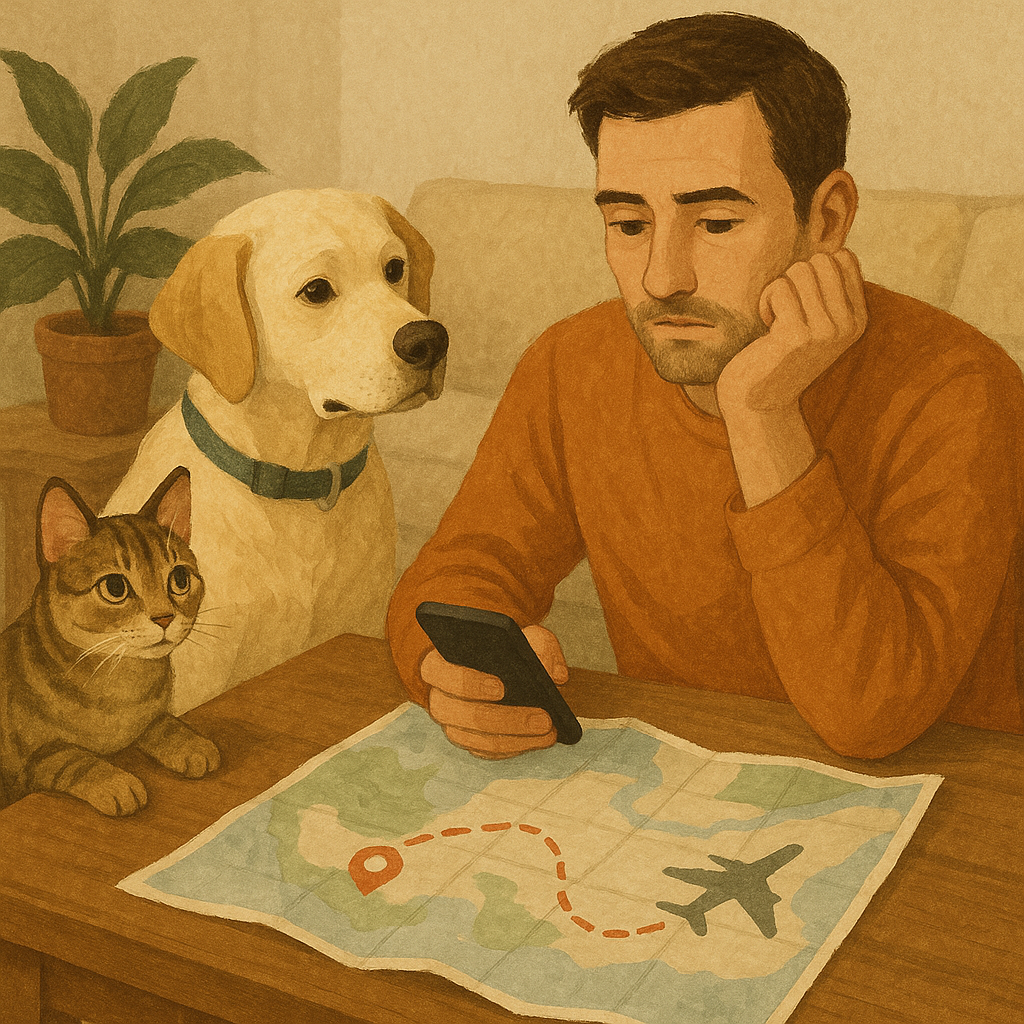
Our last quick weekend trip took longer to plan than the flights, because it had to survive what I call the pet test. Not the fun part where you search pet-friendly patios and imagine your dog in sunglasses. I'm talking about the behind-the-scenes logistics that decide whether the trip happens at all: who can reliably handle a dog who eats too fast unless you use a slow feeder; whether your cat will hide for an hour when a new person enters and then emerge at 2 a.m. to scream; whether the neighbor who offered to help is actually comfortable clipping a harness correctly without twisting the straps.
Pets end up being the reason families choose drivable destinations over flights, or pick a rental with a mudroom over the charming downtown spot with three flights of stairs. It happens in family group chats all the time. Someone pitches a long day trip. Someone else says, "We'd be gone too long." Nobody says, ‘because of the dog,’ but everyone knows that is the real reason. The decision isn't purely financial or about PTO. It's about how many moving parts you're willing to stack on top of normal life, and your pet is the heaviest part.
Even when you board them, they still steer the plan. Boarding drop-off times can pin your departure hour. You book the early slot, so you leave at dawn and skip the nice breakfast place you wanted. You choose a shorter trip because you know your cat gets stressed when you're away for more than a few nights. You pass on the spontaneous extra day because you can't get another sitter visit without feeling like you're asking for a favor plus a miracle. And if you've ever had a pet come home hoarse from barking or slightly off from a routine change, you start building in a re-entry day. Laundry, groceries, and a quiet night because your dog needs to decompress. Just like that, the itinerary has a four-legged editor.
The biggest giveaway is how easily every outing gets reshaped around them. You stop choosing the long, complicated outings and start choosing the ones that fit into a reliable care window. A two-hour hike becomes a one-hour loop and a stop at the hardware store because it's close to home, and the dog can ride along. A far-away beach day becomes the local park because you can be back in time for dinner and meds. It's not sad. It's just true. The pet isn't in the family meeting, but somehow every plan gets run past them anyway.