4 Animals You Didn’t Know Were Secretly Bullies
You probably do not think of animals as bullies, but the behavior shows up more often than you might expect. Scientists have documented animals intimidating, pressuring, and even punishing one another to control food, space, or social rank. Some of the biggest offenders look playful, clever, or harmless on the surface. Instead of brute force, they rely on memory, timing, and subtle physical signals to get their way. When you look closer, these interactions feel less random and more calculated, shaped by survival, efficiency, and dominance rather than chaos.
Octopuses
Octopuses do not hunt alone as often as people think. In the Red Sea, day octopuses frequently hunt alongside predatory fish such as goatfish and groupers. Video analysis published in 2024 showed octopuses striking fish with their arms during these group hunts. The hits appear targeted, and they happen more often when certain fish lag or interfere with the hunt’s momentum.
Researchers observed that ambush-focused fish, especially blacktip groupers, received the most strikes. These fish slow down moving hunts by waiting instead of searching. When that happens, the octopus intervenes physically. The behavior lines up with a simple incentive. The cooperative movement allows prey to be flushed faster and covers more ground.
Parrots
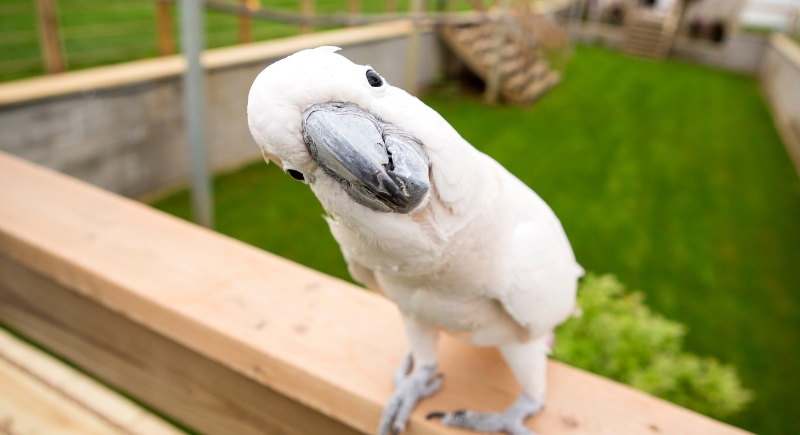
Image via Getty Images/victoriarak
Parrots earn a reputation as loud, dramatic companions, but their behavior follows a strict internal rulebook. Aggressive displays, such as crouching, flared tail feathers, a rigid posture, and dilated pupils, serve as warnings. When ignored, parrots escalate, and biting usually comes last.
The pet behavior guide document reveals another pattern that feels uncomfortably familiar. Parrots guard territory, resources, and favored humans. They lunge toward rivals, chase cage mates away, and block access to what they consider theirs. Boundary-crossing behaviors, including climbing onto hands or shoulders, also appear in these interactions. These actions push others into retreat and reinforce control. Parrots communicate constantly through posture and movement. When their signals fail, they apply pressure, and in group settings, that pressure maintains hierarchy.
Squirrels
Squirrels look harmless, but their survival depends on competitive tactics. They chase rivals away aggressively, raid nearby nests, and steal food caches with precision. Urban squirrels show little hesitation in approaching larger animals, including humans, when food enters the equation. Ecological data show squirrels rely heavily on hoarding.
Acorns, nuts, and seeds get buried across large areas. When resources tighten, squirrels locate and steal each other’s stores. This theft triggers retaliation and territory defense, especially during breeding seasons. In areas like the United Kingdom, gray squirrels also outcompeted red squirrels after their introduction in the 1800s. The spread of squirrel pox, carried by grays, devastated red populations. The result was not malicious, but the effect was one of dominance through pressure and displacement.
Crows
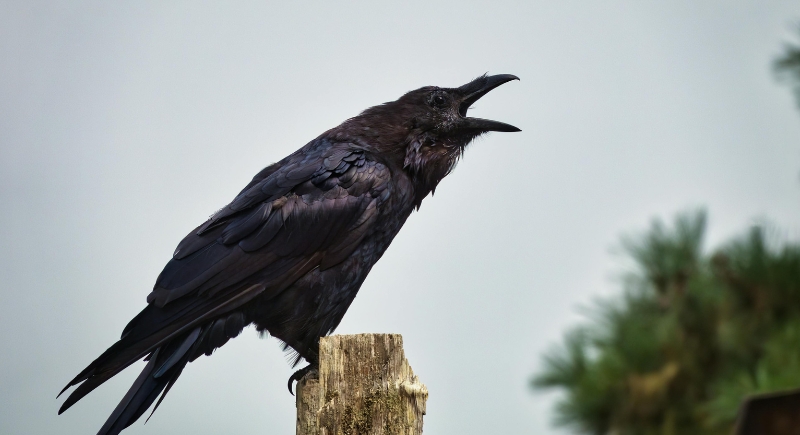
Image via Pexels/ Jos van Ouwerkerk
Crows mastered intimidation. Groups mob larger birds such as hawks and owls, dive-bombing and screaming until the threat leaves. The behavior peaks during breeding months but happens year-round. Researchers studying corvid cognition found that crows recognize individual human faces and remember past conflicts. They also recruit others to join harassment campaigns. Mobbing works because it raises the cost of staying put.
Crows also steal food aggressively. They pull tails, distract predators, and force animals to abandon meals. Observations show this behavior impacts wolf pack size by increasing food loss. Intelligence amplifies the effect. Crows plan, coordinate, and repeat what works.
These animals do not bully out of spite. They apply pressure because it delivers results. Food moves faster, rivals retreat, cooperation improves, and survival odds rise.