55,000 Tennis Balls Were Recycled Into Houses for the Cutest Animals
Every summer, the world’s attention turns to Wimbledon, where pristine grass courts are made ready for the elite players to define the sport at its highest level. However, less visible is what happens off the court once the matches are over.
Roughly 55,000 tennis balls are used during the tournament each year, and after just a handful of games, they’re no longer considered suitable for professional play. Instead of heading straight for the trash, many of those fuzzy yellow balls are reused for entirely different purposes.
Through a long-running partnership between the All England Lawn Tennis Club and the Wildlife Trusts, used balls are donated and repurposed as shelters for one of Britain’s smallest and most vulnerable mammals. The result is a conservation solution that’s as simple as it is charming.
Tennis Balls Work So Well for Harvest Mice
The animals benefiting from this unusual recycling effort are harvest mice, the smallest rodents in the UK. Adults measure only about 5 to 7 centimeters long and weigh just 4 to 6 grams. In the wild, they build intricate, spherical nests woven from grass, suspended high in tall vegetation.
Modern farming practices and habitat loss have made these natural nesting sites increasingly rare, prompting harvest mice to be added to national conservation priority lists.
Tennis balls turn out to be almost perfectly suited to replace those lost homes. Conservation teams cut a small entrance hole into each ball and mount it on poles roughly 75 centimeters to 1.5 meters above the ground.
Once in place, the ball closely mimics the shape and protection of a natural nest, while the elevation helps keep mice safe from predators like foxes, weasels, and birds of prey. A single modified ball can shelter a nesting female and, in some cases, up to ten young mice.
From Sports Waste to Wildlife Protection
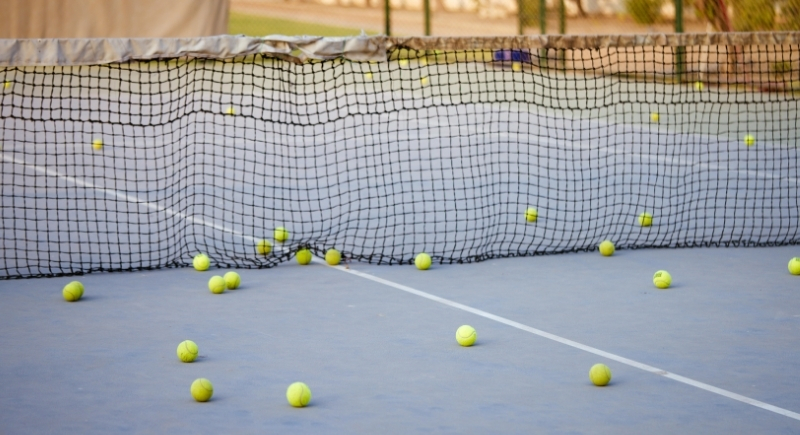
Image via Pexels/Tahamie Farooqui
This initiative isn’t a recent viral trend. It has been running since the early 2000s and has scaled in tandem with the tournament itself.
Each year, thousands of balls that would otherwise be discarded are redirected into conservation programs across England and Wales, particularly in grassland and farmland areas where harvest mice once thrived.
For conservationists, it provides a steady supply of durable, weather-resistant shelters. For Wimbledon it offers a tangible way to reduce waste while supporting biodiversity without changing the core structure of the tournament.
A Small Idea With Outsized Impact
The tennis ball shelters are only one part of Wimbledon’s broader environmental efforts, which also include measures like reducing single-use plastics and incorporating plant-filled “living walls” to support pollinators. It’s a reminder that sustainability doesn’t always require grand reinvention.