A Beginner’s Guide to Backyard Birdwatching: How to Start With What’s Already Outside Your Window
The United States Fish and Wildlife Service estimates that close to 100 million people in the country watch birds in some form, often starting in the simplest way. You can start with your own backyard, where the same few birds show up day after day. Focusing on that small group makes it easier to get comfortable before trying to identify everything at once.
Pay attention to the regulars, like pigeons, sparrows, doves, or crows. Once you recognize them, anything new stands out without much effort. That shift makes the process easier to follow and keeps it interesting without feeling like a constant guessing game.
Time It Right for Instant Results
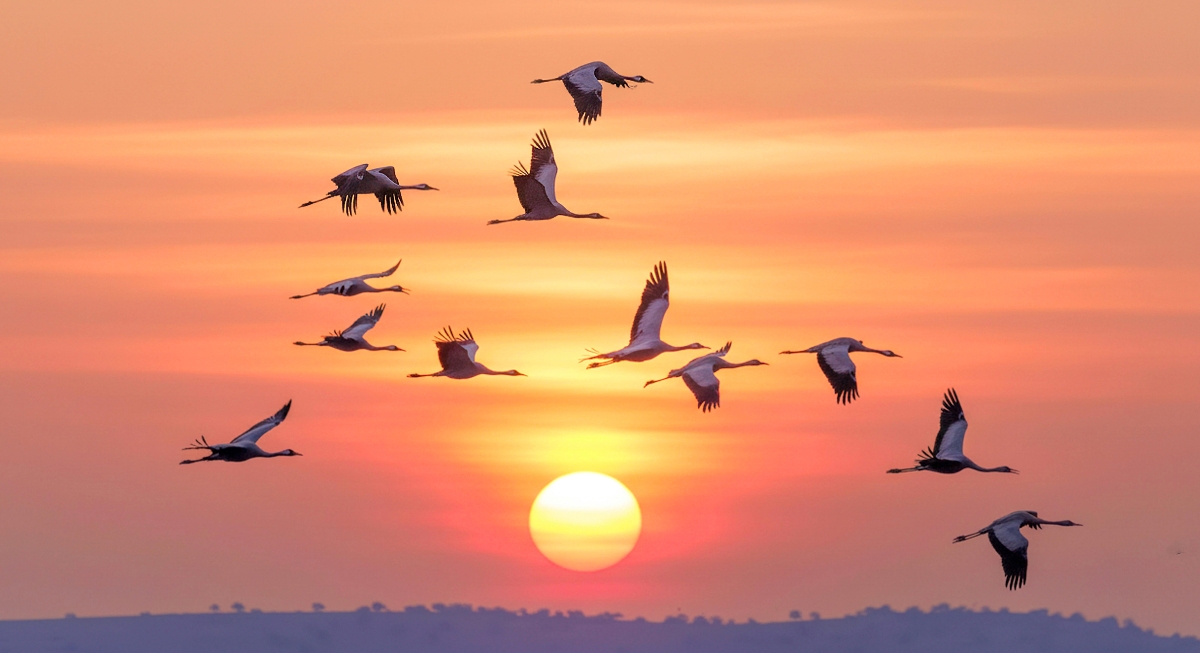
Image via Pexels/dalia nava
Bird activity follows a clear daily pattern. Most species are active around sunrise and again before sunset. Many feeder observations show movement picking up about 30 minutes before sunrise, then building again in the hours leading into dusk. Midday usually slows down as birds rest and stay less active after feeding.
A small shift in timing can make a big difference. Watching during those early or late hours often turns a slow window into a much busier one without changing anything else.
Keep the Setup Simple
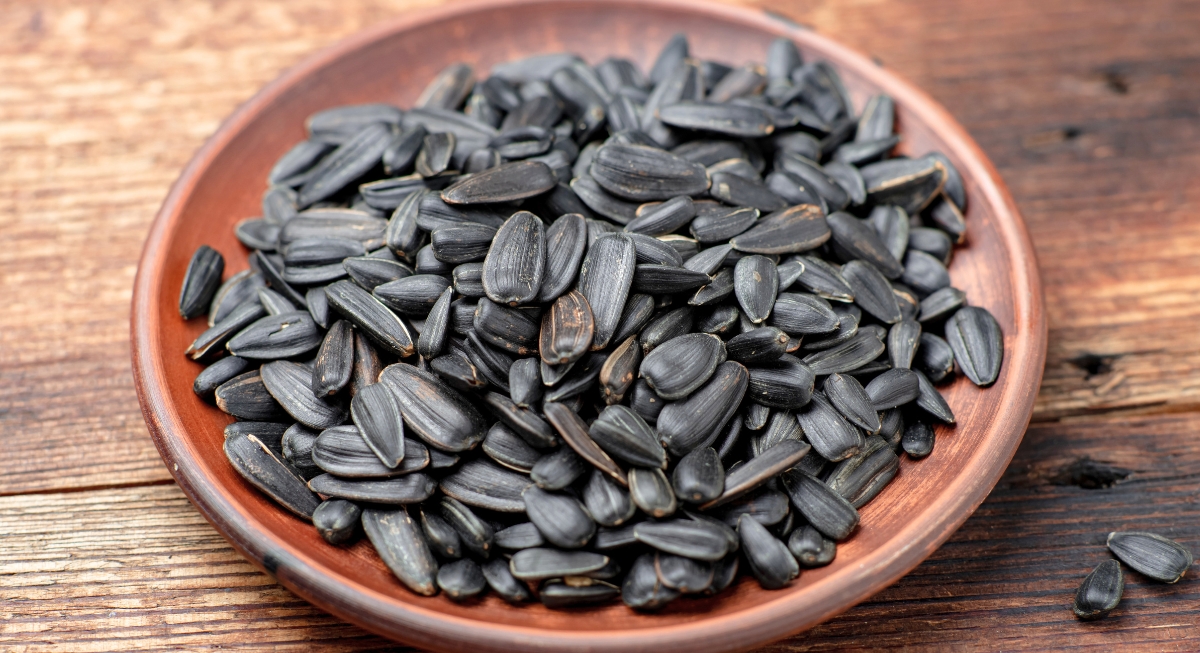
Image via Canva/konstiantynzapylaie
You can get started with a small handful of black oil sunflower seeds placed near a window. This can attract birds within a day in many neighborhoods. Ground-feeding species like doves and sparrows respond quickly, especially when food sits close to shrubs or trees.
Adding a shallow dish of water can bring in species that ignore seeds entirely. Clean, shaded water sources often increase the variety of birds more than food alone. Changing the water every couple of days keeps it safe and appealing. Consistency is more important than complexity. Birds return to places that reliably offer food or water, even in busy suburban areas.
Add Tools Only When You Want More
Once curiosity kicks in, a few tools can make things easier. Free apps like Merlin Bird ID help identify birds through photos or sound, while eBird lets users track sightings and see what others report nearby. Binoculars can help, though beginners do fine without them.
Entry-level options typically range between $50 and $150, with 8×40 magnification offering a balanced view that stays easy to control.
Learn to Notice, Not Just Look
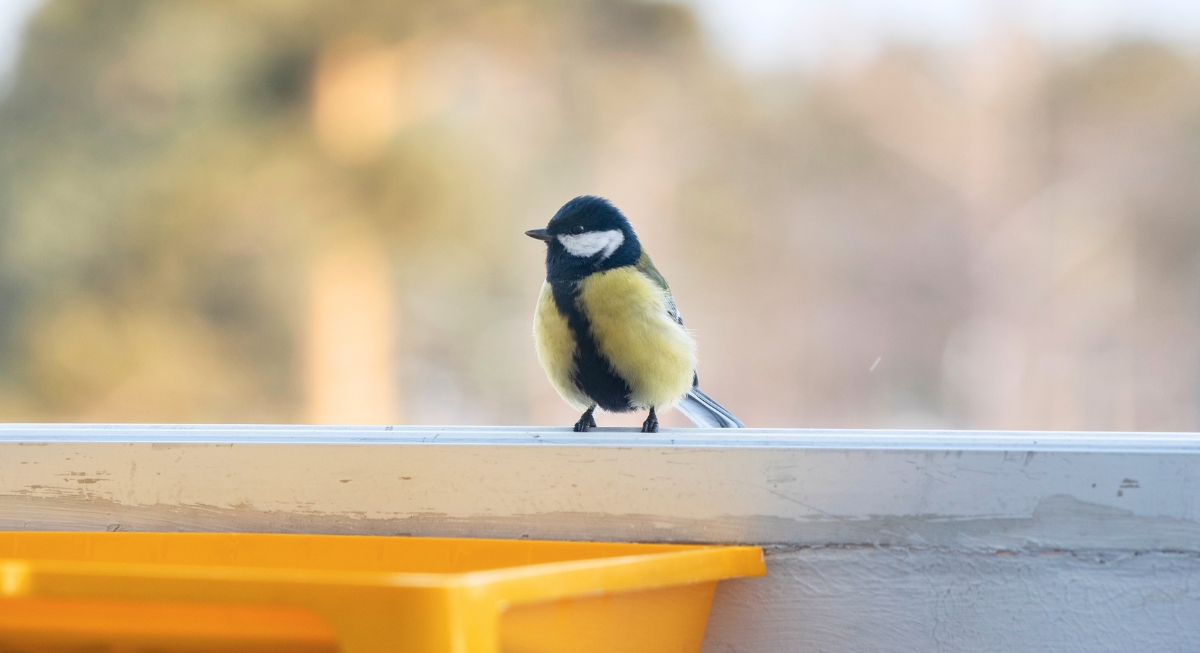
Image via iStockphoto/alekc79
Recognition improves when you focus on a few clear details instead of trying to take in everything at once. Start with size by comparing the bird to ones you already know. Then look at shape, especially the beak and tail, to narrow it down.
Movement and sound fill in the rest. Some birds hop, others walk, and some glide in wide, steady paths. Calls and songs also repeat in patterns. Over time, those patterns become familiar, making identification feel more natural.
Make It Part of Your Routine
Birdwatching becomes easier to stick with when it fits into your day. A kitchen window, a balcony, or the same walking route works better than planning a separate outing. When it’s already part of your routine, you’re more likely to keep coming back to it.
Short, regular check-ins tend to work best. Even ten minutes in the morning can be more active than a longer session at the wrong time. Watching the same spot at the same time helps patterns show up quickly, and that’s where things start to feel more familiar.
Track Small Wins

Image via Getty Images/kali9
Keeping a simple log turns casual watching into something more rewarding. A quick note in a phone or notebook with the date, time, and species is enough. Over time, those notes reveal patterns in behavior, migration, and timing. Apps like eBird also contribute to broader research, turning everyday observations into useful data for scientists studying bird populations.
Small tweaks can quickly improve the experience. Feeders placed either within 3 feet of a window or more than 10 feet away reduce collision risk. Regular cleaning every one to two weeks prevents disease from spreading among birds. Squirrels may show up, and they usually do. Positioning feeders on poles or using seed types like safflower helps keep things manageable without discouraging birds.