A Clever Cat in New Zealand Lived a Secret Double Life Between Two Homes
Free-roaming cats often come and go without much notice. In places where that’s normal, owners don’t always question a cat’s long absences, and veterinarians sometimes treat animals brought in by someone other than the registered owner. Most of the time, those visits are routine.
Occasionally, small details begin to add up. A patch of shaved fur, a note in a medical file, or a follow-up appointment already on record can suggest a cat is being cared for elsewhere. That’s what happened in Inglewood, New Zealand, when a veterinarian’s records revealed that one cat had been receiving treatment from two different households, without either owner realizing it.
A Cat Who Never Fully Disappeared
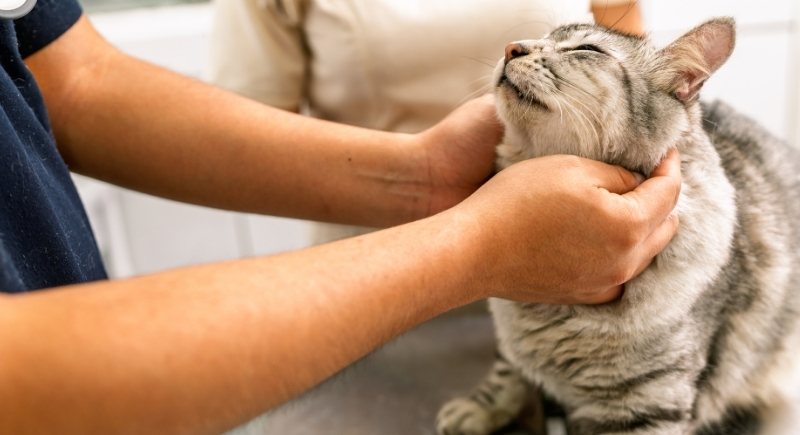
Image via Canva/Guillermo Spelucin
To one household, he was Simba, a cat owned by Shirley Bishop. He came and went as many outdoor cats do. At times, he stayed away longer than expected, then returned as if nothing had happened. The pattern felt mildly puzzling but not alarming. Outdoor cats often establish routines that remain largely unseen by the people who care for them.
That changed when Simba came home with stitches along his neck and a shaved patch on his shoulder. A visit to the veterinarian confirmed the treatment had already been done.
Privacy rules limited what the clinic could share. One detail still stood out. The address connected to his care was on a street far from his usual roaming area. This did not look like a one-time rescue or a случай encounter. It suggested familiarity. Someone else knew Simba well enough to take responsibility for his medical care.
Two Homes, Two Names
The second household had its own version of the same story. Around nine months before everything was discovered, a friendly cat had started showing up regularly. He was affectionate, vocal, and comfortable enough to make himself at home within just a few days. He ran laps through the house and curled up on the couch, as he belonged there. The owner, Mychaela Groombridge, named him Crazy Horse.
This home fed him, housed him, and eventually took him to the vet after he was bitten by a dog. To them, he was a neighborhood cat who had chosen their place. Nothing about the situation felt unusual, because cats often choose people. The overlap became clear through a social media search that connected both households. However, the bigger surprise followed when it became clear that the two women already knew each other through their work.
How the Double Life Worked
Image via Canva/Dali Images
The cat did not travel far. Both homes were in the same town, close enough to move between without effort. That distance made the arrangement easy to maintain. He stayed long enough in each place to seem settled, then left without raising concern.
Cats tend to build attachments around comfort and access rather than exclusive bonds. Reliable food, a safe place indoors, and calm human attention matter more than consistency with one household. This cat found all of that in two homes.
The situation also shows how much people rely on assumptions. Each household thought they understood his habits because his behavior matched what many expect from an outdoor cat. Nothing seemed unusual until veterinary records made it clear that something had been shared without anyone realizing it.
Sharing a Cat Without the Drama
Once the facts were clear, the response was easy. The two households agreed on shared custody, and the cat kept both names. A notebook tracked his weight, vaccination history, and general health, and communication replaced guesswork. The cat stayed safe, received consistent care, and continued routines he clearly preferred. The humans avoided conflict by focusing on logistics instead of ownership.