A Dog Waited for His Owner for a Decade and Changed History
Brazil is home to roughly 160 million pets. This huge number places it among the largest pet populations on Earth. Many households treat cats and dogs as core family members, and public grief over animal loss has long sparked cultural conversations.
In 2011, a mixed-breed dog attended his owner’s funeral in Taboão da Serra, a city near São Paulo. He returned to the grave almost every day for nearly a decade. People in the community began to notice him, and then local media did too. Over time, his presence sparked wider conversations in Brazil about loyalty, grief, and how society treats animals who lose their humans.
The Dog Who Refused To Leave
The dog became known as Bob Coveiro, a name that means “gravedigger” in Portuguese. Bob’s owner died in 2011, and after burial, he stayed on the cemetery grounds in Taboão da Serra, about 12 miles (19 kilometers) outside São Paulo city. Family members reportedly tried several times to take him home, but he repeatedly returned to the grave site.
Cemetery workers eventually stepped in and took care of him. They gave him food, arranged veterinary care, and set up a small green doghouse for him to sleep in. Visitors started to recognize him because he often followed funeral processions at a slow pace. He usually carried a small ball and approached people gently, as if asking them to play. For many grieving families, those short moments with Bob softened an otherwise painful day.
Over time, Bob caught national attention, and the animal welfare group Patre helped raise funds for a statue honoring him. The statue was installed in 2022 after his death, with a plaque highlighting loyalty and companionship during grief.
A Tragic Moment
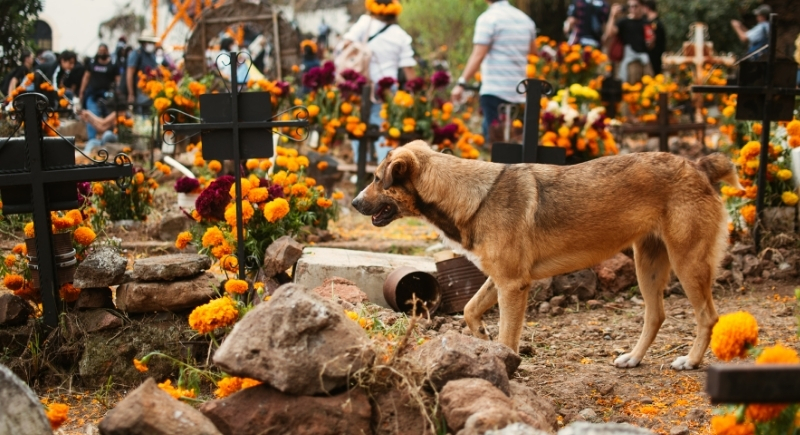
Image via Pexels/Jorge Acre
In 2021, Bob left the cemetery grounds and was hit by a motorcycle, dying shortly afterward. At that time, the burial of pets in family plots was generally restricted. Taboão da Serra city officials made an exception, allowing Bob to be buried beside his owner.
Public response was intense. Social media users, animal welfare advocates, and residents pushed for broader legal recognition tied to pet burial rights. The story changed public conversation toward how grief tied to pets deserved formal/ legal recognition.
The Law That Followed
In February 2026, São Paulo state governor Tarcísio de Freitas signed legislation widely known as the Bob Coveiro Law. The law allows cats and dogs to be buried in family graves and plots, as long as sanitary regulations are followed. Funeral service providers determine technical guidelines for safe burial.
State deputy Eduardo Nóbrega, one of the law’s authors, publicly stated that the policy recognizes the emotional bond linking pets and families. He also highlighted cost issues tied to cremation, which sometimes led families toward improper disposal of remains.
Similar rules already exist in Brazilian states such as Rio de Janeiro and Santa Catarina. A federal proposal on pet burial rights has been pending in Brazil’s lower house since 2023, indicating broader national discussion on the topic.
Bob Coveiro’s story became symbolic because it combined long-term loyalty, public visibility, and a clear emotional narrative. People saw a decade-long vigil tied to one grave, and that image remained powerful across news cycles and online conversations.