A Family Returned Their Senior Dog After 48 Hours and the Reason Is Heartbreaking
When Petunia arrived at a small New Jersey shelter, the staff hoped her hardest days were finally over. The senior dog had been rescued from severe neglect and brought to Common Sense for Animals in Stewartsville in rough shape. She was underweight, dehydrated, and dealing with painful skin problems. Even so, there was something gentle about her. She leaned into human touch and responded with a calm that felt earned, not automatic.
When a family adopted her, the staff allowed themselves a moment of relief. It looked like Petunia would finally have a place to rest and recover. But the hope was brief. Just two days later, the family brought her back to the shelter, and Petunia found herself starting over yet again.
A Fragile Start That Came With Hope
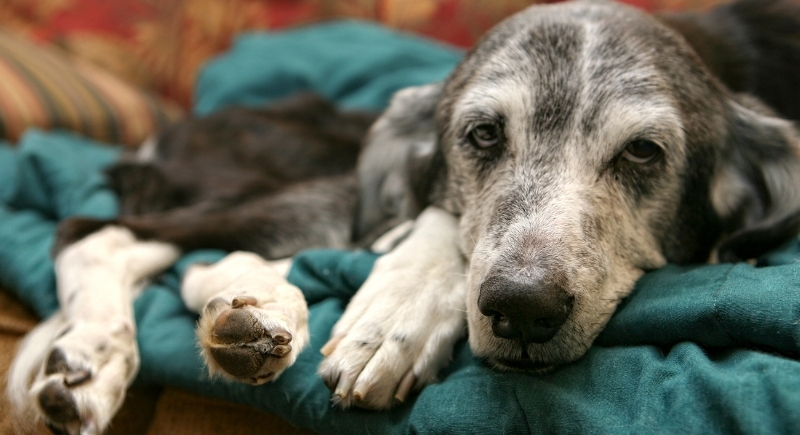
Image via Getty Images/inhauscreative
Petunia’s intake was difficult. Senior dogs often arrive with physical and emotional scars, and hers were evident from the start. Still, shelter staff and volunteers believed she had a chance.
When a family stepped forward to adopt her, there was cautious optimism that Petunia would finally get the comfort and stability she had been missing. That hope didn’t last long. Within 48 hours, the family returned her.
According to shelter representatives and a volunteer who shared Petunia’s story online, the reason for her return was a single potty accident inside the home.
The family brought her back almost immediately, unable or unwilling to work through what many animal welfare experts describe as a normal adjustment issue, especially for an older dog coming from a stressful environment.
For Petunia, the return was more than a logistical setback. Senior dogs often struggle more deeply with repeated transitions. Each move reinforces confusion, anxiety, and a sense of instability, making future adjustments even harder.
What Shelter Stress Looks Like for Senior Dogs
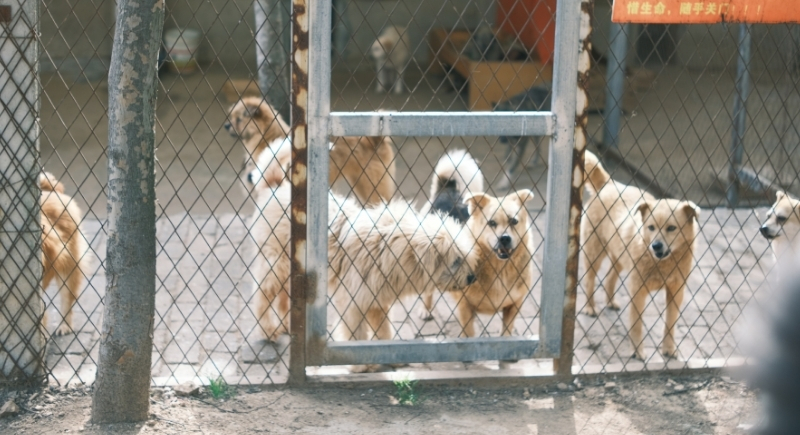
Image via Pexels/Mia X
Veterinary and animal welfare research shows that the moment a dog enters a shelter, stress levels rise sharply. Loud environments, unfamiliar routines, and isolation can cause behavioral changes that don’t reflect a dog’s true temperament.
Some dogs withdraw. Others stop eating. Many experience temporary house-training regressions, particularly older dogs whose bodies and routines have already been disrupted.
When Petunia was returned, visitors noticed her demeanor had changed. In a video shared by a volunteer, she sat quietly in her kennel with her head lowered, briefly acknowledging attention before turning away. It was a small moment, but one that seemingly captured how deeply the experience had affected her.
Timing and Expectations Matter
Image via pexels/Tima Miroshnichenko
Experts who work closely with senior dog adoptions emphasize that the first days in a new home are rarely smooth. Older dogs may need time to relearn routines, adapt to new spaces, and feel safe enough to relax. Accidents, pacing, or withdrawal are often part of that transition, not signs of failure or incompatibility.
This is where expectations play a critical role. Adopters who anticipate instant adjustment may misinterpret stress responses as permanent problems. For senior dogs, patience is not just helpful; it’s essential.
Petunia Still Has So Much to Give
Despite everything, shelter staff describe Petunia as affectionate and gentle. She does not seem reactive toward cats, likely due to declining eyesight, and she remains friendly with people of all ages, though a quieter home with older children would suit her best. Volunteers say she still has energy and warmth, even as shelter life continues to wear her down.
Her story has resonated, not because it is rare, but because it is painfully common. Senior dogs are returned at higher rates than younger ones, often for reasons tied directly to age-related needs that were foreseeable and manageable with support.
It’s a broader issue in animal welfare where senior dogs are frequently overlooked, misunderstood, or expected to adapt instantly after years of instability or neglect. When they can’t meet unrealistic expectations, they pay the emotional cost.
Shelter advocates stress that even small actions, like sharing a dog’s story or engaging with adoption posts, can increase visibility and improve outcomes. For Petunia, the hope is that the right family will see beyond a single accident and understand that what she truly needs is time, patience, and a safe place to land.