A Rare Dolphin Just Moved Into Venice’s Canals and Won’t Leave
Marine researchers say a bottlenose dolphin entered the Venetian lagoon in early summer 2025, most likely following a school of fish through the barrier islands that separate the lagoon from the open Adriatic. Bottlenose dolphins usually stay in coastal sea waters, so seeing one move into enclosed canals filled with constant boat traffic caught experts’ attention.
The dolphin, later nicknamed Mimmo, was officially recorded inside the lagoon on July 23, and sightings continued to rise through summer and early fall. Dolphins almost never appear in Venice’s central canal areas. The last notable case came in 2021, when two striped dolphins entered during a period of reduced marine traffic and were soon guided back out to sea.
Why Experts Are Seriously Concerned
@cnn For months, a wild dolphin in Venice, Italy, has captivated tourists with its appearances and acrobatics. Although the dolphin, nicknamed Mimmo, is capable of returning to sea, it has chosen to remain in the city’s busy canals raising concerns among experts. #cnn #news #venice #mimmo #dolphin ♬ original sound – CNN
St. Mark’s Basin, where Mimmo spends much of his time, connects several of Venice’s busiest transport routes. Ferries, water taxis, private boats, and public vaporetti operate constantly. This level of movement poses a significant collision risk to marine mammals. Veterinary teams later confirmed superficial wounds consistent with propeller contact. The injuries were minor and expected to heal, yet they confirmed the exact danger researchers feared.
Global marine data shows boat strikes injure or kill thousands of marine animals each year. Research in Sarasota Bay, Florida, shows roughly 1 in 20 dolphins carry visible collision scars, and about 5 percent of dolphin deaths are linked to vessel interaction. Mimmo’s continued presence in heavy traffic raises the odds of repeat injury.
The “Social Loner” Pattern Scientists Recognize
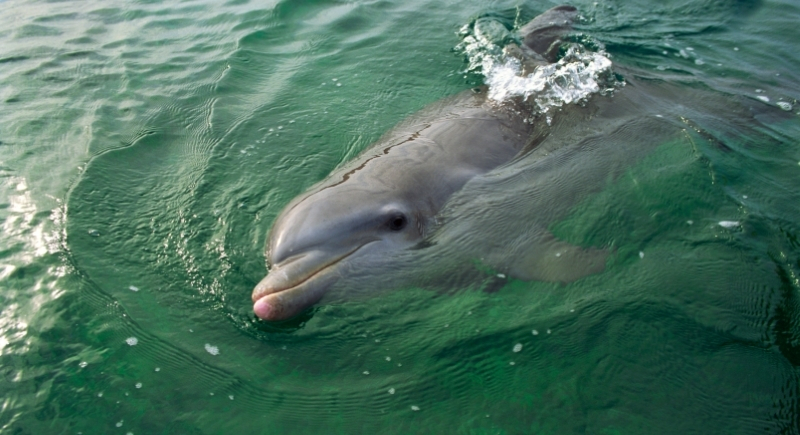
Image via Canva/Comstock Images
Researchers classify Mimmo as a social loner. This usually describes a young male dolphin that separates temporarily or permanently and begins interacting near human activity zones. Around 100 similar cases have been documented worldwide.
In many cases, these animals remain physically healthy and capable of hunting. Mimmo shows normal feeding behavior, eating mullet, sea bass, and sea bream inside the lagoon. Monitoring teams report good body condition and typical behavior, including aerial flips linked to communication, hunting coordination, and parasite removal. The unusual part is persistence, as marine biologists confirm he is fully capable of returning to open sea waters. He simply keeps returning to the same high-traffic area.
Attempts To Move Him Have Failed So Far
On November 16, multiple agencies used low-intensity acoustic signals to push Mimmo toward quieter water. The effort worked temporarily as he returned to St. Mark’s Basin within about an hour. Authorities now rely mainly on public cooperation. Italian and EU law protect dolphins and don’t allow feeding or direct interaction.
Researchers think that colder temperatures can reduce fish concentration inside the lagoon. If prey numbers drop, Mimmo may move back toward open water on his own. Marine teams continue weekly monitoring and rely heavily on citizen sighting reports. Each confirmed sighting helps track movement patterns and health indicators. Right now, Mimmo remains healthy, active, and well fed, a combination that makes intervention harder, since he has little biological reason to leave.