How Much Do You Know About the Royals and Their Pets?
Royal families have always lived under close watch, but their relationships with animals often slipped past the spotlight. Apart from being companions, pets softened public images and even played roles in diplomacy.
These pets revealed personal routines, unspoken values, and sides of royal life that rarely appeared in public. Their presence offers a subtle glimpse into how tradition, power, and private life overlapped behind palace walls.
Queen Elizabeth II Built a Corgi Line That Lasted Decades
Credit: Wikimedia Commons
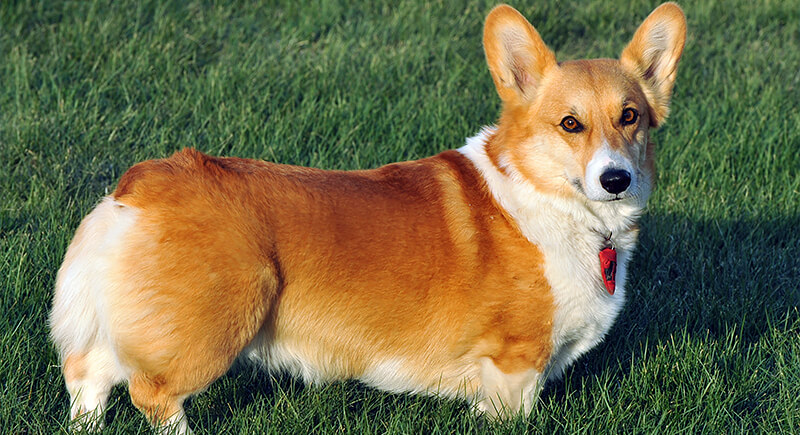
Queen Elizabeth II received a Pembroke Welsh corgi named Susan for her eighteenth birthday in 1944. Every corgi she later owned descended from that dog, which created a lineage that lasted more than seventy years. She personally fed her dogs daily and continued walking them herself well into old age.
A Childhood Chameleon Received a Formal Royal Burial
Credit: Wikimedia Commons
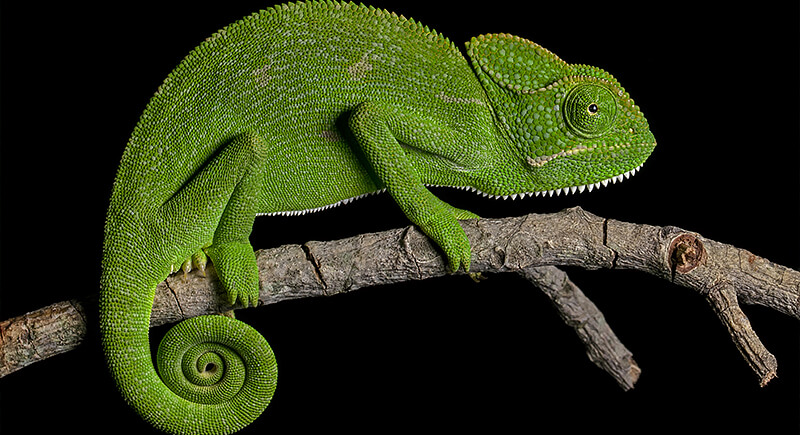
As a child during World War II, Princess Elizabeth kept a chameleon in a handmade box. She fed it flies she caught around the palace. When the reptile died, she didn’t brush it off. Instead, she held a formal burial in the garden, complete with a white coffin and tiny headstone.
Charles II Allowed His Spaniels Inside Government Meetings

Credit: Wikimedia Commons
King Charles II didn’t part with his dogs for anything, not even for matters of state. He regularly brought his toy spaniels to Whitehall meetings and let them lounge in his lap or wander the council chamber. That devotion later inspired the breed’s name: Cavalier King Charles Spaniel.
Prince Philip Redirected Exotic Diplomatic Gifts to the Zoo
Credit: Wikipedia
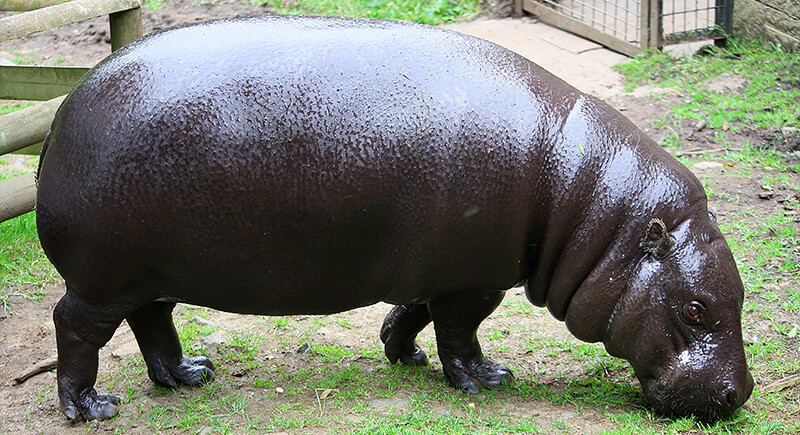
During royal tours, Prince Philip received animals like pygmy hippos and a young elephant. Instead of keeping them in royal gardens, he made arrangements with the London Zoo, where the animals lived under proper care and became part of public exhibits.
Mary, Queen of Scots Took Her Terrier to the Scaffold
Credit: Getty Images
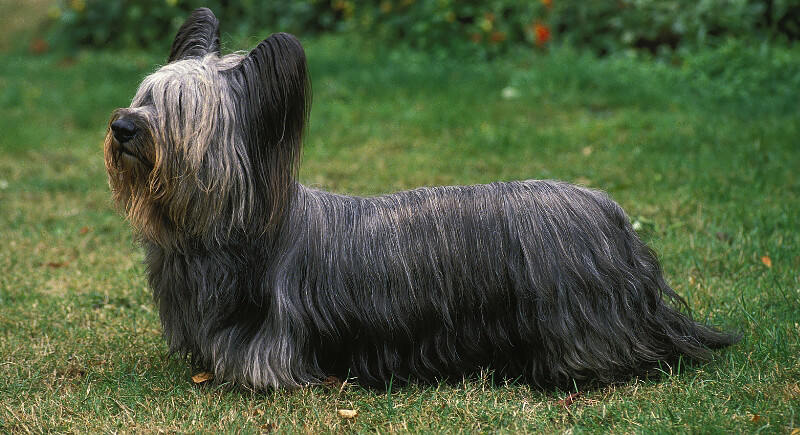
In 1587, as Mary, Queen of Scots, approached execution, her small Skye Terrier followed, hidden in her skirts. After the execution, the bloodied dog refused to leave her side. It was eventually cleaned by officials and sent to France, which marked one of history’s most intimate royal pet moments.
Josephine Bonaparte Shared Her Home With a Dressed Orangutan
Credit: Getty Images
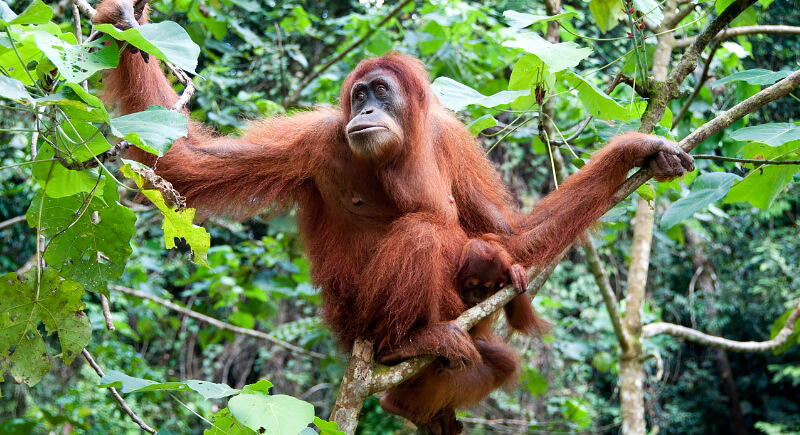
Napoleon’s wife, Josephine, had unusual tastes. Her orangutan at Malmaison wore human clothes, joined dinner parties, and used cutlery like any other guest. The animal mingled freely with visitors until its death, after which Josephine donated its body to the Museum of Natural History for scientific study.
Princess Anne Received a Bear Cub From the Soviet Union
Credit: Getty Images
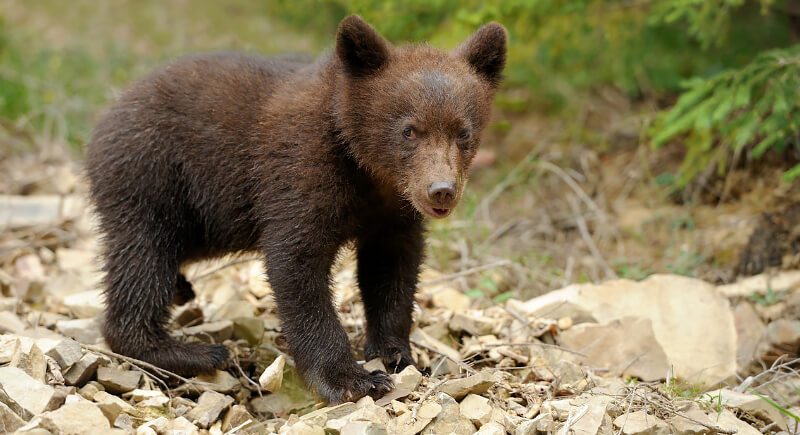
Not every Cold War gesture involved documents. In 1956, Soviet leader Nikita Khrushchev presented a live bear cub to Princess Anne, then only six years old. Though an unusual pet, the cub was part of an international tradition of animal diplomacy and was eventually sent to a zoo.
Zara Tindall Treated Her Olympic Horse as a Partner
Credit: Wikipedia
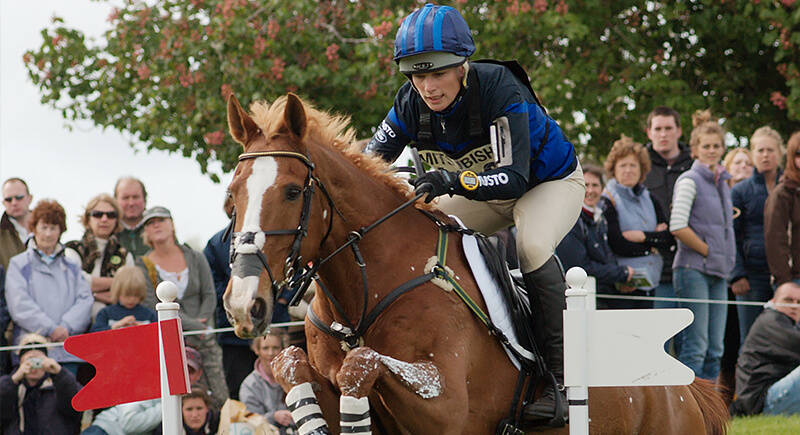
Zara Tindall competed internationally with her horse Toytown and relied on him throughout her career. When he died in 2017 at age twenty-four, she spoke publicly about the loss. Her reaction reflected the close working relationships common in elite equestrian sport.
Camilla Chose Shelter Dogs Over Pedigree Breeds
Credit: X
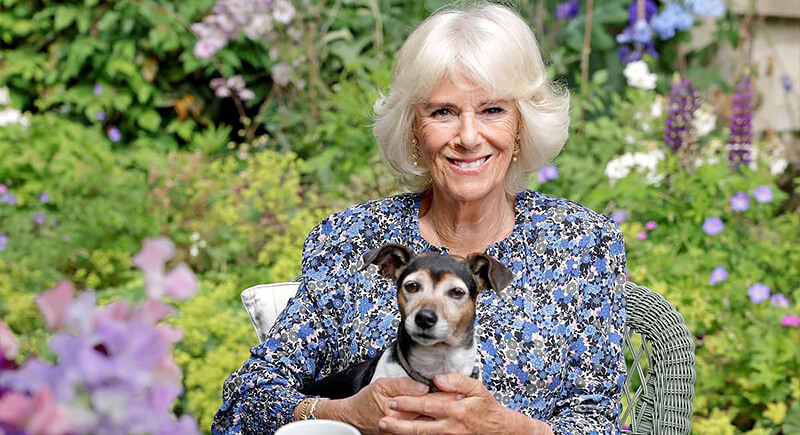
Camilla, Duchess of Cornwall, adopted two Jack Russell terriers from Battersea Dogs & Cats Home rather than purchasing dogs through breeders. She regularly appeared with them at public events, which drew attention to animal adoption and supported one of Britain’s most established rescue organizations.
An Indian Maharaja Organized a Full State Wedding for His Dogs
Credit: Wikimedia Commons
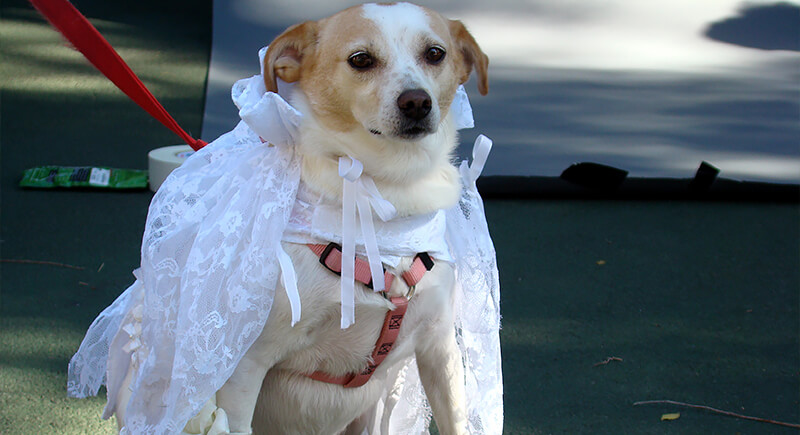
Muhammad Mahabat Khan staged a formal wedding in 1922 for two of his dogs, Roshanara and Bobby. The ceremony included hundreds of guests, musicians, and elephants. After the dogs died, he declared a period of mourning and marked their funerals with orchestral music.