The Top 10 Reasons Adopted Pets Get Returned to Shelters
When we bring a pet home from a shelter, it usually feels like the beginning of something meaningful. The hope is simple: a safe home for the animal and a loyal companion for the family. Most adoptions do work out, but shelters still see some pets come back. In many cases, the reason has little to do with love. Everyday challenges such as behavior, time, housing rules, or unexpected costs often make the situation harder than people expected.
Behavioral Challenges
Credit: Getty Images
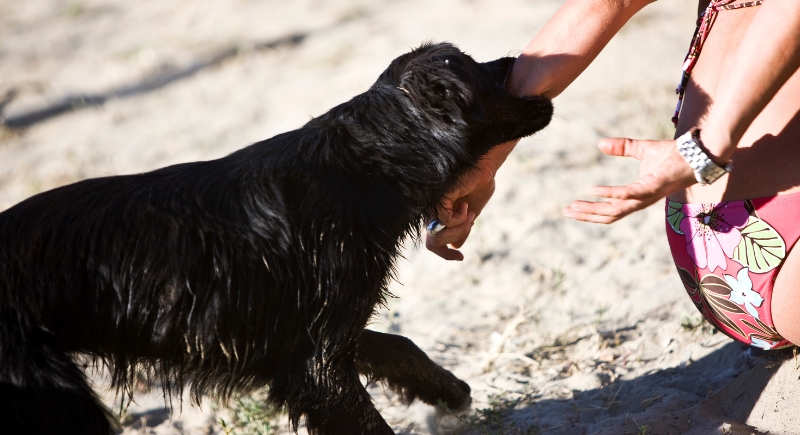
Behavior problems appear frequently in shelter return reports. A study published in the journal Animals found that more than 38% of returned dogs were surrendered due to aggression or similar behavioral issues. New owners may encounter barking and house-training accidents. Many of these habits stem from anxiety or a lack of training.
Unexpected Financial Costs

Credit: pexels
Adoption fees tend to be modest, which can create the impression that pet ownership is inexpensive. Reality quickly introduces veterinary visits, quality food, grooming supplies, and training classes. When emergency vet bills appear, households sometimes face difficult choices about their ability to keep a pet long term.
Unrealistic Expectations
Credit: Canva
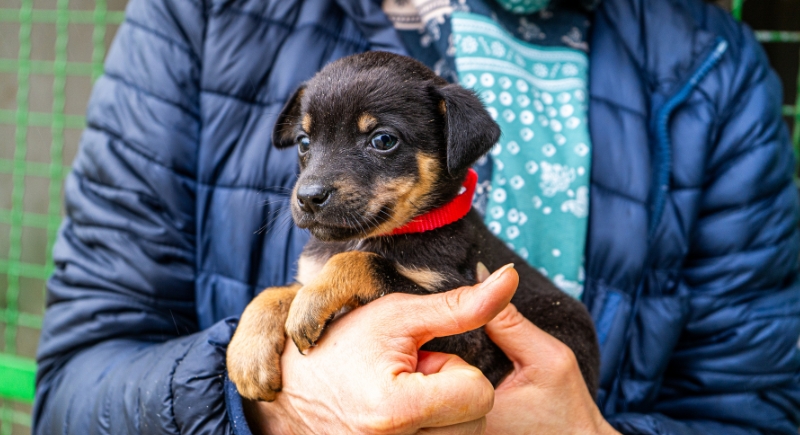
Shelter staff often hear about mismatched expectations after an adoption. A playful puppy might grow into an energetic dog that requires daily exercise and training. Cats that seemed calm in the shelter may become curious explorers in a home environment.
Housing Restrictions
Credit: Canva
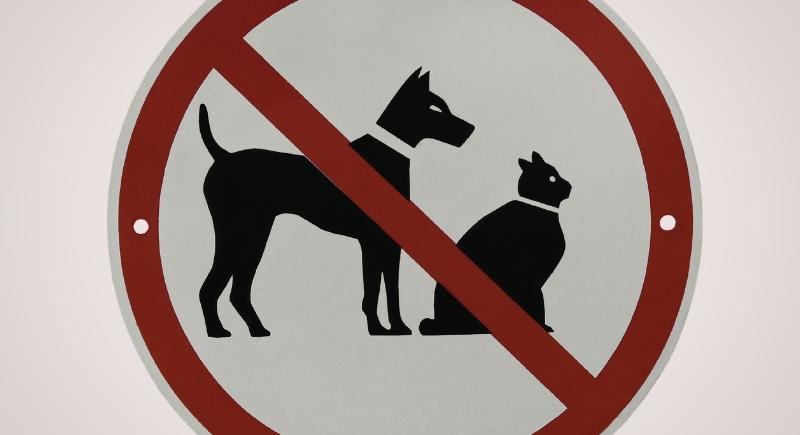
Housing rules create practical complications for many pet owners. Rental agreements frequently limit pet size, breed, or the number of animals allowed. A family might adopt a dog without realizing that their building enforces strict pet policies. Moving to a new apartment with tighter rules can force a difficult decision. Shelters regularly receive surrendered animals whose owners simply cannot find housing that permits them to keep the animals.
Major Life Changes

Credit: Canva
Life rarely stays predictable for long with job relocations, new babies, health concerns, or relationship changes. A dog that once enjoyed long walks may receive less attention during stressful transitions. These situations highlight how long the commitment of pet ownership can be compared with life’s shifting priorities.
Health And Allergy Concerns

Credit: pexels
Health issues occasionally surface after a pet joins the household. Allergic reactions to animal dander can affect children or adults who previously showed no symptoms. Zoonotic parasites such as hookworms also raise concerns for families with young kids. Veterinarians can address many of these situations through treatment or preventive care.
Misunderstanding Breed Traits
Credit: Canva
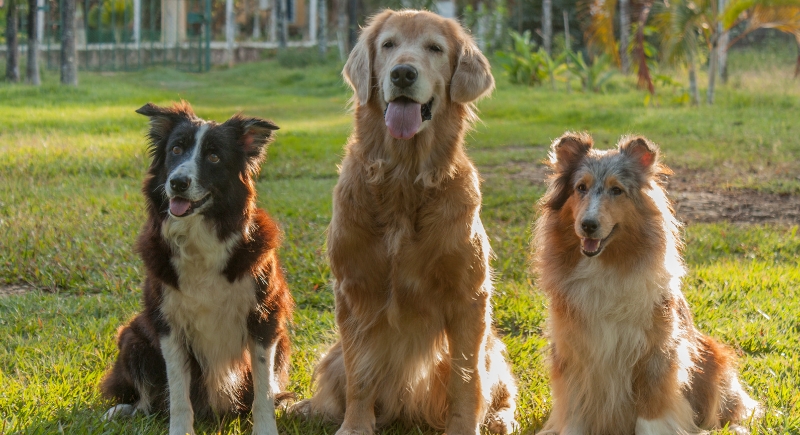
Breed traits influence how a dog behaves day to day. Some dogs were bred to herd moving animals, while scent hounds naturally follow smells with intense focus. When families are not familiar with these instincts, the behavior can feel confusing or overwhelming. Learning about a breed before adopting helps people understand what to expect and makes it easier to support the dog’s natural tendencies.
Incompatibility With Existing Pets

Credit: Getty Images
Households that already include animals sometimes face unexpected tension when a new pet arrives. Dogs or cats that lived peacefully alone may react strongly to a newcomer competing for territory or attention. Slow introductions help, yet conflicts occasionally continue for months.
Separation Anxiety

Credit: Getty Images
Dogs form strong bonds with their caregivers, which can create problems during long absences. Separation anxiety may lead to nonstop barking, pacing, scratching doors, or destructive chewing. Owners living in apartments often feel pressure from neighbors about noise complaints and may decide they cannot manage the situation.
Influence Of Impulse Adoptions
Credit: pexels
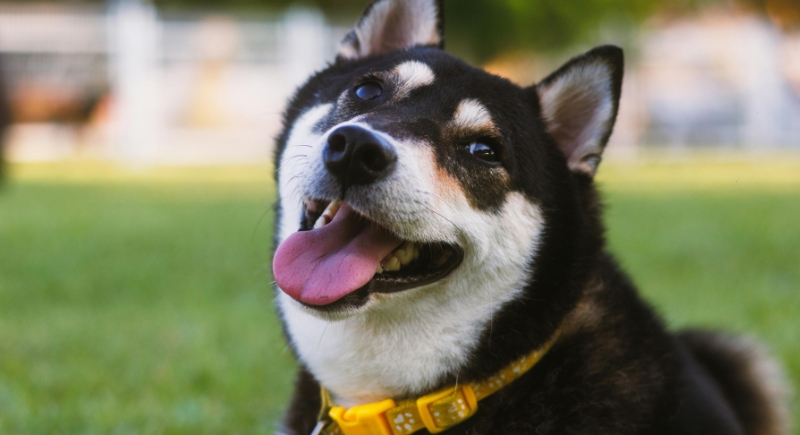
A friendly face in a kennel can quickly capture someone’s attention. Impulse adoptions happen during emotional visits to shelters or adoption events. The decision feels exciting in the moment, yet the responsibilities become clearer after the pet arrives home. Because of this, shelters frequently encourage cooling-off periods before finalizing adoptions.