Horrifying Facts About Africa’s Deadliest Animal
Most safari brochures highlight lions mid-roar and crocodiles lurking at riverbanks. Meanwhile, the animal responsible for more human deaths in Africa than any other large land mammal often looks half-asleep in muddy water. The hippopotamus weighs as much as a pickup truck, grazes on grass, and packs an arsenal that would make a great white shark envious. We reveal 10 facts about hippos that even seasoned wildlife experts find alarming.
They’ll Run You Down Before You Can Blink
Credit: Getty Images
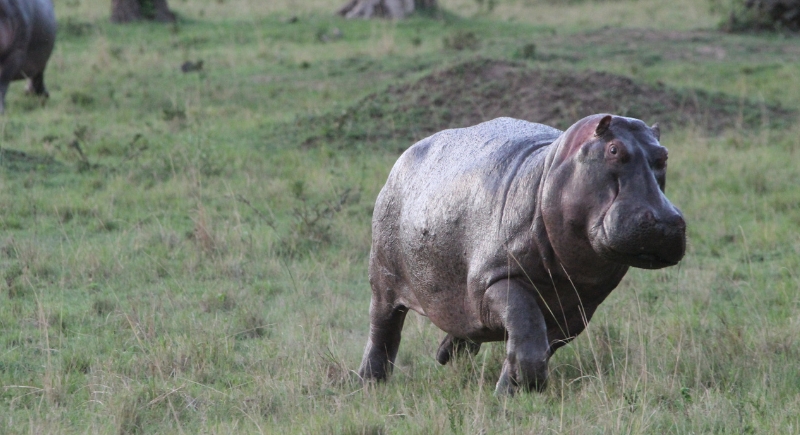
Despite weighing up to 4,000 pounds, hippos can run at 25 mph on land. For context, the fastest recorded human is Usain Bolt, who clocked in at under 28 mph. Park rangers across Africa warn tourists never to position themselves along a hippo’s route back to the river because these animals will obliterate anything blocking their path, and there’s no outrunning them once they’ve started moving.
Their Jaws Could Crush Bones
Credit: pixabay
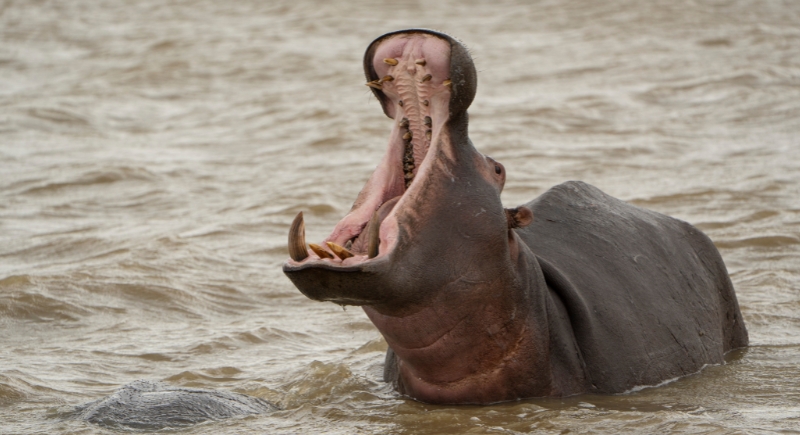
A hippo’s bite generates around 2,000 PSI of pressure, enough force to snap a canoe in half. Those teeth grow throughout their lives and can reach over 15 inches in length. Male hippos use these tusks during territorial battles, and researchers have documented them biting fully grown crocodiles during confrontations.
Male Battles End in Absolute Carnage
Credit: pexels
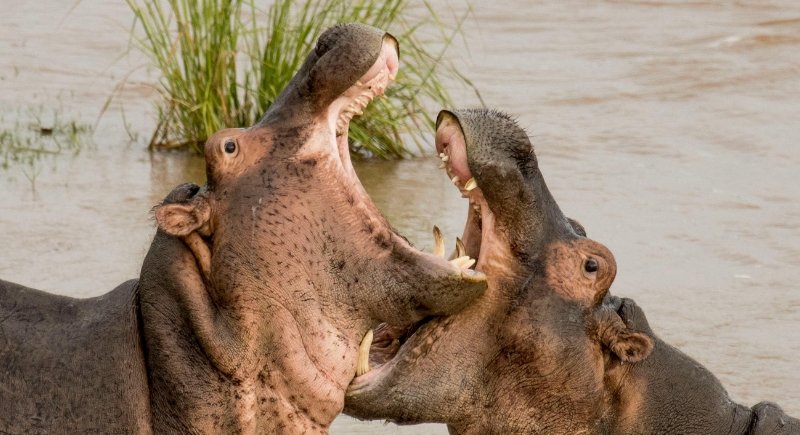
Territorial fights between bull hippos rank among the most vicious confrontations in the animal kingdom, often lasting hours until one combatant lies dead in the bloodied water. They slash at each other’s faces and necks with those tusks, opening wounds so deep that bone becomes visible through shredded flesh. The hippo skull has evolved thick bone specifically to absorb these impacts, but even that armor fails under sustained assault.
Boats Offer Zero Protection

Credit: Getty Images
Fishermen working African rivers understand that their vessels mean nothing to an angry hippo. These animals demolish them, biting through fiberglass hulls, flipping canoes with violence, and smashing wooden craft into kindling. Capsized passengers then face drowning in murky water or direct attack from the same animal. Even metal tourist vessels aren’t immune because hippos can leave teeth marks gouged into steel railings on tour boats.
They Attack With Minimum Warning Signs
Credit: Getty Images
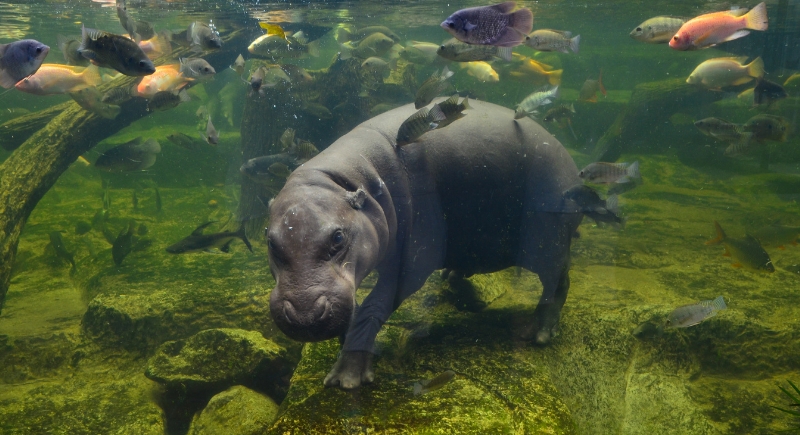
Most dangerous animals show their intentions through body language or vocalizations before launching an attack. Villagers collecting water from rivers in Tanzania and Uganda report attacks that began without the victim even realizing a hippo was nearby. The animals want to reach water when grazing on land, and they’ll annihilate anything standing between them and the river.
Mothers With Calves Become Killing Machines
Credit: Getty Images
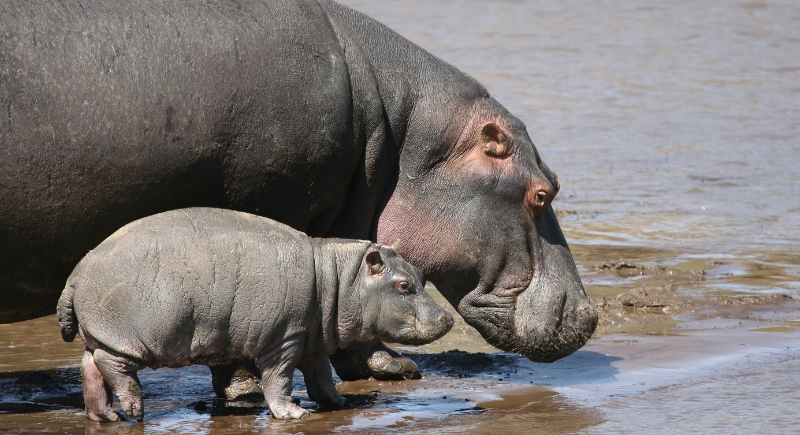
Female hippos protecting their young represent the absolute worst-case scenario for anyone near the water. These mothers interpret most things as a mortal threat to their offspring and respond with aggression against other adult hippos, animals, and humans. Calves stay with their mothers for six to eight years, meaning a portion of some hippo populations consists of hypervigilant females ready to kill at the slightest provocation.
Their Skin Weeps Something That Looks Like Blood
Credit: Getty Images
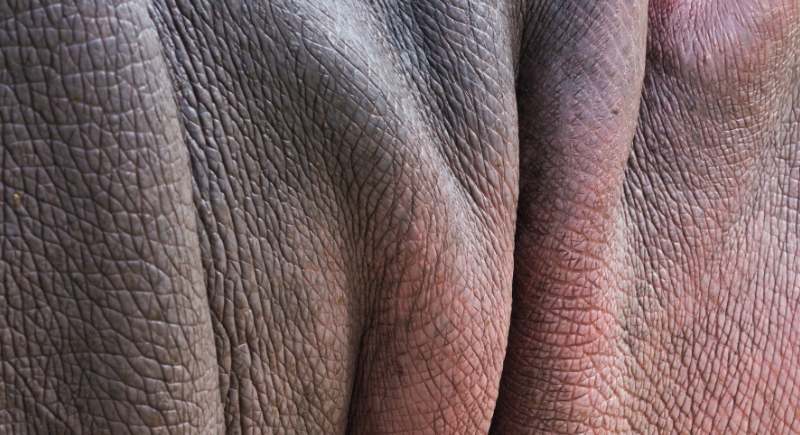
Hippos secrete a red, viscous substance from their pores that resembles blood streaming down their bodies. This fluid actually contains chemicals called hipposudoric acid and norhipposudoric acid, which function as a natural sunscreen and antibiotic. When hippos haul themselves onto riverbanks during hot afternoons, this crimson film coats their bodies and makes it seem like they’ve just emerged from a brutal massacre.
Entire Villages Face Destruction
Credit: Getty Images
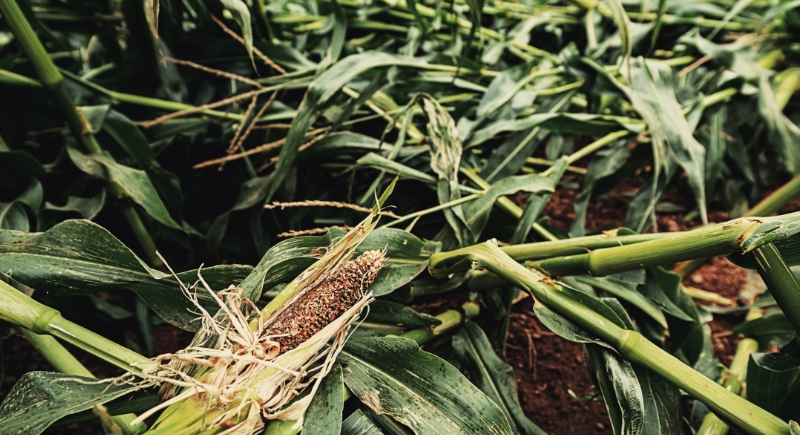
Communities near hippo habitats endure constant devastation of crops, infrastructure, and property from animals that can consume 80 pounds of vegetation nightly. When natural grasses become scarce, hippos can raid agricultural fields instead. Farmers in rural Uganda and Zimbabwe report losing entire harvests to nocturnal raids by these animals, which demolish fences, walls, and irrigation systems by walking through them as if they’re made of paper.
Some Hippos Appear to Eat Flesh
Credit: Getty Images
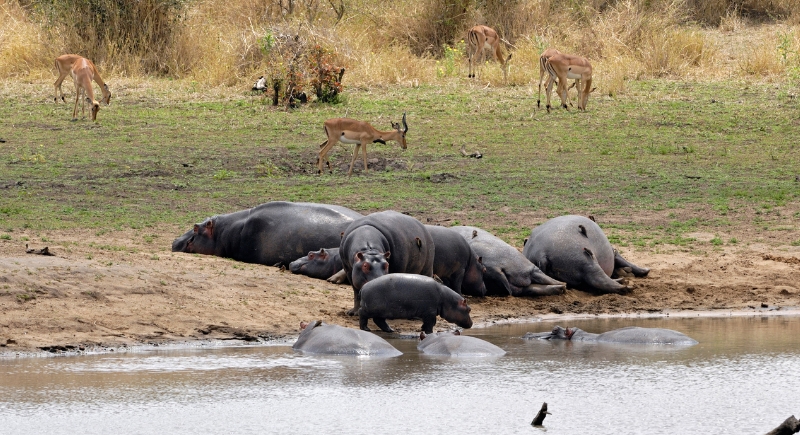
Researchers have documented hippos scavenging carcasses and hunting impala, then consuming the meat despite lacking a digestive system optimized for processing animal protein. Video footage from Kruger National Park shows hippos chewing on wildebeest and zebra remains, while one in Zambia killed and ate other hippos. These incidents remain rare across hippo populations. Still, they’ve shattered the innocent image of peaceful grass-eaters lounging in African rivers.