10 Home Adjustments That Make Life Easier for Aging Dogs
You probably still remember the day you brought your dog home. Maybe they ran straight across the room, or waited by the door like they already belonged there. Time passes, and without really noticing when it happened, that same dog starts moving a little slower around the house.
Stiff joints, weaker eyesight, and less grip on smooth floors can turn familiar spaces into a challenge. When that shift becomes clear, a few simple changes at home can make daily life much easier for your dog.
Add Orthopedic Beds
Credit: pexels
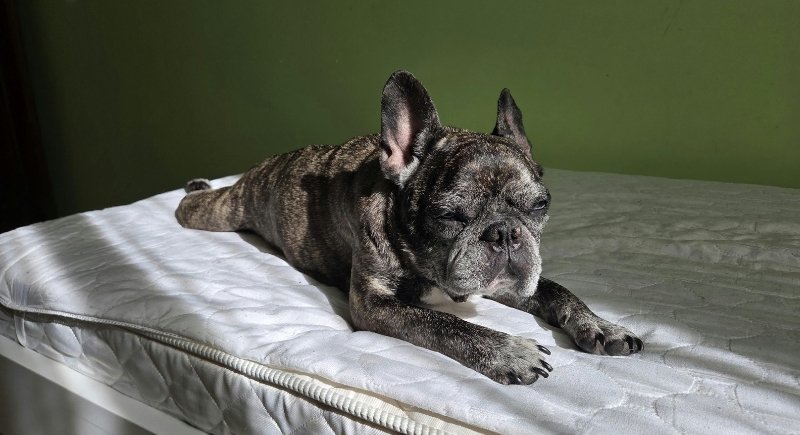
It is not uncommon for older dogs to spend much of their day resting, which makes their sleeping surface very important. Hard floors or thin cushions can place pressure on joints and muscles. On the other hand, orthopedic beds with memory foam distribute weight more evenly and relieve stress on hips and shoulders.
Place Non-Slip Rugs
Credit: Canva
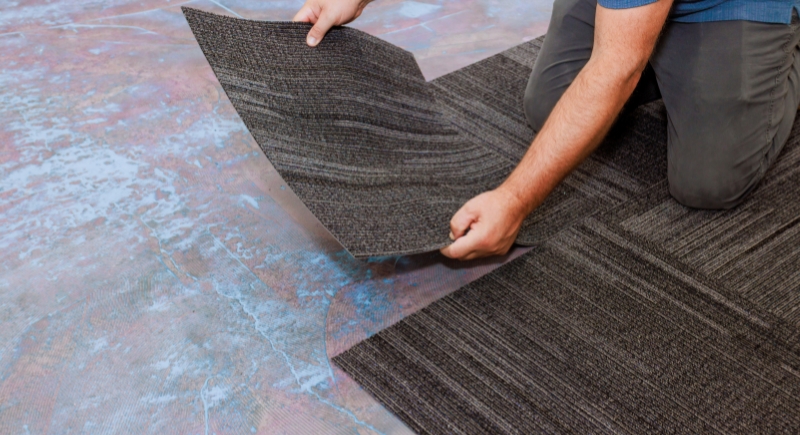
Slippery floors, such as those made of hardwood, tile, or laminate, can cause paws to slip during normal walking. This makes it difficult for your canine to maintain balance on these smooth surfaces. Reduced traction increases the risk of falls and painful joint strain. Many senior dogs begin avoiding these areas once they lose confidence. Rugs and runners provide a simple and effective solution.
Use Elevated Food and Water Bowls
Credit: Canva
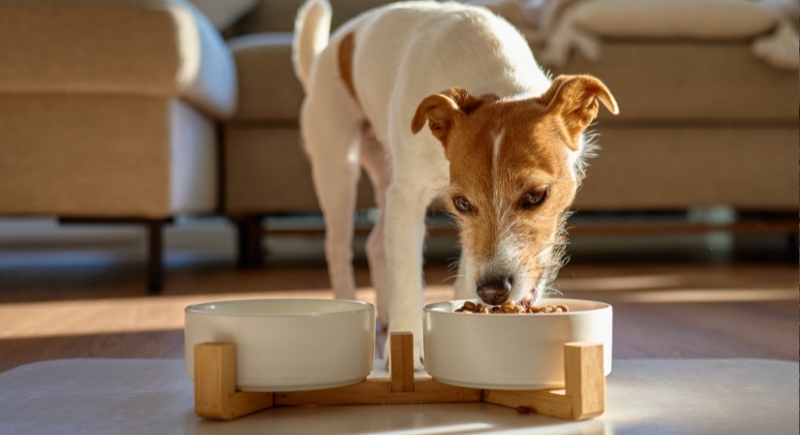
Raised feeding stations provide a straightforward way to make eating less physically demanding for your senior furry friends. A higher bowl allows them to eat in a more natural posture, without having to lift food and water bowls off the floor, which reduces the need to bend deeply during meals. Joint stiffness in the neck, shoulders, or elbows usually makes that movement challenging.
Keep Walking Paths Clear and Uncluttered
Credit: pexels
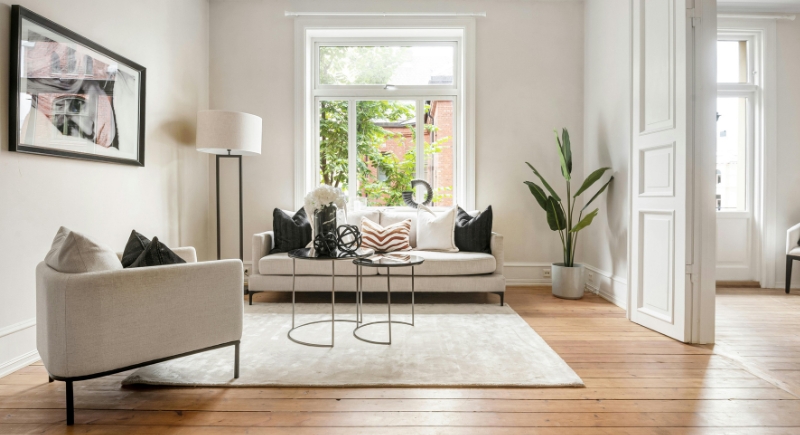
Shoes, cables, and scattered objects can block natural walking routes for your pet through the home. Clearing these items improves safety immediately. Maintain open paths between sleeping areas, food stations, and doorways. Remember, consistent routes help dogs navigate confidently even when vision declines.
Improve Indoor Lighting
Credit: pexels
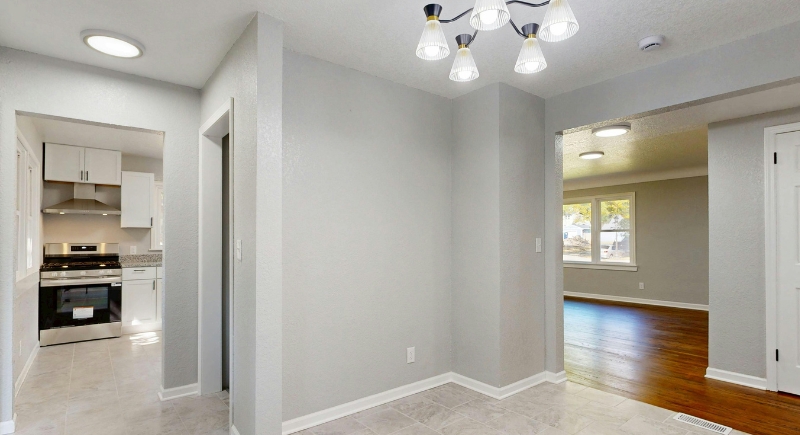
If you notice your companion hesitating in darker areas of the house, you can work on the indoor lighting to make getting around much easier. Add nightlights in hallways and near staircases to guide movement and place lamps close to sleeping areas so your pet can see clearly after waking up.
Install Ramps or Pet Stairs Near Furniture
Credit: Getty Images
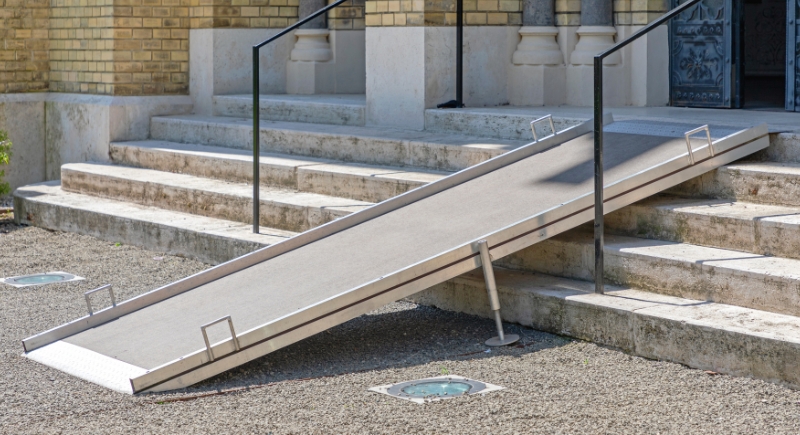
Jumping onto furniture becomes harder as joints lose flexibility. Beds and couches that once felt accessible may suddenly become unreachable. Ramps and pet stairs solve this challenge by providing a gradual path upward. Place these tools beside furniture that your furry friend already uses regularly.
Maintain Comfortable Indoor Temperatures
Credit: Canva
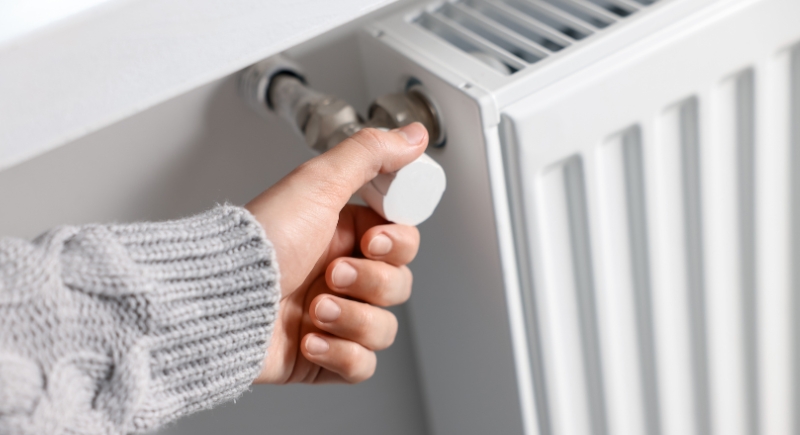
Cold conditions can stiffen your four-legged friend’s muscles and worsen arthritis discomfort. Meanwhile, excess heat may also cause fatigue and restlessness. For this reason, maintaining a steady indoor temperature helps mature dogs remain comfortable throughout the day. Many homes aim for temperatures between 68 and 72 degrees Fahrenheit.
Provide Easy Bathroom Access Indoors or Outdoors
Credit: Canva
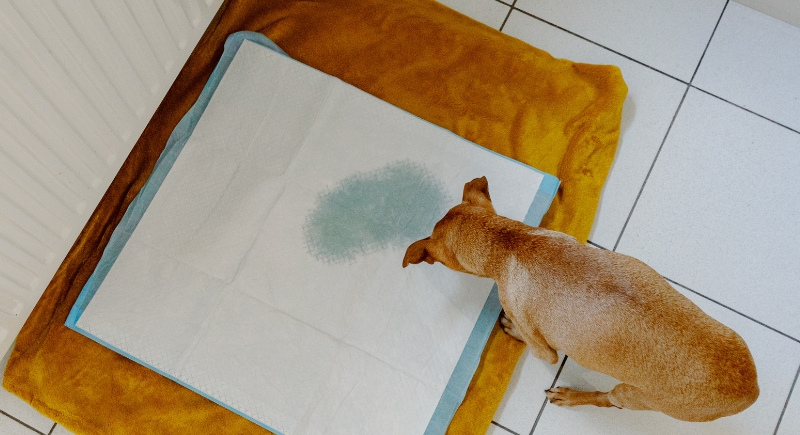
Bladder control can change with age, which sometimes leads to accidents. Older dogs may struggle to get to outdoor areas quickly enough. In such cases, you can provide indoor solutions, such as absorbent dog pads, to reduce stress during this stage. Put them close to common resting spots or entryways.
Encourage Gentle Daily Exercise
Credit: Canva
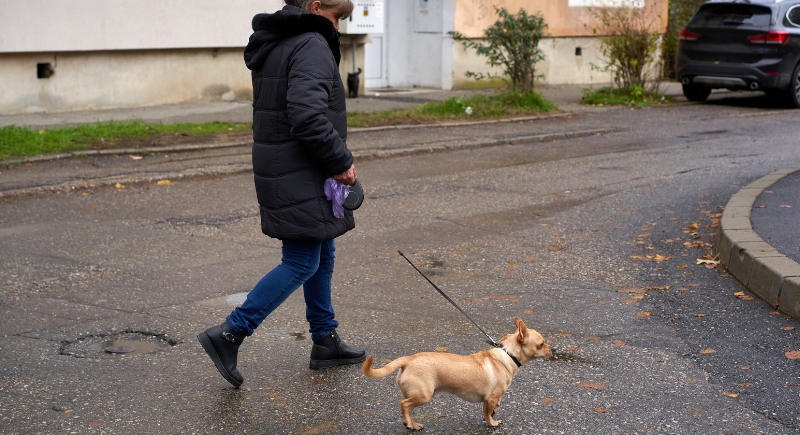
Though the pace changes, regular activity still plays an important role in a senior canine’s daily routine. Long periods of inactivity can increase stiffness in arthritic joints and make it harder to stand or walk. But short walks help maintain muscle strength and support a healthy range of motion.
Provide Mental Stimulation Through Simple Activities
Credit: Getty Images
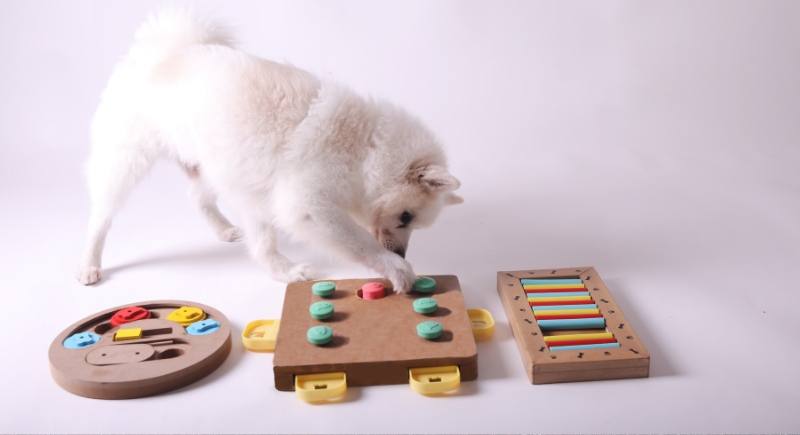
Offer simple activities that keep your dog thinking and exploring, as mental stimulation supports brain health in later years. Puzzle toys encourage problem-solving and curiosity during quiet time at home. In addition, scent-based games work well because pups naturally enjoy following scents. Rotate toys every few days to keep activities interesting.