These Animals Are Basically Immortal and Can Survive Death Itself
Some animals age in ways that look very different from the way humans and most other species age. A small group of creatures can slow aging dramatically or even reset parts of their life cycle. They are still vulnerable to predators, disease, or environmental changes, but their biology allows them to avoid the usual pattern of gradual decline. Because of this, scientists study them closely to understand how aging works in the natural world.
Immortal Jellyfish
Credit: Wikimedia Commons
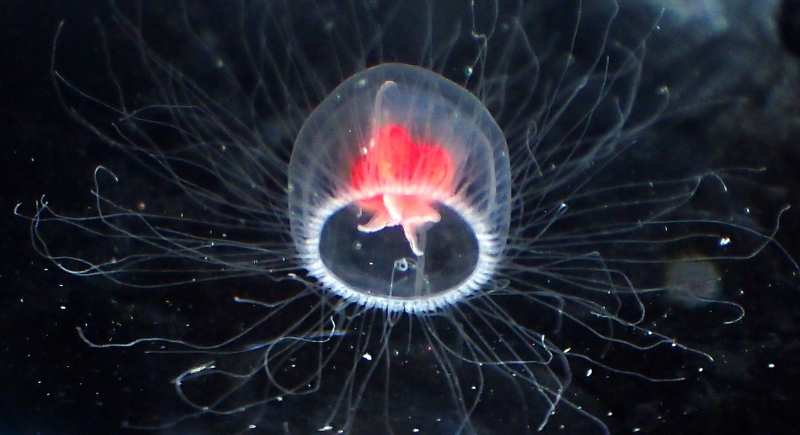
The tiny jellyfish Turritopsis dohrnii has earned serious scientific attention for one reason: it can rewind its life cycle. When injured or stressed, the adult medusa collapses into a mass of cells and returns to its earlier polyp stage. From that stage, it can grow into a new adult jellyfish. This process allows the species to repeat its life cycle instead of progressing toward typical aging.
Hydra
Credit: Wikimedia Commons
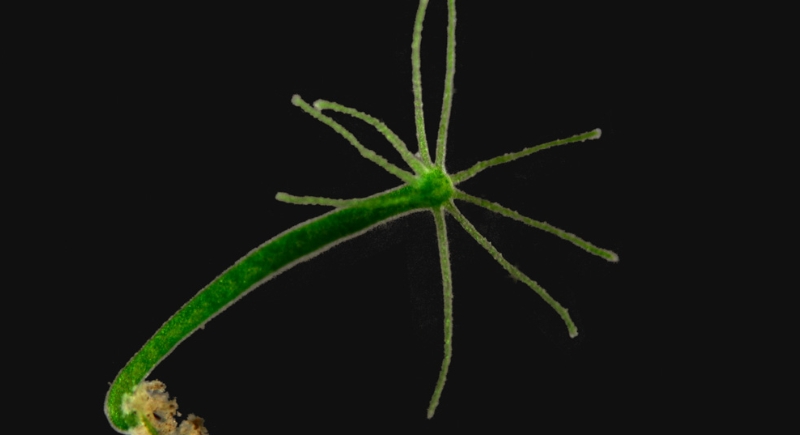
Studies show they do not exhibit typical signs of senescence. Their stem cells continually divide and replace damaged tissue. A group of genes known as FoxO appears to play a key role in keeping those cells active. When scientists interfere with those genes, aging begins. Left alone, hydra maintain constant renewal.
Tardigrades
Credit: Wikimedia Commons
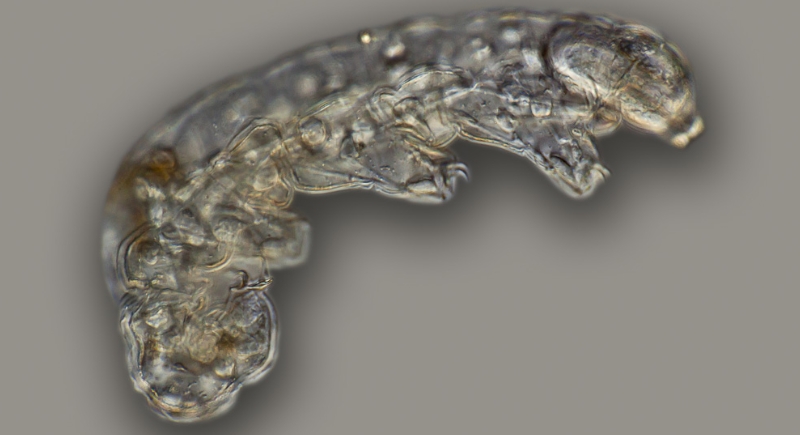
Tardigrades have survived open space, intense radiation, and temperatures that would destroy most life. When conditions turn harsh, they curl into a dried form called a “tun.” Metabolism drops to nearly zero. Years later, a drop of water can revive them.
Lobsters
Credit: Wikimedia Commons
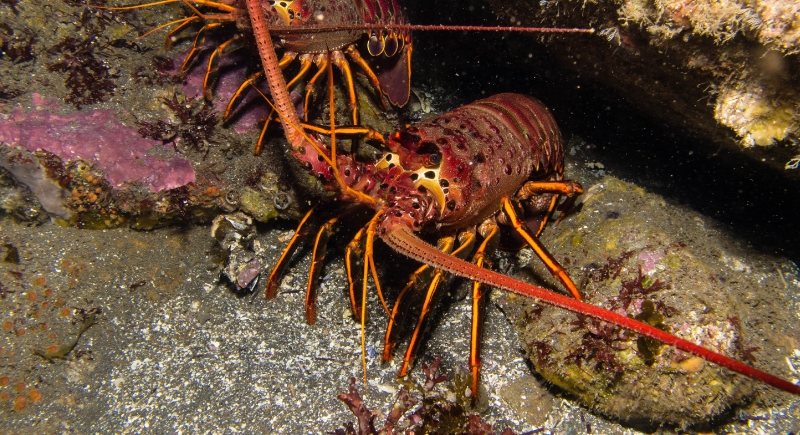
Lobsters keep producing telomerase, an enzyme that rebuilds the protective ends of chromosomes during cell division. In most animals, telomeres shorten with age, which limits cell replication. Lobsters sidestep that issue by maintaining telomeres throughout adulthood. Their lives usually end due to disease, predation, or the heavy energy cost of molting, not because their cells simply wear out.
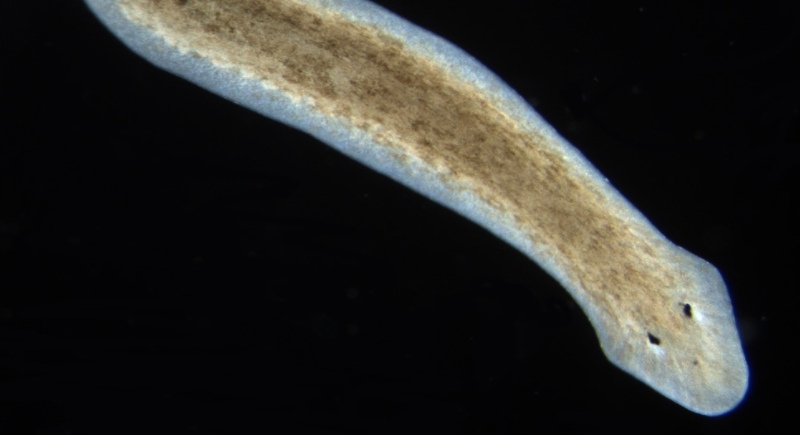
Planarian Flatworms
Credit: Wikimedia Commons
Planarian flatworms have become laboratory favorites for regeneration research. Slice one into pieces, and each fragment can rebuild a complete animal. Their bodies contain a vast supply of stem cells called neoblasts. These cells replace tissues continuously and prevent the usual aging decline.
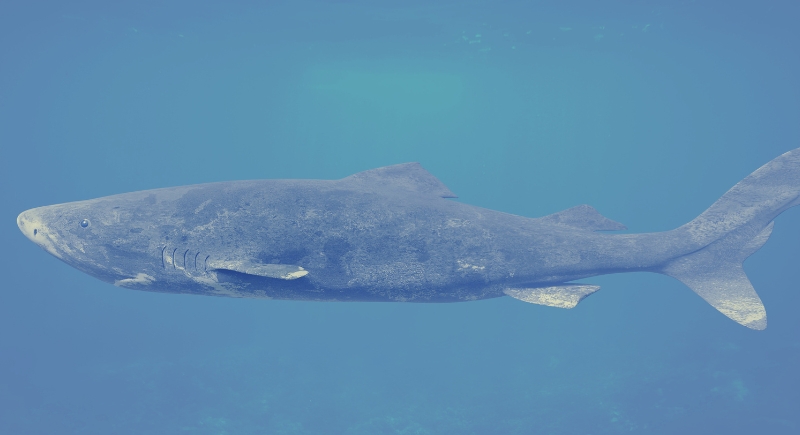
Greenland Shark
Credit: Wikimedia Commons
The Greenland shark moves slowly through the cold waters of the Arctic and North Atlantic and lives far longer than most vertebrates. Studies using radiocarbon dating of eye tissue suggest some individuals can live for more than 250 years. They grow and mature very slowly, sometimes reaching adulthood after about a century. Scientists think the extremely cold, deep-water environment helps slow their metabolism and contributes to their unusually long lifespan.
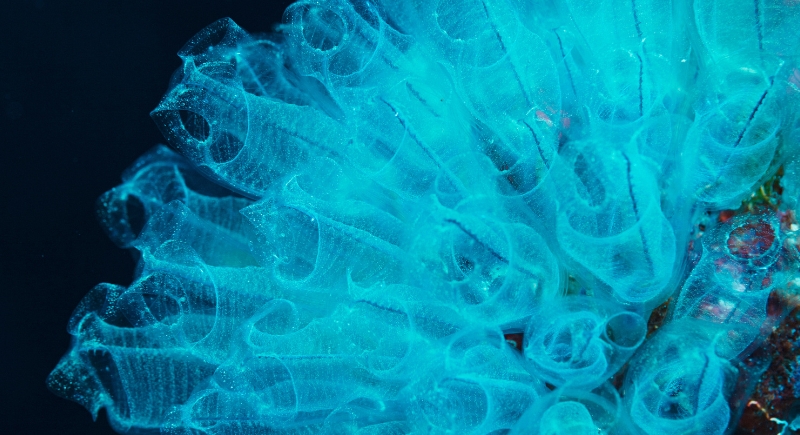
Glass Sponges
Credit: iStockphoto
Scientists estimate that some species can survive for more than 10,000 years. Their silica skeletons form intricate lattice structures that support slow, steady development. Predators and environmental shifts pose risks, but simple body organization and minimal metabolic demands appear to support extraordinary longevity.
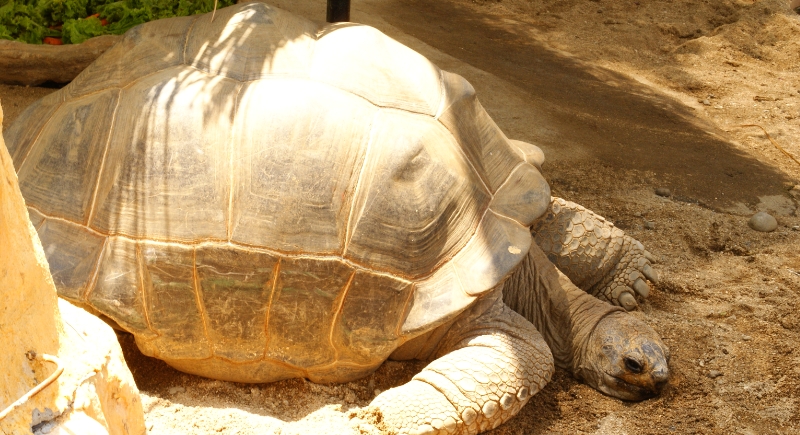
Aldabra Giant Tortoise
Credit: Wikimedia Commons
The Aldabra giant tortoise has demonstrated how far a reptile’s lifespan can stretch. One famous individual named Adwaita reportedly reached 255 years. Their steady metabolism and protective shells contribute to long survival. They are not biologically immortal, yet their ability to thrive across centuries challenges assumptions about vertebrate aging limits.
Red Sea Urchin
Credit: Wikimedia Commons
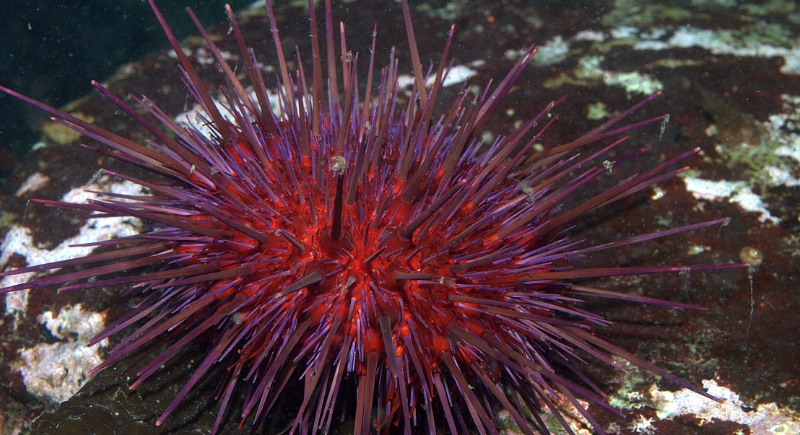
Red sea urchins can live beyond 200 years and continue growing throughout life. Marine biologists studying populations off the Pacific coast have found little evidence of age-related decline. Older individuals reproduce just as effectively as younger ones. Their tissues show sustained regenerative capacity.
Bdelloid Rotifers
Credit: Wikimedia Commons
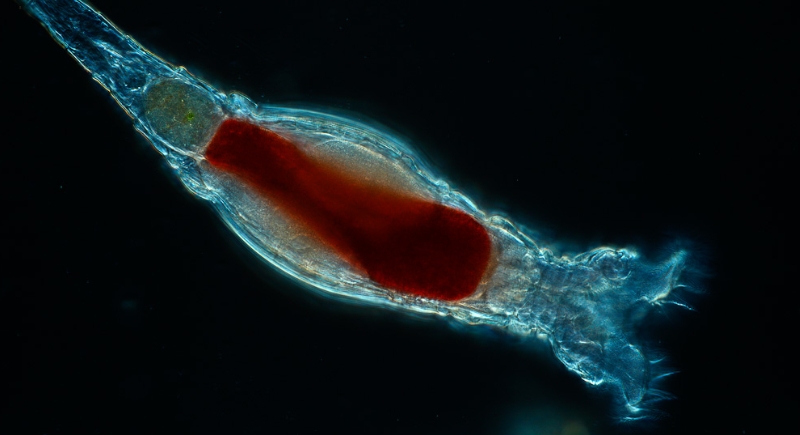
Bdelloid rotifers are microscopic freshwater animals that have persisted for millions of years. They survive drying by entering a dormant state known as anhydrobiosis. During this pause, DNA can shatter, then remarkably reassemble once water returns. This repair ability may help them endure radiation and extreme conditions.