Bizarre Ways Animals Mourn Their Dead
Across the animal world, responses to death take forms that are difficult to ignore. A creature might linger beside a fallen companion, carry a body long after it can no longer move, or return repeatedly to a spot tied to a shared life. None of these gestures resemble formal rituals, yet each one hints at bonds that persist even after death, and at the complicated ways animals register loss.
Elephants Checking On Fallen Companions
Credit: Getty Images
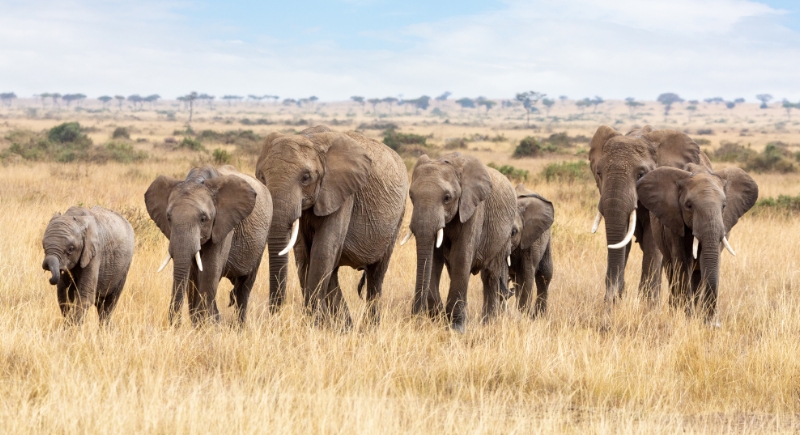
A clearing can take on a different weight when elephants find the bones of one of their own. Adults move in quietly and trace a skull or rib with slow, careful touches. Herds sometimes return months later, repeating the same inspection. Their lingering attention suggests memories that stay with them long after their paths change.
Orcas Refusing To Let Go
Credit: Getty Images
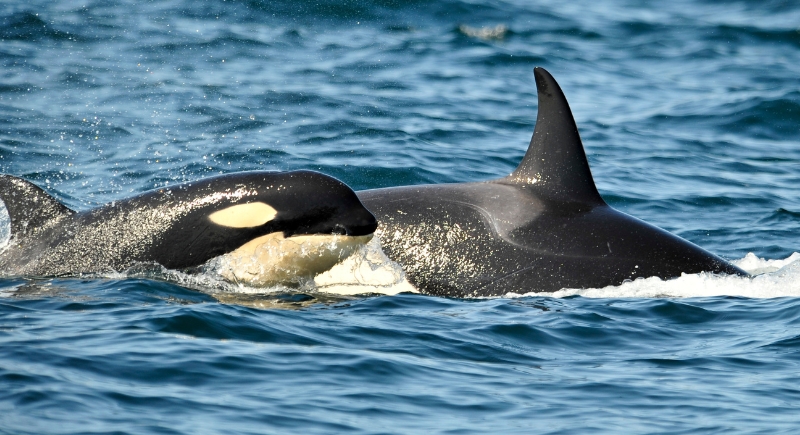
Off the Pacific Northwest coast, onlookers once watched a grieving mother push her dead calf to the surface again and again. Her pod matched her slower pace and stayed close while she carried the body for days. The steady escort showed how tightly these whales hold together during emotional upheaval at sea.
Giraffes Holding Quiet Vigils
Credit: Getty Images
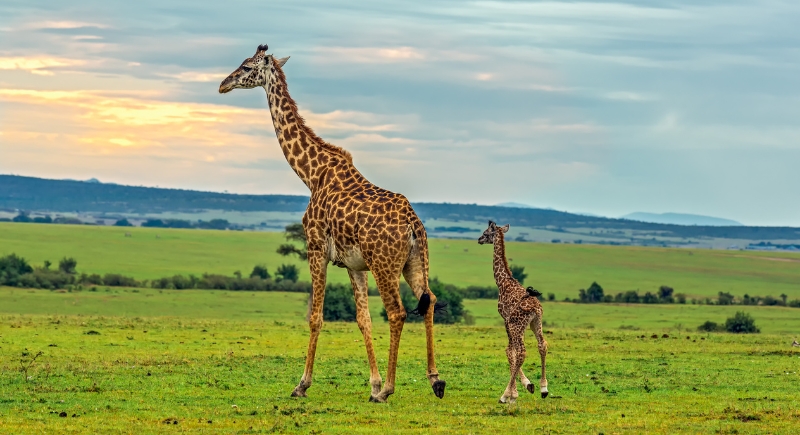
Field sightings in Zambia and other regions of Africa reveal moments when a giraffe mother lingers near a calf that didn’t survive. She may nudge the body, sniff it, or stand before stepping away and returning again later. Nearby giraffes sometimes pause as well, offering brief attention before continuing with the herd.
Chimpanzees Caring For The Dead
Credit: Canva
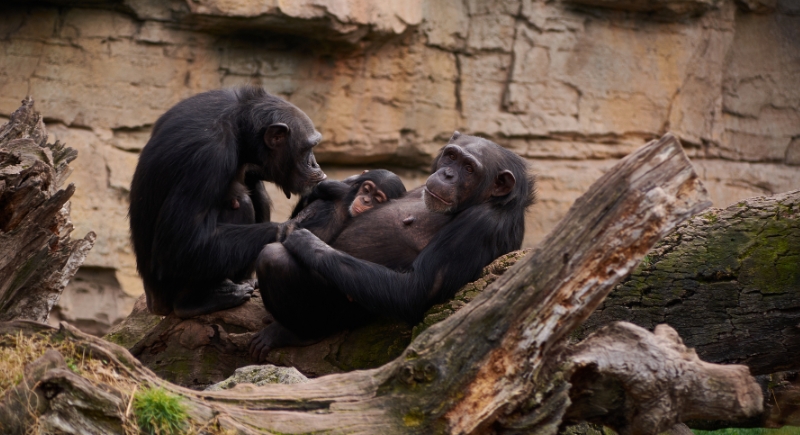
Across several field sites, chimps react to loss in ways that feel strikingly intimate. A mother sometimes continues carrying her lifeless infant or sets the body on a familiar resting spot. Others sit nearby in calm, watchful silence. In one recorded case, a female gently cleaned the teeth of her adopted son after his death, a gesture that has stayed with researchers ever since.
Baboons Showing Stress After Loss
Credit: Getty Images
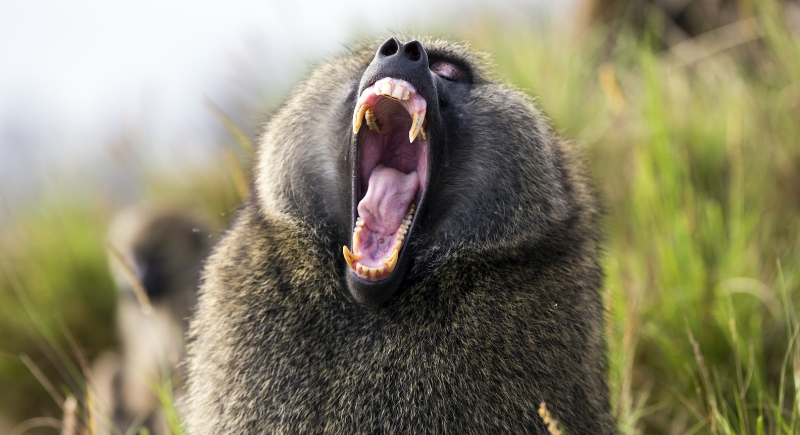
A death inside a troop can ripple through the social hierarchy. Mothers carrying dead infants sometimes keep them close for days, while other group members linger nearby with unusual tolerance. Researchers measuring stress hormones found spikes during these periods. Even adults who rarely interacted before may seek contact.
Gorillas Gathering Around a Body
Credit: Getty Images
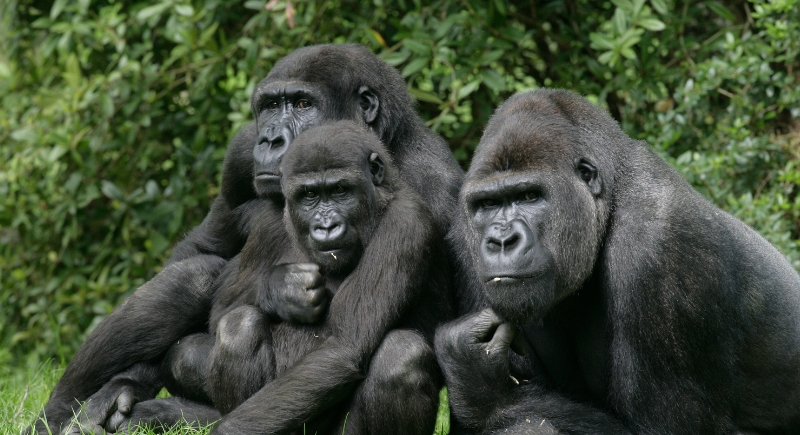
When a gorilla dies, the group often shifts into a slow, deliberate calm. Some move close and trace the face or hands with light touches. Others settle nearby, holding a short vigil before drifting back into the forest. These moments appear in sanctuaries and in the wild, hinting at a shared pause before life resumes its usual rhythm.
Dolphins Escorting the Dead

Credit: Getty Images
Open water can turn into a long procession when a dolphin mother loses her calf. She keeps the body balanced near the surface, nudging it upward again and again while the pod adjusts its speed around her. Researchers have followed these somber swims across miles of ocean, watching her hold on until she’s finally ready to let go.
Gray Langur Mothers Grieving Their Infants
Credit: Getty Images
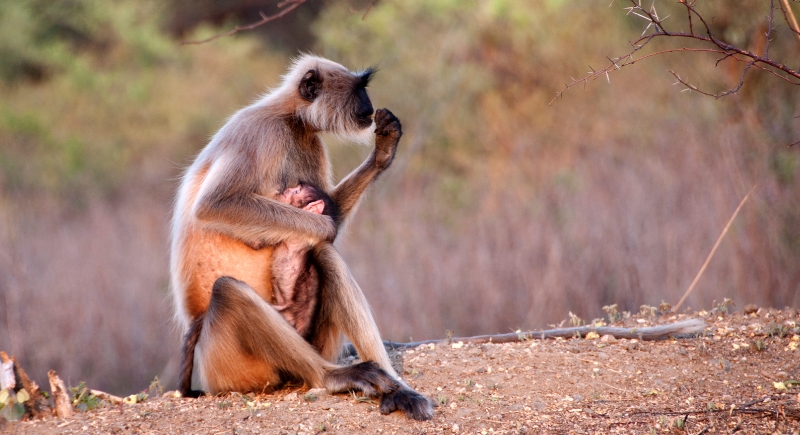
Rescue teams have seen gray langur mothers react intensely after losing an infant. One mother cried out, avoided her group, and ignored food even after being brought to safety. Her slow movements and withdrawn behavior showed how strongly these monkeys bond with their young and how deeply a sudden loss can affect them.
Crows Sounding the Alarm
Credit: Canva
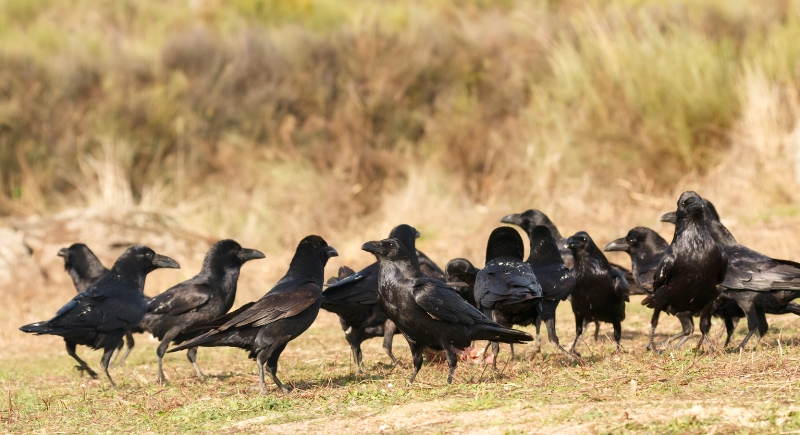
When crows encounter a dead flockmate, the reaction doesn’t lean towards quiet reflection. They call loudly, attract other birds, and study the area with focused attention. Experiments by researcher Kaeli Swift showed that these gatherings act more like crime-scene investigations than funerals. The crowd’s behavior helps the flock identify threats in the environment.
Dogs Responding to Human Grief
Credit: SeventyFour
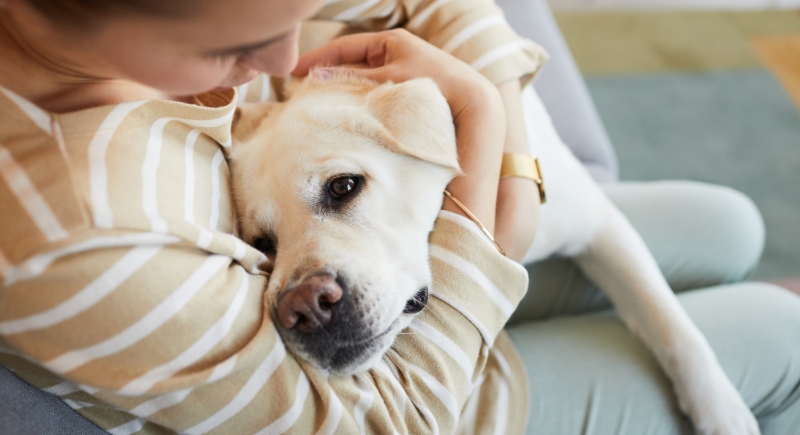
Dog owners often notice changes after a companion dies. Some dogs roam familiar spots as if checking for someone who should be there. Others become clingier, restless, or uninterested in meals. These shifts tend to mirror the atmosphere in the household, reflecting how deeply dogs read and respond to the people around them.