These Animal Stories From 2025 Will Instantly Restore Faith in Humanity
Most animal stories that make headlines are either funny or heartwarming, but the ones that stood out in 2025 were different. They came from field researchers, drone footage, and surprise lab results, which revealed behavior that was more thoughtful or social than expected.
These stories shifted how people think about animal intelligence.
Cockatoos Opened Public Fountains on Their Own
Credit: Youtube
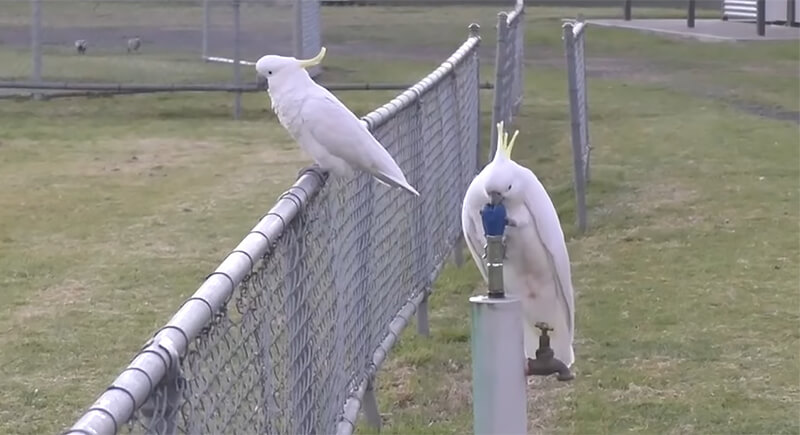
Sulfur-crested cockatoos in Sydney figured out how to operate public drinking fountains on their own. They used one foot to brace the basin, and the other to twist the handle. They even waited for their turn and formed a makeshift queue. This showed that these parrots can adapt their behavior to new urban settings.
Rescue Team Broke Tank Wall to Save Trapped Elephant
Credit: iStockphoto
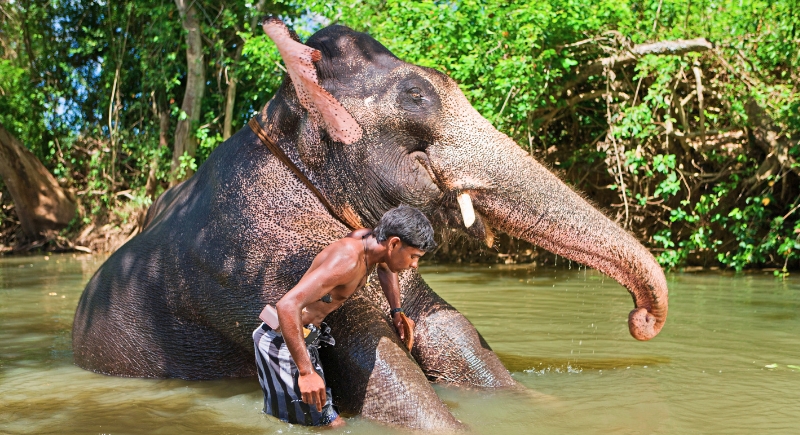
In Tamil Nadu’s Nilgiris district, a female elephant became trapped inside a water tank near a tribal village in Coonoor. Forest officials responded immediately. By working manually, they broke the tank structure and created an earthen ramp. The elephant climbed out safely and re-entered the forest without injury. The operation received national praise.
Narwhals Tapped Fish With Tusks Before Eating
Credit: Youtube
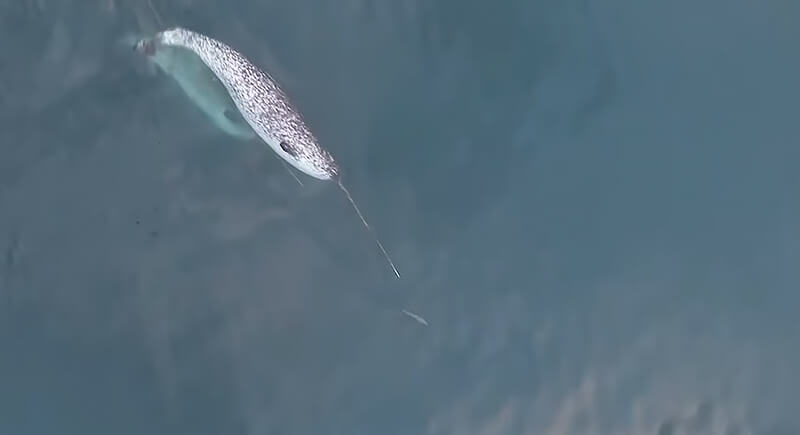
Drone footage over Arctic waters showed narwhals touching char with their tusks, not attacking right away. Some flipped their prey, others nudged them gently. Researchers believe these tusks have more to do with social interaction than with hunting.
Hybrid Jay Emerged from Colliding Bird Ranges
Credit: University of Texas at Austin
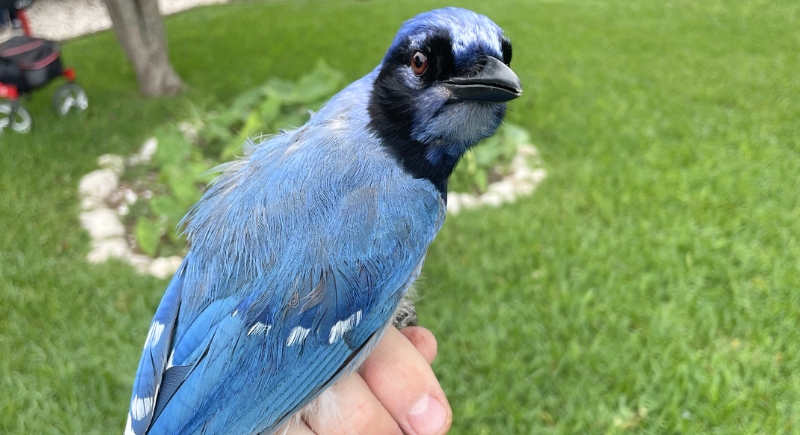
A rare bird observed in Texas combined physical traits of the green jay and blue jay. Genetic divergence between the two species dates back over 7 million years. Their newly overlapping ranges likely enabled the hybrid. The bird’s appearance and vocalizations displayed characteristics from both parental species.
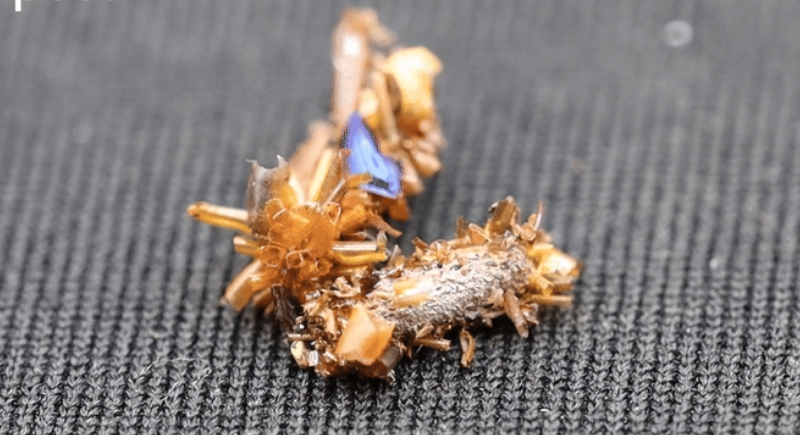
Caterpillar Built Camouflage from Dead Insects
Credit: Scientific American
One caterpillar built its camouflage from spider leftovers. It gathered wings and limbs of insects caught in webs, sticking them together to make a protective case. Not only did this mobile disguise help it avoid detection, but it also blocked scent trails. This offered a double layer of defense while scavenging under predators’ noses.
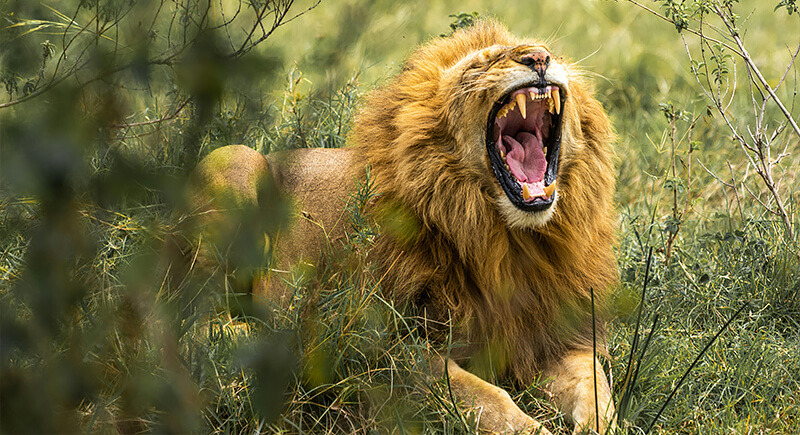
Lions’ Hidden Roar Discovered Using AI
Credit: pexels
Researchers sifting through audio recordings using AI found something that didn’t fit the usual lion sound catalog. It wasn’t a full roar, but not a grunt either. This “in-between” vocalization may have been overlooked for years.
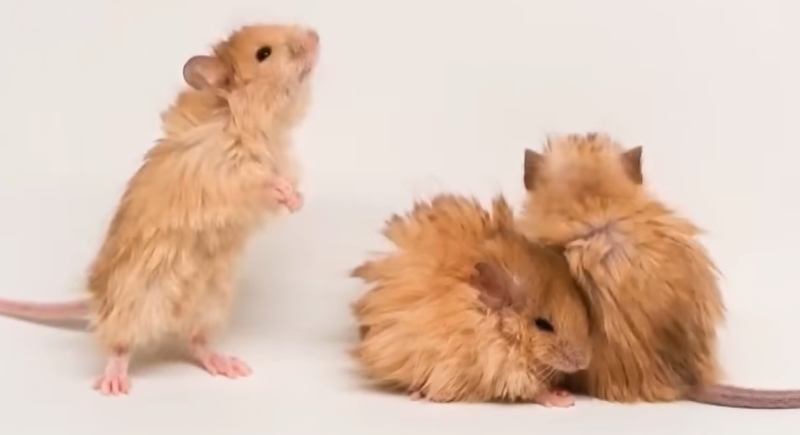
Scientists Engineered Mice With Mammoth-Like Traits
Credit: Youtube
Scientists at Colossal Bioscience tweaked seven genes in mice to reflect woolly mammoth traits. The modified mice had thicker fur and responded better to cold. These results support broader work on rewilding extinct traits, although questions remain about what this technology might eventually be used for beyond the laboratory.
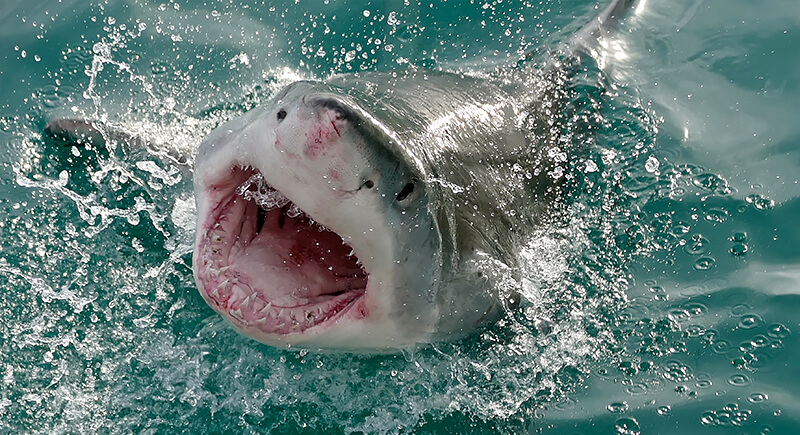
Shark Teeth Noises Recorded for the First Time
Credit: Wikimedia Commons
For the first time, marine biologists confirmed that rig sharks create clicking noises underwater by clashing their wide teeth together. Usually, those teeth help crush crustaceans. However, in this case, the clicks may serve a new sensory or social function.
Lace Weaver Spider Kills Using Toxic Regurgitation
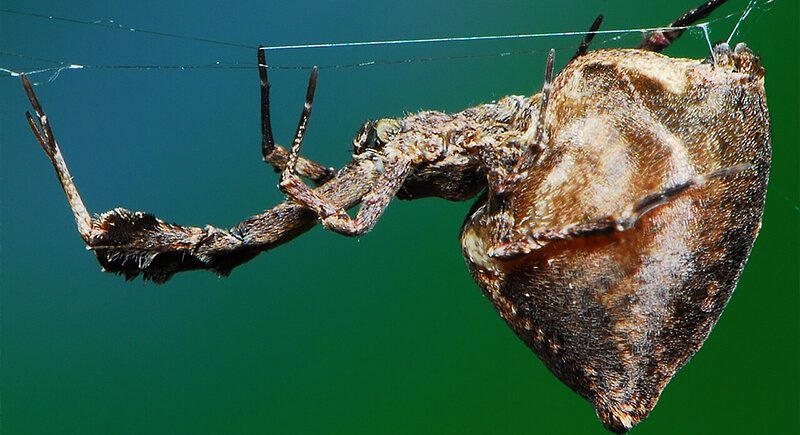
Credit: Wikipedia
A research team has found that the feather-legged lace weaver spider subdues prey by wrapping it in silk and then releasing digestive fluid from its gut onto the immobilized insect. Unlike spiders that inject venom, this species digests externally. Its method is just as lethal and showcases an alternative evolutionary approach to predation among spiders.
Rehabilitated Vulture Flew Over 15,000 Kilometers Post-Release
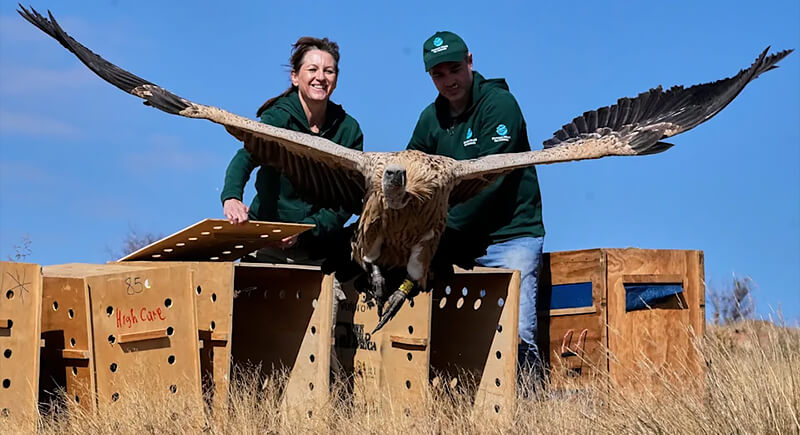
Credit: AP
A Eurasian Griffon vulture, injured and rescued from Satna in Madhya Pradesh, completed a remarkable post-rehabilitation journey after release. Tracked via satellite, it flew through Pakistan, Afghanistan, and Kyrgyzstan before returning to India. Its survival reflects ongoing efforts to reverse vulture population declines caused by toxic veterinary drugs.