9 Animals That Are Born Alone and Never Meet Their Mother
We often assume every baby animal grows up with its mother nearby. In reality, that is not always how nature works. For some species, the connection ends at birth or even before. The mother moves on, and the newborn survives on instinct alone. It may feel unusual from a human point of view, but for these animals, this is completely normal and part of how their species has always survived.
Sea Turtle
Credit: Wikimedia Commons
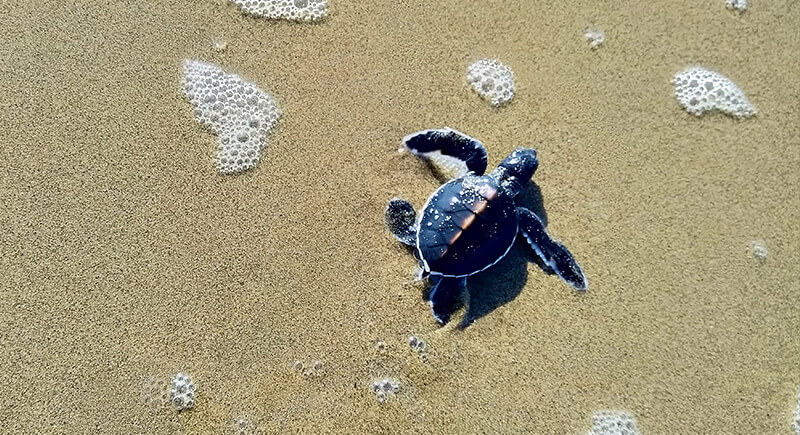
A female sea turtle comes ashore at night, digs a nest in the sand, lays dozens of eggs, and covers them before returning to the ocean. She does not stay. The eggs develop using the sun’s warmth, and the sand’s temperature helps determine whether the hatchlings are male or female. Weeks later, the hatchlings break out of the sand and move toward the brightest horizon, often the moon’s reflection on the water. Many are taken by predators on the beach and in the sea, and survival rates can drop below 1%. The mother does not return after laying the eggs.
Scorpion
Credit: Wikimedia Commons
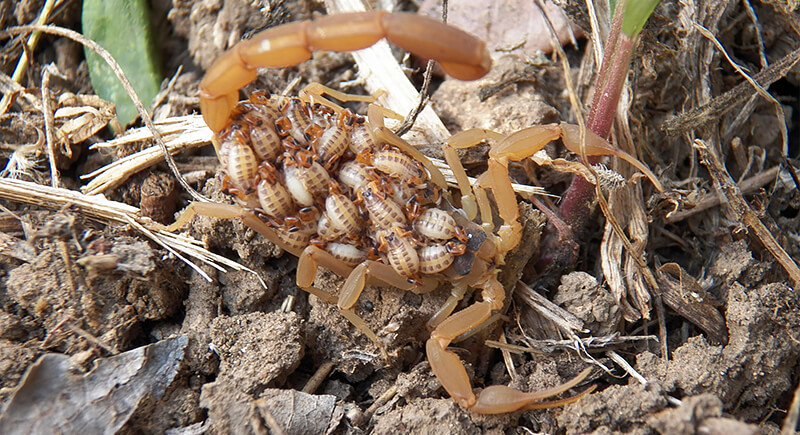
Scorpions give birth to live young instead of laying eggs. The newborns climb onto their mother’s back within minutes and cling there until their first molt. During that stage, she protects them and carries them everywhere. If food becomes scarce, cannibalism can occur, and the young may consume weaker siblings. After the first molt, they climb down and disperse on their own. That first shed skin marks the end of family life.
Octopus
Credit: Wikimedia Commons
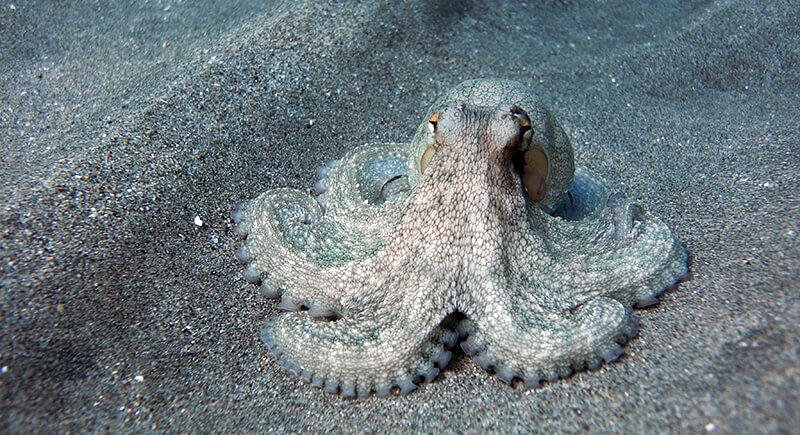
A female octopus lays thousands of eggs inside a rocky crevice and stays there to protect them. She keeps water moving over the eggs to prevent fungus and removes debris so they can develop safely. During this time, she stops hunting and grows weaker. By the time the eggs hatch, she is usually too exhausted to survive. The young octopuses drift away into open water on their own, with no contact or care from their mother.
Megapodes
Credit: Wikimedia Commons
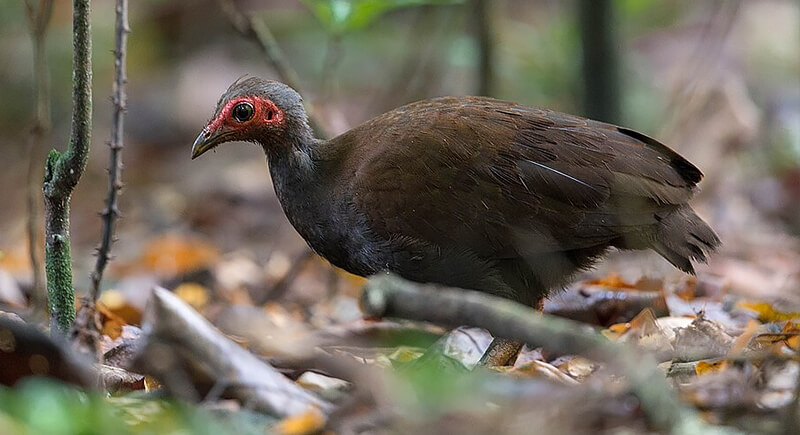
Most birds keep their eggs warm by sitting on them. Megapodes use a different method. They build large mounds of soil and rotting vegetation, sometimes as big as a small car. The heat from decomposition incubates the eggs. The parents adjust the mound by adding or removing material to keep the temperature steady, but they do not brood the eggs. When the chicks hatch, they dig their way up through sand and debris on their own. Within a day, they can run and even manage short flights. They start life fully independent.
Salmon
Credit: Wikimedia Commons
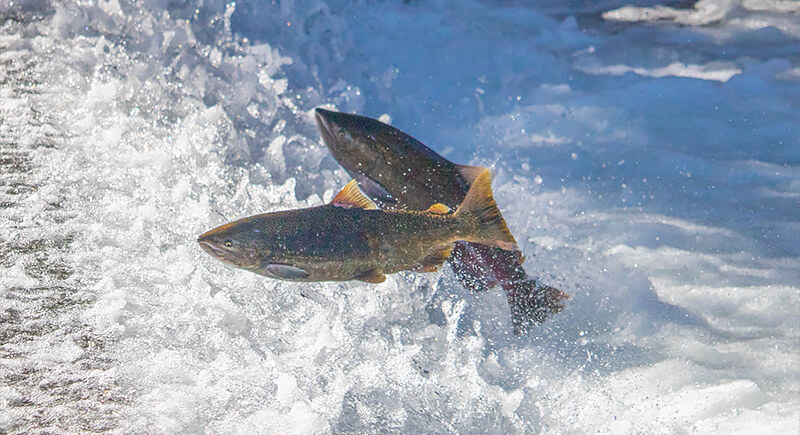
Female salmon, driven by instinct, leave the ocean and swim upstream to the rivers where they were born. They carve shallow nests, called redds, into gravel and lay their eggs. Many species are semelparous, meaning they reproduce once and die shortly after spawning. The eggs develop in freshwater currents without parental protection. When the fry hatch, they rely entirely on instinct to navigate downstream months later. The cycle resets without ever including a reunion.
Cuckoo Bird
Credit: Wikimedia Commons
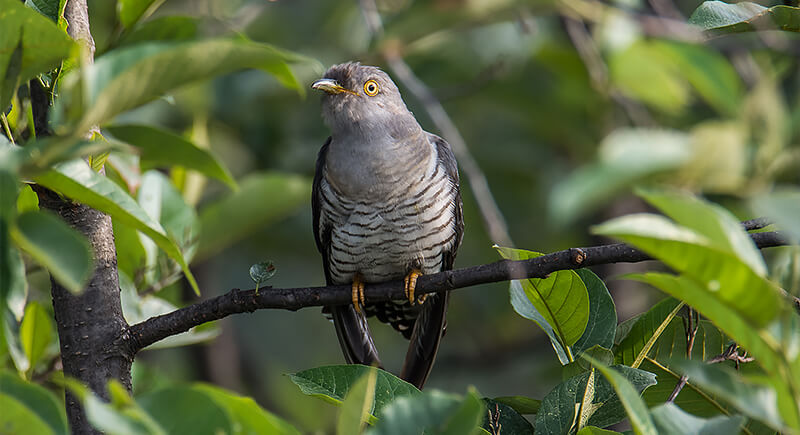
A female cuckoo lays her egg in another bird’s nest and leaves. The host bird incubates the egg and later feeds the chick as its own. In many cases, the cuckoo hatchling pushes the other eggs or chicks out of the nest soon after hatching. The foster parents continue raising it without recognizing the difference, and the biological mother never returns.
Labord’s Chameleon
Credit: Wikimedia Commons
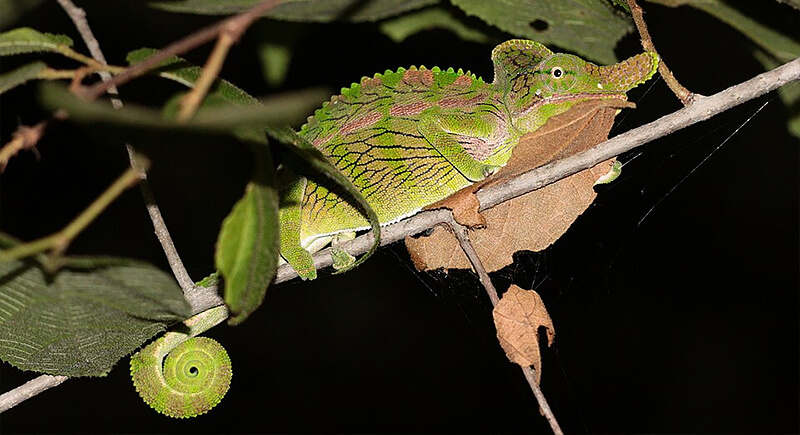
Labord’s chameleon in southwest Madagascar has one of the shortest adult lifespans among vertebrates, often only a few months. Adults lay eggs before the dry season, and those eggs incubate for eight to nine months. By the time the rains return and the young hatch, the previous generation will already be dead. Entire populations can consist only of juveniles for part of the year, so they grow up in a world without adults to copy.
Western Fence Lizard
Credit: Wikimedia Commons
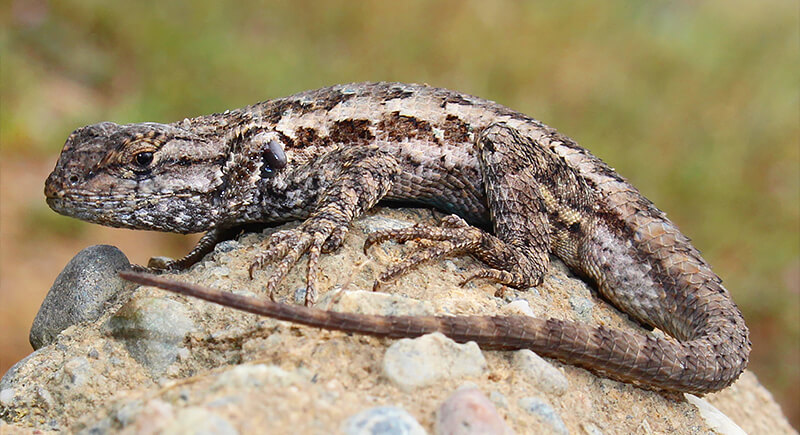
In dry habitats, western fence lizards dig shallow nests and deposit their eggs underground. After covering them with soil, the female leaves permanently. The embryos develop in response to environmental warmth rather than body heat. Producing multiple eggs increases the chance that at least a few will survive predators and harsh weather. When hatchlings emerge, they are fully independent from the first breath. Care was never part of the equation.
Butterfly
Credit: Wikimedia Commons
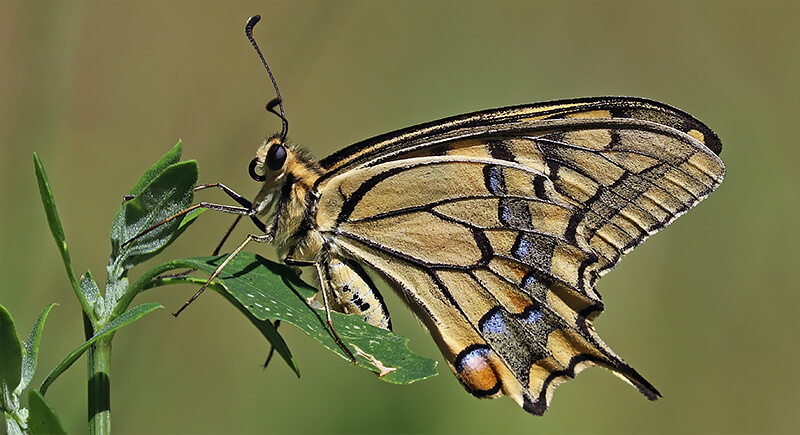
Caterpillars will eat the leaves immediately after hatching, so butterflies have to choose host plants carefully because. She deposits eggs and then flies off for good. Chemical compounds in the plant can provide built-in defenses for the larvae. Camouflage patterns help caterpillars resemble twigs or leaves. Survival depends entirely on smart placement. The mother’s only contribution was location.
Moth
Credit: Wikimedia Commons
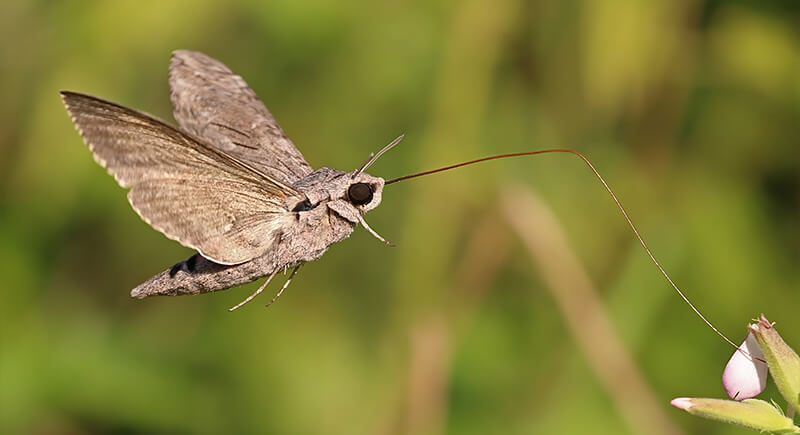
Many moths lay their eggs on specific plants that the future caterpillars will need for food. Once the eggs are laid, the mother leaves. Some caterpillars produce silk threads that help them hang safely if they fall. Others use chemical signals that allow them to live unnoticed inside ant colonies. Survival depends on built-in traits and timing, not on parental care.