The Saddest Ways Animals Cause Their Own Deaths
Animals do not plan their own deaths, yet some of the ways they die feel painfully self-inflicted. Researchers who have reviewed more than 1,000 studies over 40 years report no evidence that wild animals knowingly attempt suicide. Still, stress, instinct, infection, and social bonds can push behavior toward fatal outcomes. The result can look intentional even when it is not. Here are ten of the saddest examples drawn from documented cases and ecological research.
Captivity-Driven Self-Injury
Credit: Wikimedia Commons
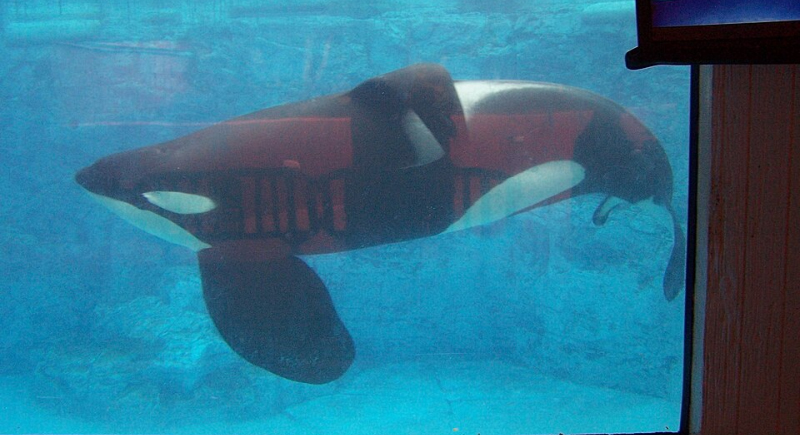
In a widely shared SeaWorld video, a captive orca repeatedly rammed her body against a tank wall for nearly 10 minutes. Early reports called it suicide. Marine biologists later attributed the deaths to stress from captivity. Orcas in the wild travel up to 100 miles a day. Tanks represent a tiny fraction of that range. Captive individuals often grind their teeth and scrape against concrete, which is often linked to chronic stress.
Grief-Induced Starvation

Credit: Getty Images
When an owner dies, some pets stop eating. Historical records describe dogs and cats refusing food until they wasted away. Behavioral experts attribute this to attachment disruption. Animals accustomed to a specific caregiver sometimes reject food from unfamiliar hands. The refusal can persist long enough to cause fatal malnutrition. The trigger is social loss. The outcome can be death.
Overcrowding-Driven Migration Fatalities
Credit: Getty Images
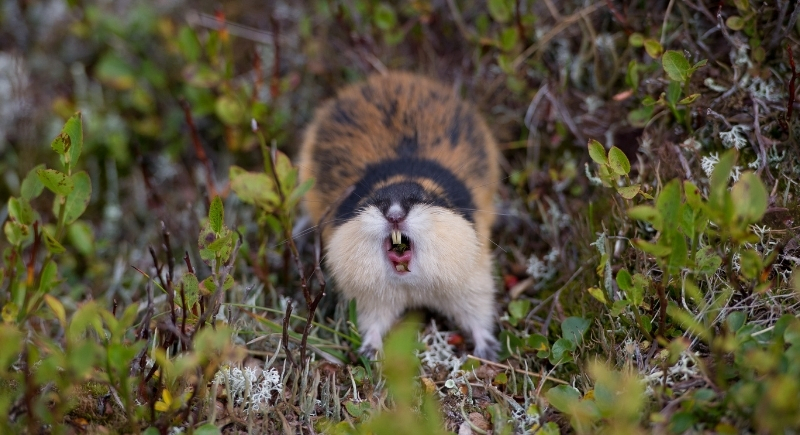
The image of lemmings marching off cliffs became a pop culture legend decades ago. Field research tells a different story. During population booms, lemmings migrate in dense groups in search of new habitat. Some fall from steep terrain or drown while crossing rivers. These mass deaths follow overcrowding and movement patterns.
Pod Loyalty Beaching Deaths
Credit: iStockphoto
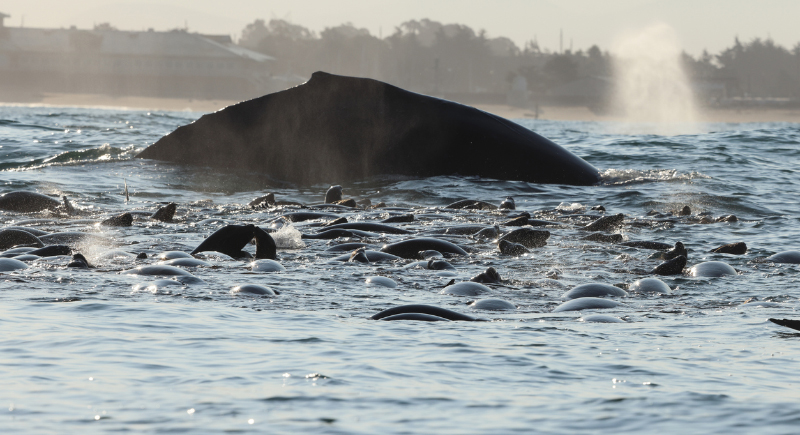
When dozens of whales strand on a beach, headlines often use the word suicide. Marine scientists propose the sick leader hypothesis. A sick or disoriented whale may enter shallow water. Highly social pod members follow. Once beached, their body weight compresses internal organs. Dehydration and overheating set in quickly. Social bonding, which usually protects them, can become fatal.
Reproductive Strategy Infanticide
Credit: Getty Images
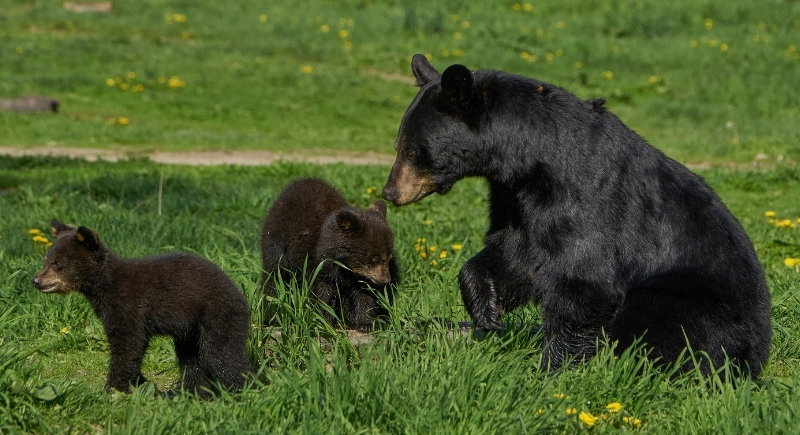
In American black bears, about 50% of cubs die before reaching adulthood. A significant cause is infanticide by adult males. Killing cubs reduces future competition and brings females back into estrus sooner. Wildlife studies document this pattern across bear populations. The cubs’ deaths stem from reproductive strategy. Survival in the wild often hinges on brutal dynamics.
High-Mortality Hatchling Vulnerability
Credit: Getty Images
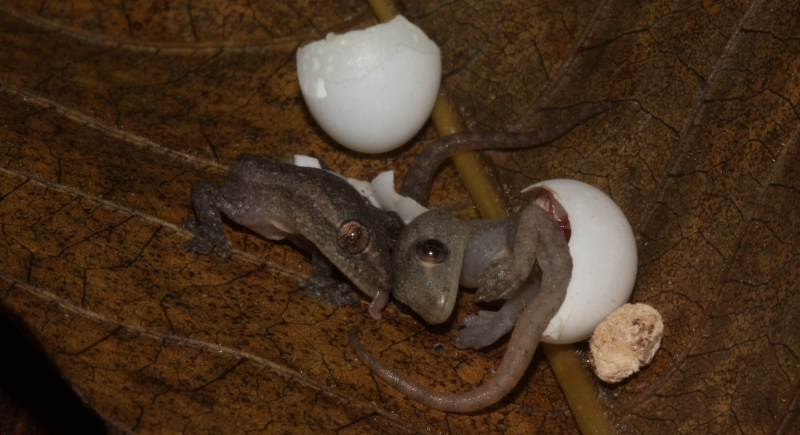
For many reptiles, danger begins the moment they hatch. More than 95% of documented juvenile deaths are linked to predation, and hatchlings are about twice as likely as adults to be eaten. Their small size limits both speed and defense, leaving them exposed in their earliest days. That’s why many species lay large clutches. High mortality is expected, so survival often comes down to numbers.
Disease-And-Conflict Mortality
Credit: pexels
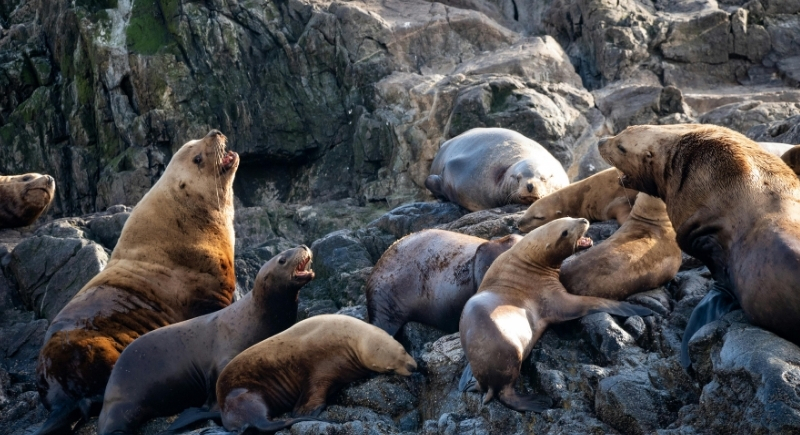
Among New Zealand sea lions, research shows 18% of adult deaths are linked to tuberculosis. Another 24% result from attacks by other sea lions. Disease weakens the immune system over time. Territorial disputes and breeding conflicts escalate into violence. Illness and aggression both arise within the species’ normal biology. The risks are built into daily life.
Parasite-Manipulated Predation
Credit: Getty Images
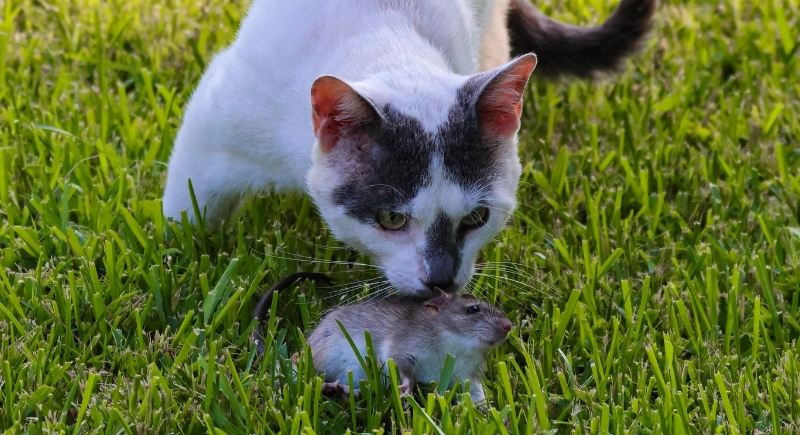
Toxoplasma gondii rewires mouse behavior in a measurable way. Infected mice lose their innate fear of cat urine. The parasite reproduces in a cat’s intestine after the mouse is eaten. Laboratory studies confirm that infected rodents approach areas they would normally avoid. The shift increases predation rates. The mouse’s fatal choice serves the parasite’s life cycle.
Fungus-Controlled Fatal Climb
Credit: Getty Images
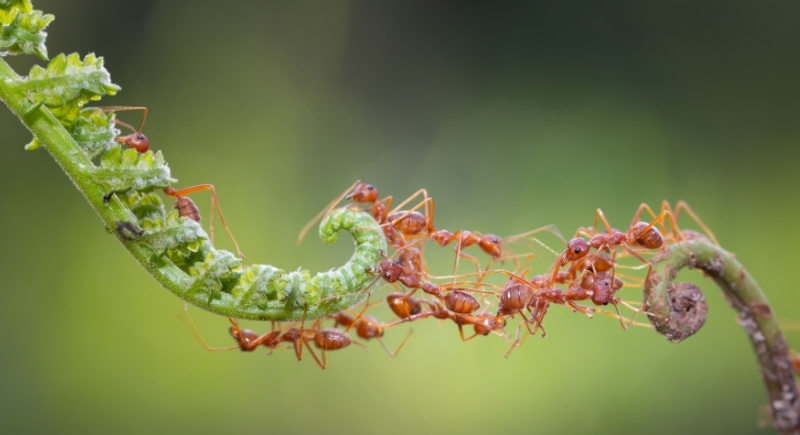
The fungus Ophiocordyceps unilateralis invades an ant’s body and alters its movement. Infected ants climb vegetation and clamp onto leaves at specific heights. On top of that, the fungus consumes the ant from the inside and later releases spores from the corpse. The elevated position improves fungal spread.
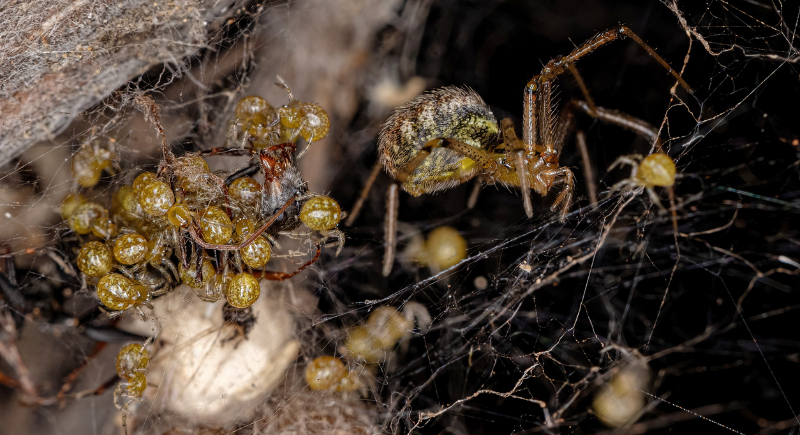
Self-Sacrificial Maternal Feeding
Credit: iStockphoto
In certain spider species, mothers provide their bodies as the first meal for their offspring. This behavior, called matriphagy, boosts the survival rates of spiderlings. The nutrients support early growth when hunting skills are undeveloped. The mother dies as a direct result. Evolution favors the strategy because it increases the odds of the next generation.