These Animals Literally Drove Themselves to Extinction
Evolution usually helps a species survive. But sometimes, a trait that once made perfect sense ends up causing real trouble. Some animals adapted so well to their original environments that when conditions changed, they simply could not adjust.
A few birds stopped fearing predators because they had none. Some deer evolved antlers so massive that they became a burden. In each case, what once worked beautifully eventually turned into a serious disadvantage.
European Stag Beetle
Credit: Aflo Images
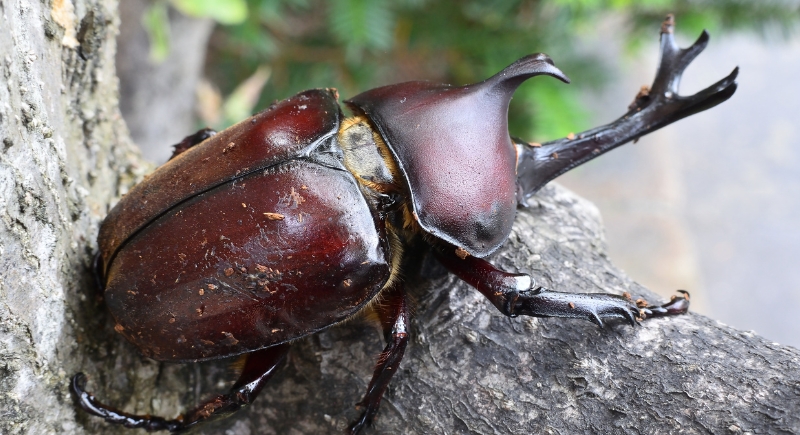
The male European stag beetle is known for its huge, antler-like jaws. They help in battles with rivals but do little else. The mandibles do not help with feeding and offer limited protection. Their size adds weight, makes flying harder, and drains energy. For an insect that lives only a few weeks, that extra burden can be costly.
The Dodo Bird
Credit: Getty Images
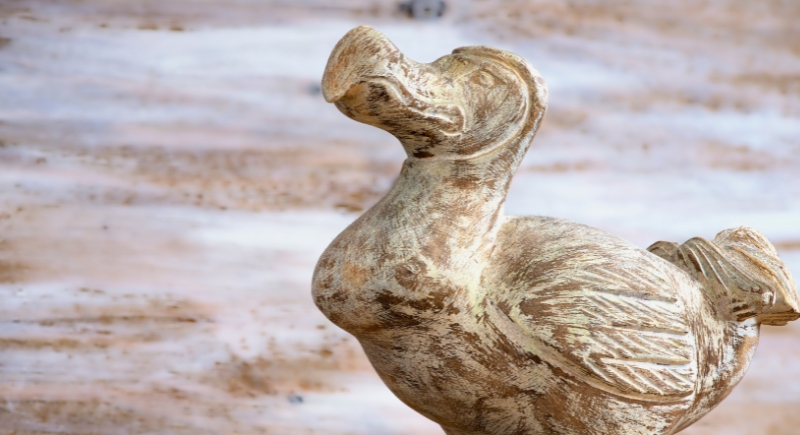
The Dodo lived for thousands of years on Mauritius without natural predators. Over time, it lost the ability to fly and stopped fearing danger. When Dutch sailors arrived in the 1600s, the birds approached them without hesitation. Hunting, along with invasive pigs that destroyed their ground nests, wiped the species out in less than a century.
The Kakapo Parrot
Credit: Getty Images
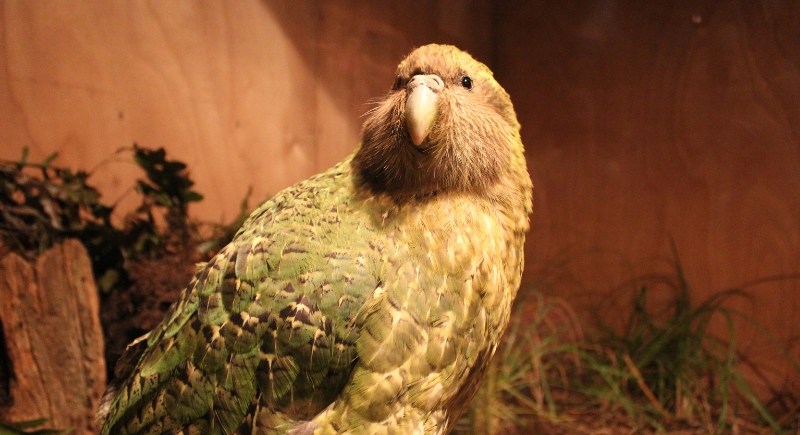
New Zealand’s flightless green parrot has a defense mechanism that works against hawks but fails miserably against cats. When it feels threatened, this heavy bird freezes still, hoping that its moss-colored feathers will provide enough camouflage to hide in plain sight. While this trick fooled prehistoric eagles, it made the birds sitting ducks for animals that hunt by scent. Today, only a few hundred remain on strictly managed offshore islands.
The Giant Panda
Credit: Getty Images
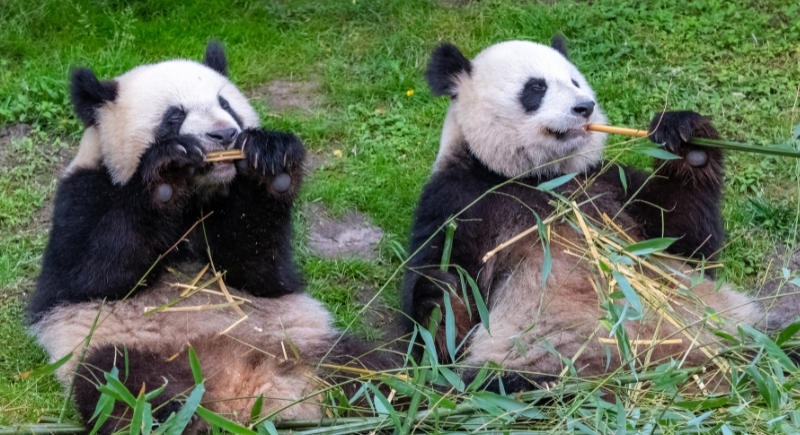
The Giant panda has the digestive system of a carnivore but lives almost entirely on bamboo. It spends up to sixteen hours a day eating because bamboo offers limited usable energy. Pandas absorb only a fraction of what they consume, which limits stamina and reproduction. Their survival depends heavily on the steady availability of this single plant.
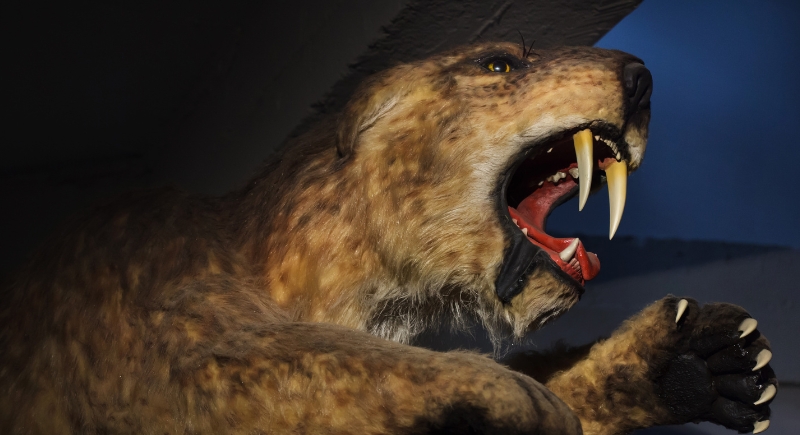
The Saber-Toothed Cat
Credit: Getty Images
Huge canine teeth made the Smilodon a terrifying predator, yet those same fangs likely contributed to its disappearance. These eight-inch sabers were surprisingly brittle and could easily snap if they hit a bone during a struggle. As the massive, slow-moving herbivores, they went extinct because these specialized cats couldn’t adapt their clumsy weaponry to catch smaller, faster prey. Their iconic look eventually became a heavy biological burden.
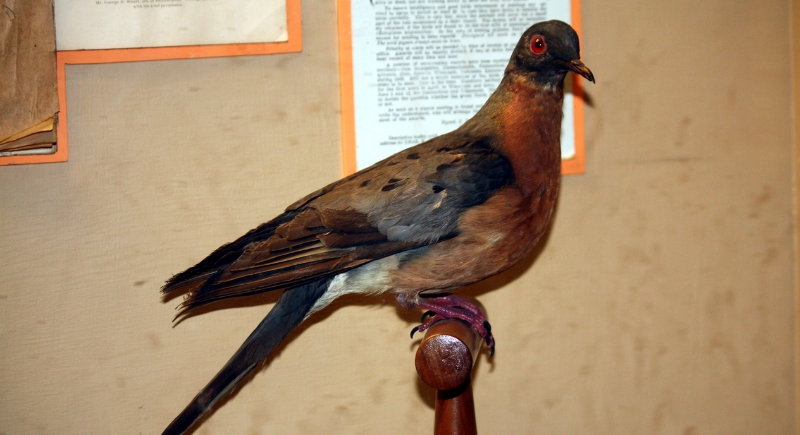
The Passenger Pigeon
Credit: Wikimedia Commons
Safety in numbers was the only strategy these birds knew. They once flew in flocks so dense they darkened the American sky for days, relying on sheer volume to overwhelm predators. However, this social requirement meant they couldn’t breed effectively in small groups. Once humans thinned their numbers, the remaining pigeons lost their collective “spark” for reproduction. They were biologically incapable of surviving as a modest population, leading to a rapid, lonely collapse.
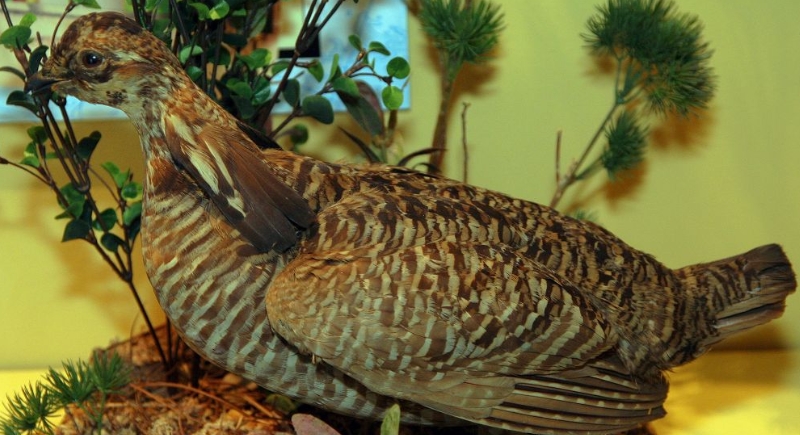
The Heath Hen
Credit: Wikimedia Commons
The Heath hen once lived along the eastern coast of North America. It returned to the same breeding grounds every year, even as fires and human expansion made those areas unsafe. That strong site loyalty left the birds exposed. A single disease outbreak or disaster could wipe out large numbers, and they struggled to relocate in time.
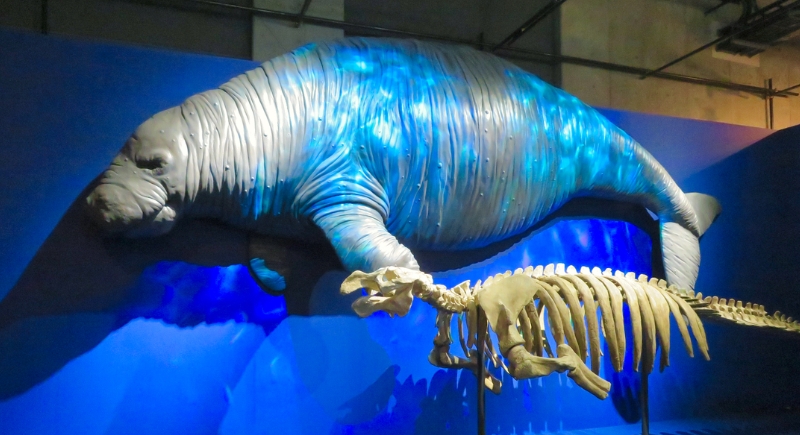
The Steller’s Sea Cow
Credit: Wikimedia Commons
Imagine a massive, slow-moving relative of the manatee that floated on the surface of the North Pacific like a cork. These gentle giants reached 30 feet in length but had no way to submerge or defend themselves. Because they were incredibly buoyant and lived in shallow waters near the shore, they were easy targets for any passing hunter. Their inability to dive or hide led to their extinction just 27 years after discovery.
The Great Auk
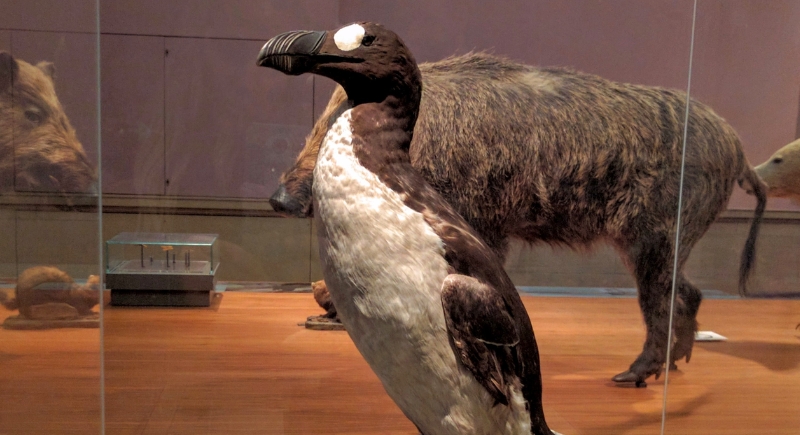
Credit: Wikimedia Commons
Often called the “original penguin” of the Northern Hemisphere, this bird was a master of the water but a klutz on land. It nested in massive, loud colonies on low-lying islands that were easily accessible to sailors. Because they couldn’t fly and had a predictable breeding schedule, hunters could walk onto the rocks and herd them onto ships. Their evolutionary commitment to flightless sea life made them defenseless against land-based exploitation.
The Carolina Parakeet
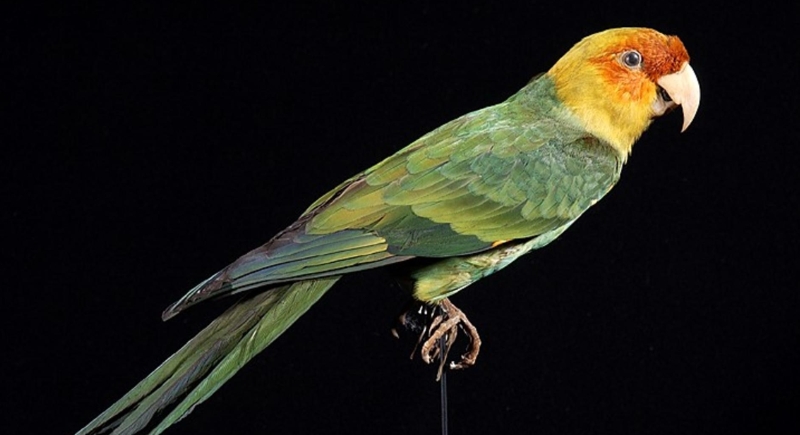
Credit: Wikimedia Commons
Farmers in the 1800s hated these colorful birds because they would descend on orchards and ruin crops in minutes. When a farmer shot one parrot, the rest of the flock wouldn’t fly away in fear. Instead, they would hover over their fallen comrade, screeching in distress. This “loyalty” allowed hunters to wipe out entire colonies with ease. Their social bond proved to be a fatal flaw in a world with guns.