Animals That Form Bonds So Strong Their Heart Rates Actually Drop Without Them
Animals form relationships for many reasons, but some go far beyond simple companionship. In a surprising number of species, a trusted partner can directly affect physical health. Researchers have found that heart rate, stress hormones, and recovery from stressful situations often improve when a familiar companion is nearby.
Scientists call this effect social buffering. A familiar companion helps reduce the body’s stress response, and in some species, the change is measurable through heart rate and stress hormones.
Cows
Credit: Getty Images
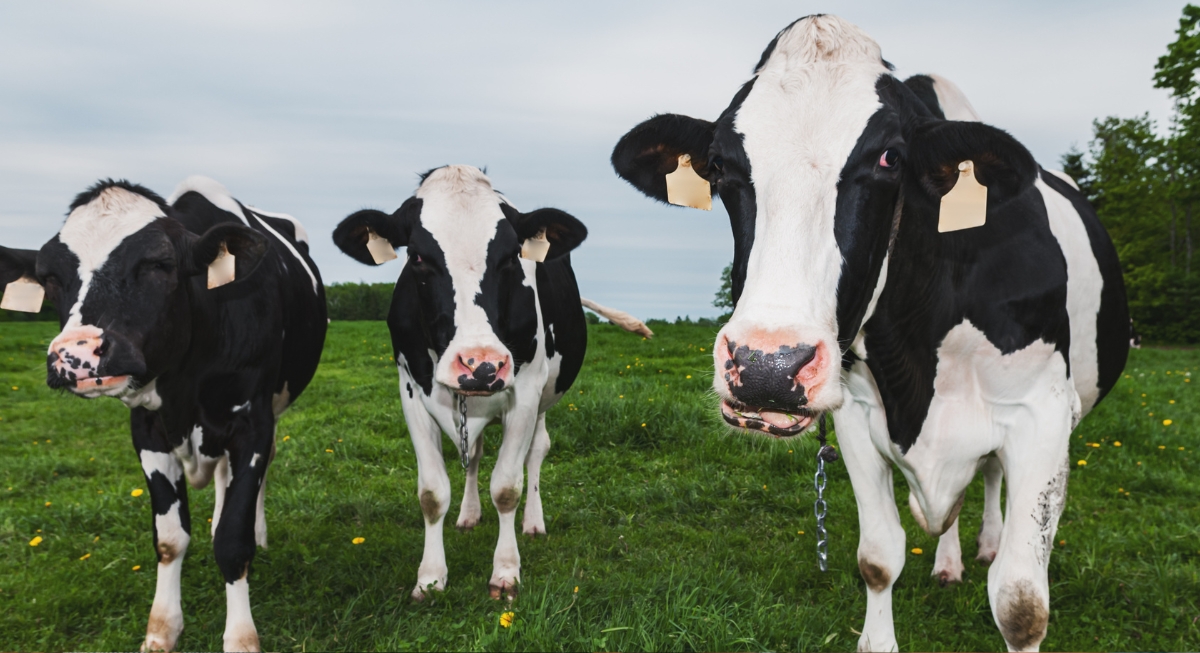
Research has shown that cows form preferred friendships within their herds rather than spending time equally with all members. In studies involving heifers, those placed with a familiar companion during stressful situations had lower heart rates and showed fewer signs of distress than those paired with an unfamiliar cow. The findings suggest that individual relationships, not just herd membership, can influence how cattle respond to stress.
Greylag Geese
Credit: Canva
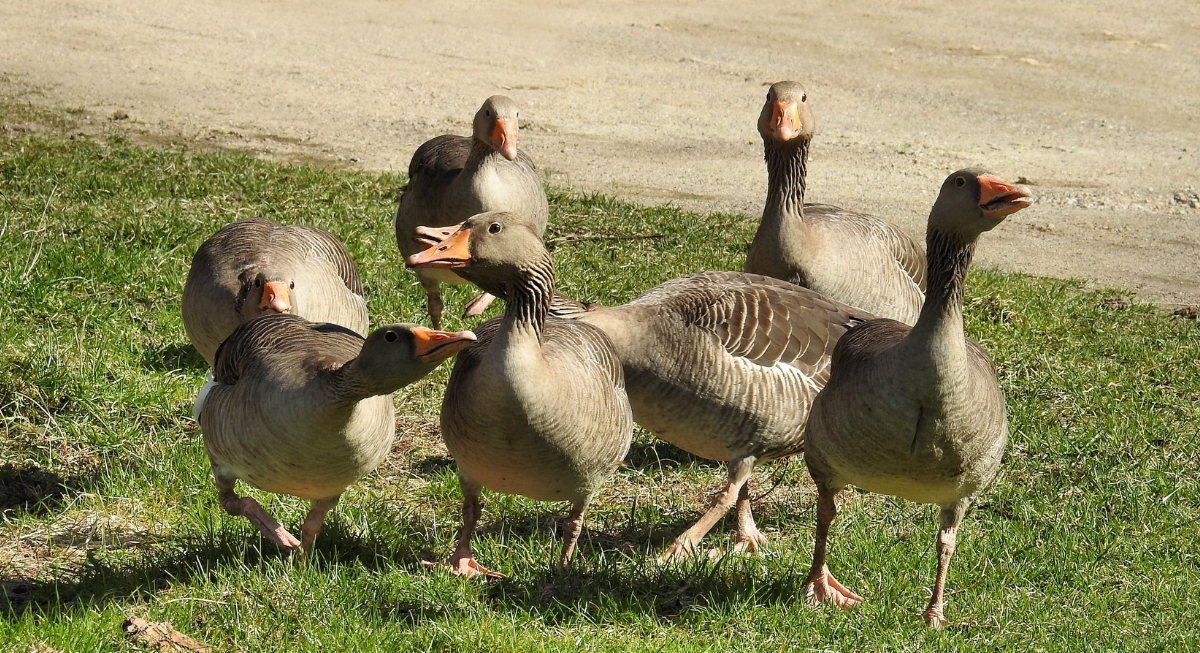
Greylag geese form long-term partnerships that extend beyond reproduction. Pairs migrate together, defend territory together, and cooperate while raising young. Research has also linked these bonds to stress regulation. During aggressive encounters, paired males often maintained lower heart rates than single birds facing similar situations. Females showed signs of increased stress when separated from their mates and became calmer after reuniting with them.
Horses
Credit: Getty Images
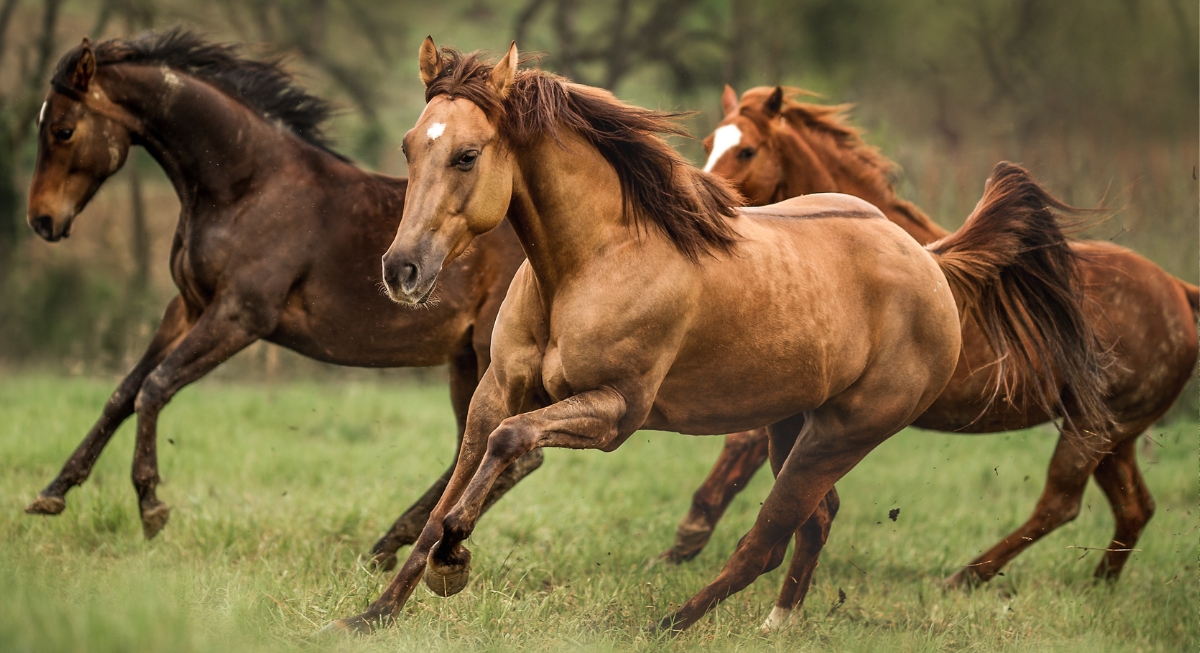
In tests involving potentially frightening situations, including the sudden appearance of unfamiliar objects, horses accompanied by another horse recovered from stress more quickly than those left alone. Anyone who has spent time around horses has probably noticed how closely they watch one another. A horse entering an unfamiliar setting often looks to nearby companions before deciding how to react. Scientists exploring that reliance did not see a dramatic difference across all scenarios, but the pattern reinforced a long-standing observation among horse handlers: confidence is often easier to find when a familiar companion is close by.
Lambs
Credit: Getty Images
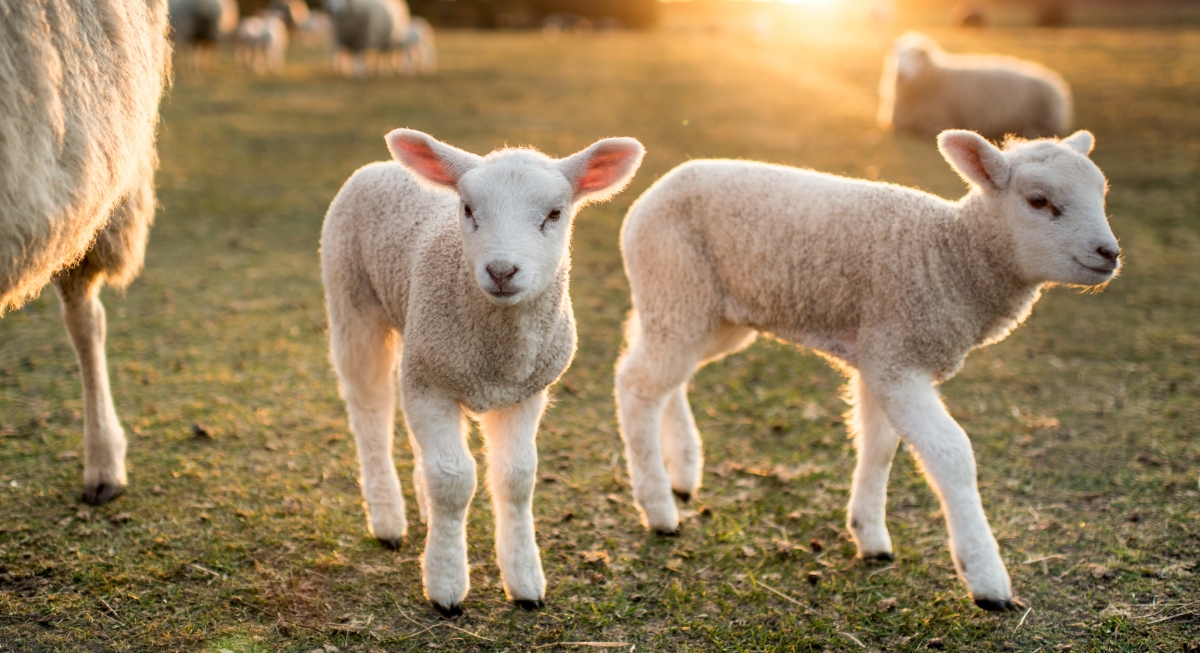
The strongest bond in a lamb’s early life is not with another sheep but with its caregiver. Lambs regularly handled by a human responded differently when placed in stressful situations. The effect was not tied to food or restraint. In the presence of a familiar person, their heart rates gradually declined, and their overall behavior became calmer. Animals that received gentle stroking showed physiological patterns associated with positive emotional states rather than fear. What makes these findings interesting is that they involve a relationship that spans species.
Dogs
Credit: pexels
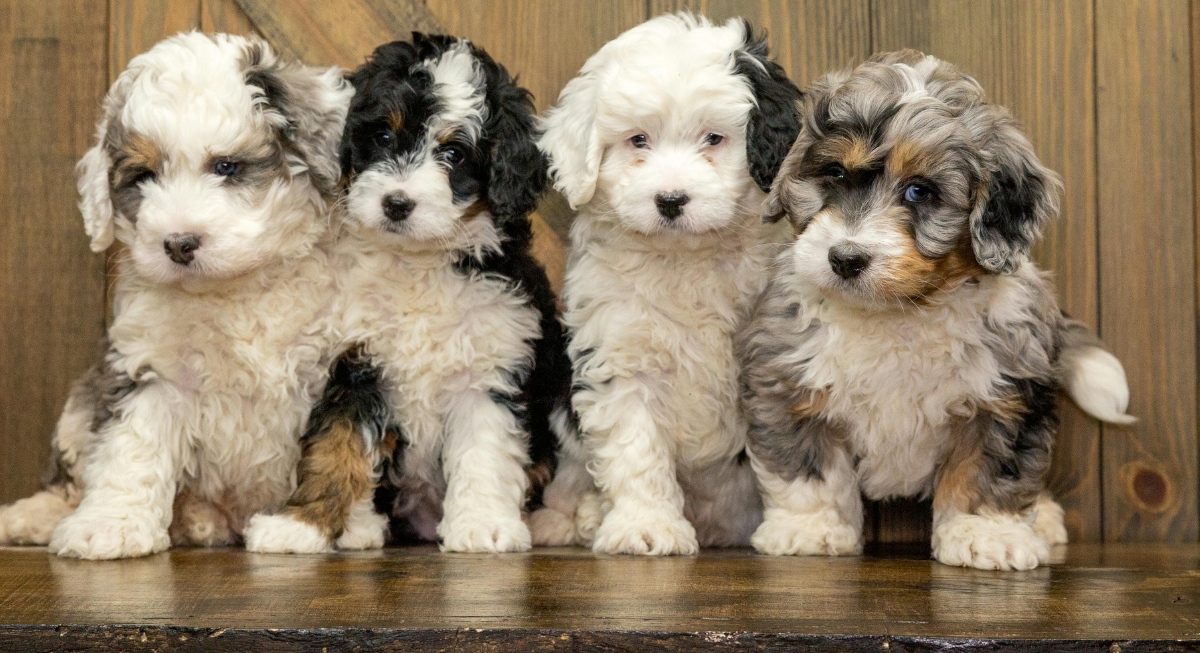
Studies have found that dogs often show lower stress levels during challenging situations when a familiar owner is nearby. Researchers consider this an example of social buffering, where a trusted companion helps reduce the body’s stress response. The effect is strongest in dogs with well-established bonds to their owners, suggesting that familiarity and trust can help them cope with uncertainty.
Goats
Credit: pexels
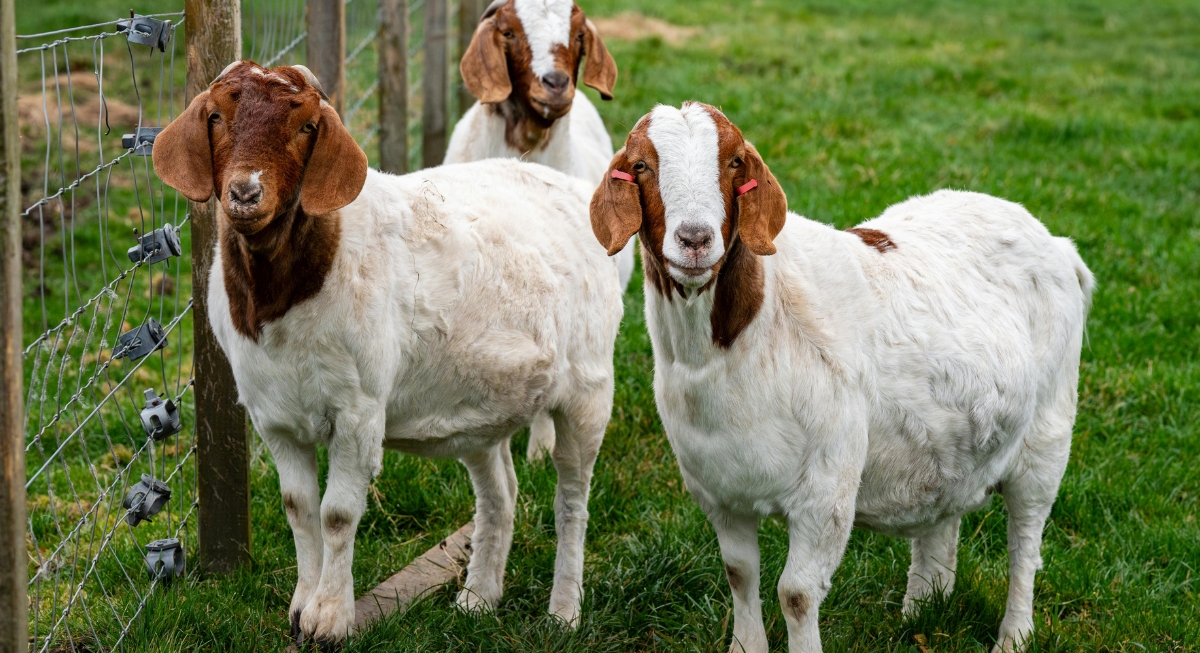
Goats are more socially complex than many people realize. In studies of stressful situations, some individuals became noticeably calmer when a familiar human was present. Not every goat responded the same way, however. Some appeared far more socially motivated than others. These differences highlight distinct personalities and social preferences, adding to evidence that goats form meaningful relationships and do not all react to people in the same manner.
Domestic Hens
Credit: Getty Images
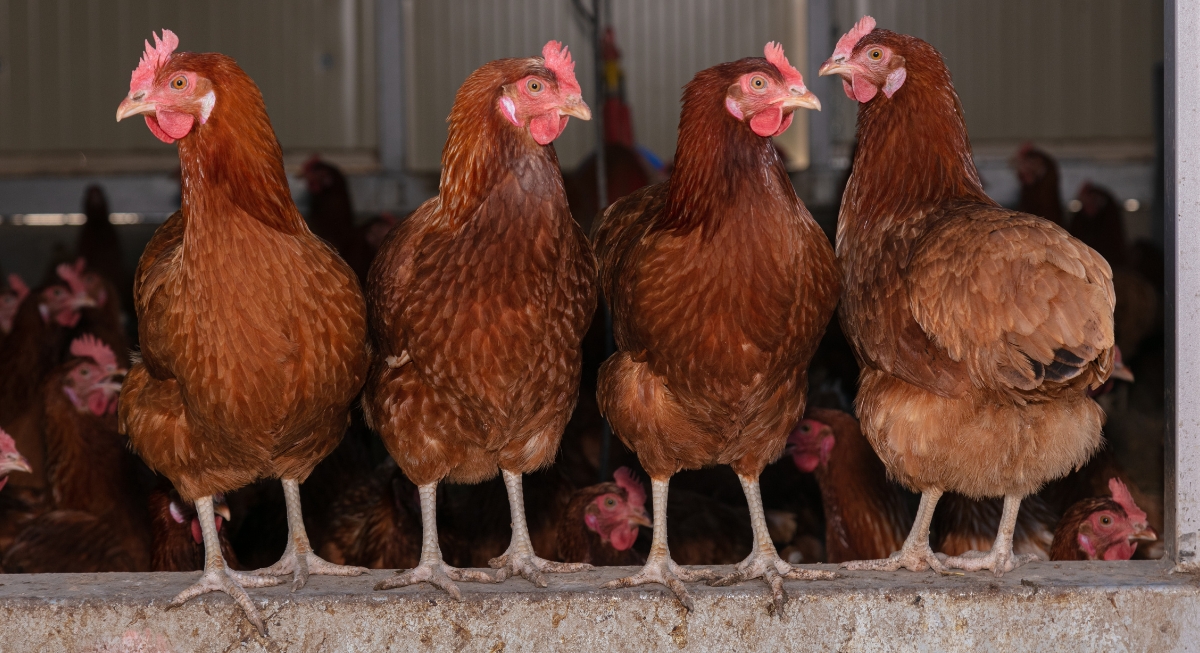
The relationship between a mother hen and her chicks is easy to overlook because it unfolds so quickly. Maternal presence can profoundly affect stress regulation in chicks by altering both behavior and physiological responses. It makes them calmer and better able to cope with certain challenges, even without the hen’s direct intervention. The findings helped extend the concept of social buffering beyond mammals and demonstrated that parental bonds can have measurable physiological benefits in birds as well.
Prairie Voles
Credit: pexels
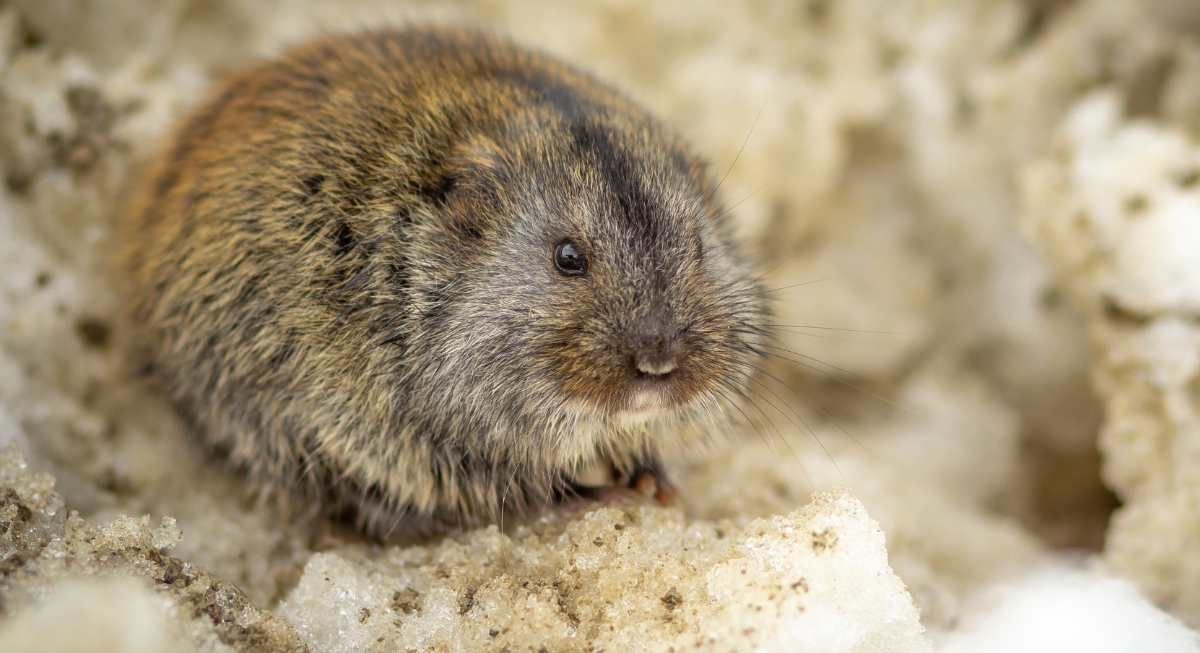
Unlike many rodents, prairie voles form long-term pair bonds and show strong preferences for specific partners. Those relationships have made them valuable subjects for researchers interested in attachment. Studies examining separation from bonded partners have documented increases in stress-related behavior, changes in heart function, and other physiological effects. Their bonds are not merely social habits. In some cases, the absence of a companion appears almost as important as the presence of one.
Marmosets
Credit: Getty Images
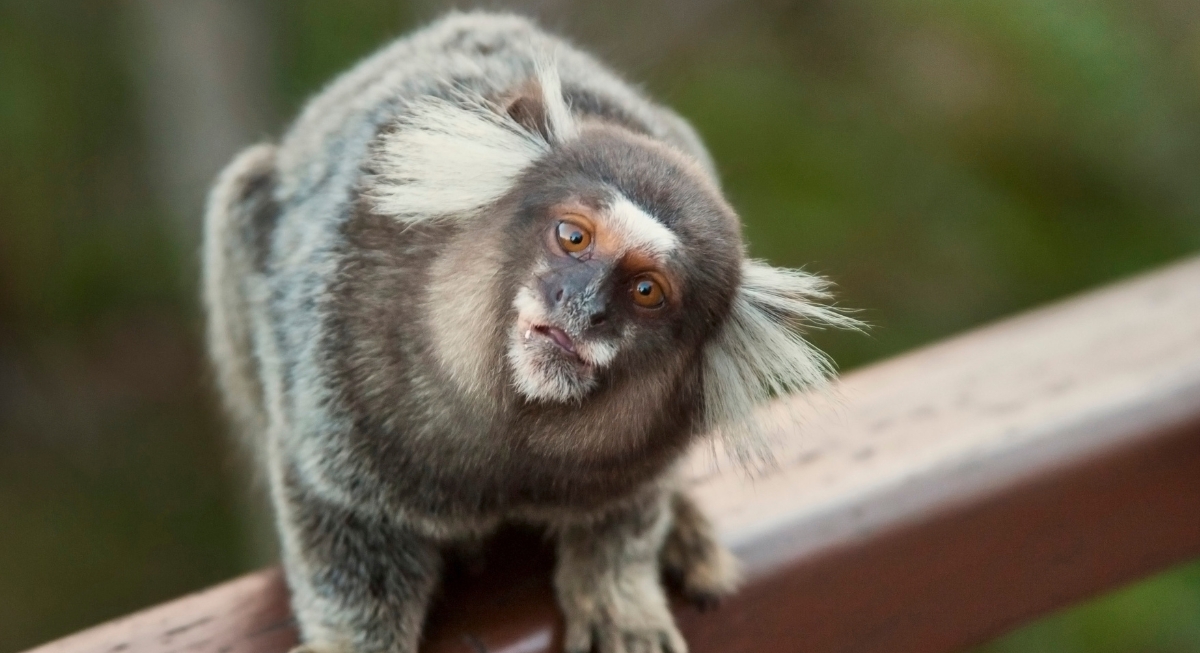
Marmosets rely heavily on vocal communication to stay connected with family members. Their calls help maintain social bonds, and studies suggest those bonds can influence stress levels. Researchers found that hearing the call of a familiar companion helped reduce physiological signs of stress, even without direct physical contact. The findings show that for marmosets, a trusted voice can provide some of the same reassurance as a companion’s presence.
Rattlesnakes
Credit: Getty Images
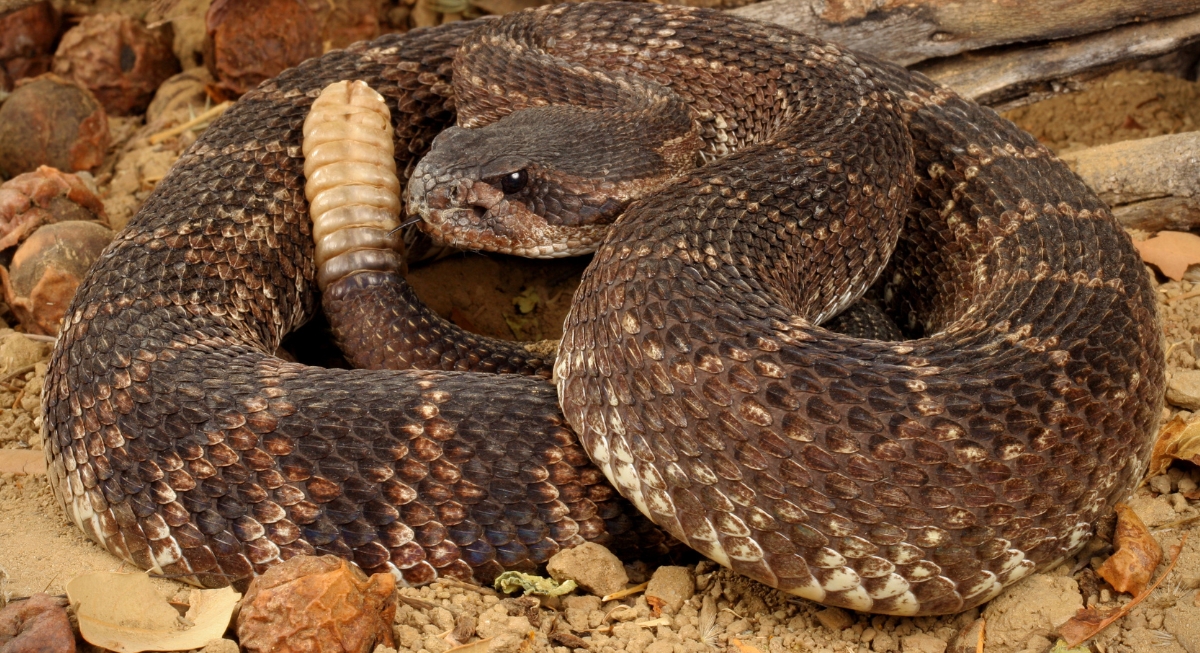
Rattlesnakes are not the animals most people imagine when thinking about friendship. For decades, reptiles were often viewed as largely solitary creatures with limited social complexity. Recent research has challenged that assumption. Some Southern Pacific rattlesnakes exposed to stressful conditions showed smaller heart-rate changes when a familiar snake was present. The discovery surprised many researchers because it suggested that social buffering may exist in groups traditionally considered unsocial. No one is suggesting rattlesnakes form friendships in the human sense. Still, the findings reveal that the benefits of companionship extend farther across the animal kingdom than previously believed.