If Animals Had Human Jobs: 12 Perfect Career Matches
If animals clocked in as we do, half of us would already be late. Many of them run on tighter routines than humans ever manage. Birds start their day without hitting snooze, ants move crowds with zero confusion, and plenty of other species handle daily tasks with surprising precision. Match those instincts with the right job title, and you barely need to ask for references.
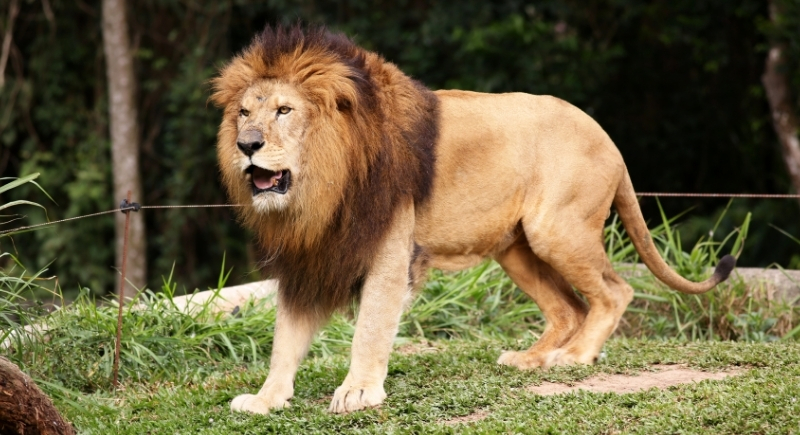
Lion (Firefighter)
Credit: pixabay
Running toward danger is standard behavior for lions defending territory. A male lion can weigh more than 400 pounds, which provides the raw strength needed for rescue work. Firefighters rely on quick threat assessment, and lions constantly scan for rival predators. Pride structure mirrors emergency crews, since leadership and trust decide survival. Heat tolerance also matters, and lions regularly operate under direct sunlight without losing focus.
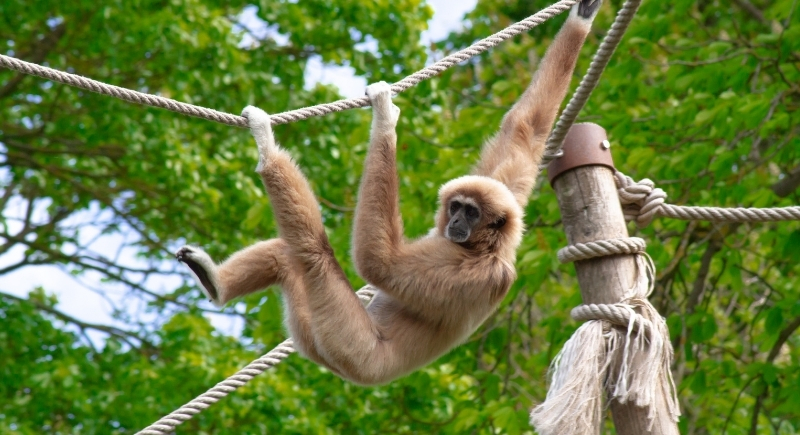
Monkey (Gymnast)
Credit: Getty Images
Gymnastics depends on grip strength, balance, and body control, all skills monkeys use daily. Many species hang from one arm for long periods because of specialized joints and muscle structure. Zoo enrichment studies show they clear obstacle courses faster than humans learning the same tasks. Bars and balance beams resemble how monkeys move through trees. Falls are rare because their bodies adjust midair with precision.
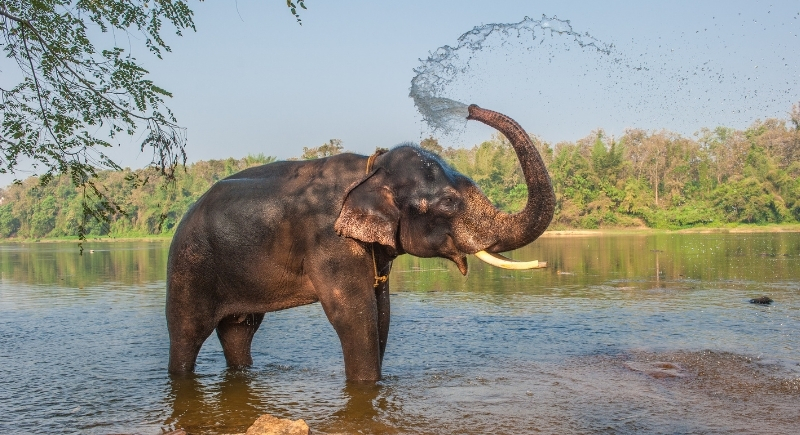
Elephant (Schoolteacher)
Credit: Getty Images
Good teaching means changing how you communicate, and elephants do that naturally within their herds. Classrooms run on memory and emotional awareness, both strong elephant traits. An elephant can remember watering routes for decades and recognize voices years later. They treat familiar individuals differently, picking up on tone and intent. Young herd members are guided with patience, using sound and gentle touch rather than force.
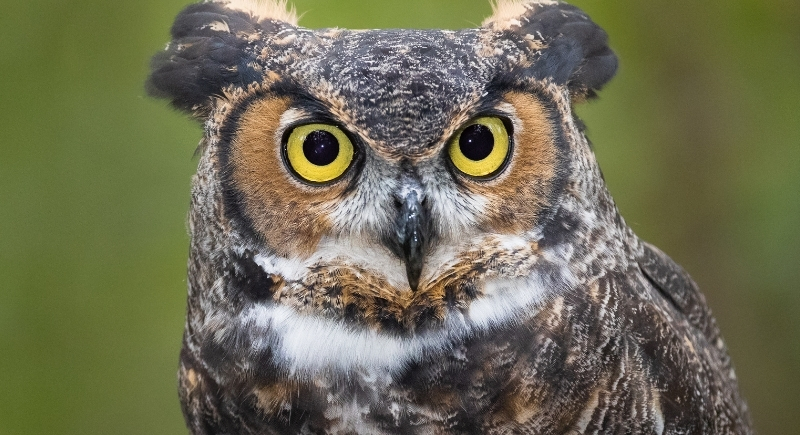
Owl (Scientist)
Credit: Canva
Scientific work values careful observation more than speed, and owls have a way of hunting by remaining still for long stretches, waiting for specific cues before acting. Their eyes contain a high number of rod cells, allowing them to detect movement in low light. That sensitivity supports detailed analysis. Lab work also rewards precision, which owls display when striking prey with near-perfect accuracy.
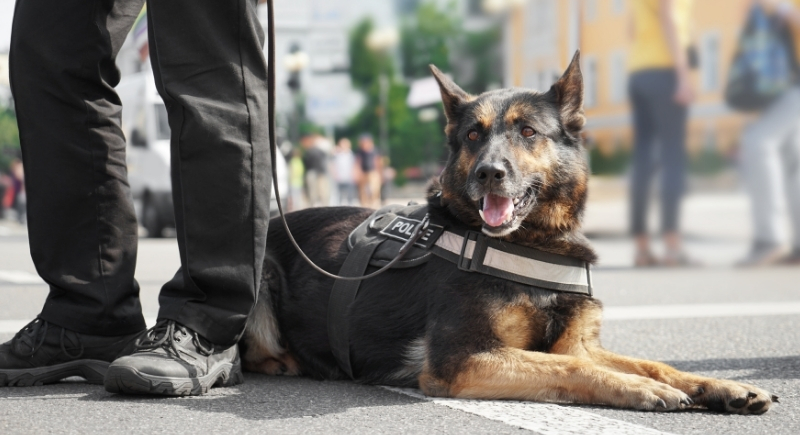
Dog (Police Officer)
Credit: Canva
Dogs have up to 300 million scent receptors, while humans average about six million. In March 2024, a police dog tracked a missing child through dense woods in under an hour using scent alone. Law enforcement depends on reliability and sensory advantage, and training builds on these very same instincts dogs already use.
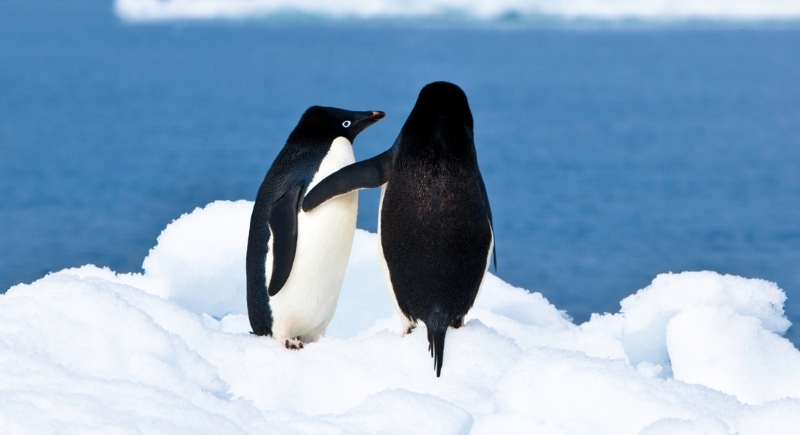
Penguin (Ice Cream Vendor)
Credit: Getty Images
Cold management keeps ice cream intact, and penguins are built for temperature control. Their dense feathers and fat layers maintain body heat in freezing water. That biology doubles as natural refrigeration in warm conditions. Penguins stay active on land even as temperatures rise. Standing upright also allows easy interaction at a counter without constant movement.
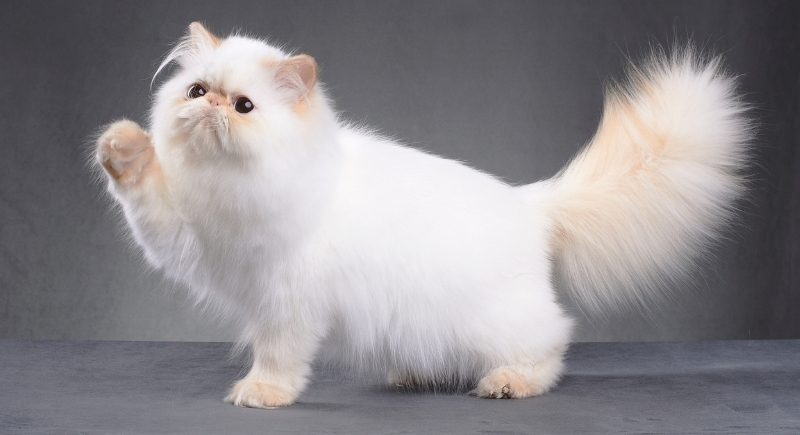
Cat (Yoga Instructor)
Credit: Getty Images
Cats’ daily habits align with yoga. By that, we mean the flexibility and controlled motion. Their spine contains more vertebrae than a human’s, allowing smoother stretches. The cat-cow pose even copies feline spinal movement exactly. They also rest between bursts of activity, reflecting how yoga balances effort and recovery. In fact, their breathing stays slow and steady even during deep stretches.
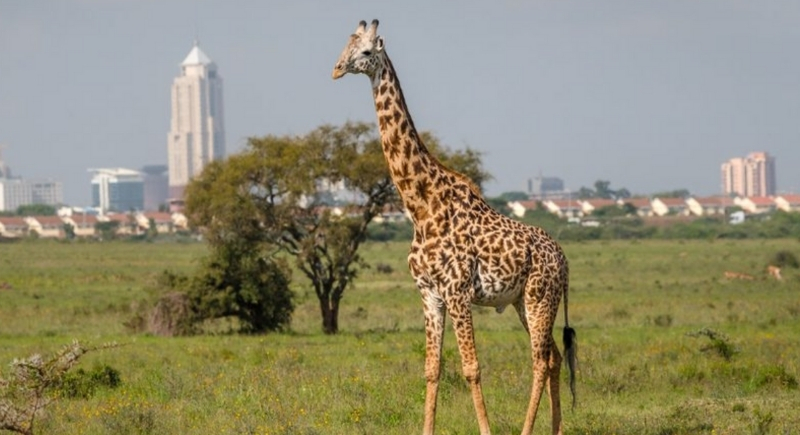
Giraffe (Window Cleaner)
Credit: pixabay
Height creates access, and giraffes can reach up to 18 feet tall. Their eyes detect small details from far away, like smudges on glass. Giraffes move deliberately, reducing the risk of balance loss at elevation. Their neck muscles support weight without strain. So, if you think about it, cleaning tall windows would be a standing task for them rather than a mechanical operation.
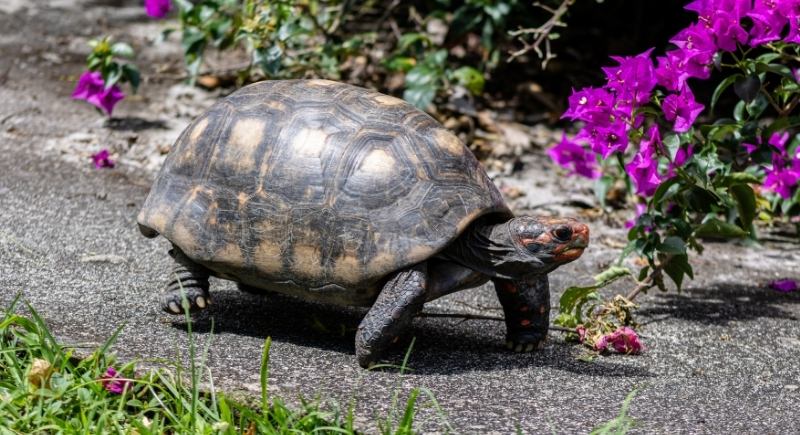
Turtle (Mail Carrier)
Credit: pixabay
Consistency over speed is what mail delivery is all about. Meanwhile, turtles follow familiar paths and return to known locations without confusion. Their shells provide built-in protection against impact. Folklore in Japan associates turtles with reliability, reinforcing the connection. In quiet neighborhoods, slow movement reduces disruption while ensuring delivery completion.
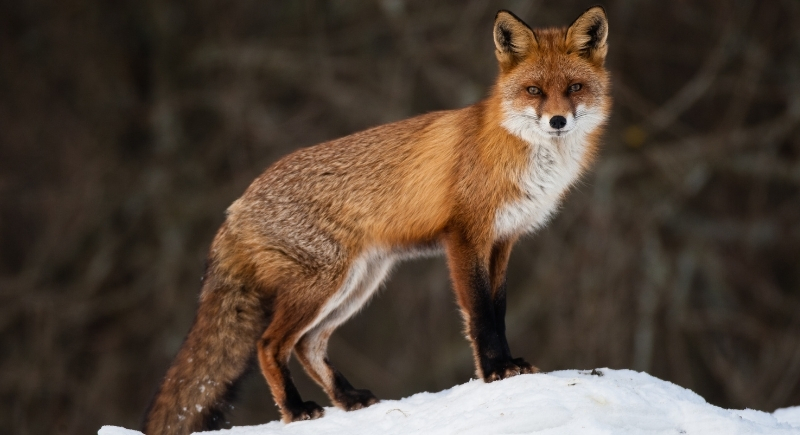
Fox (Detective)
Credit: Getty Images
Foxes store food in multiple caches and retrieve them weeks later, showing how they can remember exact locations even after terrain changes. They also approach problems indirectly, which mirrors investigative thinking, which relies on memory and patience. Quiet movement and observation also help avoid detection, a skill useful in surveillance work.
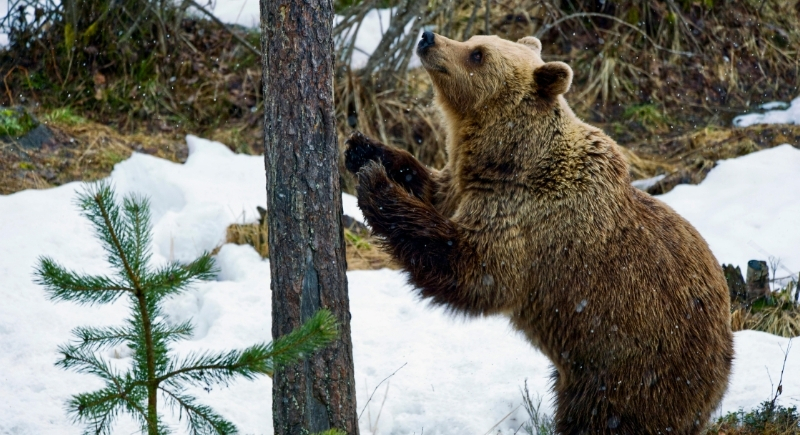
Bear (Builder)
Credit: pexels
Construction takes strength and a solid sense of shelter, both of which bears already have. They build dens from branches, soil, rocks, and even snow, and those structures hold up through months of harsh weather. An adult brown bear can lift hundreds of pounds, making heavy materials manageable. They also select den sites with care, judging insulation and safety much like builders evaluate where a structure should stand.
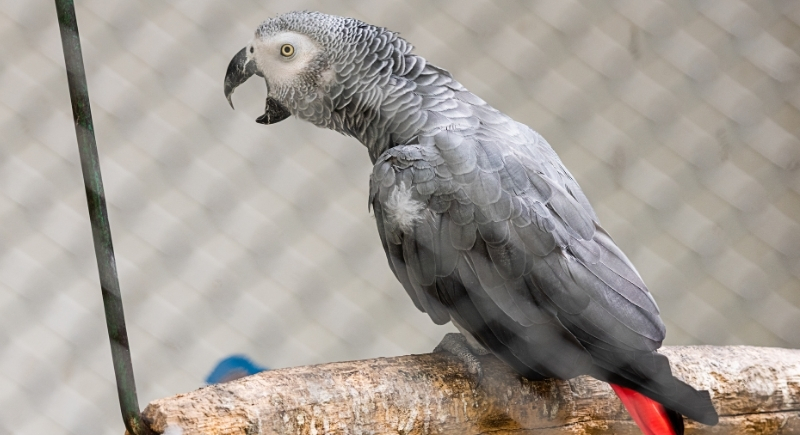
Parrot (News Reporter)
Credit: Getty Images
African grey parrots can learn over 100 words and accurately repeat phrases with consistent pronunciation. They respond quickly to sound cues, which matters during live broadcasts. Parrots also mimic tone and pacing rather than just random noise. No wonder they often deliver words so clearly. Recalling phrases works well with extended reporting without constant prompting, so parrots can get the job done here.