10 Heartwarming Stories of Animals Raising Other Species
Parental instinct in animals is usually tied to the survival of their species. But sometimes, animals surprise us. They adopt babies from entirely different species and demonstrate care that appears to extend beyond instinct. These moments are rare, but they reveal that empathy and connection may exist across species in ways science still doesn’t fully understand. Here are some of the most remarkable examples.
Lioness Raised a Leopard Cub in the Wild

Credit: Reddit
In 2020, researchers in India’s Gir Forest observed a lioness raising a leopard cub alongside her own cubs. The two-month-old cub was regularly fed scraps and treated as one of the family. Though lions and leopards are usually bitter rivals, the lioness cared for the cub for over a month until it died from a birth-related condition.
Missing Donkey Was Adopted by Wild Elk Herd
Credit: Instagram
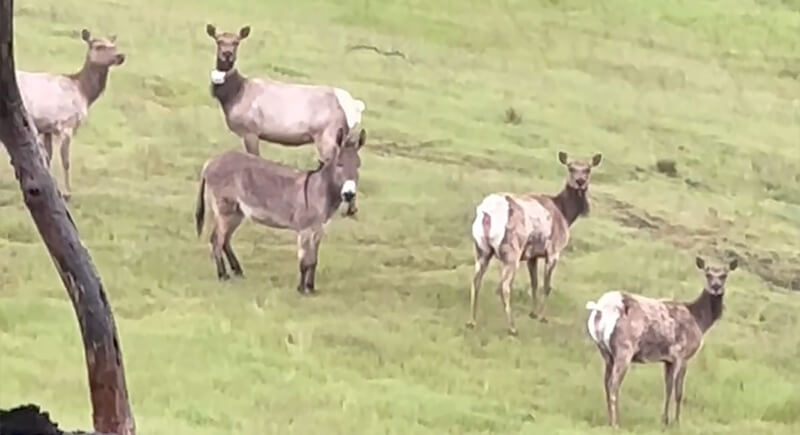
Diesel the donkey vanished in California and was presumed gone. Years later, photos showed him living with wild elk. He moved confidently among them. Locals say he fit in so well that he may have defended the group from predators. One unconfirmed report even credits him with scaring off a mountain lion.
Bottlenose Dolphin Cared for a Whale Calf

Credit: Facebook
In French Polynesia, a bottlenose dolphin was seen mothering a melon-headed whale calf. For nearly three years, the unlikely pair swam together. The calf learned dolphin behaviors, including social cues and swimming patterns. Scientists rarely observe long-term care like this among marine species, especially between animals that typically don’t interact.
Sperm Whales Took In a Deformed Dolphin

Credit: Youtube
Researchers in the Atlantic were stunned to observe a pod of sperm whales socializing and swimming with a bottlenose dolphin born with a curved spine. The dolphin, which would usually struggle to survive, was seen rubbing against and playing with the whales, who appeared to accept it fully into their group.
Kamunyak the Lioness Adopted Her Prey—Repeatedly

Credit: Instagram
Kamunyak, a solitary lioness in Kenya, adopted at least six oryx calves. These are the animals she would normally hunt. She stood guard over them, refused to eat, and kept them close. None of the calves lived long, but her behavior, which was repeated and consistent, left wildlife experts baffled. Some believe her maternal drive outweighed even hunger.
Narwhal Integrated Into a Pod of Belugas

Credit: Youtube
A narwhal that strayed into Canada’s St. Lawrence River didn’t return to its own kind. Instead, it stayed with a pod of beluga whales. Observers noted how it copied their movements, vocal patterns, and social behavior. Narwhals and belugas can interbreed, so researchers are still keeping tabs on this unusual alliance.
Common Loon Raised a Mallard Duckling

Credit: The Loon Project
Loons are known for being highly territorial, even attacking and killing other birds during breeding season. That’s why when a loon was photographed in 2019 carrying a mallard duckling on its back and feeding it, scientists were surprised. The duckling mimicked loon behaviors by diving underwater in ways mallards don’t naturally do.
Capuchin Monkey Fed and Carried a Baby Marmoset

Credit: ResearchGate
In Brazil, researchers documented a capuchin monkey caring for a marmoset infant. These are two different primate species. The capuchin carried, groomed, and fed the marmoset for months. Long-term care like this between unrelated primates is rare. Locals had seen the pair together before researchers confirmed the behavior.
Koko the Gorilla Mourned Her Adopted Kitten
Credit: Youtube
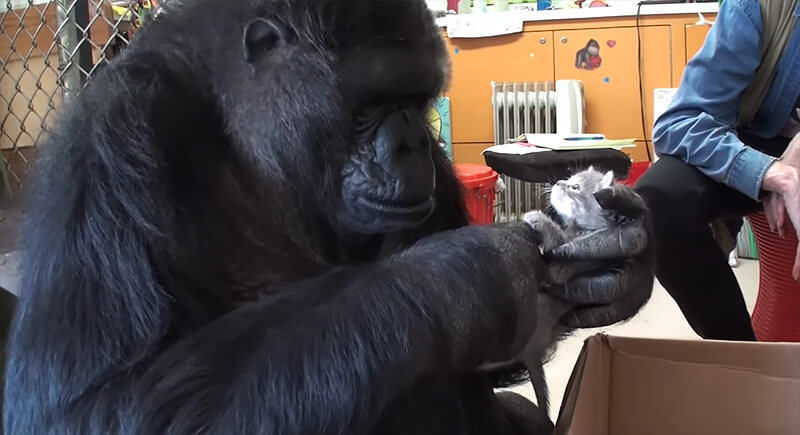
Koko, the famous gorilla fluent in American Sign Language, once cared for a kitten she named All Ball. Koko cradled and played with it gently, and treated it like a baby. When the kitten died in an accident, Koko signed “sad” and “cry,” then vocalized distress. Her reaction has been cited in studies about animal grief.
Sloth Adopted Another Species—Despite 30 Million Years of Separation
Credit: slothconservation
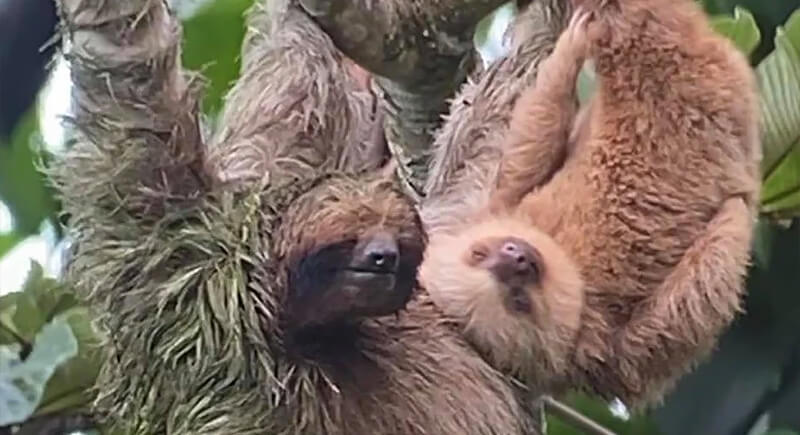
Sloths usually keep to themselves, and even different sloth species don’t mingle. However, in 2020, biologists observed a three-fingered sloth allowing a two-fingered sloth to cling to its back. They moved through the trees together as parent and child would, despite being separated by millions of years of evolution.