Photos of Animals That Completely Mastered the Art of Camouflage
In the wild, some animals camouflage themselves to survive in environments where being seen can mean immediate danger. This ability helps them avoid predators and, in many cases, approach prey without detection.
It depends on visual consistency, where color, texture, and behavior align with surroundings. Many species rely on being still to support their disguise, as natural patterns do all the work. Then there are others who use biological features that adjust to light or surface detail. At the end of the day, each of these traits defines how each animal appears and moves, limiting visibility and improving survival.
Bengal Tiger
Credit: Wikimedia Commons
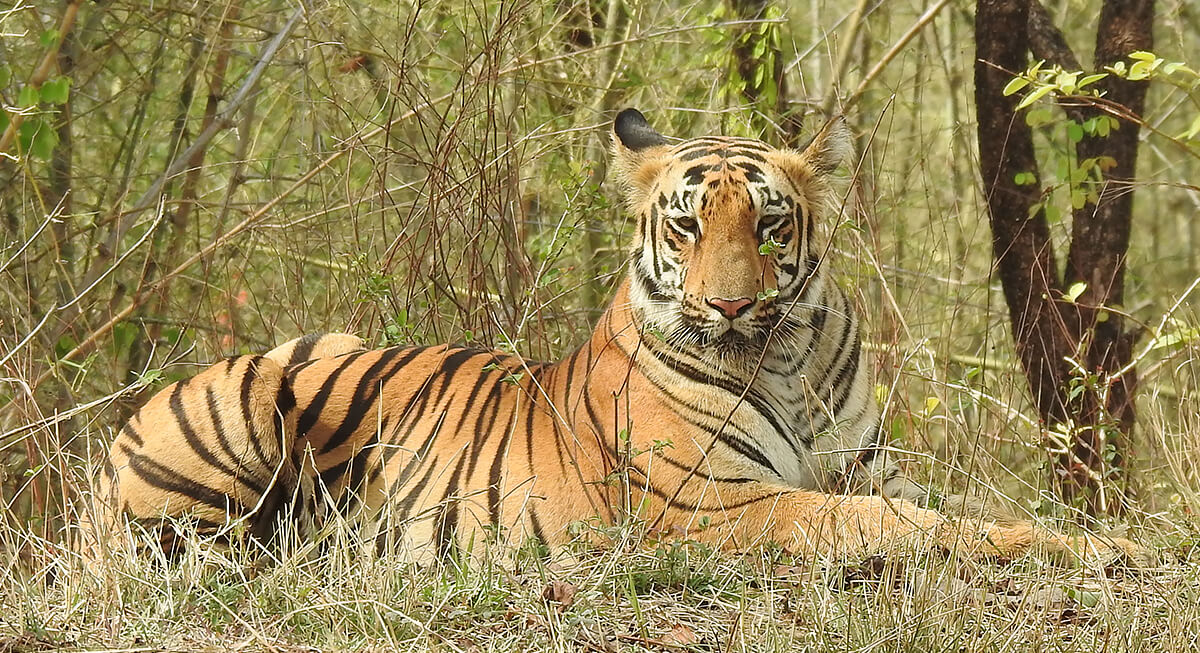
In dense forests and grasslands, clear outlines make it easier for prey to detect large predators. However, the Bengal tiger avoids that problem through its stripes, which disrupt its outline against vegetation and shadows. These markings fall in line with vertical grass and filtered light, and prey animals struggle to identify the tiger’s form until there is movement.
Eastern Screech Owl
Credit: Getty Images
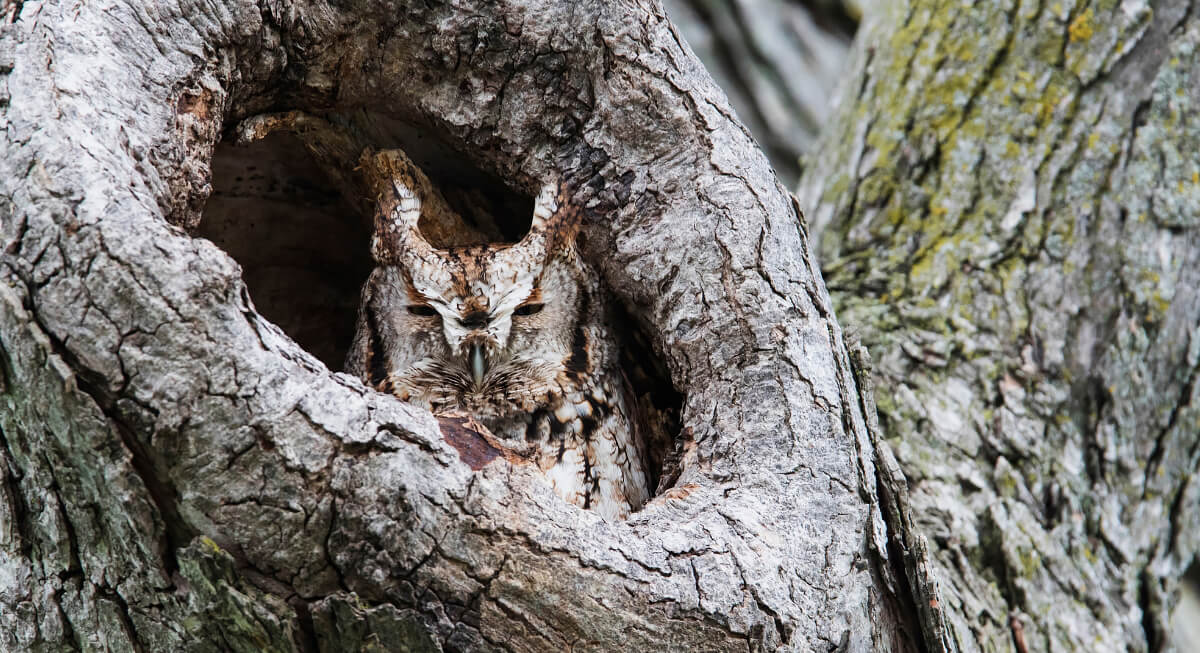
It is common for tree-dwelling birds to face constant exposure during daylight hours, and the eastern screech owl addresses this through feather patterns that mirror bark texture. Its gray and brown tones match the trunks where it rests. This adaptation reduces the attention it gets from both predators and smaller birds.
Green Sea Turtle

Credit: Getty Images
Because the green sea turtle tries to be less noticeable in open water, it relies on shell coloration that resembles seagrass beds where it feeds. This may reduce contrast against the ocean floor and help it fit into its setting. Marine biologists note that this subtle blending can make it harder to notice in shallow water, especially in places where sunlight filters unevenly through the surface.
Polar Bear
Credit: Getty Images
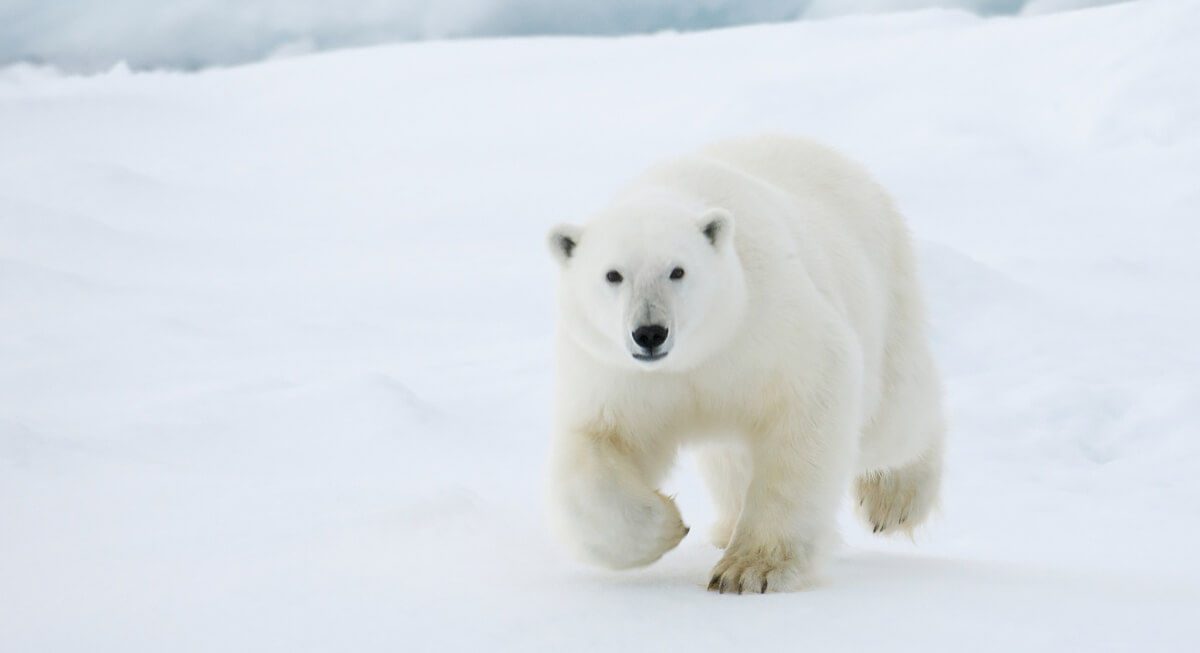
In the Arctic, camouflage is easy to miss because it looks so natural. A polar bear blends into the snow and ice so well that it almost disappears against the landscape. Its fur reflects light, giving it that white appearance that matches its surroundings. This helps the bear stay unnoticed near seal breathing holes. When a seal comes up for air, the bear is already in position, hidden in plain sight and ready to strike.
Goldenrod Crab Spider
Credit: Wikimedia Commons
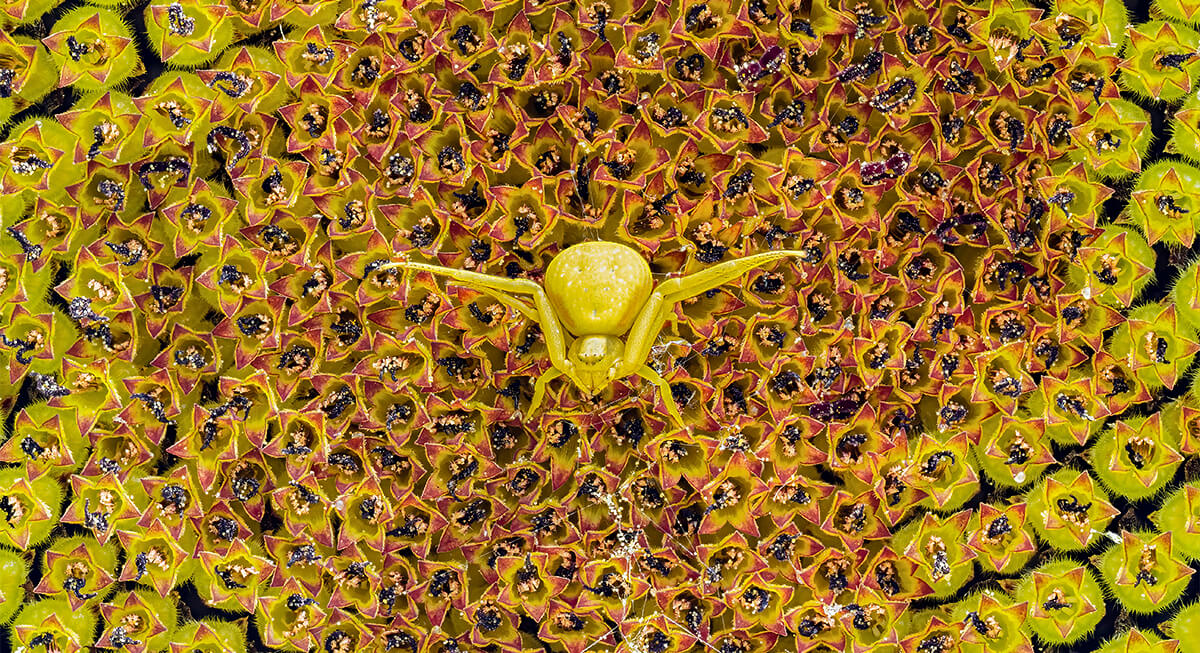
Bright flowers tend to draw attention because of their color and shape, but they can also hide predators, such as the goldenrod crab spider, in plain sight. This creature uses color matching to closely resemble petals and positions itself where insects land. Studies of pollinator behavior suggest that this camouflage increases its success during a hunt.
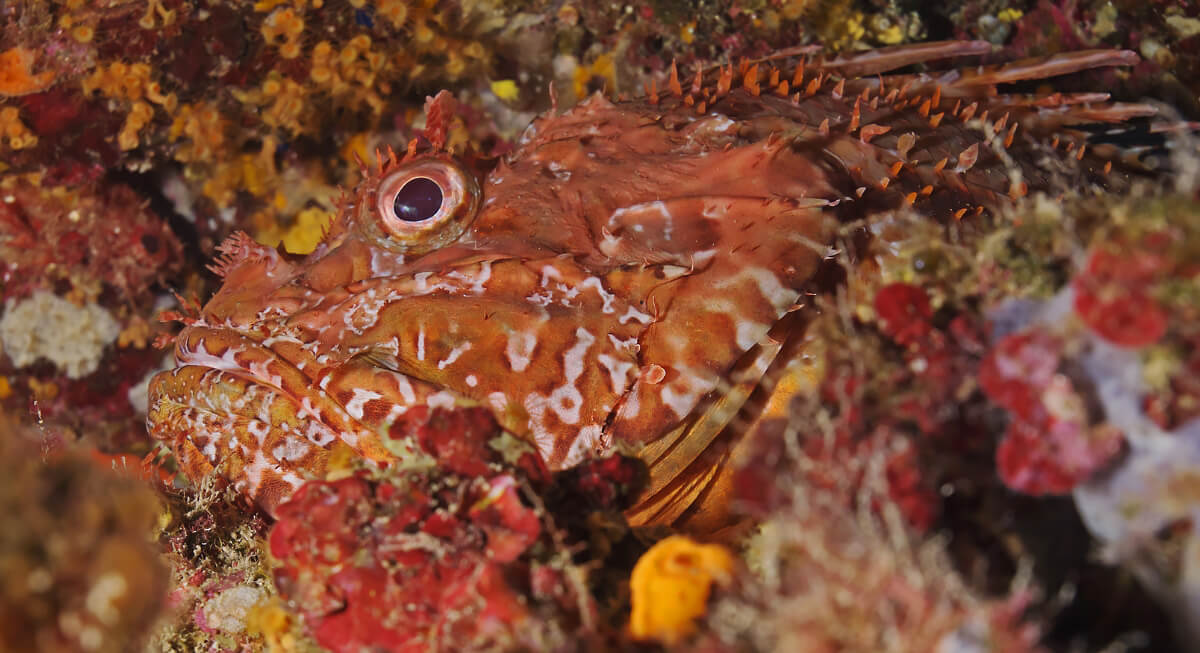
Great Rockfish
Credit: Getty Images
When the great rockfish stays close to rocky seabeds, it camouflages itself to be less noticeable to predators moving through the area. Luckily, its rough skin texture and muted coloration help it resemble rocks in close proximity, thereby softening visual contrast. This also makes it harder to distinguish the sea species’ body from the terrain.
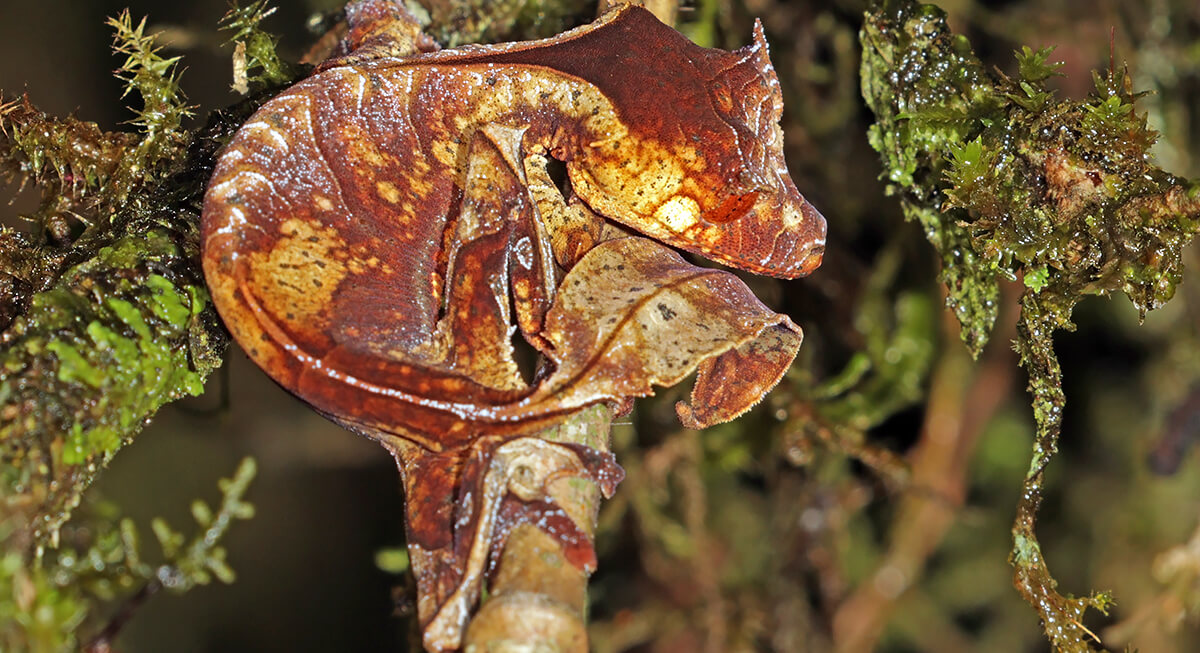
Leaf-Tailed Gecko
Credit: Wikimedia Commons
Forests in Madagascar have trees with rough bark, dried leaves, and uneven surfaces that the leaf-tailed gecko leverages to match the area around it. The flattened body and irregular edges closely match these natural textures. This design reflects adaptation to tree surfaces, where any clear outline would immediately attract attention.
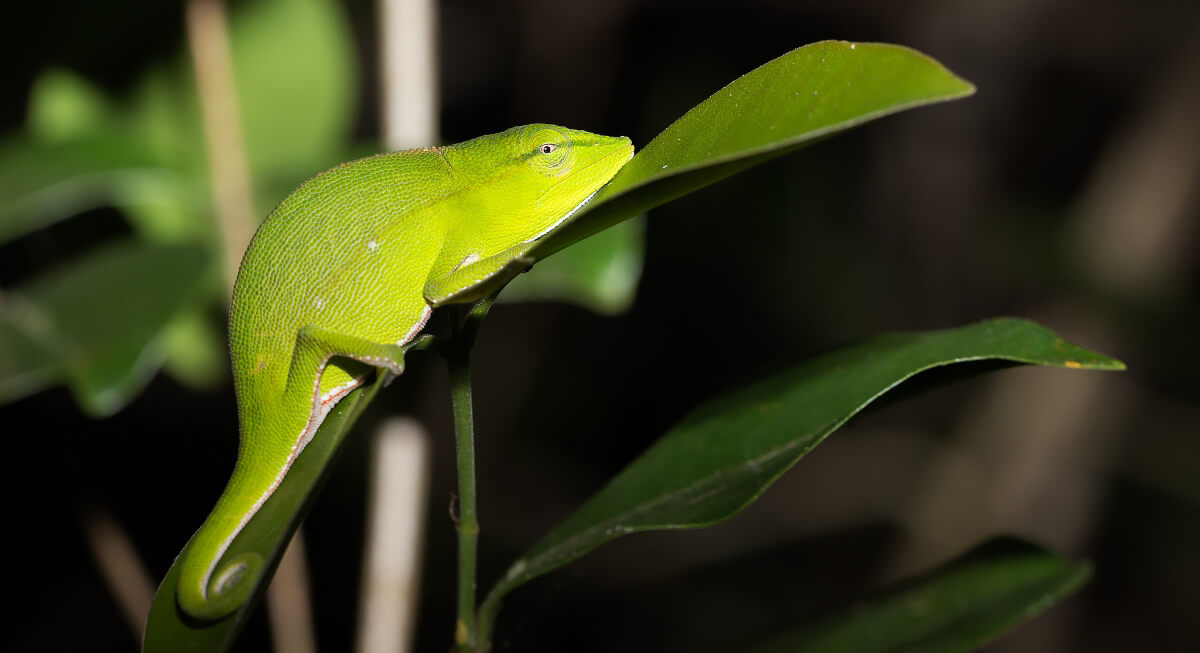
Perinet Chameleon
Credit: Canva
You may have heard the phrase “change colors like a chameleon,” and that saying comes from how species like the Perinet chameleon adjust their appearance. The pigment cells of this creature automatically respond to brightness and background. As a result, it can be consistent with nearby leaves and branches.
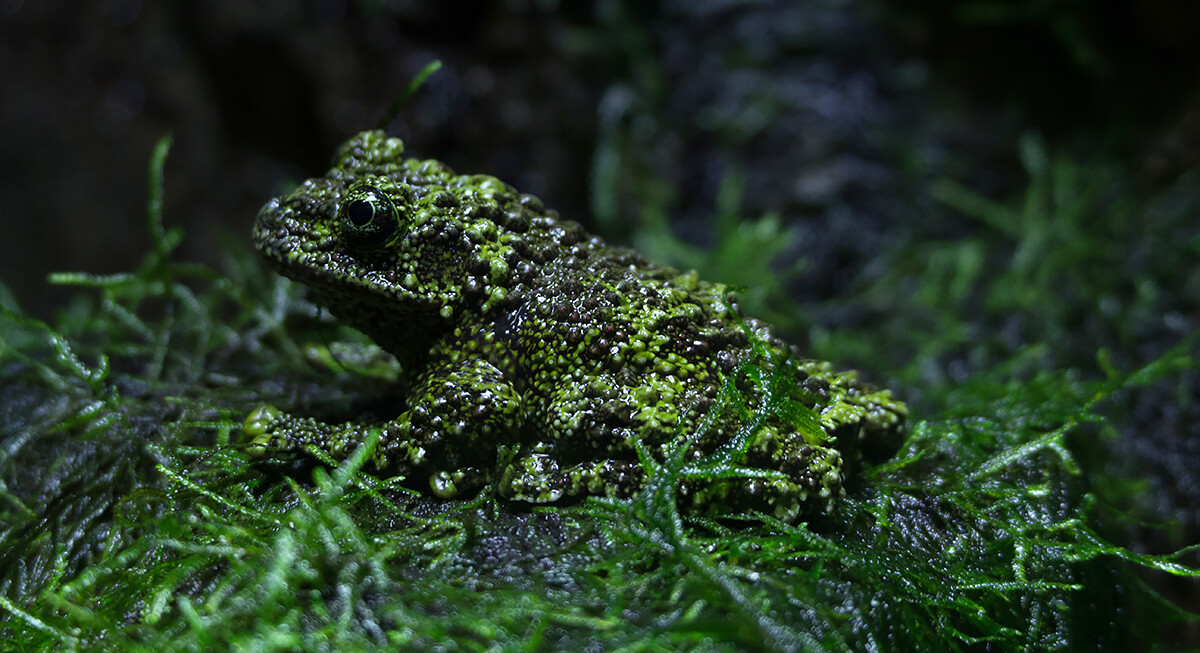
Vietnamese Mossy Frog
Credit: Wikimedia Commons
It is not easy to distinguish the Vietnamese mossy frog from moist forest floors, mainly because its appearance closely matches its habitat. Textured skin and muted green tones closely match moss-covered surfaces and irregular growth. And since its body closely matches these textures, it looks like part of the ground rather than a separate animal.
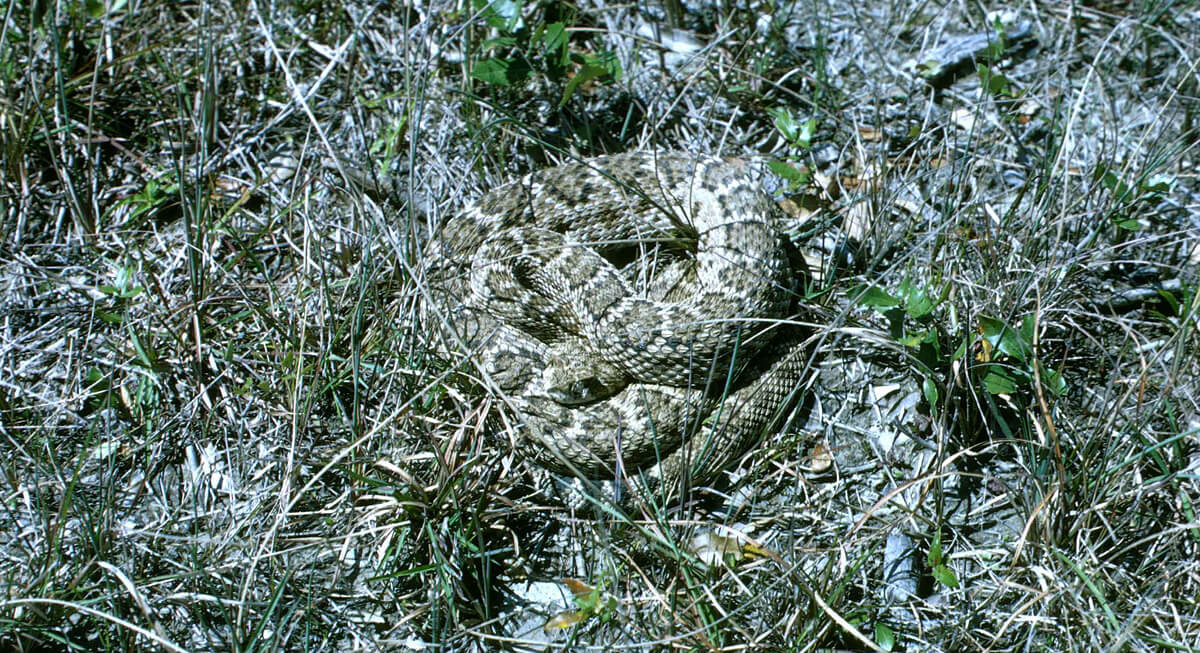
Western Diamondback Rattlesnake
Credit: Wikimedia Commons
Snakes often carry a reputation for danger, and the western diamondback rattlesnake fits that image in part because it can blend into its surroundings so easily. Its patterned scales match the colors of sand and rocks, which makes it hard to spot even in open terrain. That advantage supports a patient hunting style. The snake stays still and lets its surroundings do the work, waiting until prey comes close before striking.