8 Animals That Mate for Life and Die of Broken Hearts
Some animals form lifelong pair bonds that run deeper than simple mating. These connections shape how they live, move, and interact with the world. When a partner is lost, the change is often visible. Not every animal literally dies of heartbreak, but many show responses that are difficult to dismiss.
Scientists have observed animals that isolate, stop eating, avoid social contact, or return to places they once shared with a partner. These patterns suggest a depth of connection that feels strikingly emotional. It’s a reminder that loyalty and loss aren’t unique to humans, and they can shape lives in the wild.
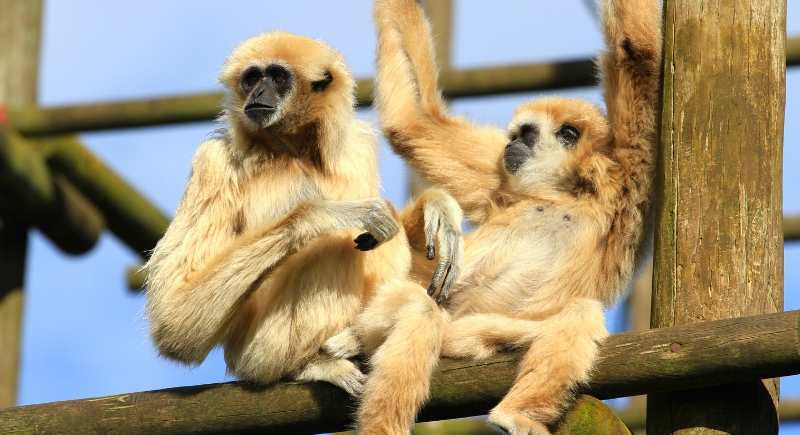
Gibbons
Credit: Getty Images
Duet singing is how gibbons maintain their bond. Partners coordinate calls daily, almost like relationship check-ins. After one dies, the surviving partner often stops singing and goes silent. Researchers have seen this in both the wild and captivity. Silence, in this case, signifies a profound withdrawal from social life.
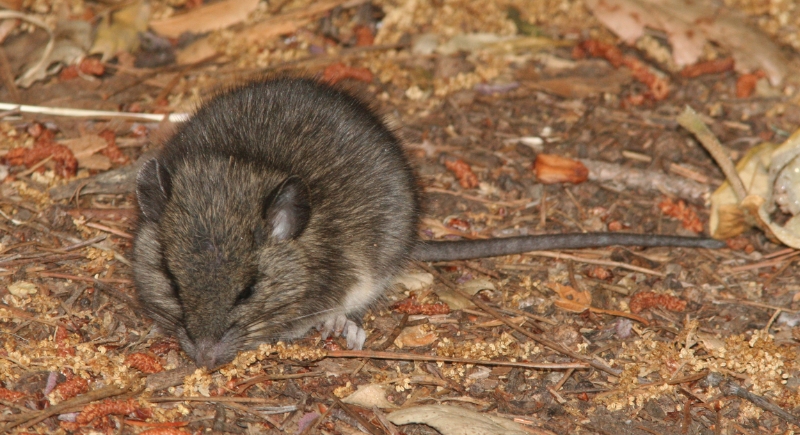
California Mice
Credit: Wikimedia Commons
California mice are highly monogamous and resist forming new pairings after the loss of a partner. In lab studies, mice separated from their mates barked at their returned mates and avoided contact. Others remained alone long-term, displaying anxiety and reduced mating interest, even when new partners were available.
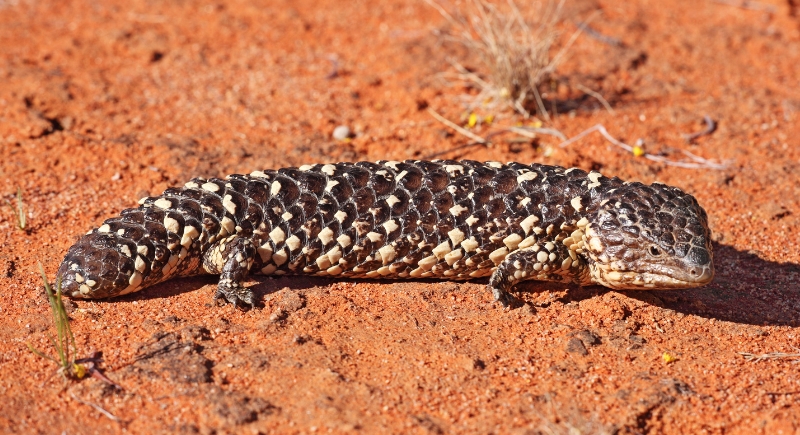
Shingleback Lizards
Credit: Getty Images
Most reptiles live on their own, which makes shingleback lizards unusual. They form lasting pairs and reunite with the same partner each mating season. If one dies, the other still returns to that shared spot. Long-term field studies have documented this behavior, which is rare among reptiles.
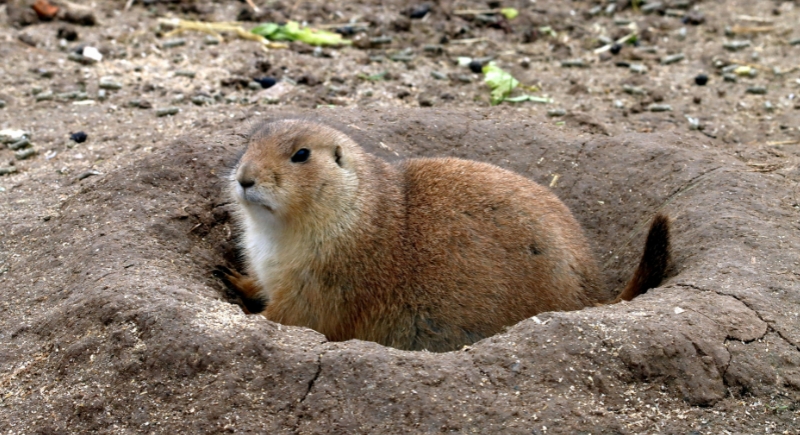
Prairie Voles
Credit: pexels
Prairie voles have helped scientists understand emotional attachment in mammals. When one of a bonded pair is removed, the other experiences measurable drops in dopamine and oxytocin. Apart from grief, they groom less, avoid social interactions, and act visibly anxious. They’re wired for monogamy, and it shows.
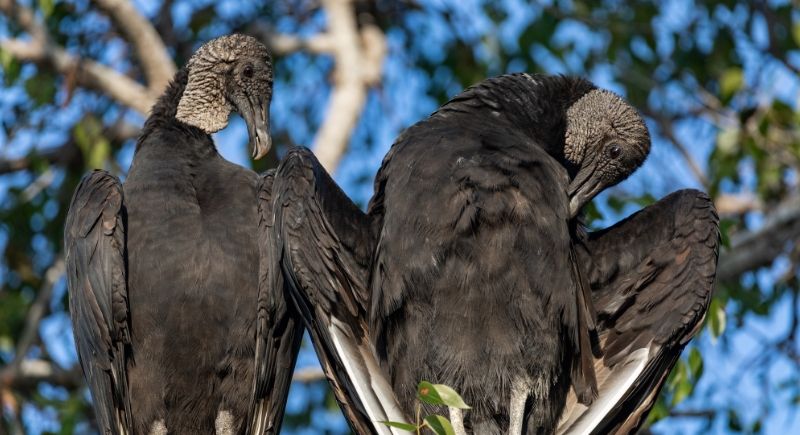
Black Vultures
Credit: Getty Images
Once paired, black vultures take turns incubating eggs and defending territory. Flock members may reinforce this bond by sometimes attacking individuals who stray. When a mate dies, the survivor often avoids new pairings, even over multiple breeding seasons, and is less socially active within the group.
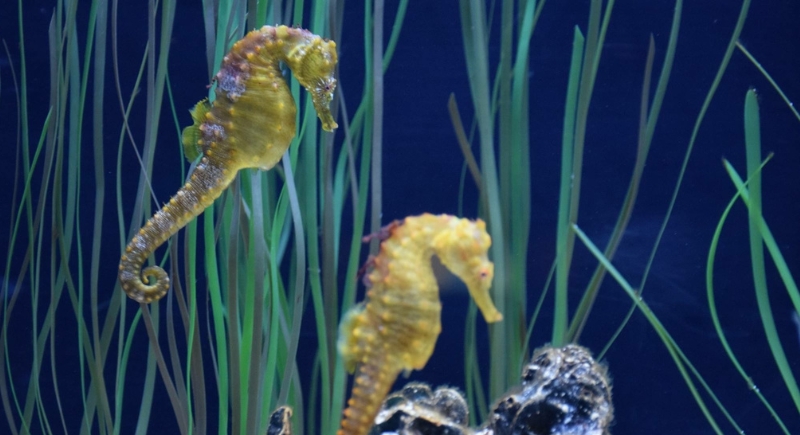
Seahorses
Credit: pixabay
Every day, seahorse pairs meet for a series of synchronized movements that reinforce their bond. When one dies, the daily routine stops, and the results can be severe. Some survivors become inactive and stop eating altogether. In controlled environments, this sometimes leads to unexplained death within days.
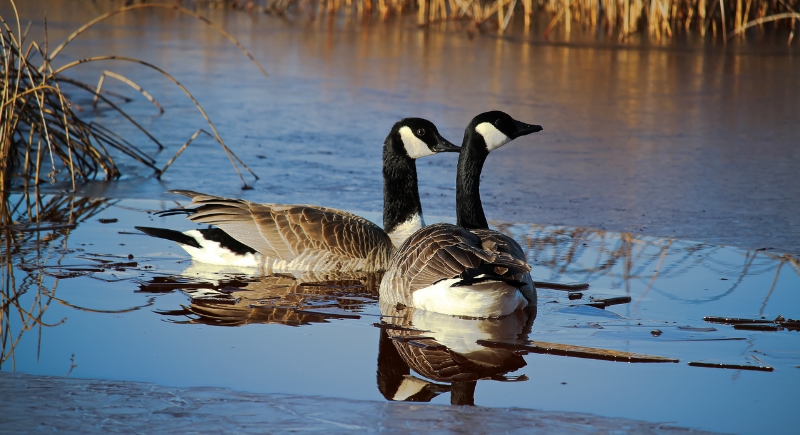
Geese
Credit: Canva
It can take years for a goose to find its mate, and once they do, the connection usually sticks. If a partner dies, the other might pull back from the flock, skip migrations, or stay single permanently. This is especially true for older birds, and it affects their social standing too.
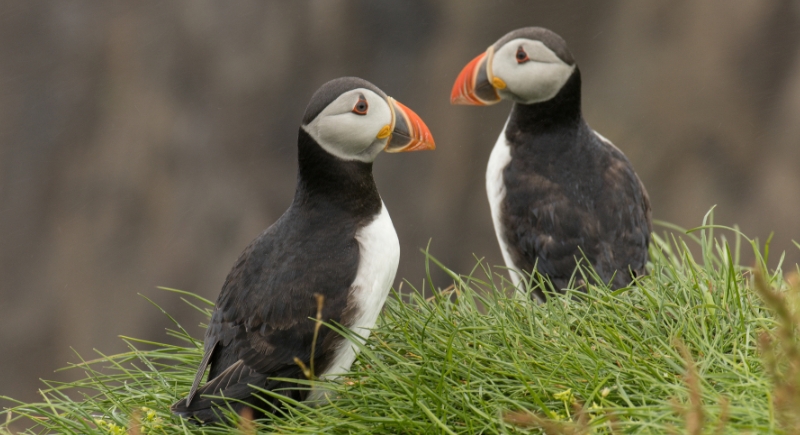
Puffins
Credit: pixabay
Puffin pairs nest in the same burrow year after year. When one doesn’t return, the other may still show up, but won’t breed. Some wait out the season entirely without seeking a new mate. While not all puffins exhibit this behavior, enough do to suggest that emotional disruption is tied to partner absence.