10 Animals That Received Military Honors and Commendations
Many people remember officers, generals, and decorated soldiers when they think of war history. That focus makes sense because their decisions defined major outcomes. At the same time, sources indicate that animals also played direct roles in wartime. Some helped locate survivors, carried supplies or messages, or stayed with troops in extremely difficult conditions.
In several cases, their actions led to formal recognition through medals, ranks, or documented commendations issued by military groups or supporting organizations.
Warrior
Credit: Canva
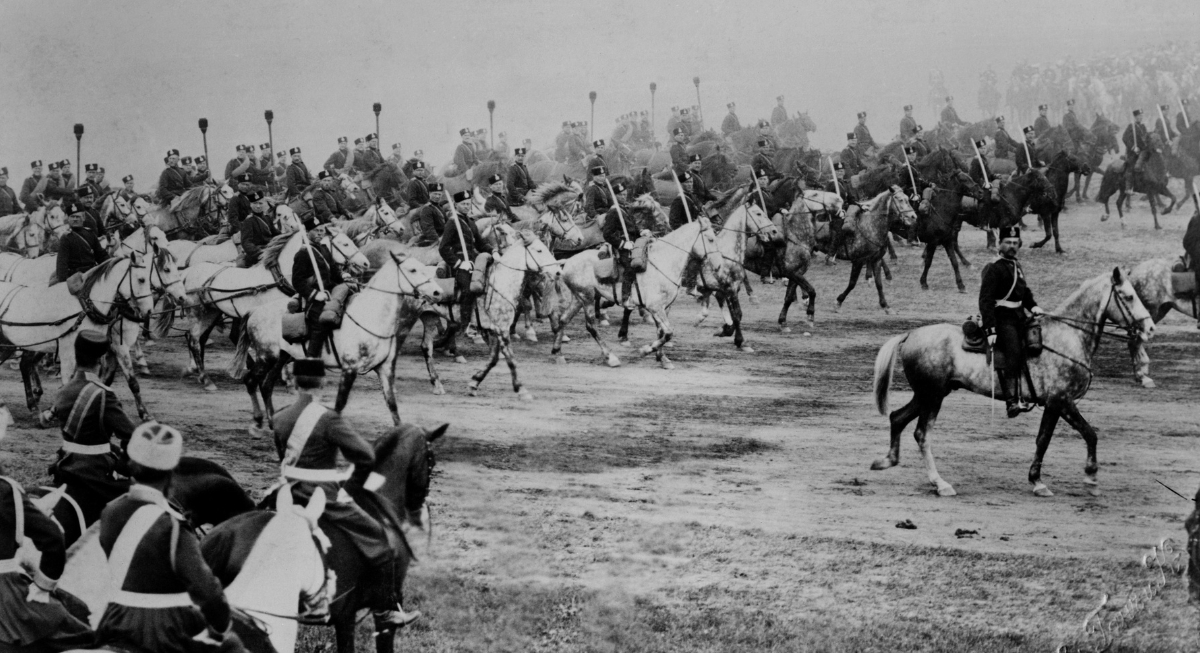
Between 1914 and 1918, Warrior remained active alongside Captain Jack Seely across several demanding campaigns in France in the middle of World War I. The charge at Moreul Wood placed him in a high-risk situation where many soldiers and horses did not survive. Warrior continued forward and returned without injury, which stood out in the records of that engagement.
Tirpitz
Credit: Wikimedia Commons
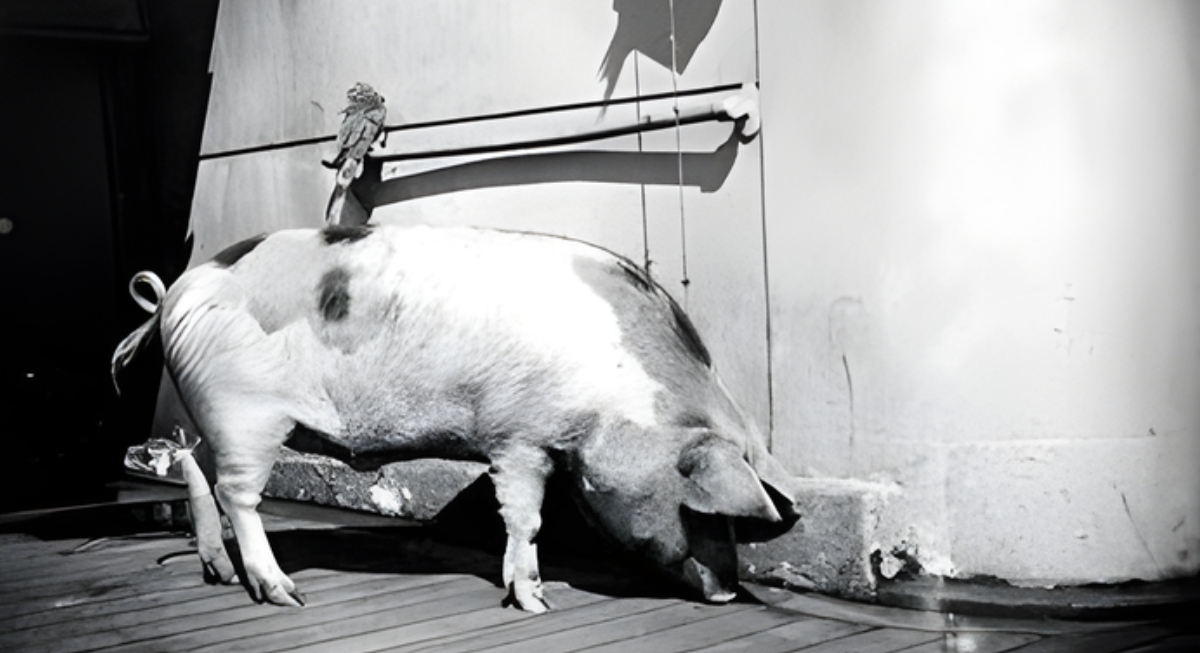
Animals often found their way onto naval ships during wartime, sometimes becoming part of events no one expected. Tirpitz, a pig, was aboard the German cruiser SMS Dresden during World War I when it was sunk in battle. She was later found in the water and rescued by sailors from HMS Glasgow, who brought her aboard and kept her as part of the crew, eventually awarding her a mock Iron Cross in recognition of her unlikely survival.
Judy
Credit: Wikimedia Commons
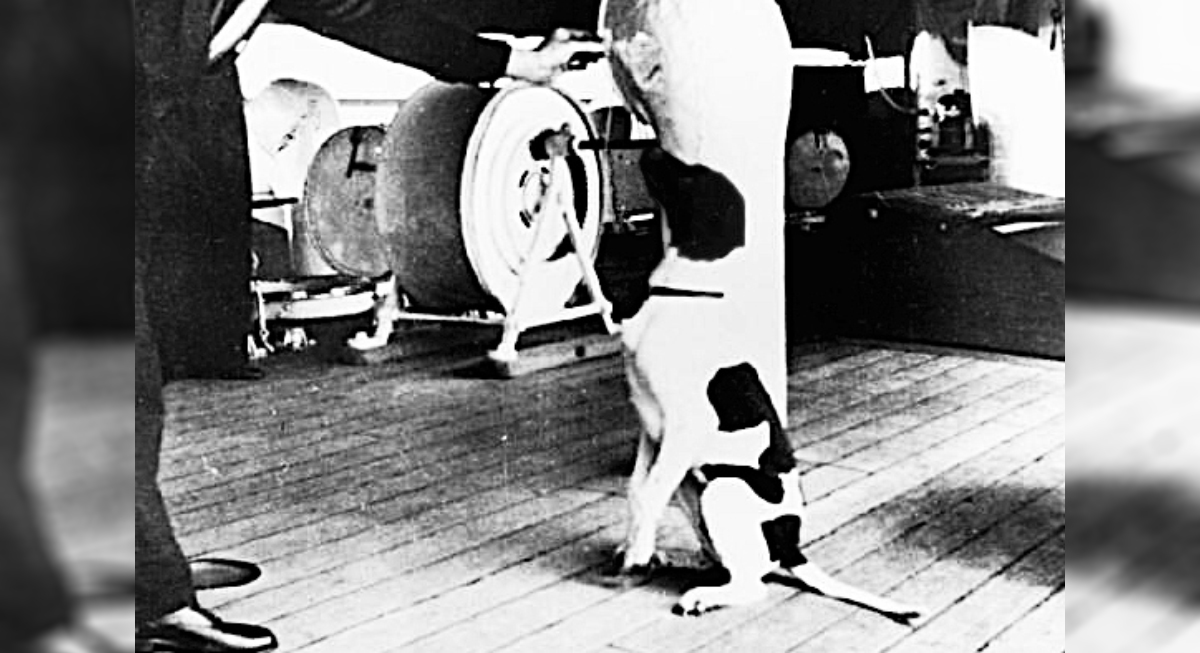
Records from World War II prisoner-of-war camps include one unusual entry about a dog named Judy. This English pointer received official acknowledgement as a prisoner alongside captured personnel. An aircraftman ensured her survival by sharing food and arranging her status. Historical notes describe her reacting to violent incidents and distracting guards in those moments. She also located food amid shortages.
Rip
Credit: Wikimedia Commons
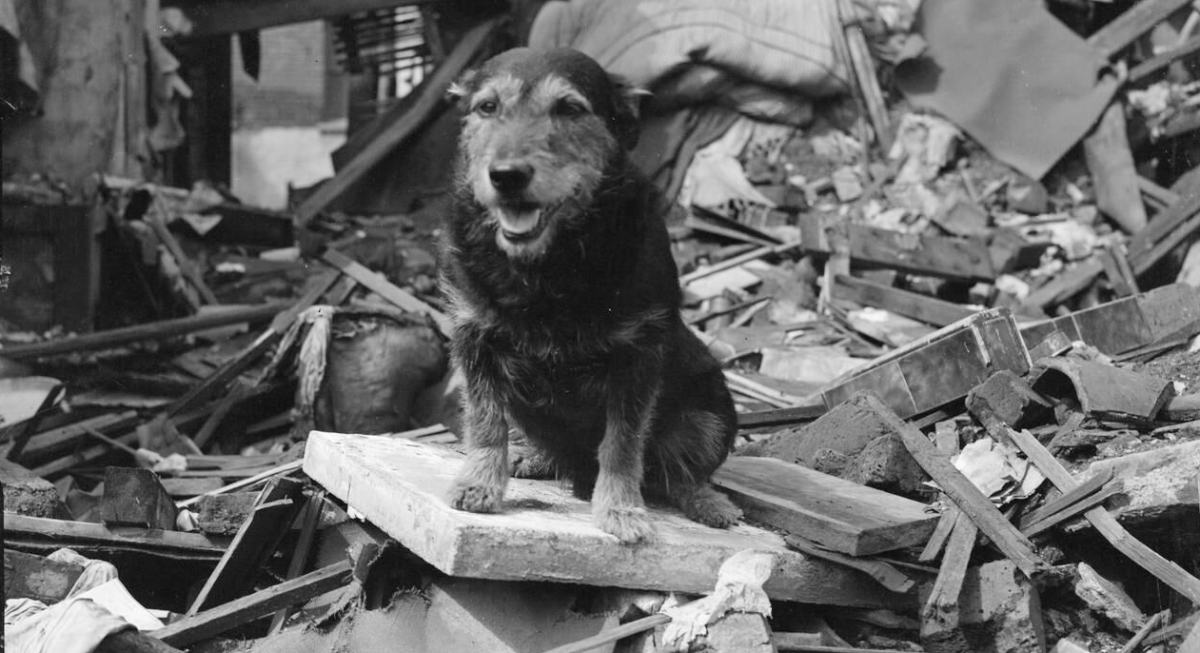
The Dickin Medal, awarded in 1945, recognized the efforts of Rip, a stray dog who became part of an air-raid unit in London during World War II. He located trapped people following bombing raids and usually reached them before organized teams arrived. His work relied on instinct and persistence in unstable conditions. Data credits him with saving more than one hundred lives.
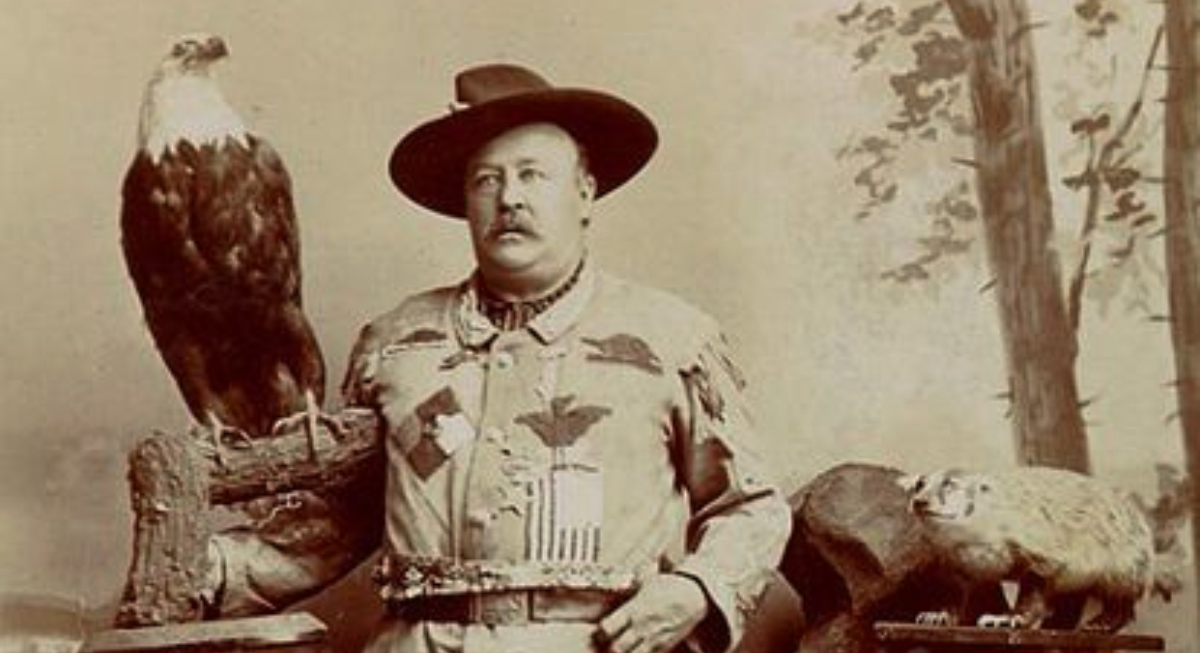
Old Abe
Credit: Wikimedia Commons
During the American Civil War, regiments often adopted symbols to build identity and morale, and Old Abe, a bald eagle, became closely linked to a Wisconsin unit. He traveled with the regiment and appeared at public events, where his image helped raise funds through widely sold photographs. After the war, he was kept at the state capitol until a fire led to his death, though replicas and memorials preserved his legacy.
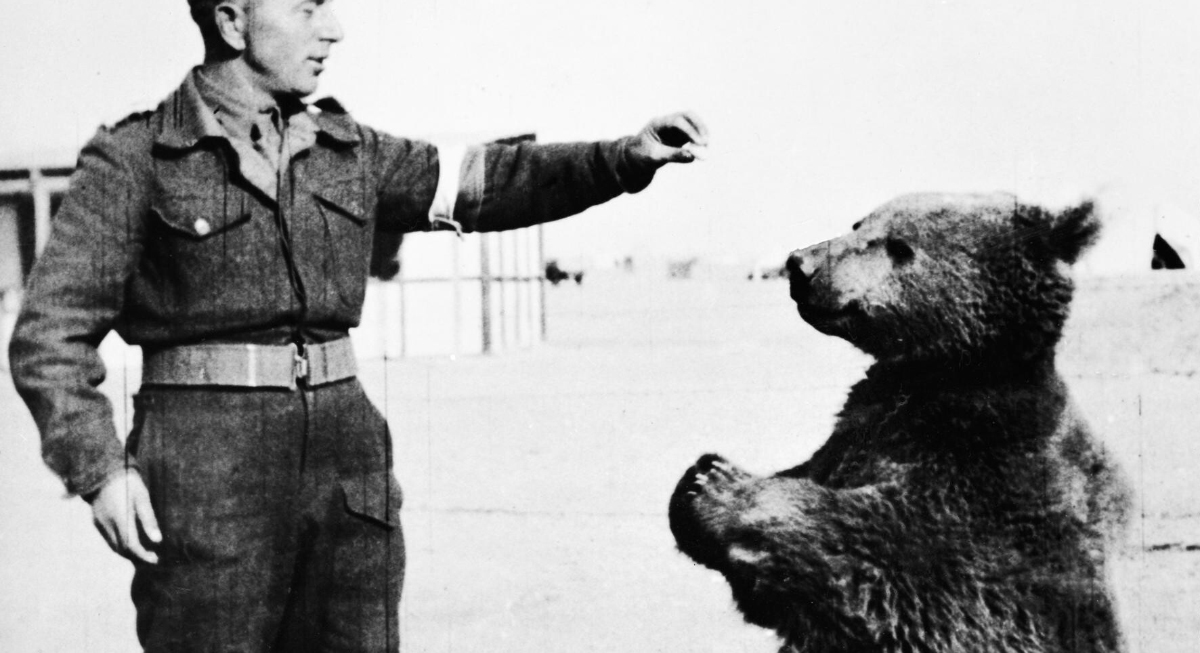
Wojtek
Credit: Wikimedia Commons
Polish soldiers adopted Wojtek during World War II, and he grew into a Syrian brown bear that adapted to life with the unit. He took part in daily routines and became known for carrying artillery shells during operations. His role became so closely tied to the group that his image was later included on the unit’s insignia, reflecting his place within their ranks.
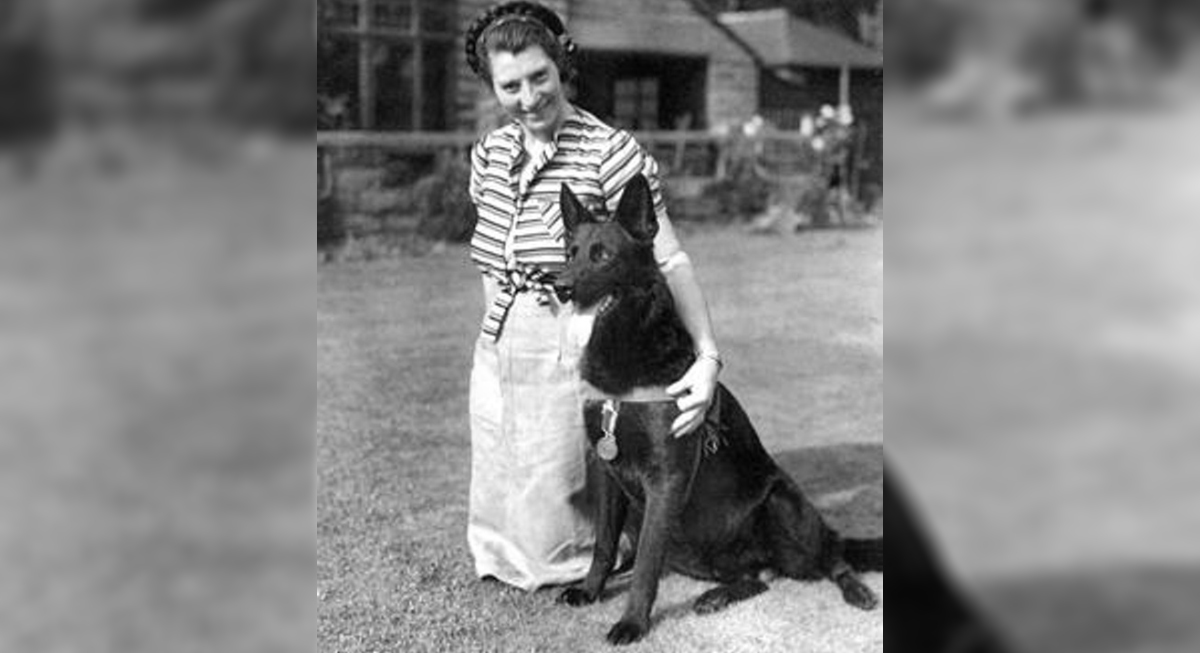
Jet
Credit: Wikimedia Commons
One German Shepherd, Jet, received the Dickin Medal in 1945 along with a Medallion of Valor for his rescue work. Alongside his handler, the animal helped locate around 150 people trapped under debris after air raids. In one case, he found a survivor inside a destroyed building and stayed nearby until help arrived.
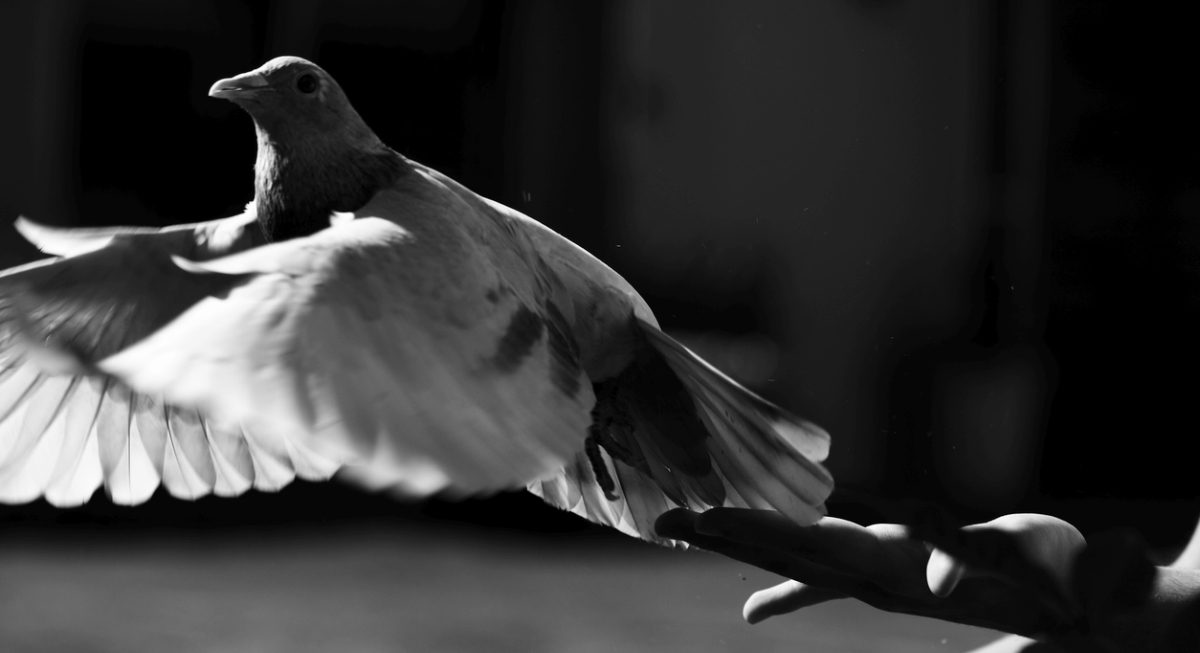
Gustav
Credit: iStockphoto
Reliable communication played a direct role in military coordination, and messenger pigeons handled tasks when other systems failed. Gustav carried one of the earliest reports describing the D-Day landings in June 1944. He flew more than 150 miles across the English Channel in just over five hours. The message reached its destination and confirmed events already underway.
Siwash
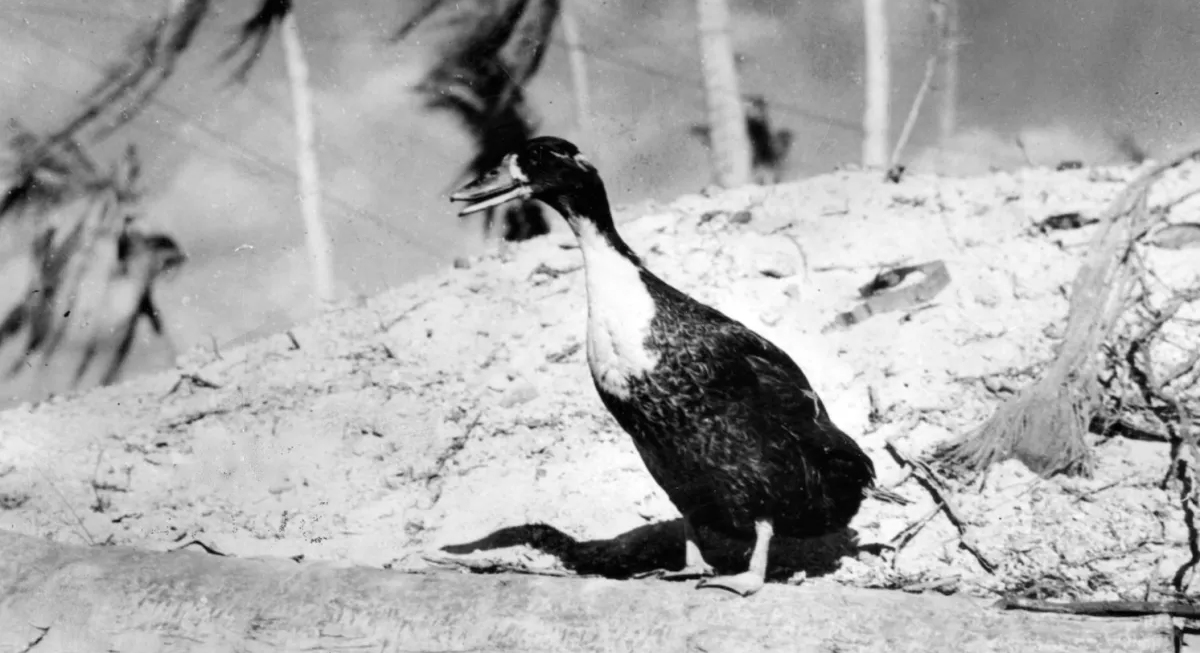
Credit: Wikimedia Commons
A published account described Siwash, the duck accompanying U.S. Marines in several engagements in the Pacific. The evidence documented an incident in which the animal confronted a rooster during a landing and continued despite sustaining injuries. Observations also noted that Siwash delayed receiving treatment until other members of the unit were cared for first.
Sgt. Bill
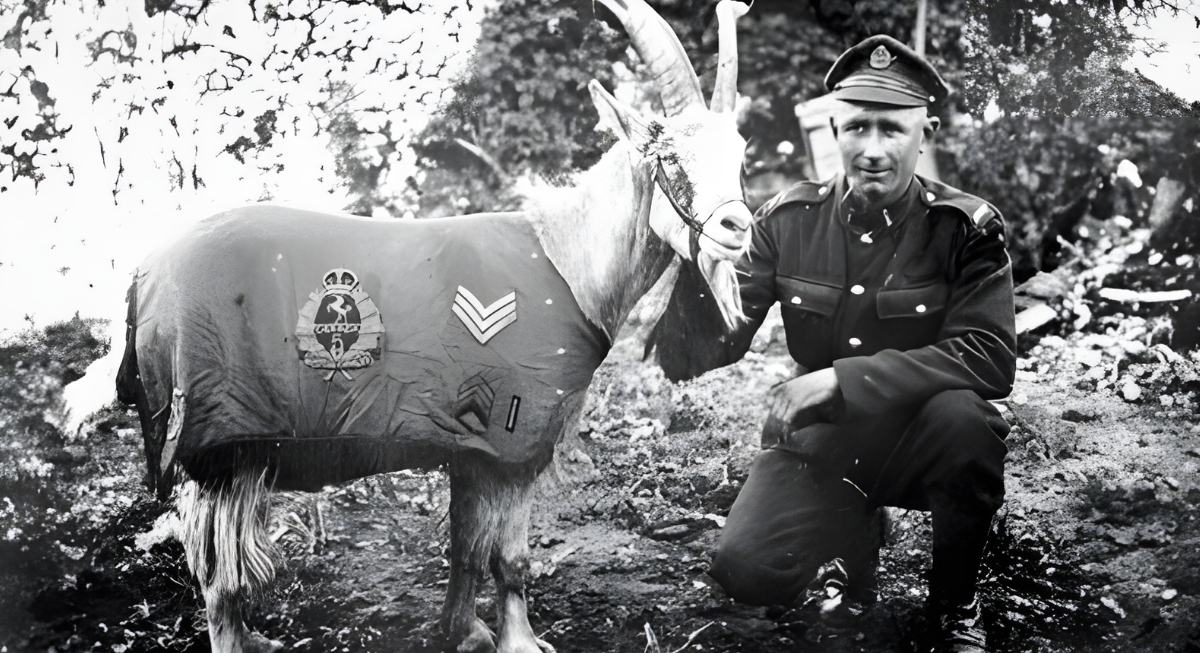
Credit: Wikimedia Commons
Believe it or not, a goat was given several awards, which included the 1914 Star, the Victory Medal, and the General Service Medal. Sgt. Bill served with the Canadian forces after he was transported overseas. In an incident, he pushed three soldiers into a trench moments before an explosion. That action likely prevented fatalities and contributed to the formal honor he received for service.