10 Ways Animals Supposedly Predict Earthquakes and Storms
Natural disasters often strike without warning, yet stories of animals sensing danger long before people have circulated for centuries. Farmers and eyewitnesses have all reported unusual behavior in the hours or days leading up to calamities. Scientists remain cautious about drawing firm conclusions, though a growing body of research explores how animals might detect subtle environmental signals. These observations create an intriguing mix of folklore, science, and curiosity.
Elephants Fleeing Before Tsunamis
Credit: pixabay
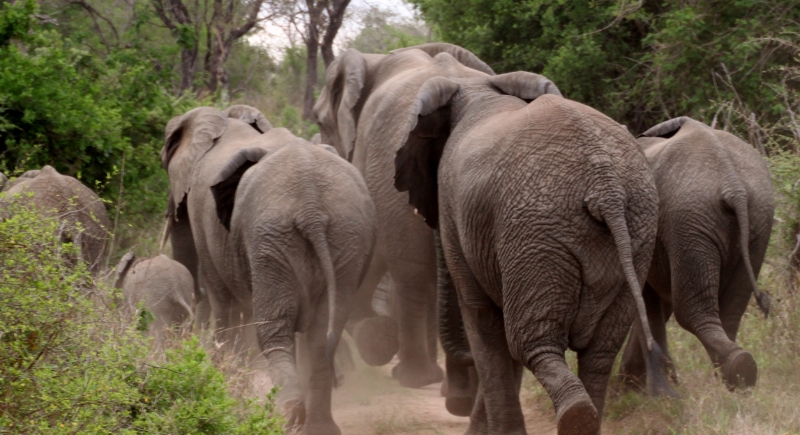
During the 2004 Indian Ocean tsunami, elephants at Yala National Park reportedly moved inland well before the waves struck the coast. Observers said the animals trumpeted loudly and climbed toward higher ground. Scientists believe elephants may detect distant vibrations through their feet. Their sensitivity to low-frequency sounds may enable them to detect large ocean disturbances.
Farm Animals Growing Restless Before Quakes
Credit: Canva
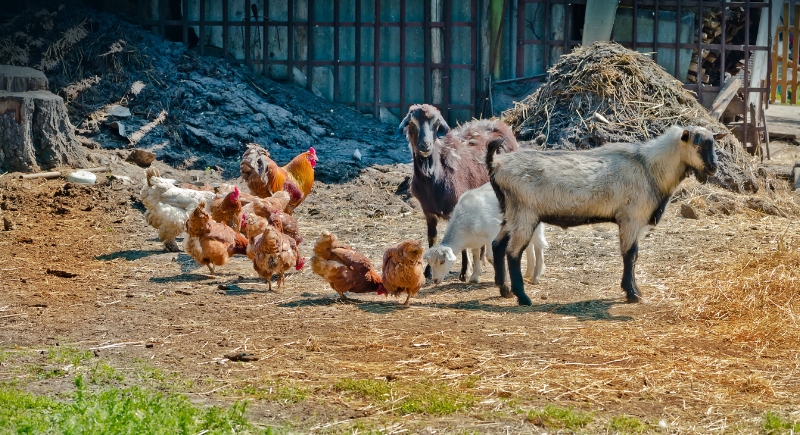
Researchers in Italy attached motion sensors to cows, sheep, and dogs on a farm in an earthquake-prone region. Animals showed bursts of unusual movement before several earthquakes. Scientists recorded a pattern of continuous movement lasting more than forty-five minutes. The animals closest to the epicenter tended to react earlier than those farther away.
Birds Suddenly Leaving an Area

Credit: pexels
Wildlife cameras inside a Peruvian national park captured a curious pattern before the 2011 Contamana earthquake. The number of animals recorded by motion-triggered cameras began dropping weeks before the event. Birds were among the earliest to disappear. By the time the earthquake struck, the cameras recorded almost no wildlife movement. Researchers later linked this unusual absence to atmospheric electrical disturbances measured in the same region.
Snakes Abandoning Their Burrows

Credit: pexels
Chinese earthquake monitoring programs sometimes watch animal behavior alongside seismic instruments. Snakes have drawn particular attention. Reports describe snakes leaving underground burrows days before certain earthquakes. One well-known case occurred before the 1975 Haicheng earthquake in China. Observers claimed snakes crawled out of hibernation even during cold weather.
Dogs Refusing To Go Outside

Credit: Getty Images
Pet owners occasionally report odd behavior from their animals before earthquakes. Dogs are mentioned often. Before the 2004 tsunami, many coastal residents in Thailand said their dogs refused to go on morning walks along the beach. The animals resisted being led toward the shoreline. Scientists suggest that dogs might detect vibrations and unusual sounds that people fail to notice in everyday life.
Buffalo Stampeding To Higher Ground
Credit: Canva
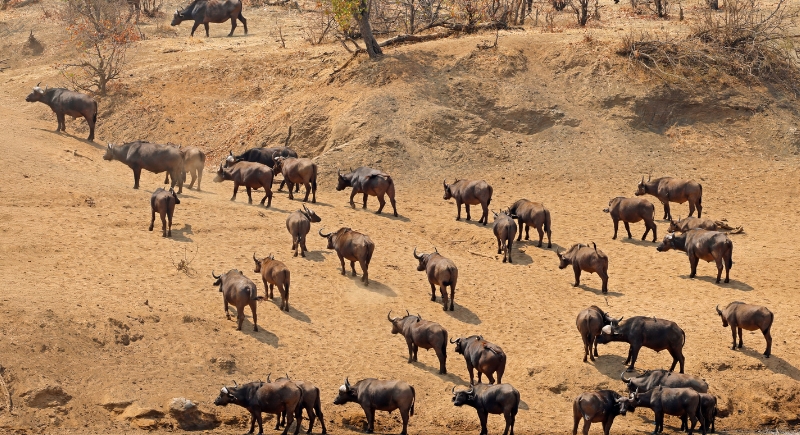
Eyewitnesses in the Thai village of Bang Koey described a striking scene shortly before the 2004 tsunami. A herd of buffalo stood near the shoreline when the animals suddenly raised their heads and stared toward the sea. Moments later, the group ran up a nearby hill. Villagers followed the movement. Minutes afterward, massive waves reached the coast.
Horses Reacting Before Historic Earthquakes

Credit: Getty Images
Reports from the 1906 San Francisco earthquake describe horses becoming agitated shortly before the ground began shaking. Witnesses said the animals broke loose from their reins and ran through nearby streets. Similar observations were recorded in accounts of the 1805 Naples earthquake, when livestock reportedly began calling loudly just before the tremors began.
Animals Detecting Early Seismic Waves

Credit: pixabay
Seismologists offer a practical explanation for at least part of this mystery. Earthquakes release a fast-moving signal called a primary wave, or P-wave, before the stronger shaking arrives. These early vibrations are subtle enough that many people miss them. Animals with sensitive hearing or touch may notice the signal.
Birds Escaping Approaching Storm Systems

Credit: Canva
In one well-known case, researchers studying golden-winged warblers in Tennessee watched the birds suddenly abandon their nesting grounds. The flock traveled hundreds of miles south. Days later, a major tornado outbreak swept through the region. Scientists suspect the birds detected distant infrasound produced by severe storm systems forming far away.
Chemical Changes Animals May Sense

Credit: Getty Images
Another possible explanation involves subtle chemical signals released before earthquakes. Stress building in underground rock can trigger reactions that release gases and electrical charges near the surface. These changes may alter the smell of groundwater or soil. Animals with powerful senses of smell could detect these shifts.