10 Animals That Sleep Less Than 2 Hours a Day
When it comes to animals and their sleep cycles, sleep researchers still struggle to answer some important questions. Certain species survive through scattered naps or highly unusual forms of rest. Researchers discovered that the reason behind these anomalies can be migration habits, feeding demands, predator threats, and body size.
African Elephant
Credit: pexels
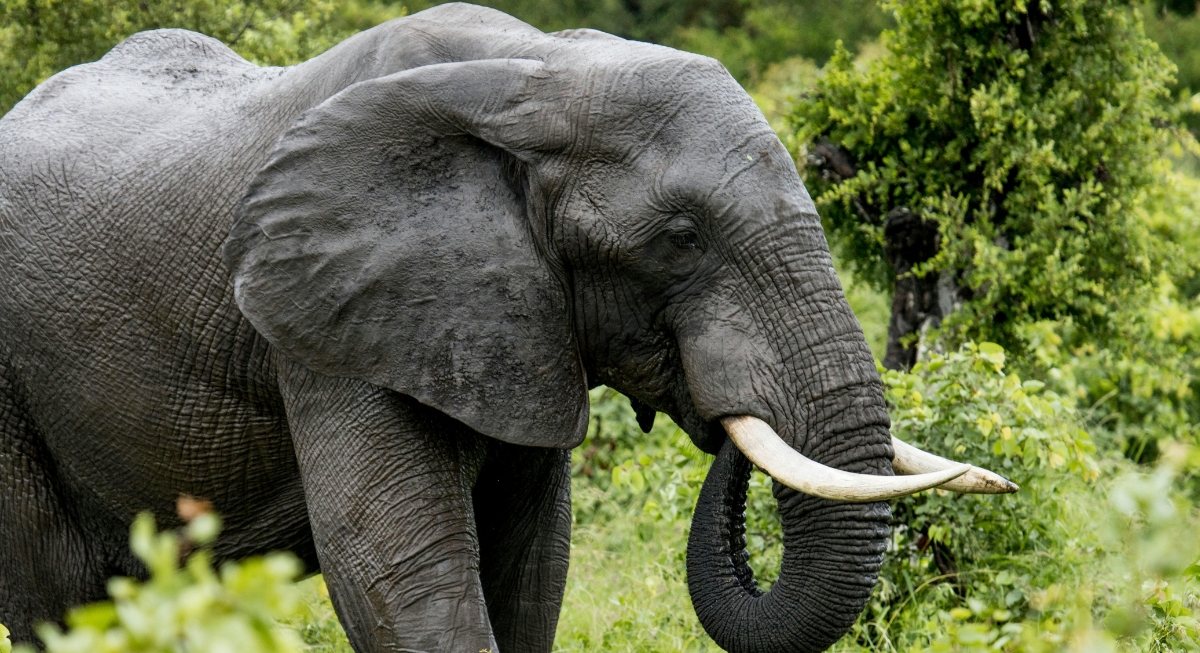
Large herbivores spend much of their lives searching for enough food to support massive bodies. African elephants are no exception, as they travel constantly across wide territories while feeding, leaving little time for extended rest. They have been observed sleeping for only about two hours each day, usually through short nighttime naps.
Alpine Swift
Credit: Getty Images
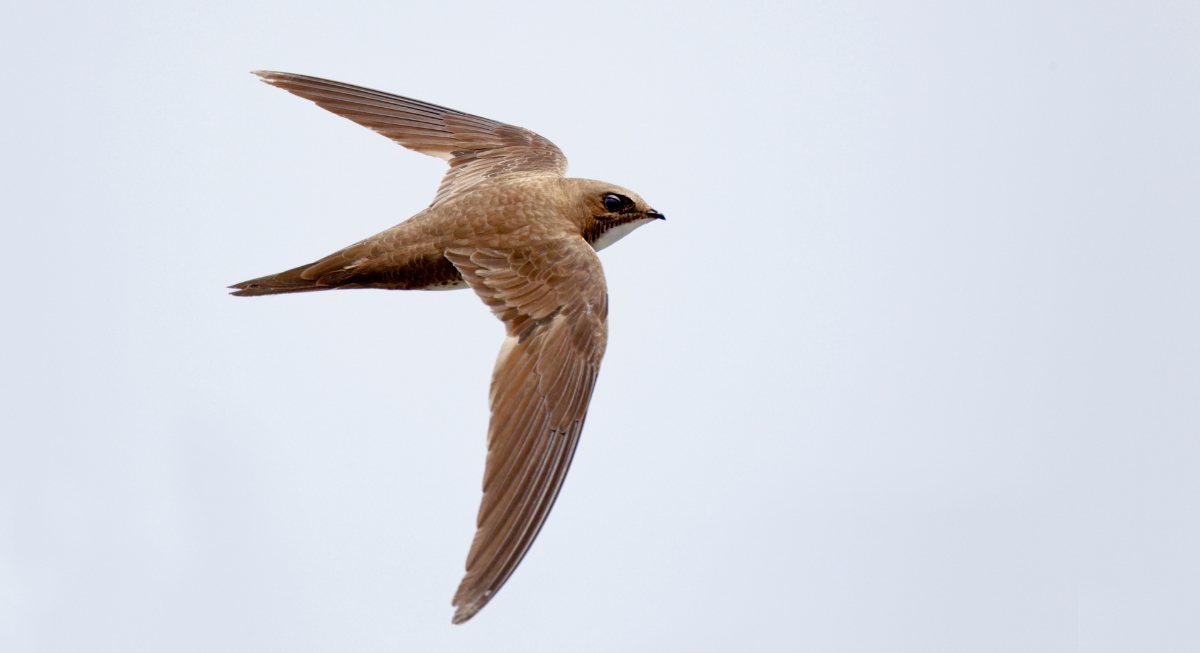
Tracking devices attached to alpine swifts revealed one of the strangest migration stories in the animal kingdom. Researchers found that these birds can stay airborne for roughly 200 consecutive days without landing. Traditional sleep would disrupt movement and pose serious risks to migration routes. Alpine swifts instead rely on microsleeps that last only seconds.
Dolphin
Credit: Getty Images
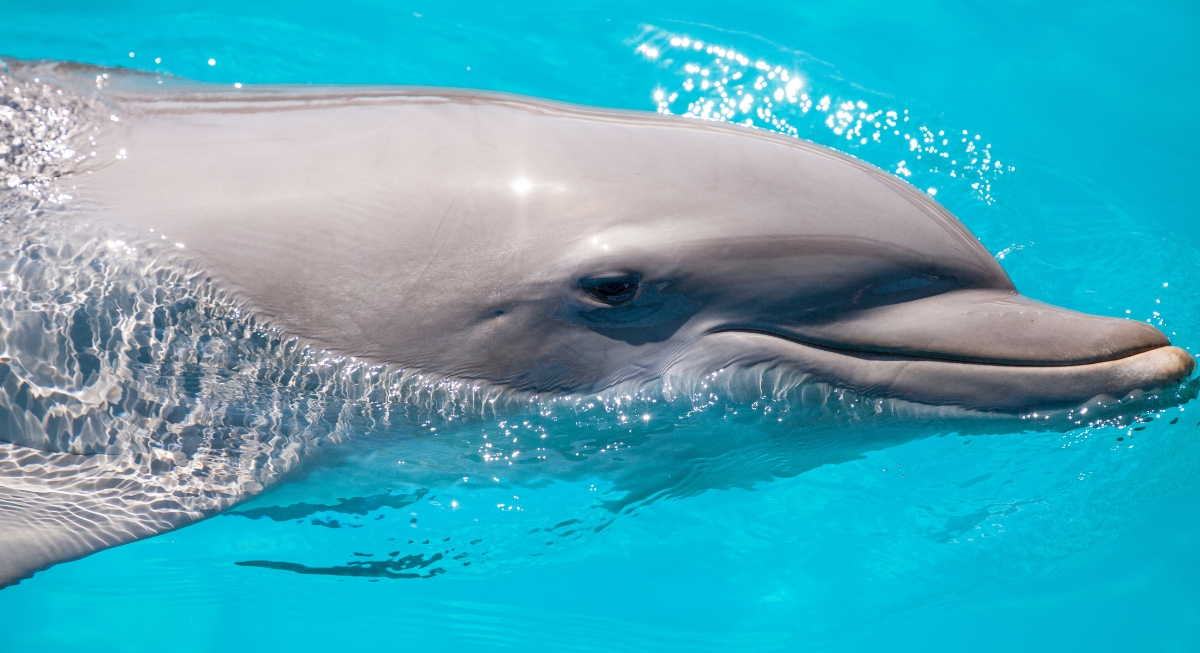
It is quite common for dolphins to sleep with only half of their brain at a time. During these rest periods, one hemisphere enters a sleep state while the other remains alert enough to control breathing, monitor the environment, and guide basic movement. This pattern developed because dolphins must be aware of their surroundings and continue surfacing for air throughout rest.
Elephant Seal
Credit: pexels
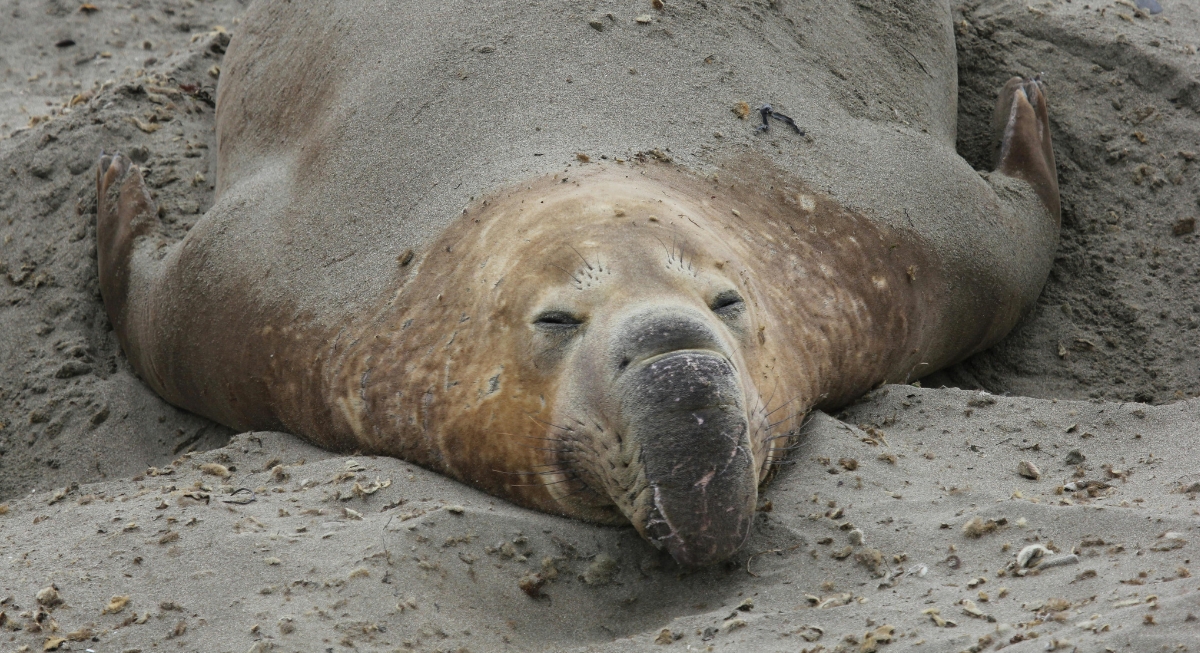
Elephant seals have become one of the most unusual subjects in sleep research due to their limited sleep schedule. During long ocean journeys, these creatures average about 1 hour of sleep each day as they hunt for underwater prey. Scientists believe this behavior developed under survival pressures associated with hunting and migration.
Giraffe
Credit: Getty Images
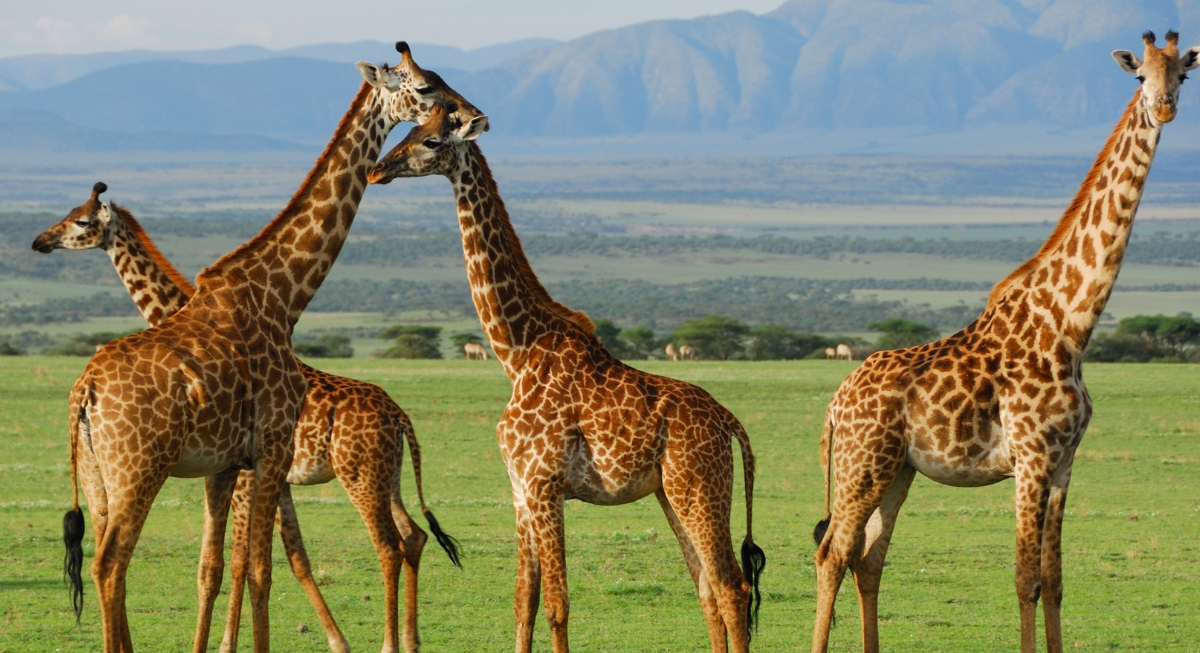
Older studies once claimed giraffes slept only thirty minutes daily, though later research suggested longer periods of lighter rest. Experts continue to consider giraffes among the shortest-sleeping mammals since most naps last only a few minutes. One reason for this is that standing up quickly takes effort for such tall animals, so extended sleep can leave them vulnerable to predators.
Great Frigatebird
Credit: Canva
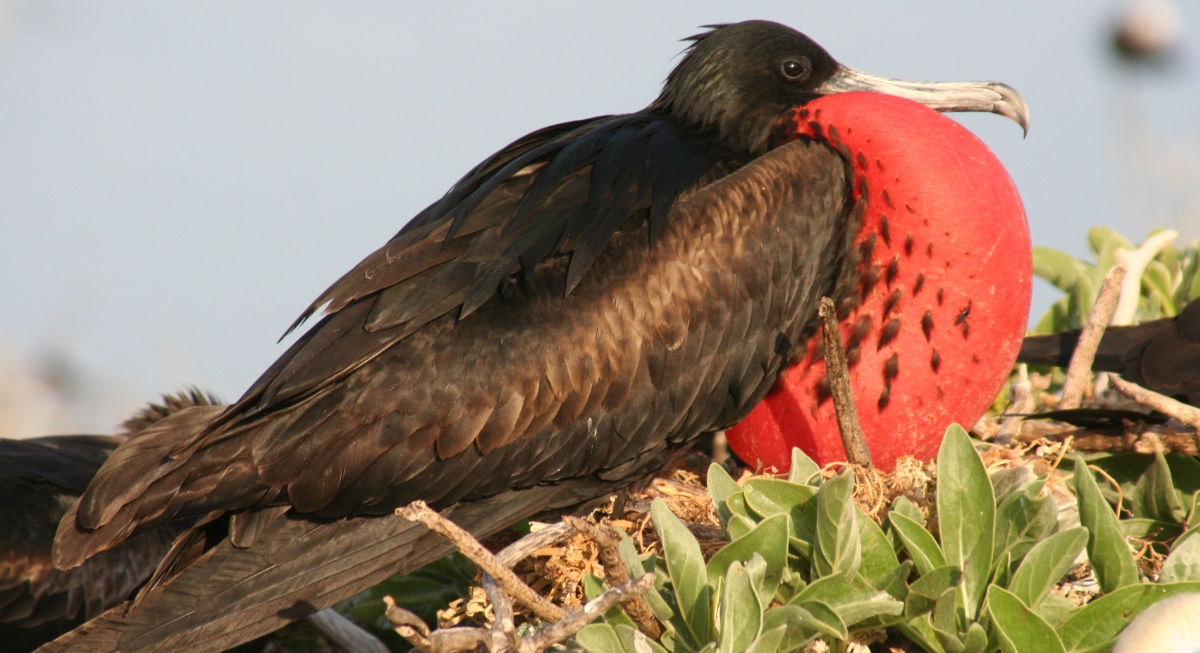
Much like dolphins, great frigatebirds rely on unihemispheric sleep to rest without becoming completely unaware of their surroundings. As a result, they sleep for less than an hour each day during long flights over open water. You may notice that individual naps last only a few seconds before the bird becomes fully alert again.
Bullfrog
Credit: pexels
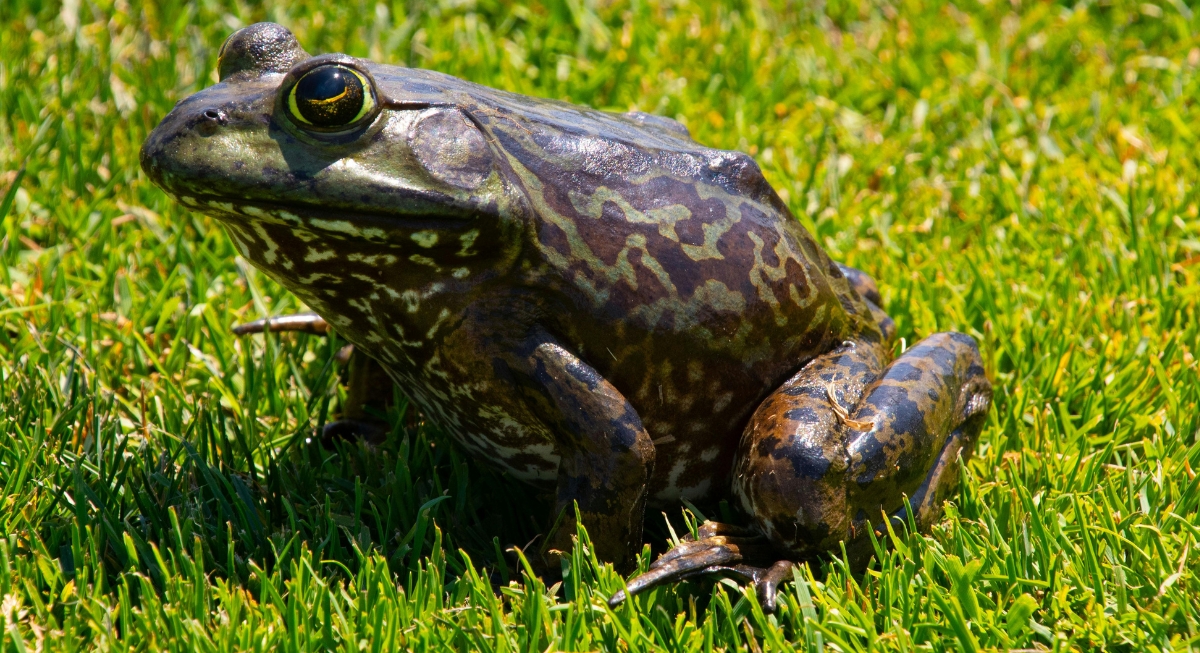
For decades, bullfrogs have carried a reputation as animals that never sleep. However, it was later discovered that these animals enter periods of reduced activity rather than remain in complete wakefulness. In times like these, they react more slowly, though the frogs still respond rapidly to danger nearby.
Shark
Credit: Getty Images
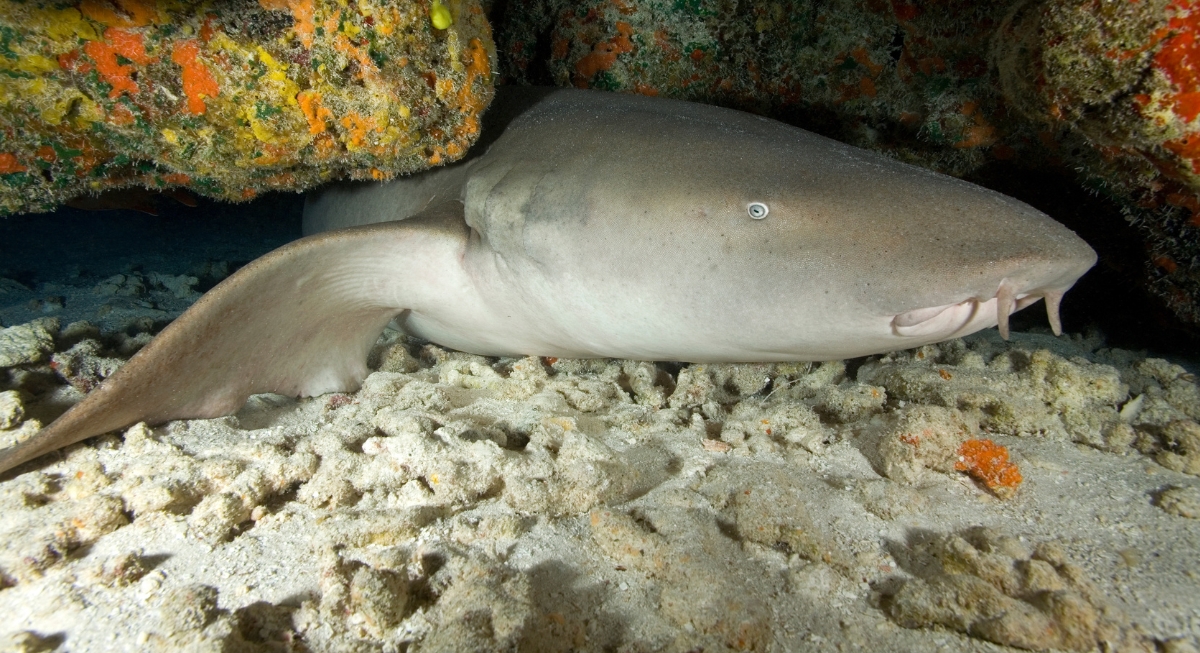
You may have seen movies where sharks are portrayed as animals that never stop moving, but the reality varies widely by species. Great white sharks require steady movement, as water must continuously pass over their gills for oxygen intake, while nurse sharks rely on a different system called buccal pumping, which allows them to remain still near the seafloor. As a result, shark sleep can be described as alternating between active and passive states.
Jellyfish
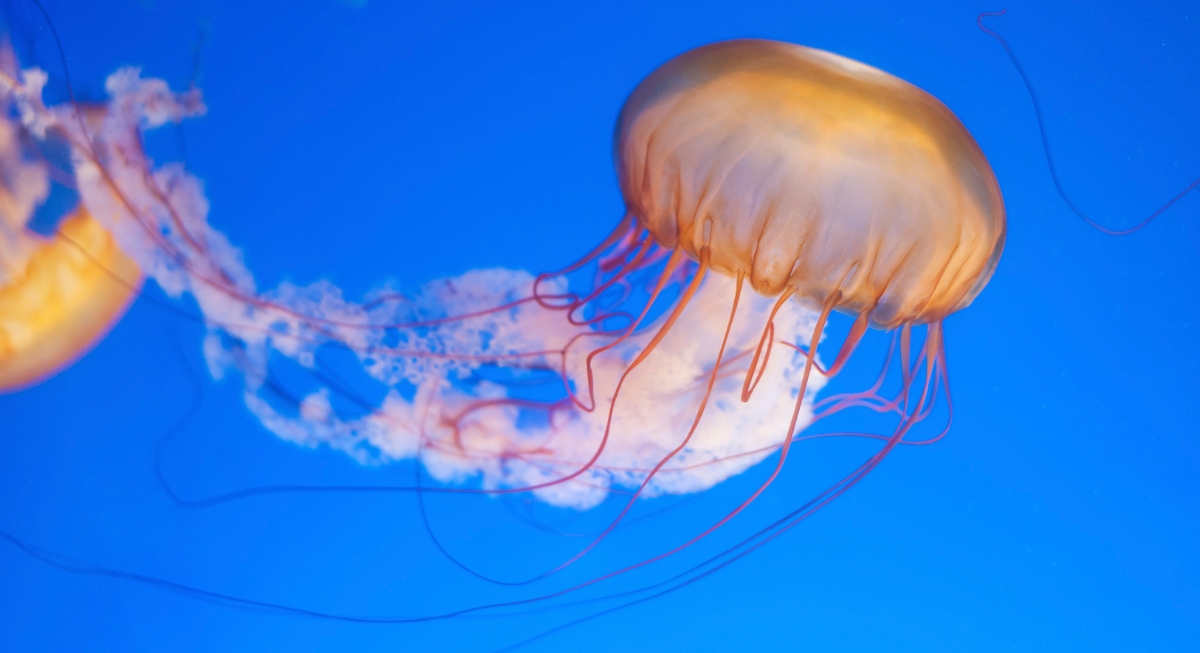
Credit: Getty Images
Not many people are aware of this, but jellyfish lack both a brain and a central nervous system, which makes their connection to sleep especially fascinating. A 2017 study reported that when resting, their pulsation rates slowed and responses to external stimulation weakened noticeably. And these changes were treated as evidence of a primitive sleep-like state.
Sea Urchin
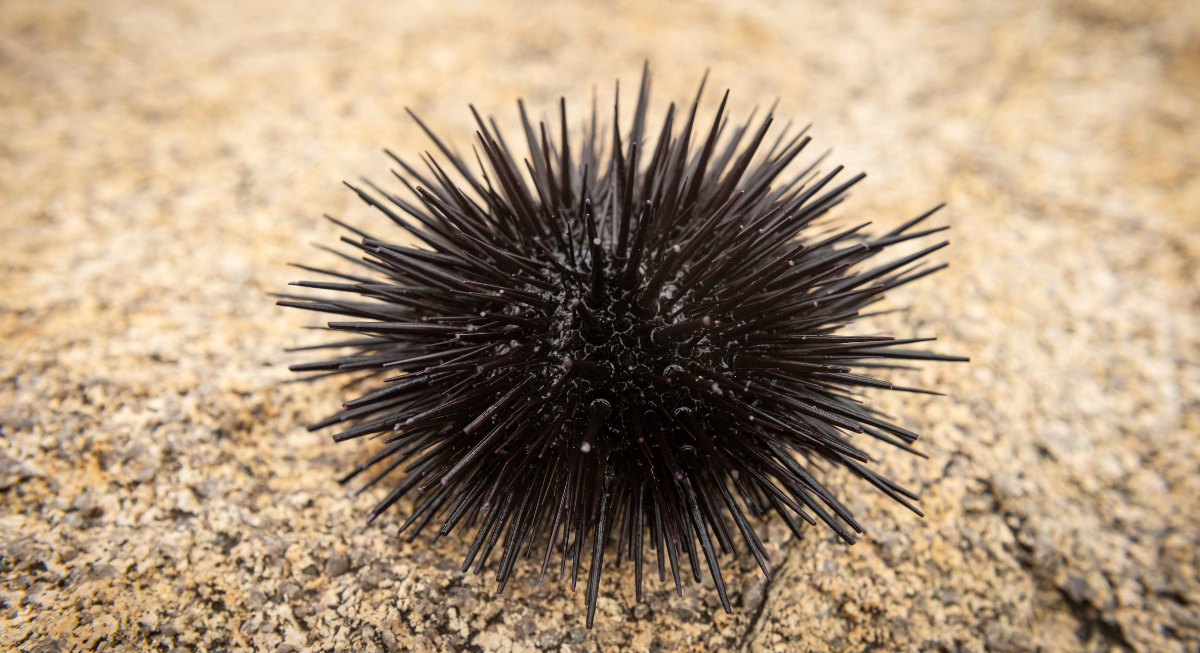
Credit: Getty Images
Because sea urchins do not have a brain, measuring sleep is far more complicated than it is in mammals. It is not possible to rely on traditional neurological methods, which is where behavioral patterns become important. They reveal that the species become inactive at similar times, most likely as a way to conserve energy in underwater environments where resources may fluctuate.