Bizarre Ways Animals Survive Winter
Winter pushes every species in its own direction, and some creatures respond with solutions that feel almost improvised until you realize how long they’ve been refining them. The cold becomes a test of endurance, but also a chance to see how inventive different animals can be when the temperature drops. Once you look closely at the tricks they rely on, the season starts to feel less like a threat and more like a strange kind of showcase.
American Black Bears
Credit: Wikimedia Commons
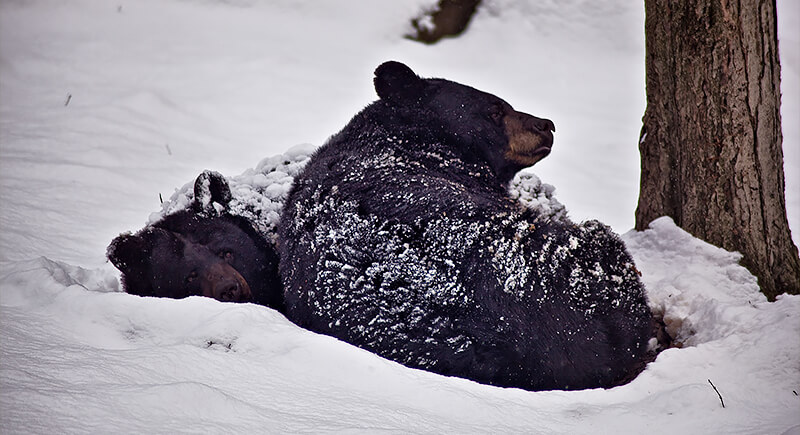
A hibernating black bear barely moves for months, which saves energy when food is impossible to find. It builds fat in the fall, sometimes reaching around 20,000 calories a day, and lives off that supply all winter. The bladder reabsorbs urine, which allows the body to recycle water and minerals.
Frogcicles
Credit: Instagram
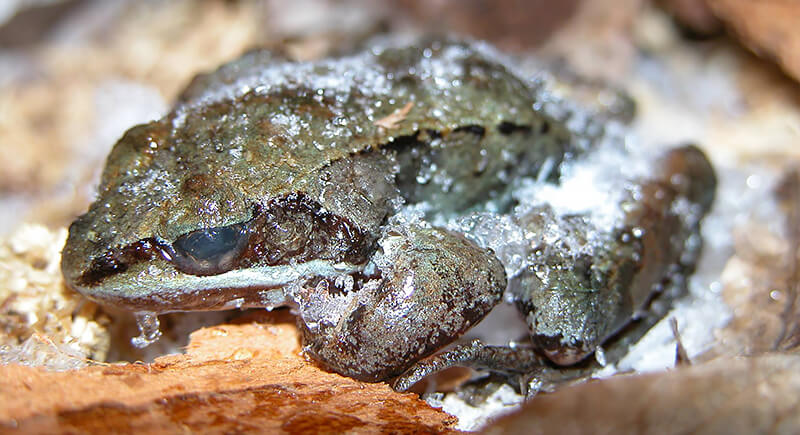
Wood frogs let themselves freeze solid. As temperatures drop, their bodies push glucose and glycogen into cells to act as antifreeze. The heart stops, as well as breathing, but ice doesn’t form inside the cells where it could do damage. When spring warms things up, the frog thaws, the heart starts again, and it goes back to hopping around like freezing itself was normal.
Insects in Diapause
Credit: Wikimedia Commons
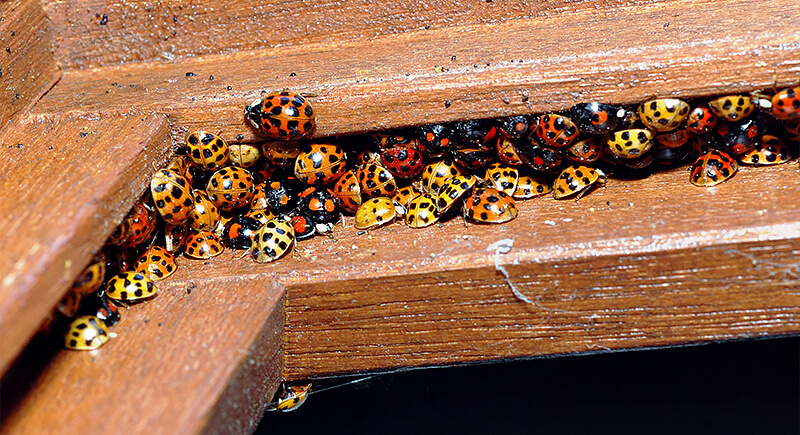
A lot of insects basically press pause. Ladybirds bunch up in window frames or shed corners. Butterflies sit still in cold rooms. Eggs and pupae hide in soil and leaf litter. Diapause slows everything down, so they burn almost no energy. Once warmer weather returns and plants put out fresh growth, these insects wake up and get moving again.
Snowshoe Hares
Credit: Wikimedia Commons
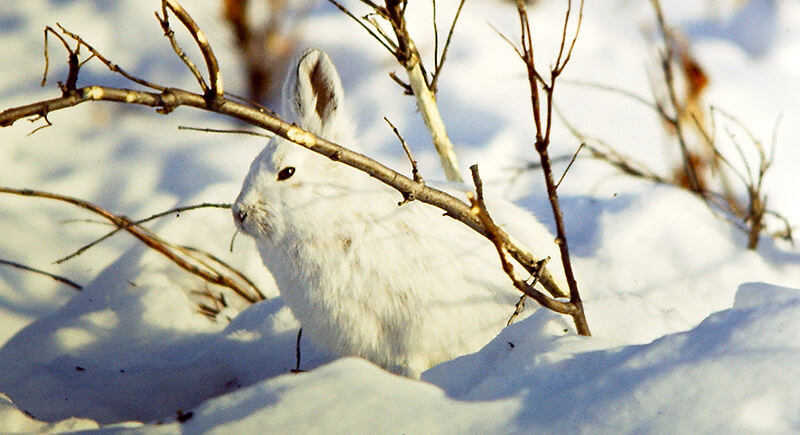
Snowshoe hares rely on a seasonal color swap: their brown summer coat shifts to white as the days shorten, usually coinciding with new snowfall. The problem now is that climate change can delay snow, so hares sometimes turn white early and stand out against brown ground. That makes them easier targets for predators.
Arctic Foxes
Credit: Wikimedia Commons
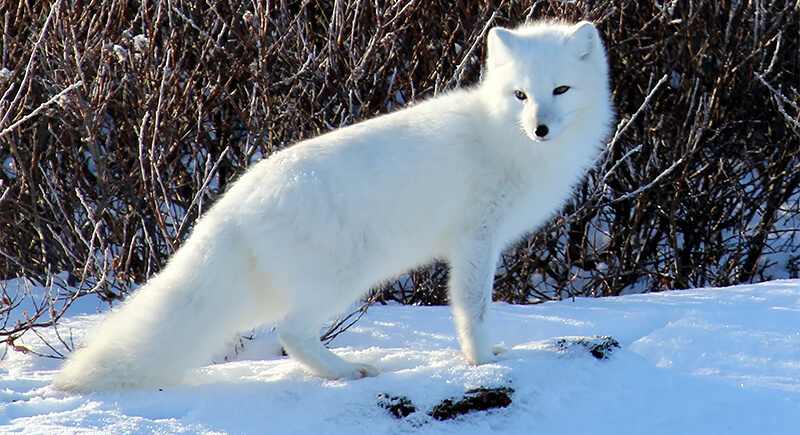
The Arctic fox also switches coats, but it adjusts how its entire body copes with freezing air. Thick fur grows on its paws, which works like natural boots on ice. It stays active even when temperatures sink well below zero. When food gets scarce, it scavenges leftovers from larger predators or digs through snow to find hidden prey.
Dormice
Credit: Wikimedia Commons
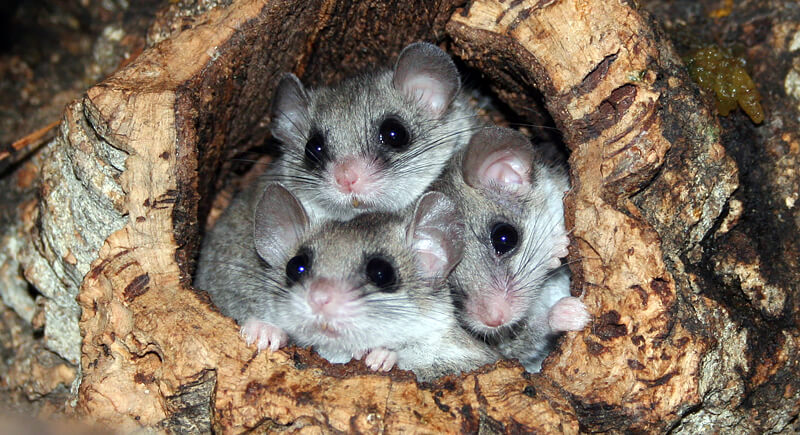
In tightly built nests, hidden in roots or shallow soil, dormice sleep through winter. Before that, they spend the fall eating anything with enough calories to hold them over. Their bodies cool down, and their heart rate slows, so they don’t burn much energy. They stay tucked away until warmer temperatures signal that food will be available again.
Bats
Credit: Wikimedia Commons
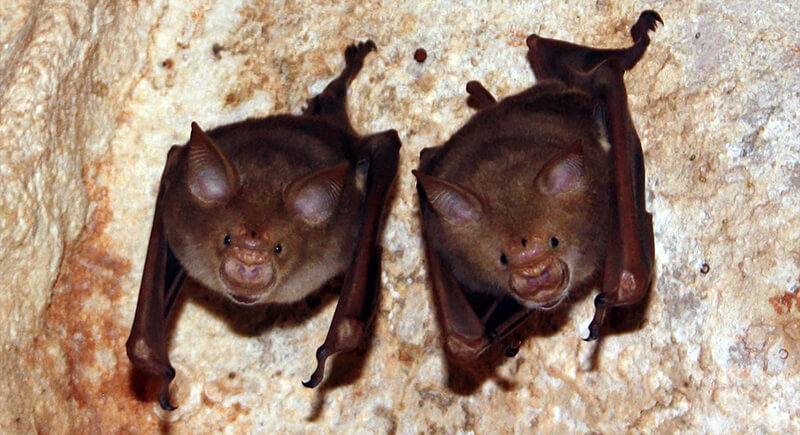
British bats like pipistrelles hibernate in caves, tree hollows, and quiet roof spaces. Pipistrelles can squeeze through gaps as narrow as 13 millimeters, which helps them find cool, stable places where their bodies can slow down safely. Disturbing them is a big problem because waking burns energy they can’t replace in winter.
Amphibians Underwater
Credit: Wikimedia Commons
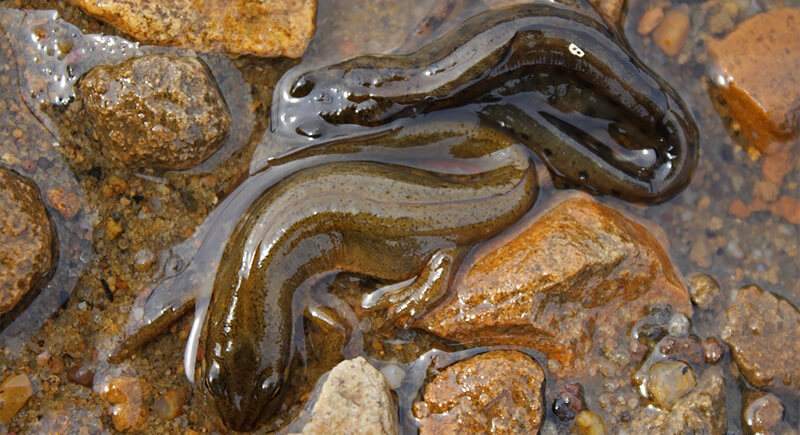
Frogs and newts often spend winter at the bottom of ponds. Their oxygen needs are tiny when they’re dormant, so they switch to absorbing oxygen through their skin. Toads usually avoid freezing underwater by settling into moist soil or compost heaps, which help keep their bodies from drying out.
Migrating Birds
Credit: pexels
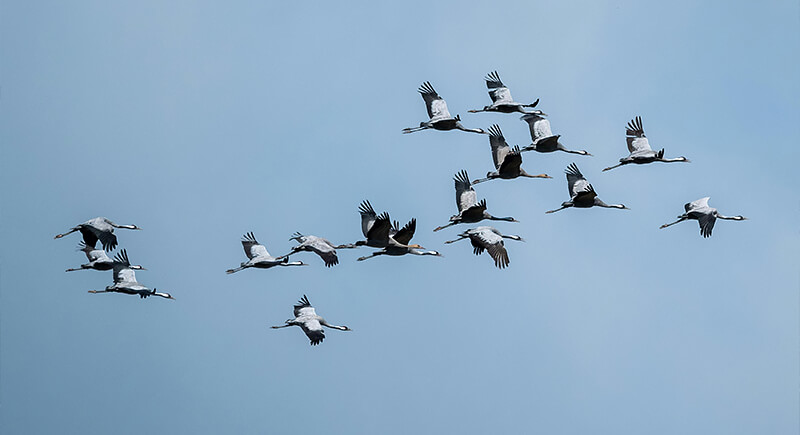
Many birds avoid the problem by leaving. Some head to Europe or Africa, and others fly into the UK from colder parts of Scandinavia. Research suggests birds can sense dangerous storms before they form. They may be using infrasound or cloud cues, but either way, they shift their flight paths to avoid trouble.
Insects Waking in Spring
Credit: pxHere
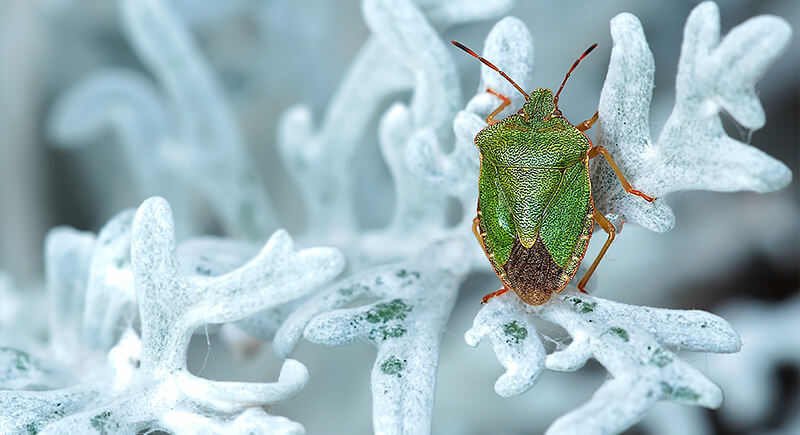
When spring settles in, insects use rising temperatures and new plant growth as signals to move again. Those that hid in diapause emerge to feed, mate, and restart their life cycles. Their timing has to match what’s happening in their environment, which is why climate change puts pressure on them.