7 Animals That Can Survive in Space
Most living organisms break down instantly when exposed to outer space. With no oxygen, crushing radiation, and extreme temperatures, space is lethal in every way. But a few lifeforms have pushed past the limits of biology, either by surviving direct exposure or by adapting to conditions that simulate space’s most dangerous elements.
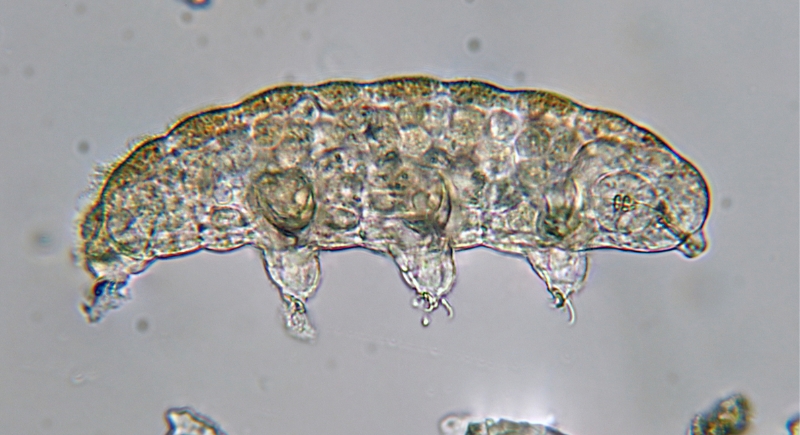
Tardigrades Survive Full Exposure to Space
Credit: Wikimedia Commons
Tardigrades are the most studied animal to survive direct contact with space. These microscopic animals enter a tun state, drying out completely and halting all metabolism. In this form, they can resist radiation and protect their DNA. In 2007, tardigrades endured open space on the FOTON-M3 mission, then revived and reproduced when rehydrated .
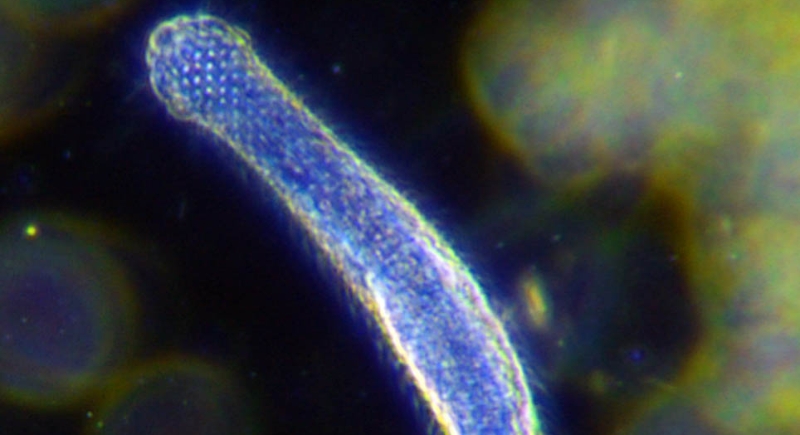
Gastrotichs Withstand Conditions Similar to Space
Credit: Wikimedia Commons
Though they haven’t yet flown beyond Earth, gastrotrichs show biological traits similar to tardigrades and rotifers. These aquatic microorganisms can survive being dried out and frozen solid, which are core challenges for surviving space. Their ultra-short lifespan limits how long they can be studied, but their toughness makes them likely candidates for future missions.
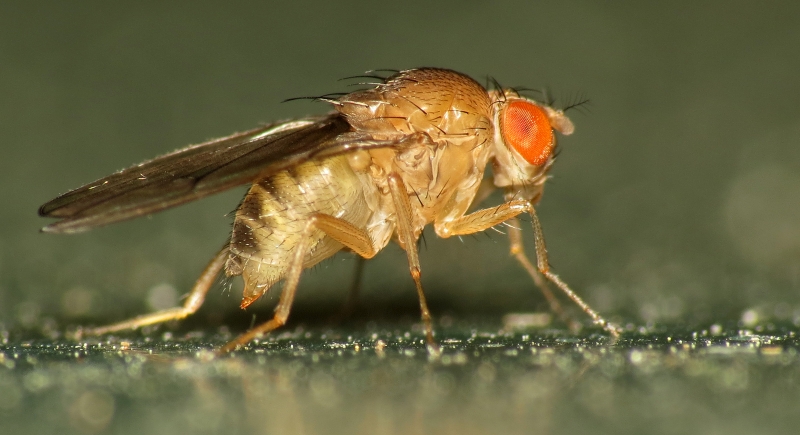
Fruit Flies Were the First Animals in Space
Credit: Wikimedia Commons
On February 20, 1947, fruit flies became the first living beings to travel to space. Launched aboard a V-2 rocket, they reached suborbit and helped researchers assess the effects of radiation. Decades later, their genetic similarities to humans kept them relevant in space-based studies on immunity, gene mutation, and cardiovascular function .
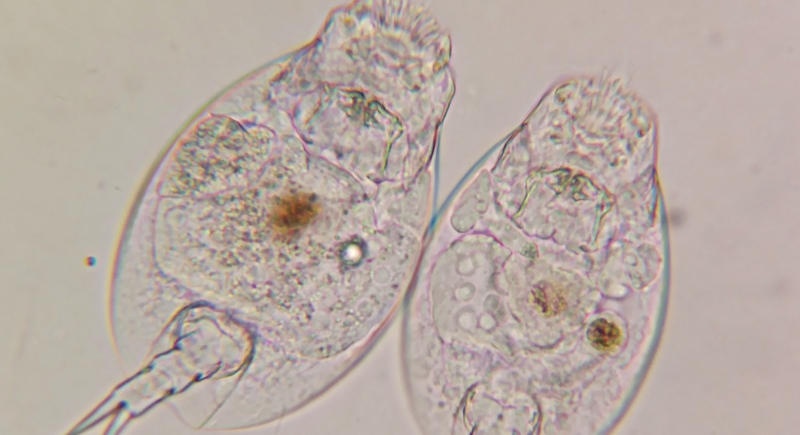
Rotifers Can Absorb Foreign DNA to Survive
Credit: Wikimedia Commons
Rotifers already had a reputation for surviving dryness by shutting down all activity. But in Siberia, researchers thawed frozen soil and found live bdelloid rotifers that had been dormant for about 24,000 years. What’s more, they started reproducing within days. These tiny animals even incorporate foreign DNA, which may help them handle environmental stress.
Cockroaches Gave Birth During a Spaceflight
Credit: Canva
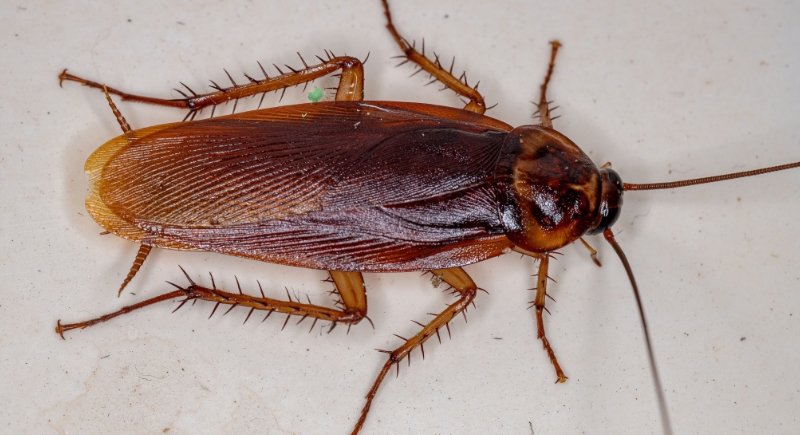
In 2007, a cockroach named Nadezhda gave birth while orbiting Earth. Part of the FOTON-M biosatellite mission, she proved space reproduction wasn’t out of the question for insects. Earlier studies had already shown that cockroaches could tolerate low-pressure environments longer than most insects, but the ability to give birth made it harder to overlook their resilience.
Brine Shrimp Withstand Space Travel in Dormant Form
Credit: Wikimedia Commons
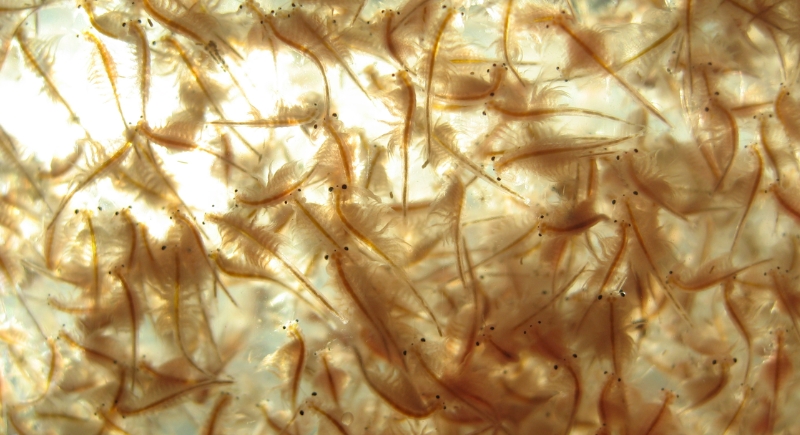
Brine shrimp, commonly sold as sea monkeys, have proven they can survive space travel while dormant. Dried into protective cysts, they were carried aboard missions such as Apollo 16 and 17. Although many embryos exposed to heavy radiation failed to survive, some returned to Earth, hatched successfully, and developed as expected. The cyst state allows brine shrimp to endure extreme environments, including the harsh conditions of space.
Nematodes Survived the Columbia Shuttle Disaster
Credit: Wikimedia Commons
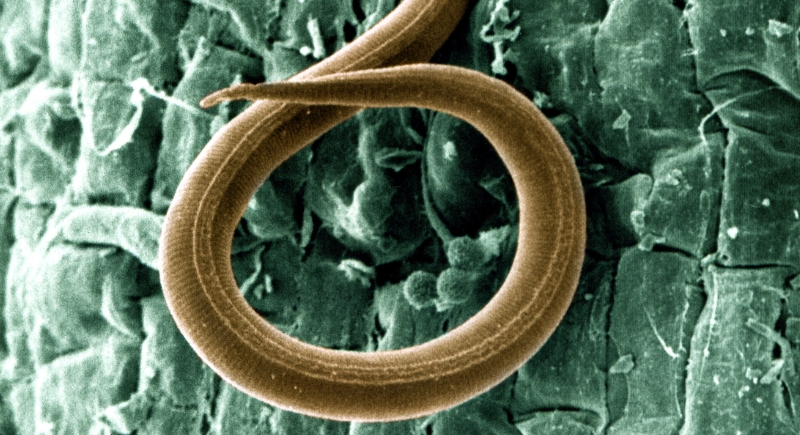
Nematode worms were part of NASA’s Columbia shuttle mission in 2003. After the shuttle broke apart during reentry, researchers recovered storage canisters and found the worms alive. Their survival helped show how life might endure extreme accidents in spaceflight. Scientists still study them to learn more about aging, muscle loss, and gene behavior in space.