10 Technological Advances That Animals Had First
Long before humans built labs, filed patents, or sketched blueprints, animals were already solving the same problems we struggle with today. Nature has spent millions of years refining ways to move faster, see better, stick to surfaces, and survive extreme conditions. Many of the technologies we call modern are really careful copies of strategies animals mastered first. This list looks at animal innovations that inspired some of our smartest technology.
Silent Flight Soundproofing
Credit: pexels
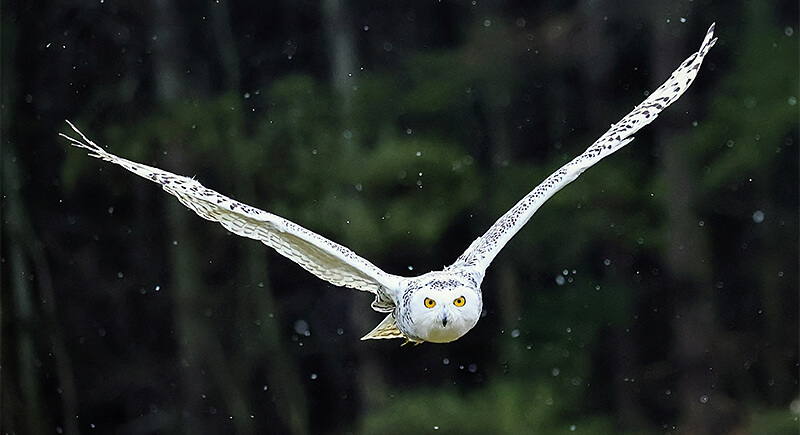
Owls’ wing feathers have a unique structure that breaks up air turbulence and muffles noise. This design inspired sound-dampening materials used in aircraft and even fan blades. The barn owl in particular has been studied closely because its soft, fringed wings help it sneak up on prey. Engineers took notes, and now we benefit from a quieter world.
Early Warning Systems With UV Vision
Credit: Wikimedia Commons
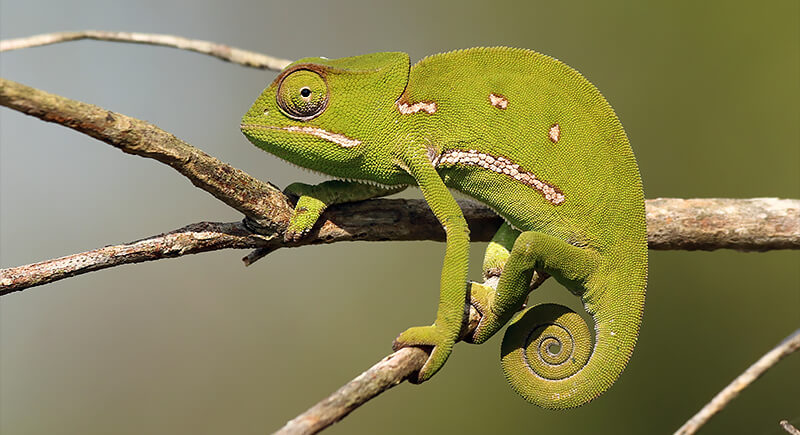
Chameleons have more light-sensitive proteins than we do, which allows them to detect UV light that most people miss. This ability helps them detect predators and possibly even choose mates. UV-sensitive materials for sunscreen labels, counterfeit detection, and security markings were developed by understanding how animals like chameleons process light beyond the visible spectrum.
Natural Night Lights
Credit: Getty Images
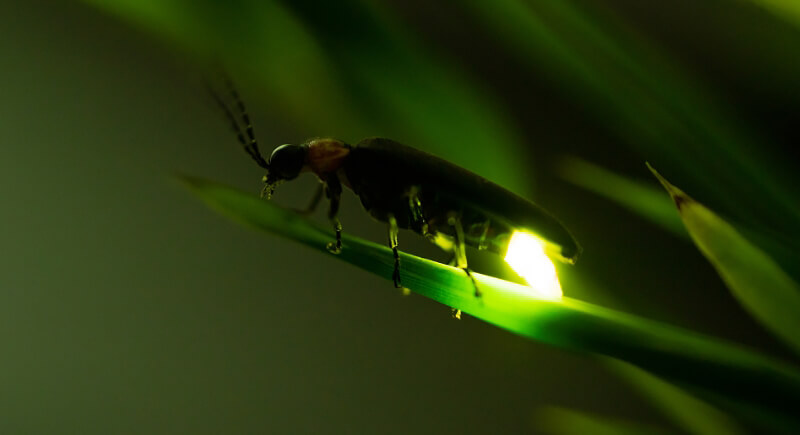
Fireflies and deep-sea animals evolved bioluminescence as a practical tool for signaling, camouflage, and defense long before glow sticks existed. The light comes from a chemical reaction between luciferin and luciferase that produces no heat. Researchers now study this natural system for medical imaging and low-energy lighting.
Sticking to the Wall, Gecko-Style
Credit: Wikimedia Commons
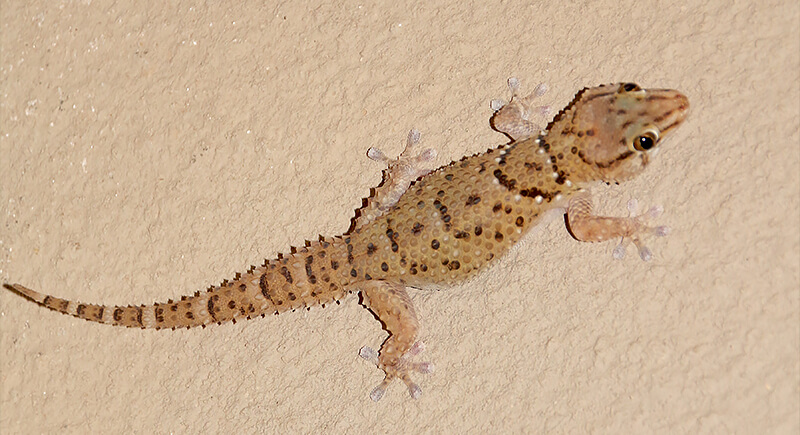
Geckos walk across ceilings like gravity forgot about them. Their toes are covered with microscopic hair-like structures that create a powerful adhesive force through van der Waals interactions. Scientists have recreated that effect with dry adhesives that can hold heavy objects yet peel off without residue.
Jet-Inspired Beak Engineering
Credit: Getty Images
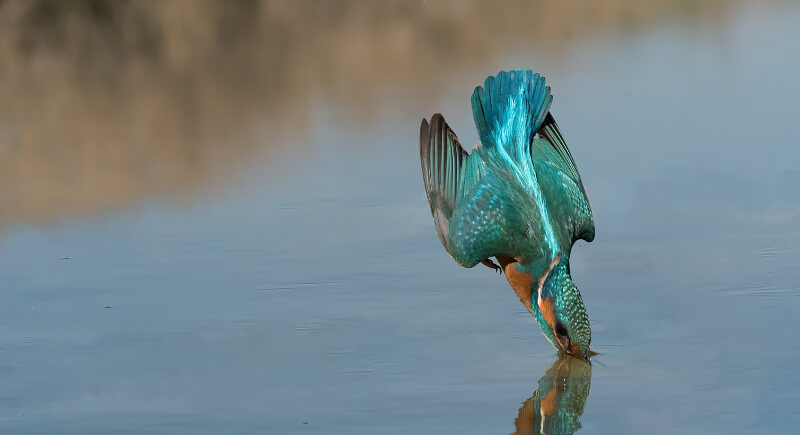
Kingfishers dive into water at high speed with almost no splash. Their long, narrow beaks reduce resistance, an idea engineers borrowed while fixing noise problems in early Japanese bullet trains. After reshaping the train’s nose, pressure booms faded, and efficiency improved.
Nature’s Velcro Prototype
Credit: Wikimedia Commons
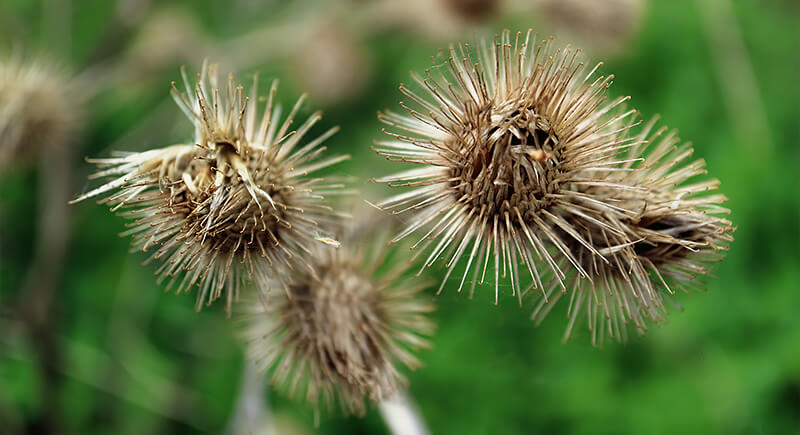
Burdock burrs clung to a Swiss engineer’s dog during a hike and wouldn’t let go. Instead of getting annoyed, he got curious. George de Mestral examined the burrs under a microscope and saw tiny hooks—nature’s fastening system. He recreated the effect with fabric and loops, and Velcro was born.
Cold-Weather Antifreeze
Credit: Reddit
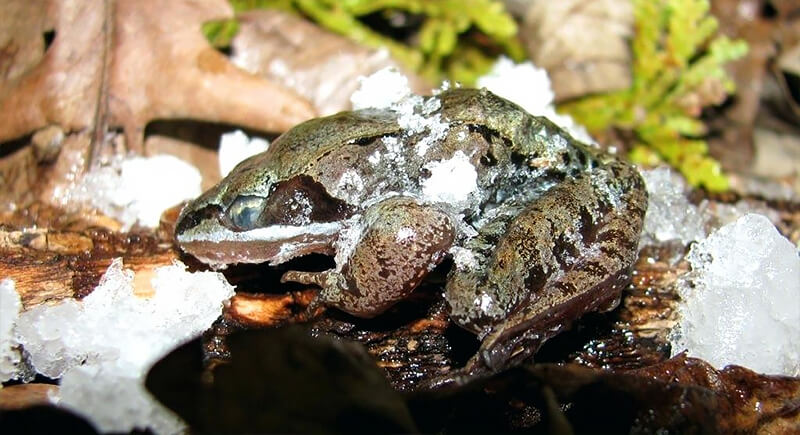
Certain fish and frogs survive freezing temperatures thanks to antifreeze proteins that prevent ice crystals from forming in their bodies. These proteins bind to ice and prevent damage to cells. Inspired by this, researchers are developing better ways to preserve organs for transplant and protect crops during frosts.
Underwater Echo Mapping
Credit: Wikimedia Commons
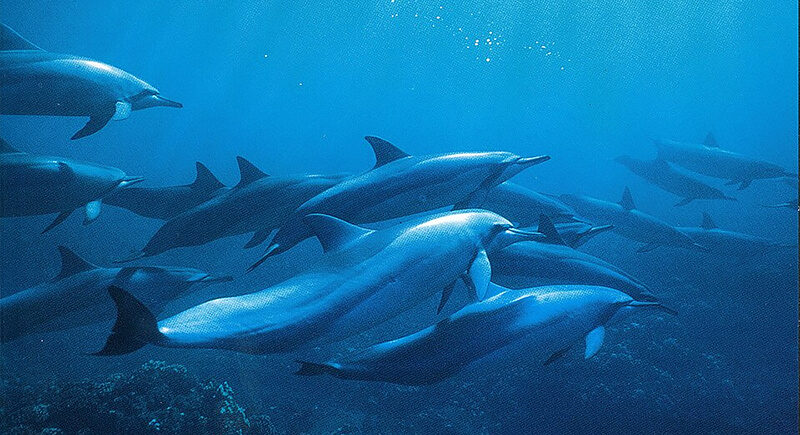
Dolphins and bats both use echolocation to navigate and hunt. By sending out clicks and listening to the echoes that bounce back, they can map their surroundings with remarkable accuracy. This concept led to sonar in submarines and ultrasound in hospitals. While our devices rely on tech, these animals manage the same process entirely through sound and instinct.
Power From the Sun, Salamander Style
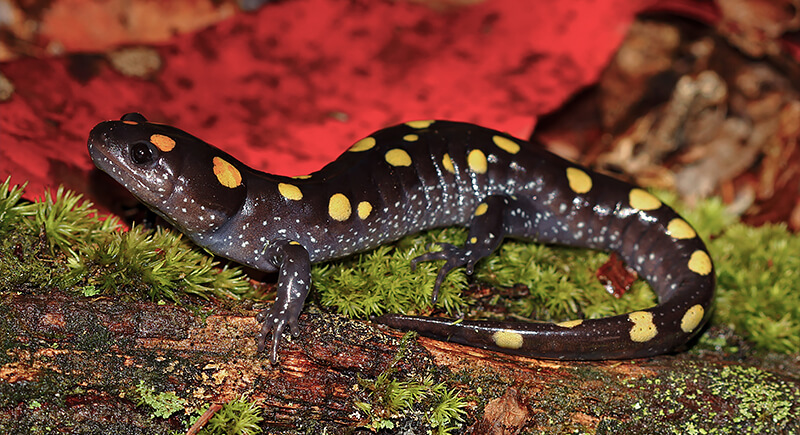
Credit: Wikimedia Commons
Spotted salamander embryos grow alongside algae living inside their cells. The algae use sunlight to produce oxygen and nutrients, which directly support the embryos’ development. This natural energy exchange shows how solar power can operate within a living system. It has pushed scientists to think differently about biological ways to move and store energy.
Self-Cleaning Surfaces From a Lotus Leaf
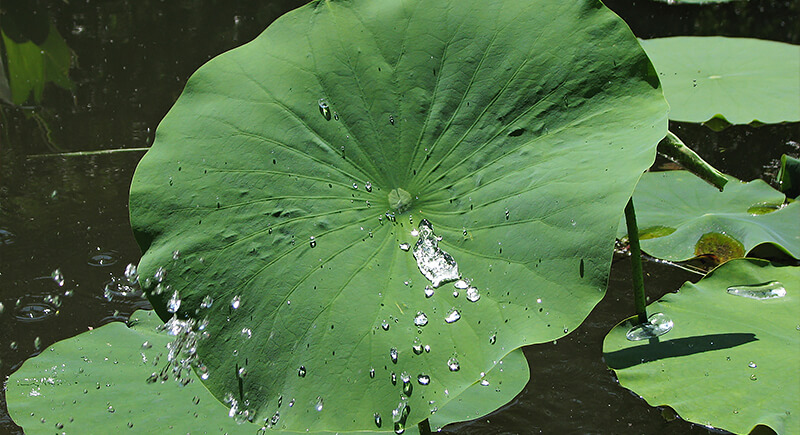
Credit: Wikimedia Commons
Lotus leaves repel water and dirt because of microscopic bumps on their surface. Water rolls off, taking particles with it. That same texture inspired self-cleaning materials for windows, paint, and clothing. Called the “lotus effect,” it reduces maintenance and keeps surfaces cleaner for longer. It turns out staying spotless is just about structure. Plants just figured that out first.