10 Animals That Humiliated and Harmed Historical Leaders
Even the most powerful leaders have found themselves completely undone by animals. These weren’t always fierce predators or legendary beasts—just ordinary creatures acting on instinct or confusion, yet their impact was real. History remembers kings and emperors for their triumphs, but it also remembers the goose bites, rabbit attacks, and one very inconvenient whale.
Rabbits Rushed Napoleon Off The Field
Credit: Getty Images
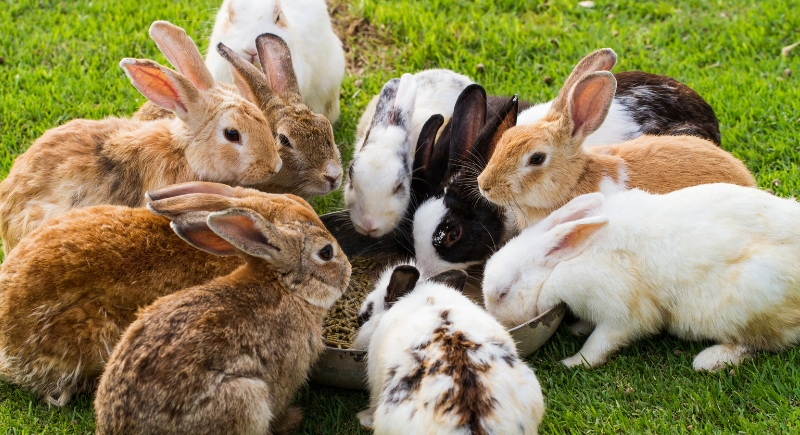
In a bizarre 1807 celebration, Napoleon organized a massive rabbit hunt to mark peace with Russia. His staff gathered thousands of tame rabbits for the event. Instead of fleeing, the animals charged at him, mistaking him for a food source. Guests laughed at first, but the relentless wave forced the emperor to retreat to his carriage.
A Whale Outlasted Justinian’s Empire

Credit: Canva
Porphyrius, a massive whale in the Bosporus, terrorized Byzantine ships for over 50 years. Emperor Justinian I tried to capture it through multiple coordinated efforts, but all failed. The whale’s notoriety grew, while the emperor’s efforts came up empty. It was only a freak beaching that ended Porphyrius’s reign.
A Monkey Ended A King’s Life
Credit: pexels
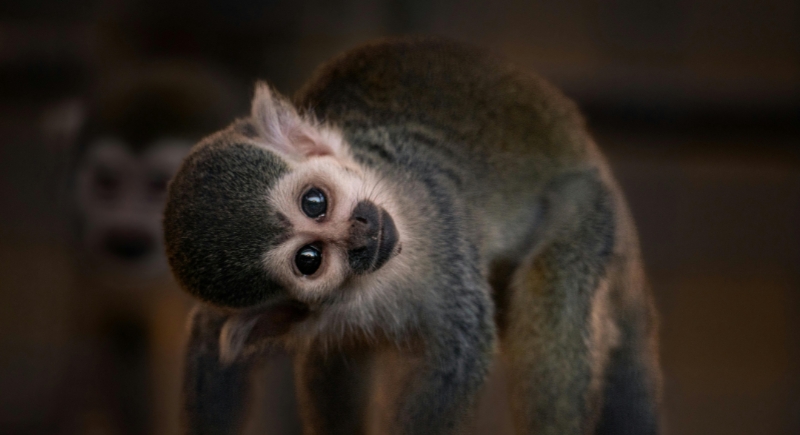
King Alexander of Greece wasn’t on a battlefield when fate struck. In 1920, he tried to break up a scuffle between his dog and a pet monkey at the royal estate. The monkey bit him. Infection set in, and despite surgery talks, he said goodbye weeks later. The political vacuum that followed this situation altered Greek history.
Rooster Took Priority Over Rome’s Fall
Credit: pexels
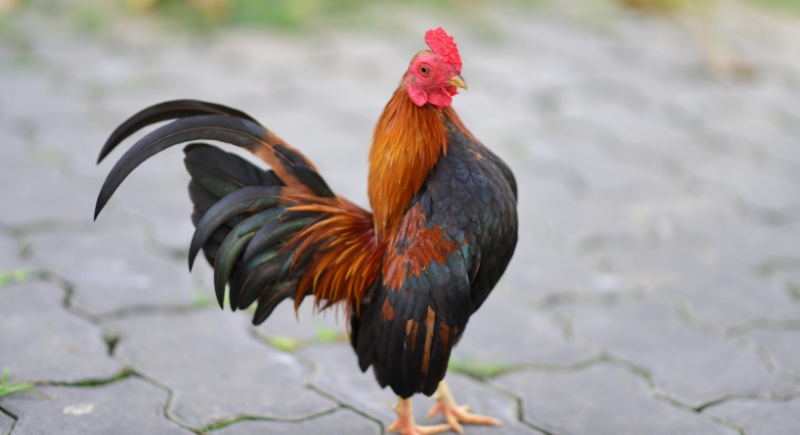
When news reached Emperor Honorius in 410 AD that Rome had been sacked, he reportedly gasped for his chicken. According to the historian Procopius, Honorius misunderstood and thought his pet rooster “Roma” had vanished. Upon learning it was safe, he calmed down. The story likely wasn’t true, but it stuck as a mockery of his misplaced attention during a national disaster.
Deer Fatally Kicked A King’s Ego
Credit: pexels
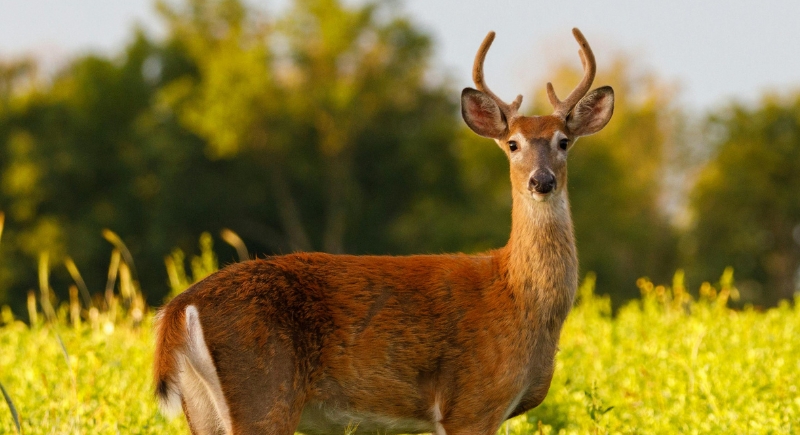
King Christian V of Denmark was a devoted hunter who insisted on finishing off deer himself during elaborate chases. In 1698, that habit backfired. He approached an injured deer too soon, and it struck him in the stomach. The internal damage worsened over the months, and he bade goodbye the following year.
A Rabbit Doomed A Crusader King

Credit: pexels
Fulk of Anjou, King of Jerusalem, ruled during the Crusader States’ peak. While riding one day with his wife, he playfully chased a rabbit with a lance. His horse stumbled, throwing him onto the saddle horn. He suffered a fatal skull fracture. Historians still debate details, but many agree the rabbit incident cut short his reign.
Goose Saved Ancient Rome By Honking
Credit: Getty Images
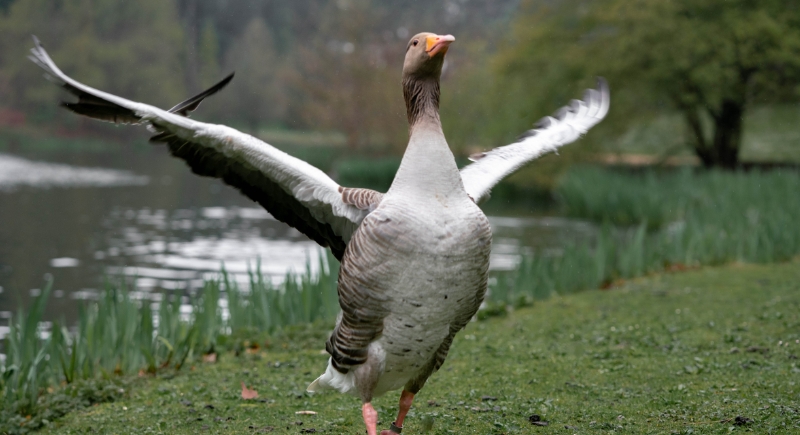
Around 390 BC, a flock of sacred geese on the Capitoline Hill in Rome made an unlikely stand against invading Gauls. As the attackers tried a nighttime assault, the birds’ honking woke defenders. Roman records credited the geese with saving the city to the point that the animals were given public honors while the human guards were punished for being asleep.
A Dog Bit A Prime Minister’s Pants

Credit: Getty Images
President Franklin D. Roosevelt’s German shepherd, Major, wasn’t exactly diplomatic. In 1933, during British Prime Minister Ramsay MacDonald’s White House visit, Major lunged at him and ripped his trousers. The damage was mostly to pride. Staff scrambled for replacement pants.
Pigs Roamed Paris And Found A Prince
Credit: Getty Images
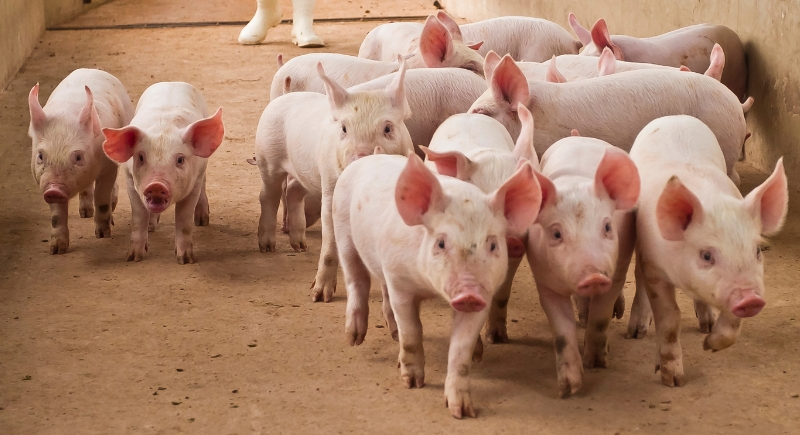
In 1131, Prince Philippe of France rode through Paris when a street pig darted into his horse’s path. The startled animal threw the prince, who struck his head on cobblestones and passed that night. His sudden loss prompted sweeping changes to urban livestock laws, including the ban on roaming pigs.
Sparrow Chaos Led To Widespread Famine
Credit: pexels
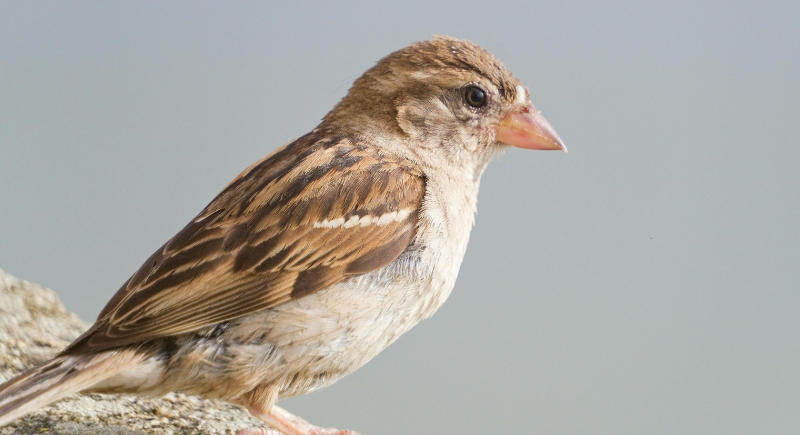
Chairman Mao Zedong’s 1958 campaign to wipe out sparrows backfired horribly. Sparrows were accused of eating too much grain, so citizens banged pots to keep them flying until they gave up from exhaustion. With sparrows gone, insect populations exploded. Crops failed, leading to famine and millions of dollars in damage. Eventually, China had to import sparrows to fix the problem.