10 Mind-Blowing Acts of Animal Intelligence Caught on Camera or in the Lab
Animal intelligence can be surprisingly difficult to measure. We often judge other species by our own standards, but scientists increasingly recognize that intelligence takes many forms. Some animals excel at memory, others at social cooperation, and some demonstrate problem-solving skills that rival those of young children. Thanks to laboratory experiments, field studies, and the occasional viral video, researchers have captured remarkable moments that reveal just how sophisticated animal minds can be.
Chimpanzees Outsmart Humans in Memory Tests
Credit: Wikimedia Commons
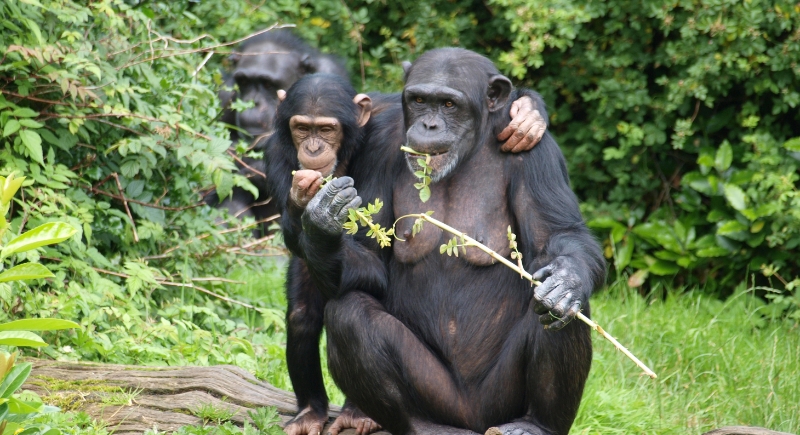
Chimpanzees have long been known for their cognitive abilities, but one lab experiment revealed that they can outperform humans in certain types of memory tasks. In a 2014 study published in Nature, researchers flashed numbers on a screen for a brief period and then asked participants to recall their positions. Young chimpanzees consistently remembered the sequences faster and more accurately than human adults. The experiment demonstrated an extraordinary form of short-term visual memory possessed by chimps.
Dolphins Remember “Names” for Decades
Credit: Getty Images
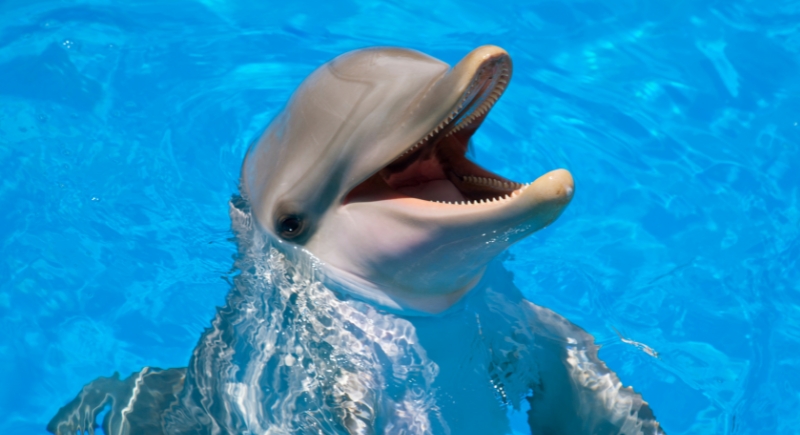
Research published in 2013 found that each dolphin develops a unique signature whistle that works much like a personal name. Scientists confirmed this by playing recordings of these whistles to dolphins in the ocean. When a dolphin heard the whistle of a former companion, it reacted strongly, even if the two hadn’t seen each other in years. Some dolphins remembered these acoustic “names” after more than two decades apart. It’s a remarkable combination of long-term memory and complex social communication rarely seen in other animals.
Pigeons Learn to Identify Famous Paintings
Credit: pixabay
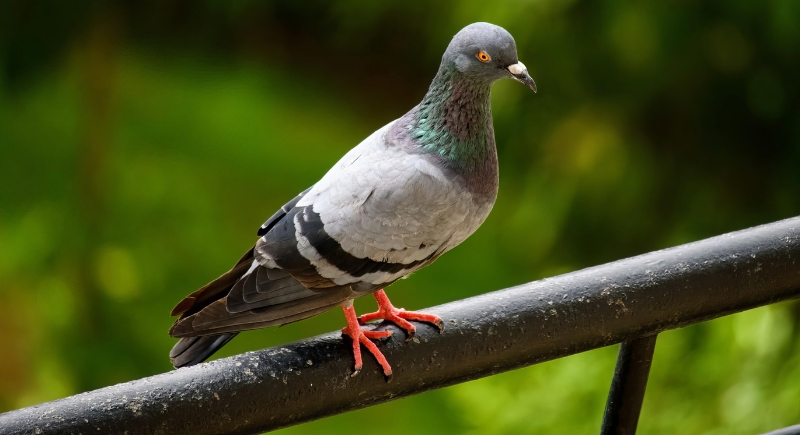
Pigeons have a reputation for being ordinary city birds, but in the lab, they’ve demonstrated surprisingly refined pattern recognition. In one experiment, scientists trained pigeons to distinguish between paintings by Claude Monet and Pablo Picasso. Once the birds learned the difference, researchers showed them artworks they had never seen before. The pigeons still sorted the paintings correctly. Researchers later expanded the test to include artists such as Renoir and Matisse, suggesting that the birds recognized artistic styles rather than memorizing specific images.
Elephants Recognize Dangerous Humans by Voice
Credit: Getty Images
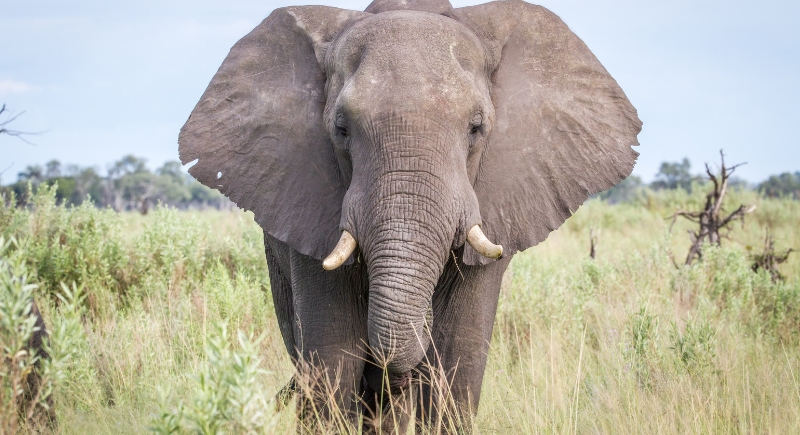
In parts of Africa, elephants share their environment with several human communities, some of which are more threatening than others. Researchers discovered that elephants can tell the difference just by listening. In a 2014 study, elephants listened to recordings of people speaking and reacted more cautiously to voices linked to groups known for hunting them. Even subtle details such as age, gender, and cultural background influenced how the animals responded.
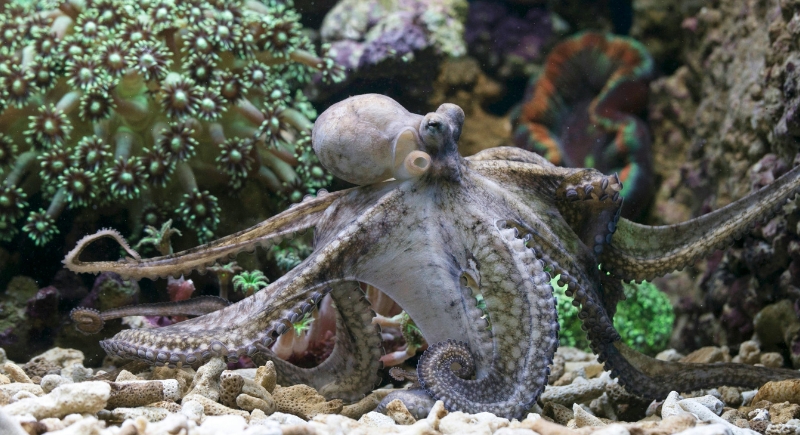
Octopuses Twist Open Jars to Get Food
Credit: pexels
Octopuses already look alien, and their intelligence only adds to the mystery. In one well-known lab test, researchers placed food inside sealed jars and gave octopuses access to them. Instead of giving up, the animals quickly figured out how to twist the lids open by gripping them and using their arms. The behavior requires coordinated movement, patience, and a clear understanding of cause and effect, which has helped cement the octopus’s reputation as one of the most intelligent invertebrates on Earth.
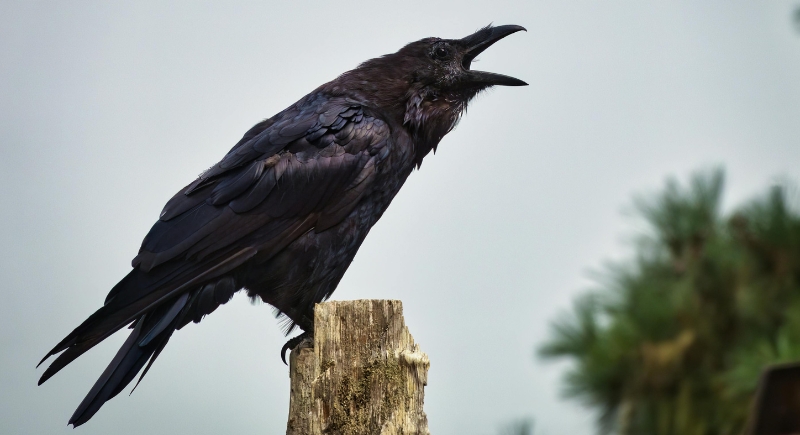
Crows Solve Physics Puzzles Inspired by Aesop’s Fable
Credit: pexels
The old Aesop’s Fable of the thirsty crow dropping stones into a pitcher turns out to have a basis in reality. Scientists recreated the scenario in a laboratory with New Caledonian crows, and they stunned researchers with their ability to solve the puzzle. In the experiment, food floated inside a partially filled tube of water. To reach it, the birds dropped stones into the container to raise the water level. Even more impressively, some crows even learned to pick heavier stones because they worked faster than floating ones.
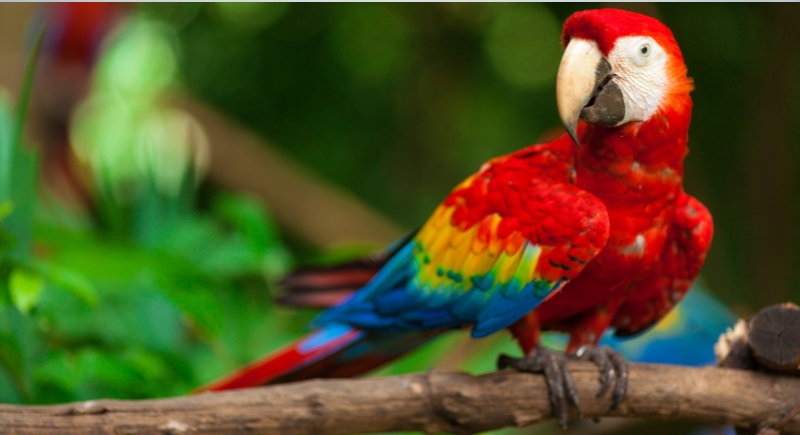
A Parrot Grasps the Concept of Zero
Credit: Getty Images
A gray parrot named Alex spent years working with researchers in cognitive experiments. In the early 2000s, he was shown a group of objects and asked how many were present. When there were none, Alex gave the correct response, identifying “zero.” Human children usually grasp that idea around preschool age, which made the parrot’s understanding especially striking.
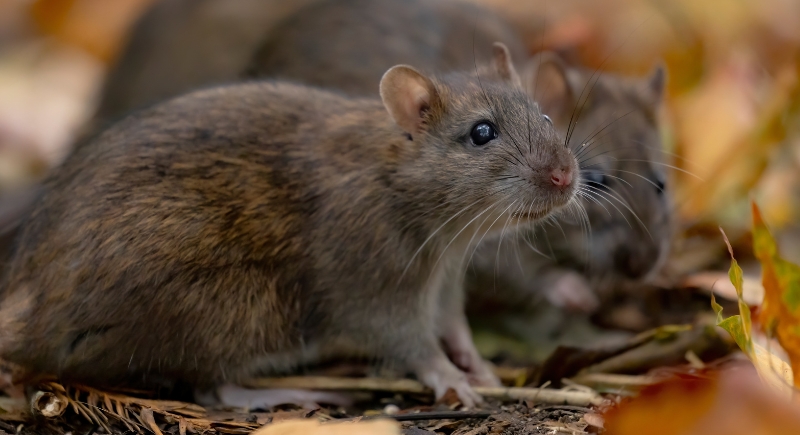
Rats Show Empathy by Freeing Trapped Friends
Credit: pixabay
Mostar people would swat a rat without a second thought because they can be annoying urban pests. But laboratory studies have revealed a much more complex emotional life. In one experiment, rats were placed in an enclosure with another rat trapped inside a small container. The free rats repeatedly learned to open the container door and release their companion, even when there was no immediate reward. In some cases, the animals even shared food afterward, suggesting a capacity for empathy and cooperative behavior, not just curiosity.
Ravens Plan for the Future
Credit: Wikimedia Commons
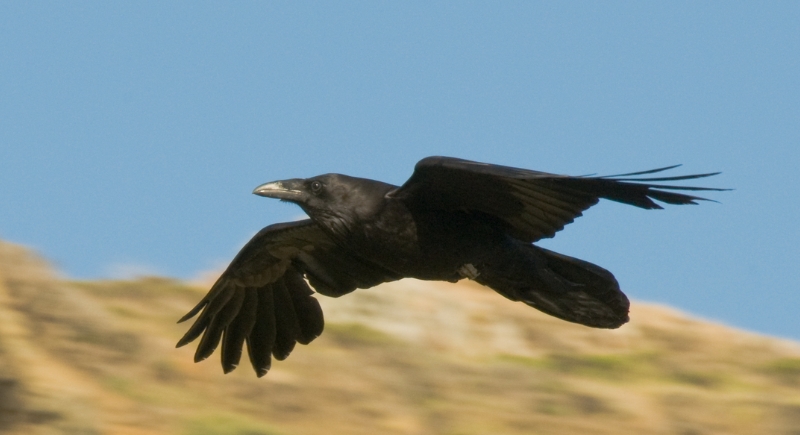
Planning ahead has long been considered a uniquely human ability, but ravens have shown they can do it too. In a 2017 study published in Science, researchers trained ravens to use tools to access food. Later, when the birds were offered several objects, they deliberately chose the tool they would need hours later, even though it had no immediate value. Some ravens saved the tools for up to 17 hours before using them successfully, demonstrating foresight and self-control comparable to that seen in great apes.
A Cat Learns Piano by Watching Humans
Credit: Getty Images
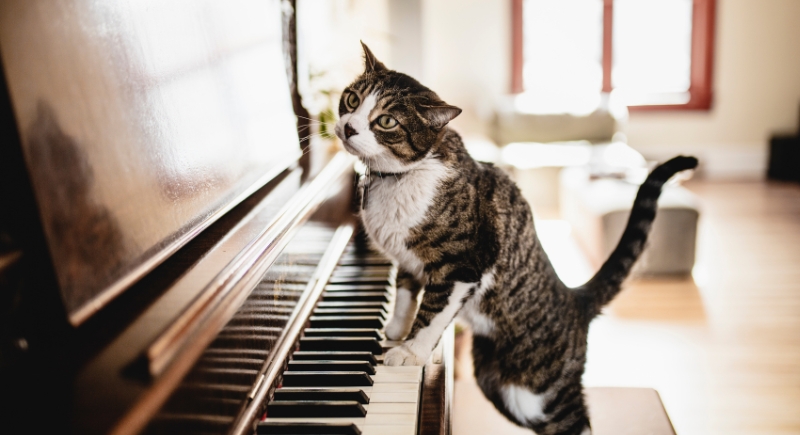
Sometimes remarkable intelligence appears in unexpected places. A house cat named Nora became famous online after learning to play the piano simply by watching her owner teach music lessons. Nora noticed that students received attention when they pressed the keys, so she began jumping onto the piano bench and tapping the keyboard herself. Videos show her deliberately pressing keys while sitting upright like a student.