Animals With the Most Unserious Names in the Wild
Nature often sounds serious when it’s presented in documentaries, but the names don’t always match that tone. Once you start noticing them, some animal names feel oddly funny or unexpected. These names come from scientists, explorers, and local communities who didn’t always stick to formal language. The result is a list of animals whose names catch your attention before anything else.
Sarcastic Fringehead
Credit: Wikimedia Commons
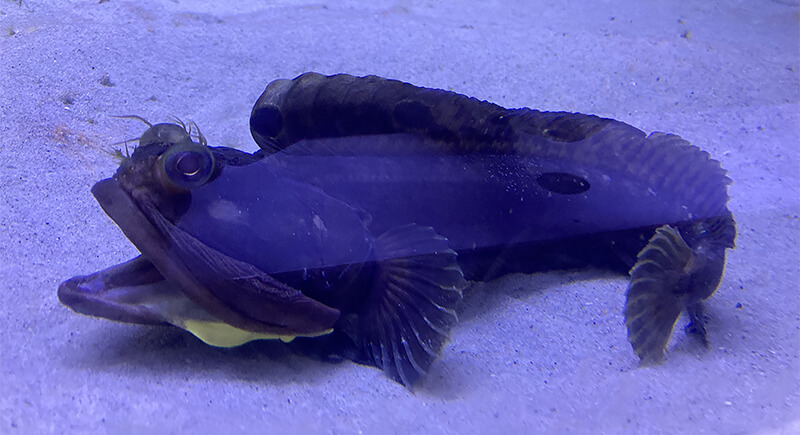
The sarcastic fringehead is a small Pacific fish that lives along the western coast of North America and hides inside empty shells or crevices. Territorial disputes turn dramatic. Rival fish open their oversized mouths and press them together in a strange pushing match. Scientists believe the display helps determine dominance without a serious fight.
Fried Egg Jellyfish
Credit: Wikimedia Commons
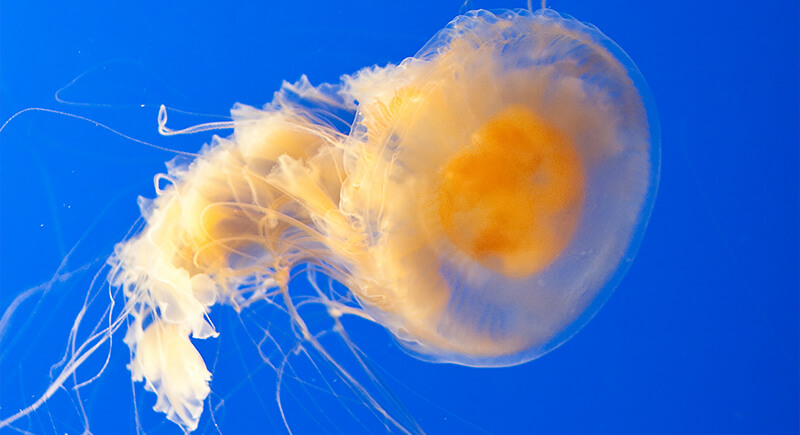
The fried egg jellyfish has a bright yellow dome surrounded by pale tissue that resembles egg whites. This species prefers cooler coastal waters and feeds on zooplankton and smaller jellyfish. Divers often notice the calm rhythm of its bell pulsing through the water, which makes the floating “egg” illusion even more convincing.
Pleasing Fungus Beetle
Credit: Wikimedia Commons
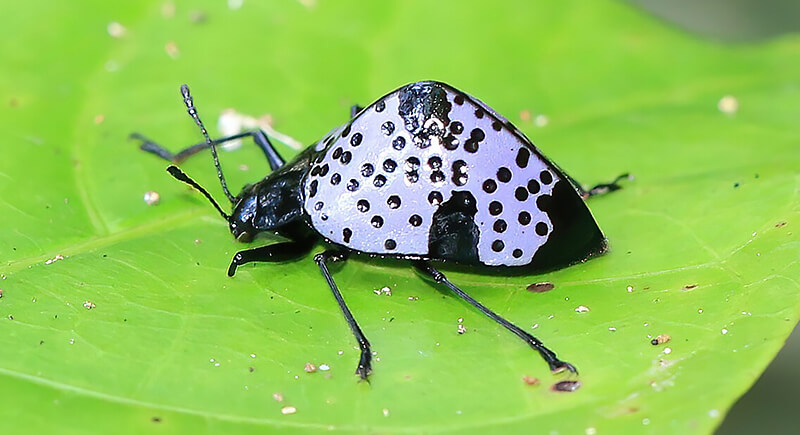
Entomologists gave the pleasing fungus beetle a surprisingly polite name. They spend much of their lives feeding on mushrooms and other fungi growing on decaying wood. Several thousand species belong to this family. Many play a quiet role in forest ecosystems by helping break down organic material that would otherwise accumulate.
Tasselled Wobbegong
Credit: Wikimedia Commons
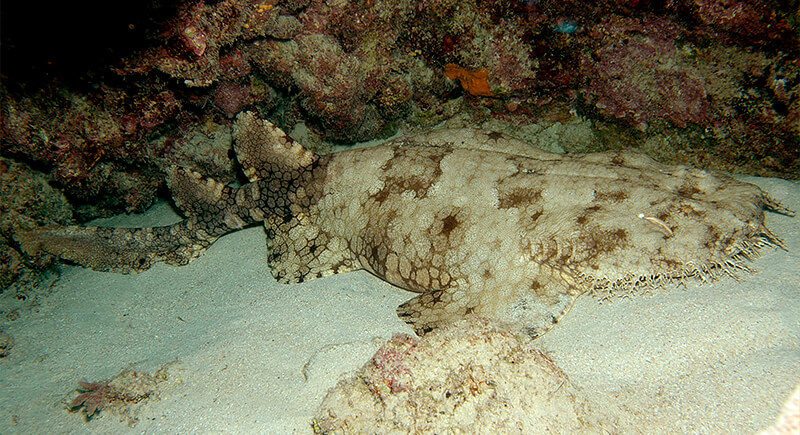
A name like tasselled wobbegong already sounds unusual, and the animal lives up to it. This shark has frilly skin around its head that looks like loose tassels. That detail is not just for show. It helps the wobbegong blend into rocks and coral on the ocean floor. It stays still and waits, then strikes quickly when a fish comes close enough.
Pink Fairy Armadillo
Credit: Wikimedia Commons
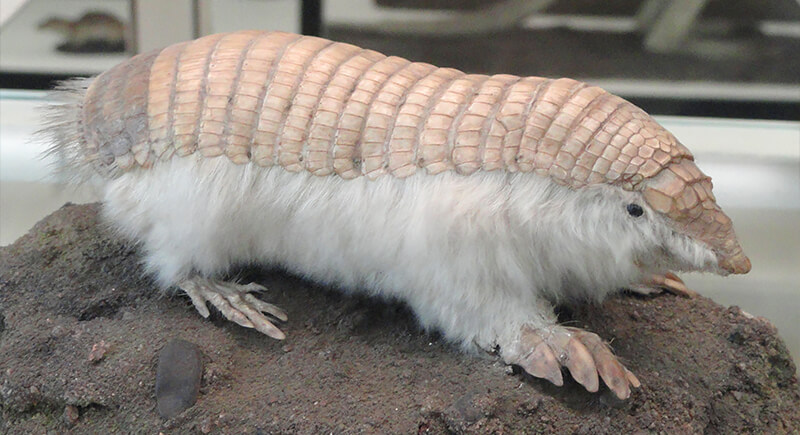
The pink fairy armadillo could pass for a cartoon character. It is actually the smallest armadillo species on Earth. Adults measure only a few inches long and weigh less than a quarter pound. Its pale pink shell contains blood vessels that help regulate body temperature in harsh desert conditions.
Chicken Turtle
Credit: Wikimedia Commons
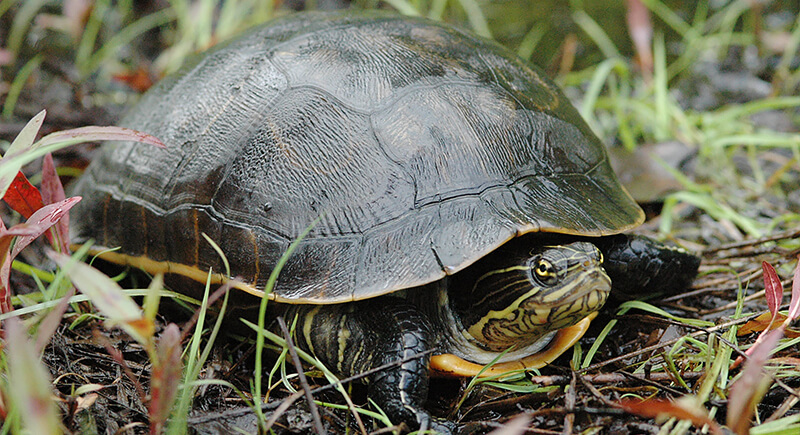
Early American settlers reportedly noticed that its meat tasted similar to chicken. The chicken turtle lives in freshwater habitats across the southeastern United States. It has an unusually long neck compared with other turtles. This feature helps it reach prey such as insects, small fish, and aquatic plants.
Satanic Leaf-Tailed Gecko
Credit: Wikimedia Commons
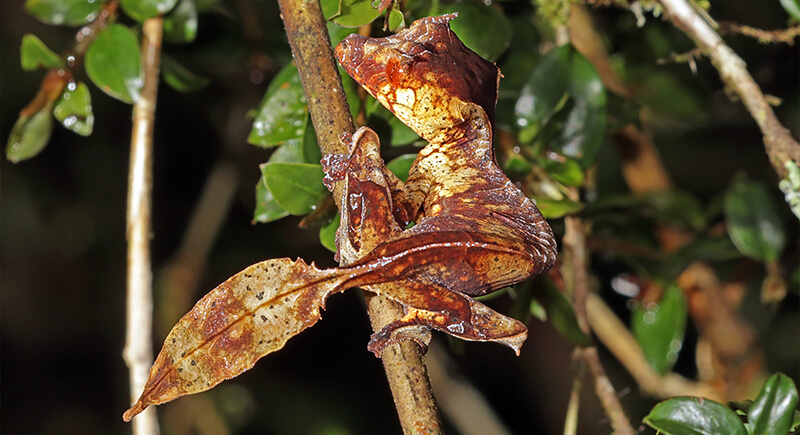
The satanic leaf-tailed gecko looks dramatic enough to justify its intense name. Native to Madagascar, this reptile blends perfectly with forest leaf litter. The gecko remains active at night and hunts insects among branches and tree trunks. Camouflage protects it during the day when predators rely heavily on sight.
Ice Cream Cone Worm
Credit: Reddit
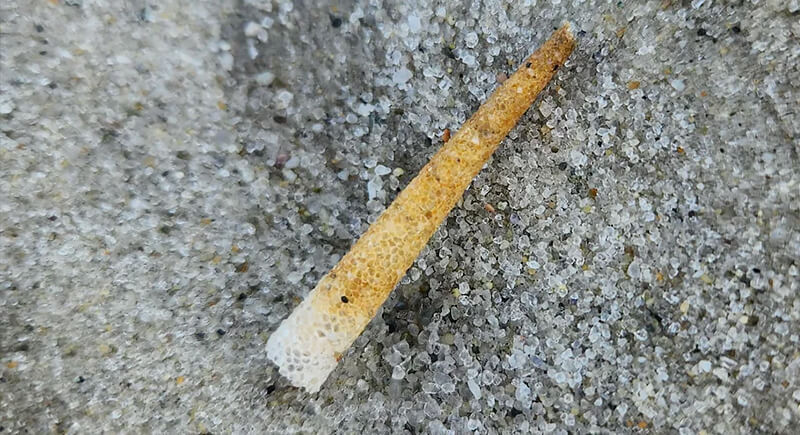
Marine biologists gave this creature a name that sounds almost edible. The ice cream cone worm lives inside a tube built from sand grains and shell fragments glued together. That structure forms a cone-shaped protrusion from the seafloor. The worm stretches out delicate feeding appendages to capture particles drifting in the water.
Boops Boops
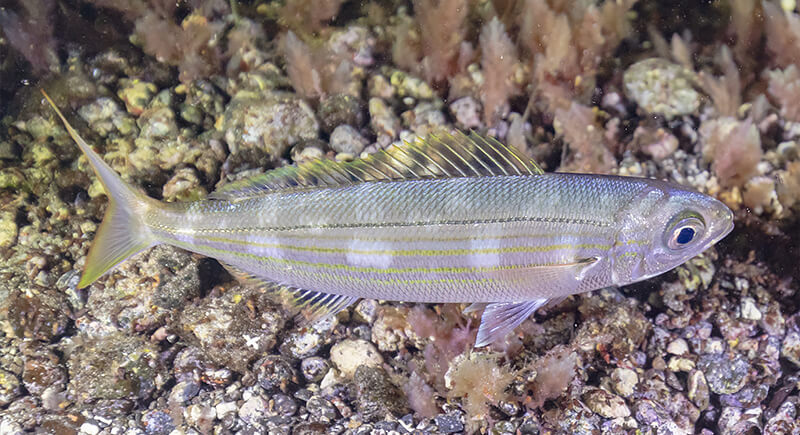
Credit: Wikimedia Commons
The fish called Boops boops may hold the most playful scientific name in marine biology. Its genus and species repeat the same word, which scientists call a tautonym. The name comes from an ancient Greek term describing large eyes. Many populations contain individuals that function as both male and female during their lives.