The Animals With the Absolute Best Eyesight on the Planet
Human eyes work perfectly for everyday tasks like reading signs, spotting snacks, or finding a phone under a blanket. However, animals have very different needs. Their eyes can function like night-vision goggles, motion detectors, underwater goggles, or zoom lenses. The most interesting part is the variety. These creatures prove that having great vision can mean 10 different things.
Bald Eagle
Credit: pexels
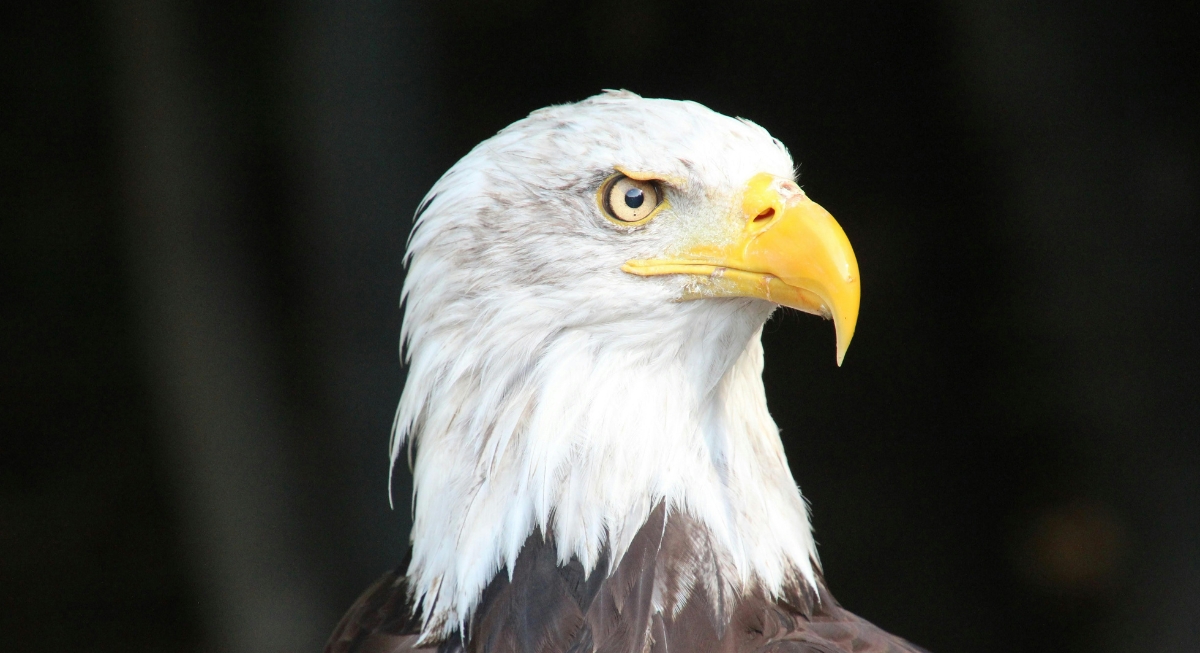
High above lakes and fields, the bald eagle can pick out tiny movements that humans struggle to notice. Its large eyes fill most of its skull, and its retina is built to capture sharp details. Each eye has two specialized foveae to help the bird look at different areas with precision. This excellent eyesight is perfect for a bird that hunts from high in the sky and needs to spot food against a busy background.
Mantis Shrimp
Credit: Getty Images
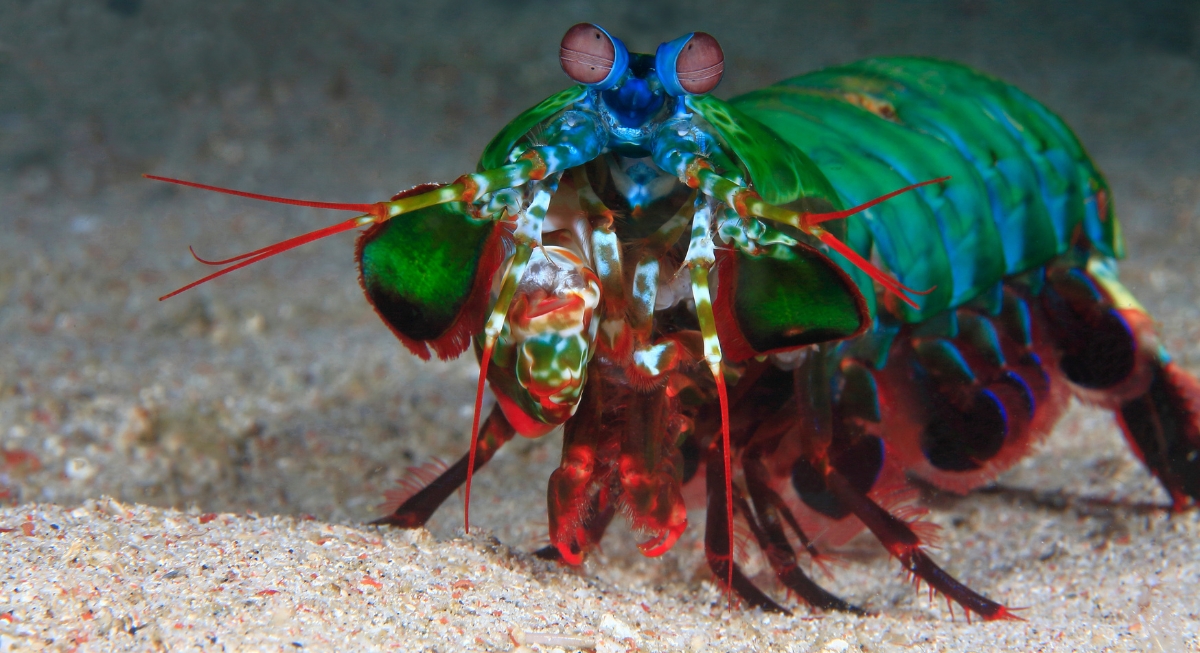
The mantis shrimp is built a bit differently from most sea life. Its eyes sit on stalks and can move independently, which lets it scan its surroundings in more than one direction at the same time. It also sees parts of light that humans cannot, including ultraviolet and polarized light. Scientists know it has a very large number of light sensors, but ongoing research is exploring how it processes and distinguishes all those colors.
Chameleon
Credit: Getty Images
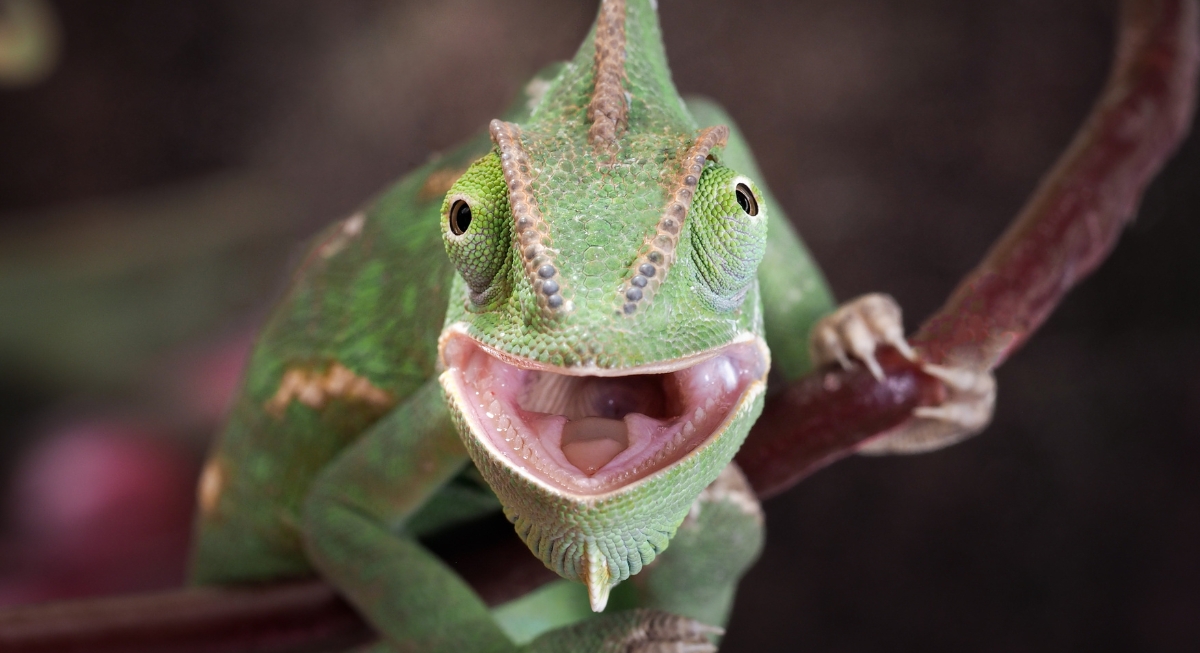
A chameleon can watch two areas at once without moving its body. One eye can look out to the side while the other eye watches a different spot. When an insect gets close, both eyes lock onto the same target. This quick teamwork helps the lizard judge the exact distance before its tongue shoots out. Having slow feet is not a big problem when the eyes do all the scouting and aiming.
Dragonfly
Credit: pexels
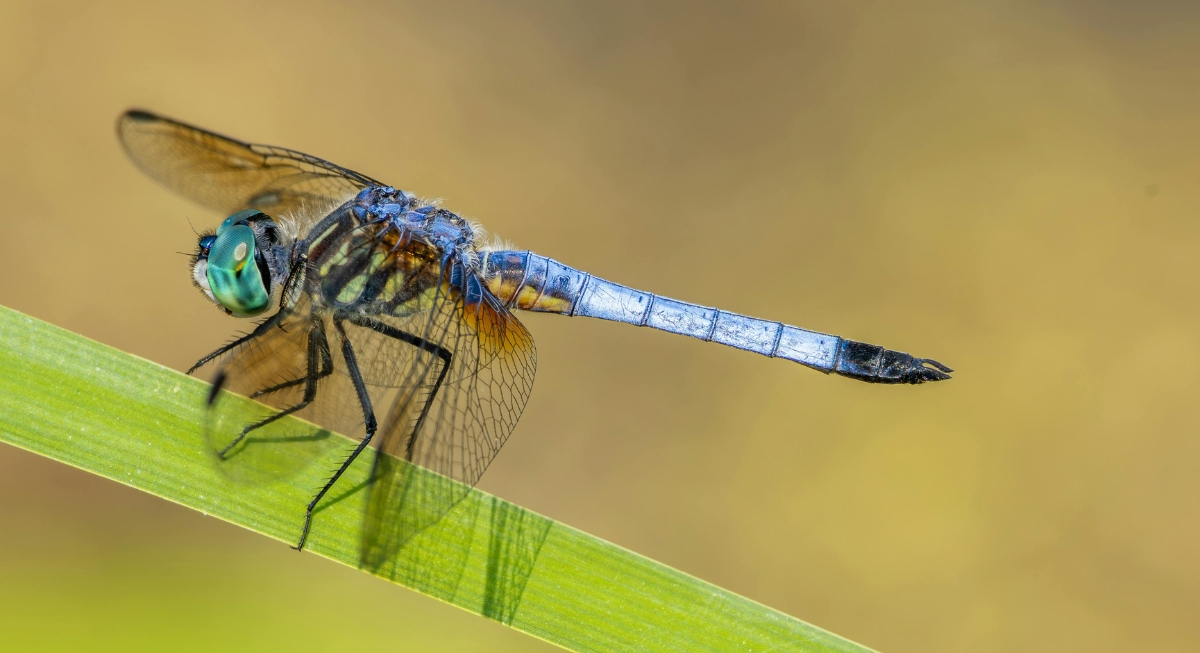
Dragonflies are excellent hunters because their bodies are built for quick reactions. They have huge eyes made of thousands of tiny visual units that easily spot movement all around them. This helps the insects catch prey midair with incredible accuracy. Many dragonflies can even see ultraviolet light. Near ponds and streams, the air is packed with tiny flying bugs, and a dragonfly is designed to notice every single one.
Cheetah
Credit: Getty Images
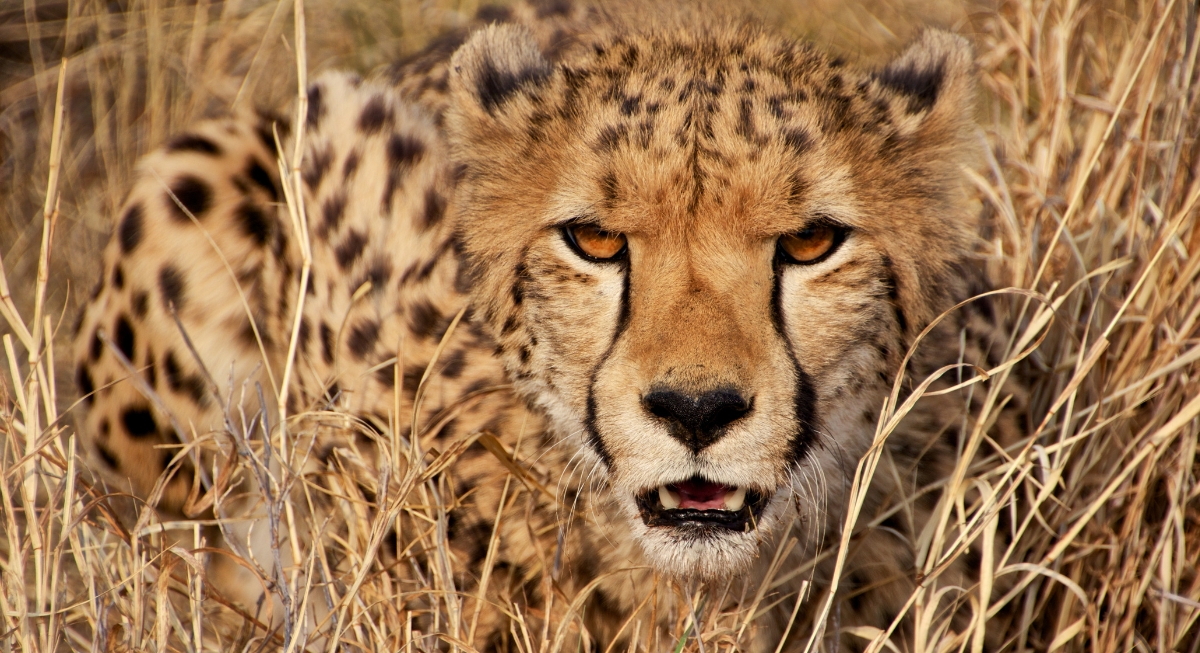
A cheetah’s eyes are built for life in open grasslands and fast hunts. Facing forward, they help it judge distance with precision, which is essential when chasing moving prey across wide terrain. Its strong daylight vision allows it to pick out targets even at a distance. During a sprint, it has to lock onto a moving animal while the ground rushes past in a blur. The dark tear marks under its eyes may reduce glare from sunlight, though researchers are still exploring their exact role.
Four-Eyed Fish
Credit: Getty Images
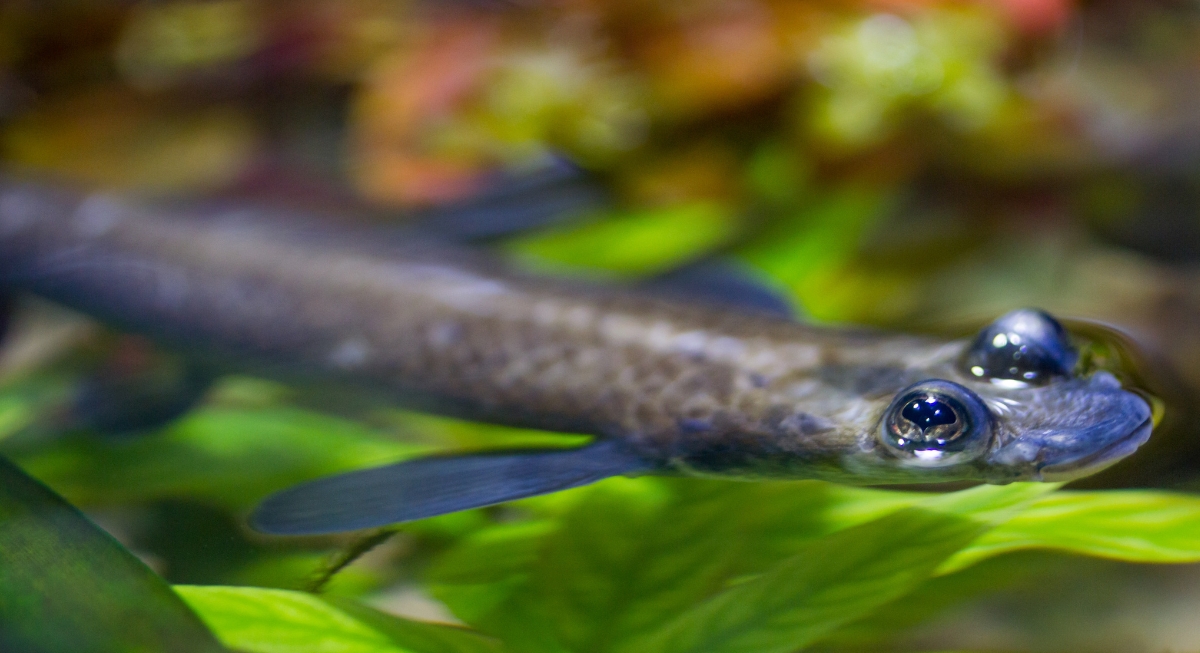
The four-eyed fish has a strange nickname, but it does not actually have four separate eyes. Instead, each eye is divided into an upper half and a lower half. This special design lets the fish patrol the waterline with unusual awareness. The top half looks up, while the bottom half looks down.
Goat
Credit: pexels
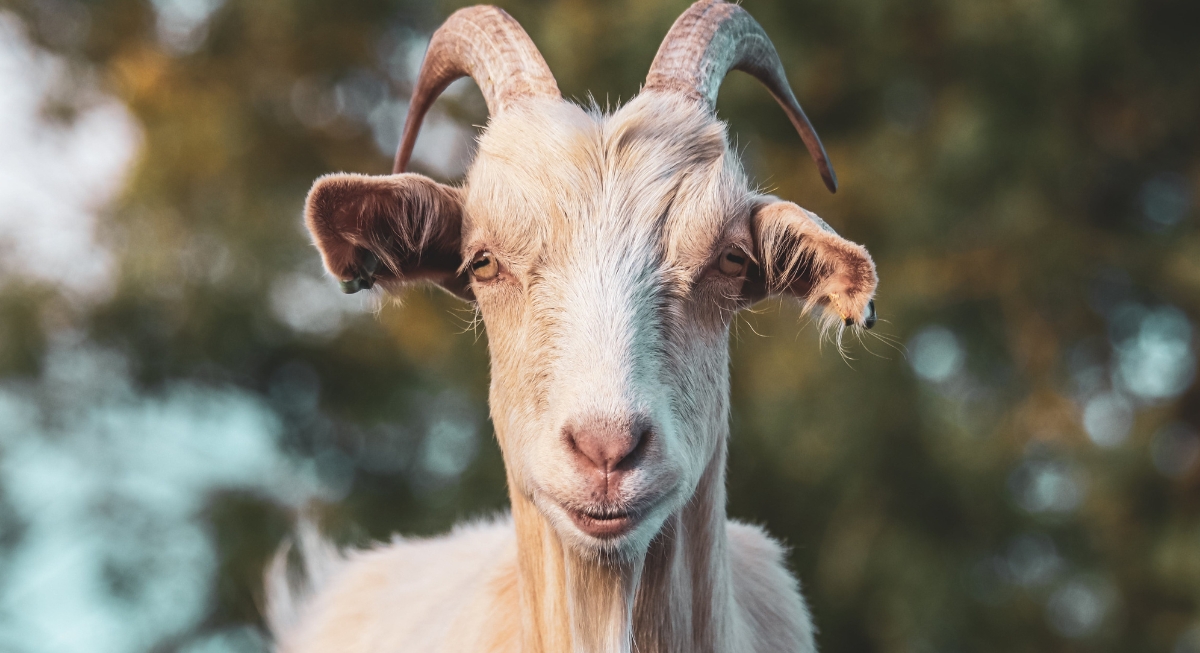
A goat’s rectangular pupils might look silly, but they serve a vital purpose. When grazing, these animals keep their heads down for long periods, leaving them vulnerable to predators. Horizontal pupils widen their field of view. Additionally, their eyes rotate automatically when they lower their heads, keeping the pupils level with the horizon. They do not lock onto targets like predators do, but they maintain an excellent view of everything around them.
Tawny Owl
Credit: Getty Images
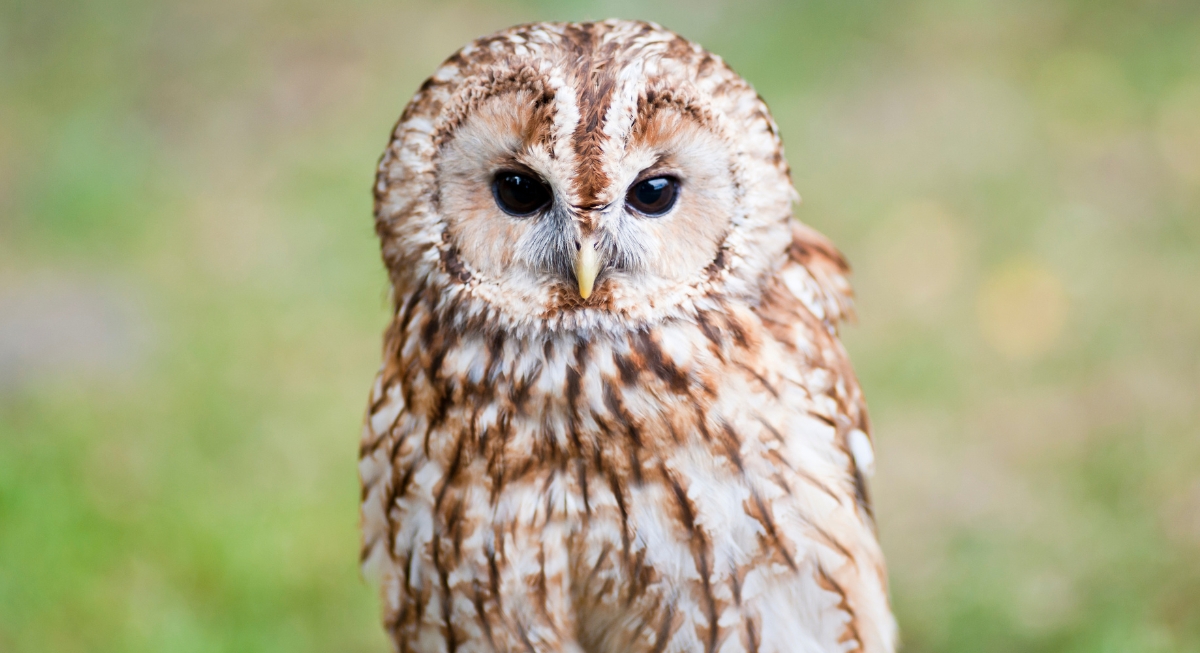
A tawny owl becomes active after the sun goes down. Its large eyes point straight ahead to help it see in the dark and judge distances in the woods. Because these eyes cannot move much in their sockets, the owl must turn its entire head to look around. This head movement is a practical survival tool rather than a fun trick.
Archerfish
Credit: Getty Images
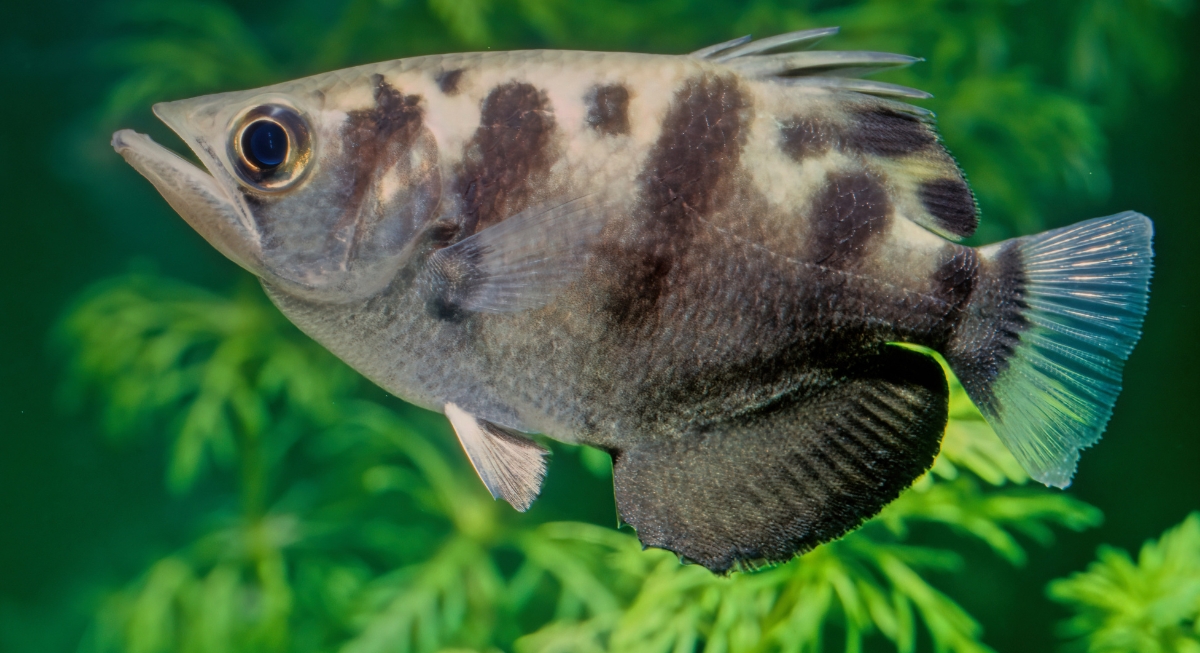
The archerfish has a truly amazing way of seeing the world. It spots insects sitting on plants above the water, figures out how the water’s surface bends light, and shoots a sharp stream of water to knock them down. Specialized areas of its retina help the fish detect tiny bugs on leaves and branches. Fast timing is everything for this hunter, since a bad angle or a slow shot means missing dinner.
Giant Squid
Credit: Wikimedia Commons
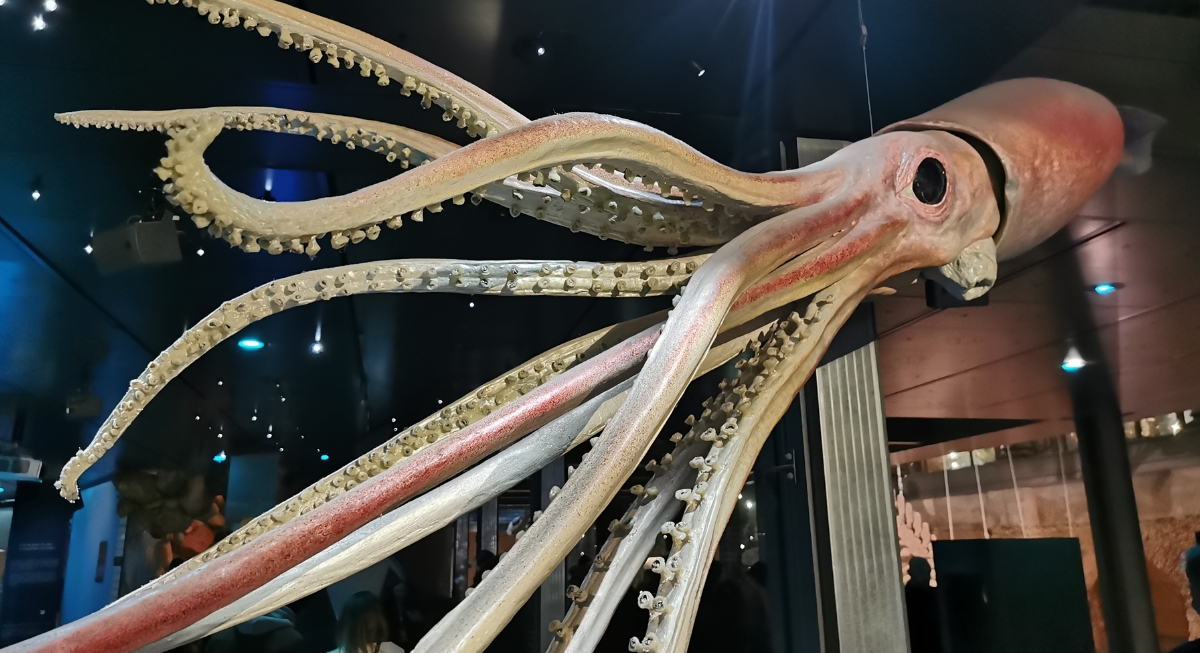
The giant squid lives deep in the ocean, where it gets dark very quickly. It has eyes as big as dinner plates to help it see tiny glimmers of light far below the surface. Scientists believe these massive eyes help the squid spot sperm whales, one of its main predators. Getting an early warning is crucial in the deep sea, where the ocean is nearly pitch-black.