17 Adorable Animals With Happy Faces and Behaviors
Animals that look happy, smiling, or content are instantly likable. Scientists debate whether those expressions mean anything, but most people don’t stop to question them. These are some reminders that joy doesn’t need to be explained to be felt.
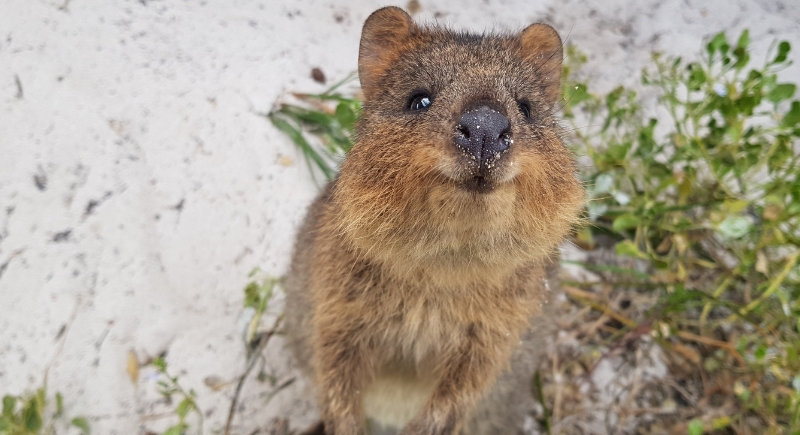
Quokka
Credit: Getty Images
These small marsupials are found in a few places in Western Australia, especially on Rottnest Island. Their upward-curving mouths and how they advance so casually toward humans have led to them being widely labeled the “happiest animal on Earth.” They often wander right up to visitors, which makes it easy to snap those now-iconic selfies.
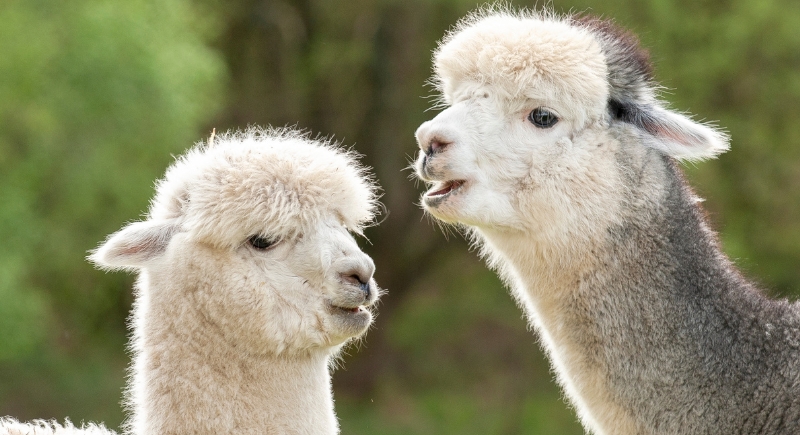
Alpaca
Credit: pexels
Domesticated high in the Andes for their fiber, alpacas have also found a role in animal-assisted therapy. They live best in groups, stay quiet, and rarely show aggression. When walking alongside handlers or grazing with other alpacas, they seem quiet but observant.
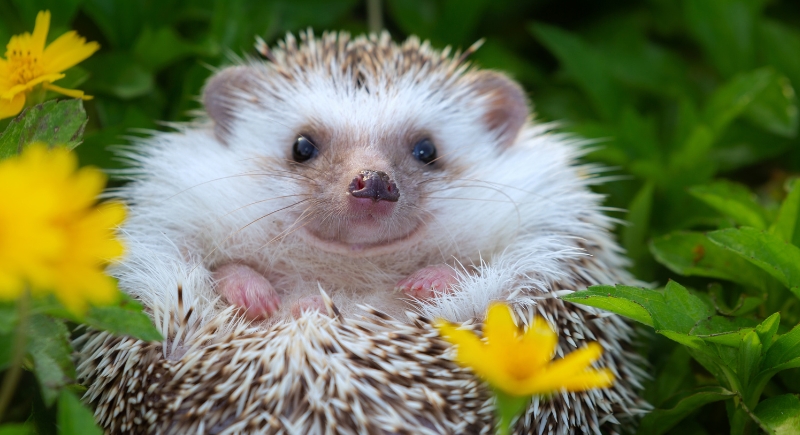
Hedgehog
Credit: Getty Images
Hedgehogs’ go-to response to stress is total shutdown, rolled into a ball, spikes out, face hidden. But once they warm up to their environment, you get a different version entirely. They’ll inch forward, blinking steadily, nose twitching at anything nearby. Some even grow to recognize consistent handlers.
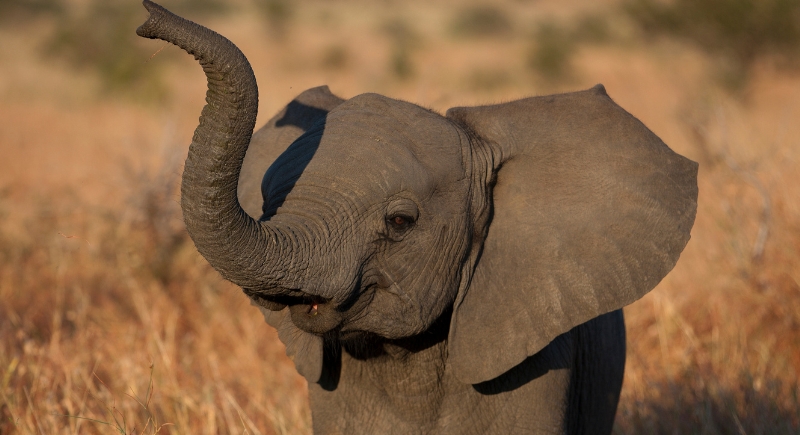
Elephant
Credit: Getty Images
In herds, elephants’ communication relies more on movement and touch than on vocalizations alone. Young ones chase each other in waterholes, older ones rest their trunks on companions, and mud becomes a shared playground. These behaviors serve real social functions; bonding, cooling, even establishing hierarchy, but elephants also reveal unmistakable signs of enjoyment.
Cow
Credit: pixabay
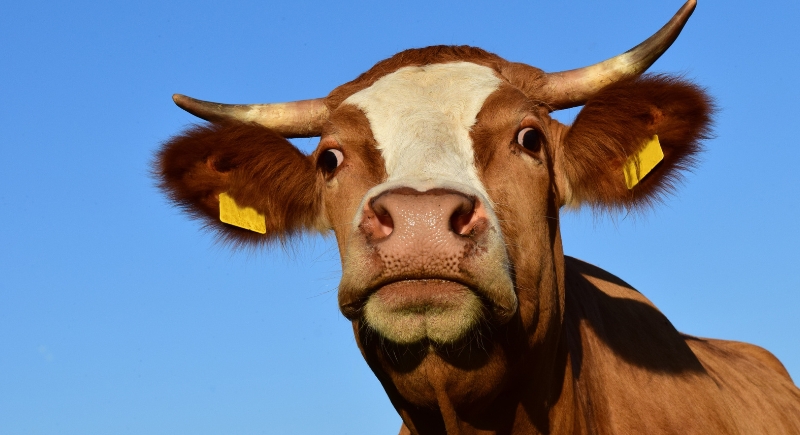
Cows show clear signs of comfort, whether grazing in groups, lying side by side, or grooming one another. Researchers studying herd behavior have found strong preferences for specific companions. The slower their world becomes, the more clearly they show it, ears relaxed, eyes half-lidded, tails moving lightly.
Tortoise

Credit: pexels
Galápagos tortoises and similar species progress at a pace matched only by their lifespan. These animals take years to mature and may live a century or longer. They’ve even been observed responding to familiar individuals and routines in controlled settings. What looks like silence often contains more awareness than expected.
Bear
Credit: Getty Images
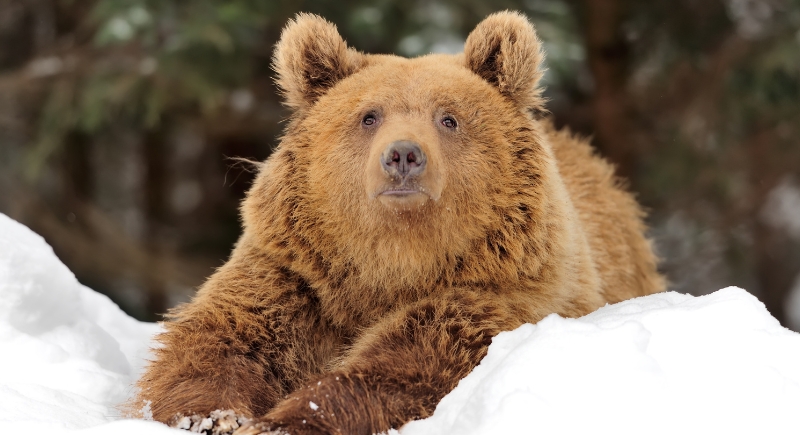
Brown bears spend much of their time foraging in the wild, especially ahead of winter hibernation. After they’ve eaten their fill, mainly fish during salmon runs, they retreat to rest nearby. They’ll dig shallow beds, rub their backs on trees to remove loose fur, or stretch out to regulate their temperature. These post-meal routines serve practical purposes, but they also offer a moment of visible ease.
Pufferfish
Credit: Getty Images
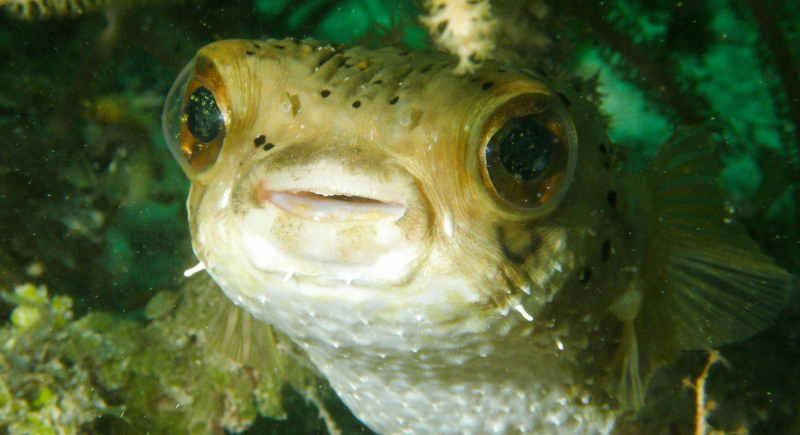
Relaxed pufferfish are curious, slow movers that often drift toward divers with an inquisitive, puppy-like gaze. While they inflate when stressed, their calm state is much more endearing, using tiny pectoral fins to hover precisely over reefs, their soft features and large, blinking eyes give them a remarkably expressive and friendly appearance.
Golden Retriever

Credit: pixabay
These dogs tend to move toward people instead of away. Every part of them seems to react immediately; shoulders lean, tails sweep, eyes linger on whoever’s speaking. This attentiveness and their tolerance for unpredictability make them ideal for therapy and service work.
Dolphin
Credit: pixabay
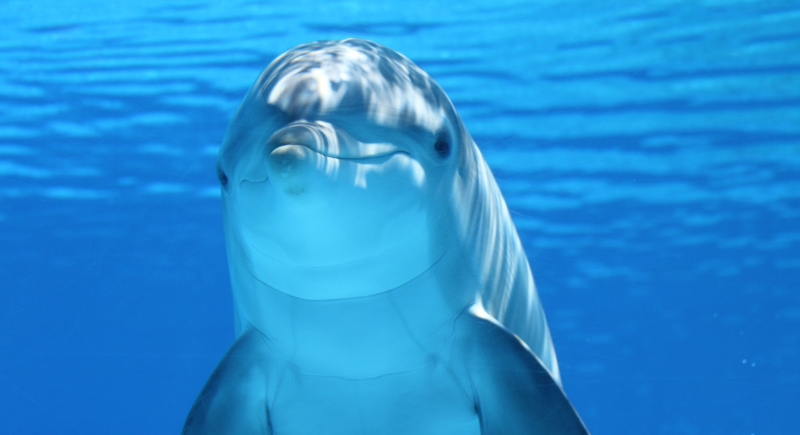
They’re among the few animals known to recognize themselves in mirrors, and their vocal range includes signature whistles unique to individuals. In groups, dolphins keep pace with each other, echo calls, and change direction in synchronized waves. Observers usually describe them as social, and it’s not hard to see why; their presence feels tuned in to everything happening around them.
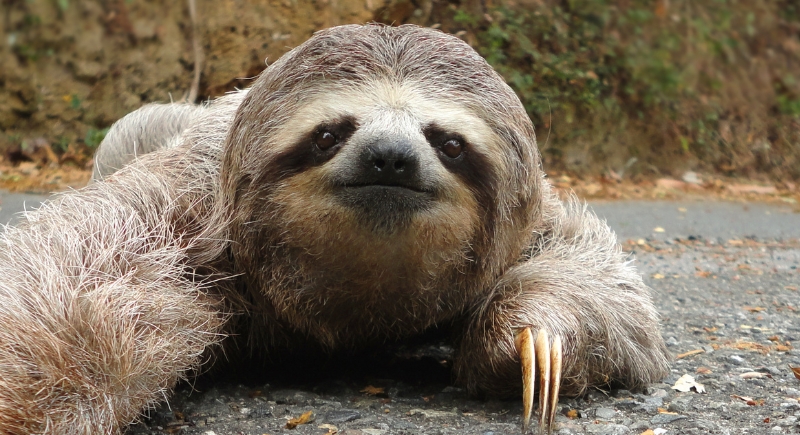
Sloth
Credit: Getty Images
Everything about sloths’ biology is geared toward conserving energy. They have a low body temperature and slow metabolism, which matches their diet of fibrous leaves. They rarely descend to the forest floor, usually once a week, to defecate, exposing themselves to predators. Long claws and curved limbs keep them suspended in tree canopies with little effort.
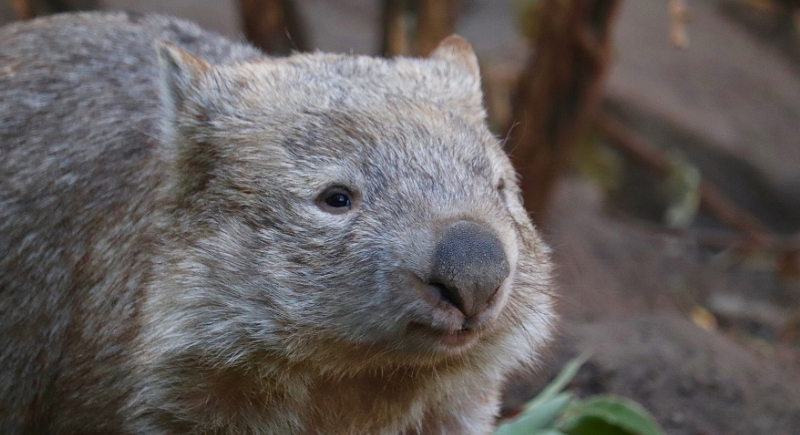
Wombat
Credit: pixabay
These sturdy marsupials spend hours digging, then retreat to their burrows to cool down. As soon as they’re still, you notice slight adjustments; a shift in the jaw, a longer breath. The shape of their head exaggerates any movement, and it’s in that minimal change that onlookers sometimes think they spot a smile.
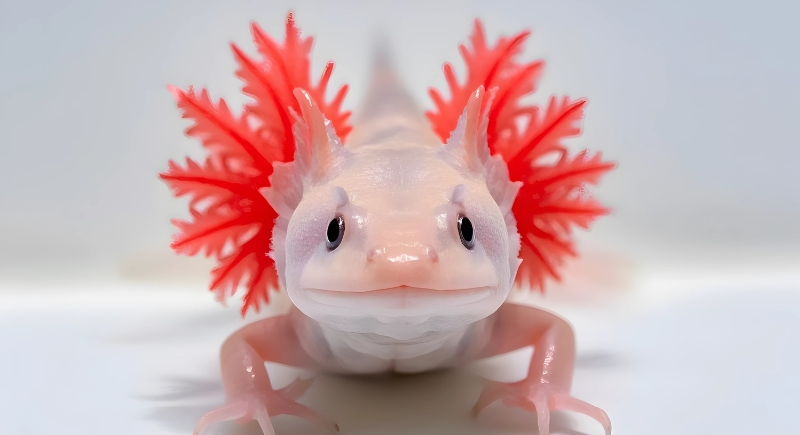
Axolotl
Credit: Canva
Permanently aquatic and biologically neotenic, axolotls retain their larval features throughout their lives. Their external gills branch out like soft fronds, and their mouths hold a fixed upward curve. People describe them as cheerful because their expression never changes, even when moving.
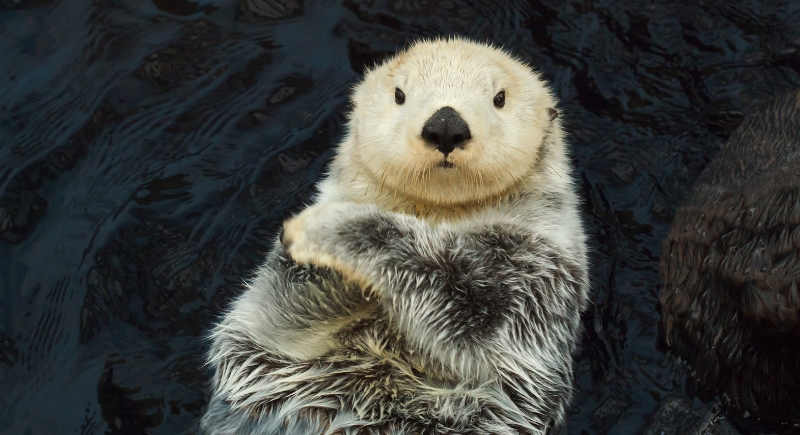
Sea Otter
Credit: Getty Images
Kelp beds serve as rest zones, tool stations, and safe harbors. Sea otters float on their backs while cracking open clams with rocks or grooming their fur to keep it water-resistant. Sometimes they gather in groups called rafts, staying in contact by holding paws or drifting side by side.
Red Panda
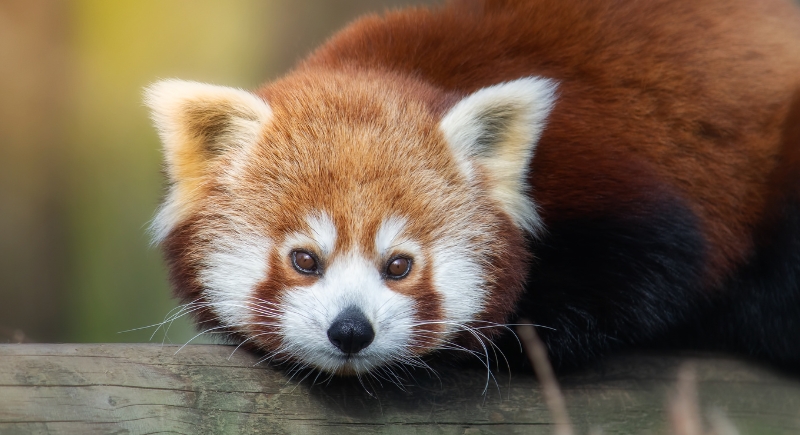
Credit: Getty Images
These tree-dwelling mammals are mostly active at dawn and dusk, spending much of the day resting on branches or tucked inside tree hollows. Despite being classified as carnivores, their diet is almost entirely bamboo, which they strip with a bone in the wrist that functions like a thumb. They eat upright while using their forepaws to guide stalks into their mouths.
Beluga Whale
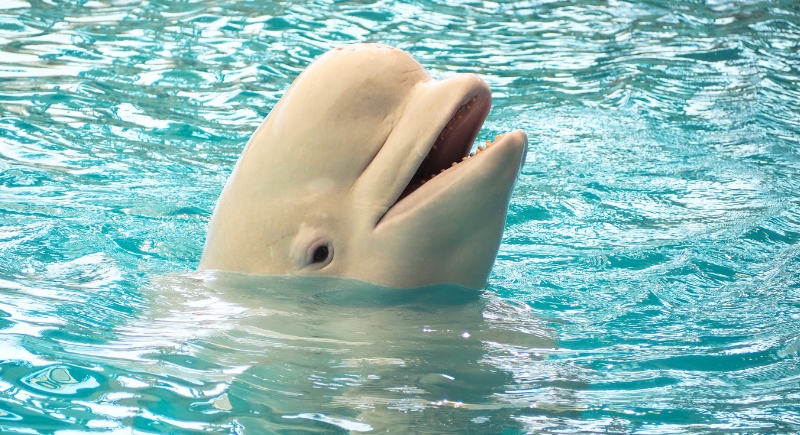
Credit: Getty Images
Beluga whales are known for their friendly, almost human-like expressions, making them one of the most charming sea creatures. Their wide, flexible mouths give the illusion of a perpetual smile. Often seen in pods, these sociable whales communicate with clicks and whistles, bringing joy to anyone who encounters them.
Capybara
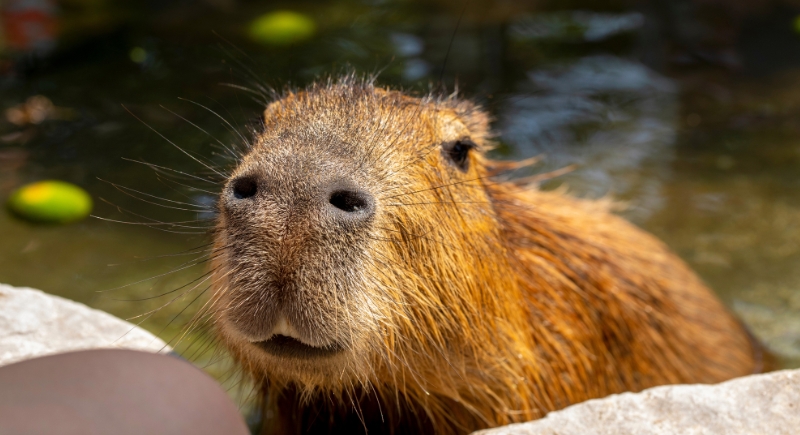
Credit: Getty Images
Capybaras are often seen lounging in groups, flashing their gentle, laid-back smiles. These are the largest rodents in the world have a calm demeanor, making them incredibly approachable. Whether they’re chilling in water or resting with other animals, their easygoing nature and bright, friendly faces are enough to melt anyone’s heart.