Pet Fish That Are Secretly More Social Than Goldfish — Apartment Owners Are Obsessed
A lot of people expect fish to just drift around the tank and mind their business. Then they notice certain species waiting near the glass at feeding time, reacting to footsteps, or following movement around the room. That is why more apartment owners are choosing social fish lately. Some stay close to tank mates, some chase each other around all day, and others quickly learn the routine of the home.
Betta Fish
Credit: pixabay
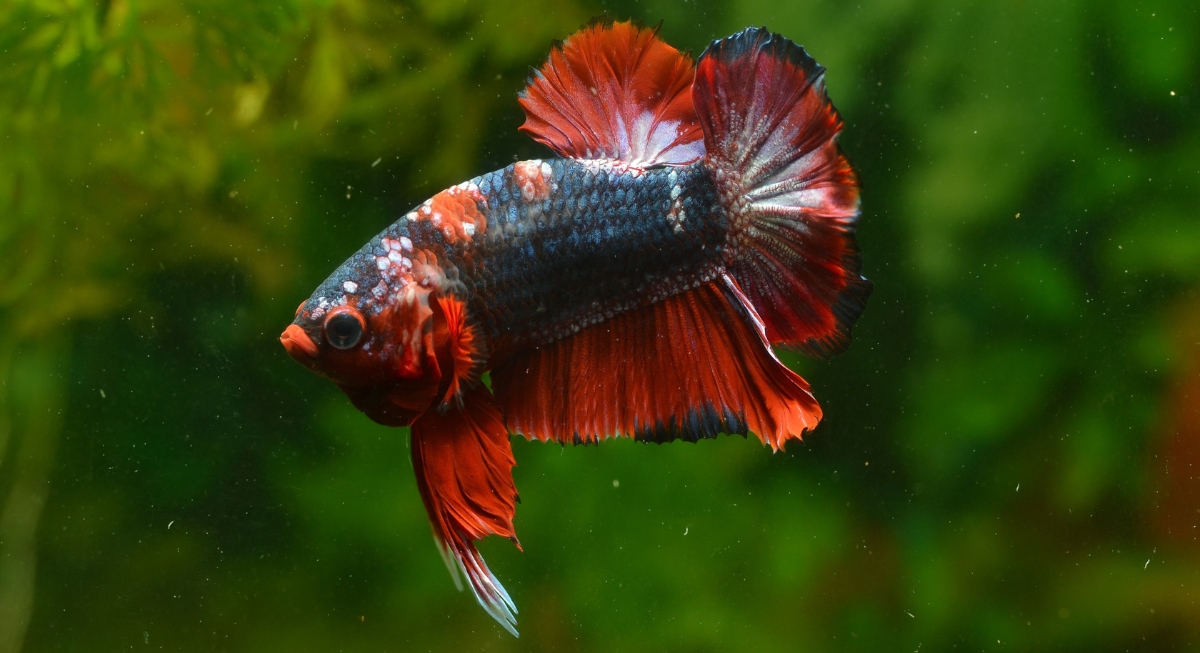
Betta fish start recognizing routines surprisingly fast. Many owners notice them swimming up to the glass at feeding time or reacting when someone enters the room. Some even follow the movement around the tank. They are popular in apartments because one betta can live comfortably in a smaller heated setup, and their territorial personality keeps them active and alert.
Fancy Guppies
Credit: Getty Images
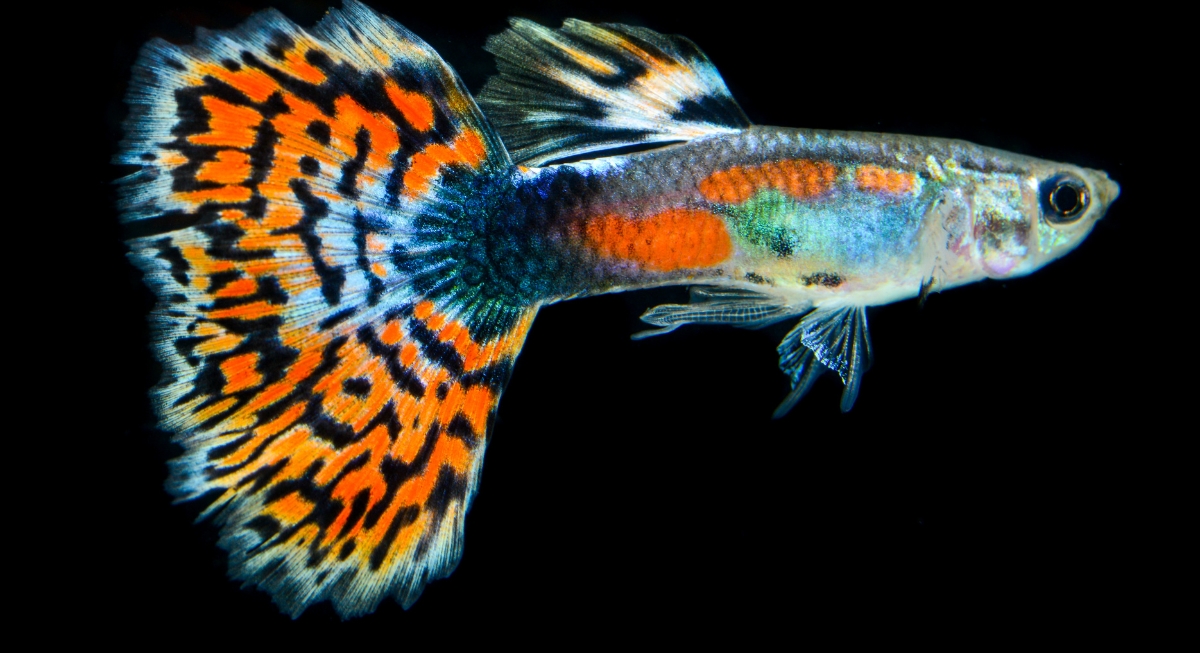
A small group of guppies constantly circles plants, explores decorations, and gathers near feeding spots throughout the day. Selective breeding has produced hundreds of color and tail variations, so individual fish are easy to recognize even inside busy community tanks. Researchers also use guppies in behavioral studies because they can learn patterns and adapt to repeated environmental cues, like feeding time.
Mollies
Credit: Wikimedia Commons
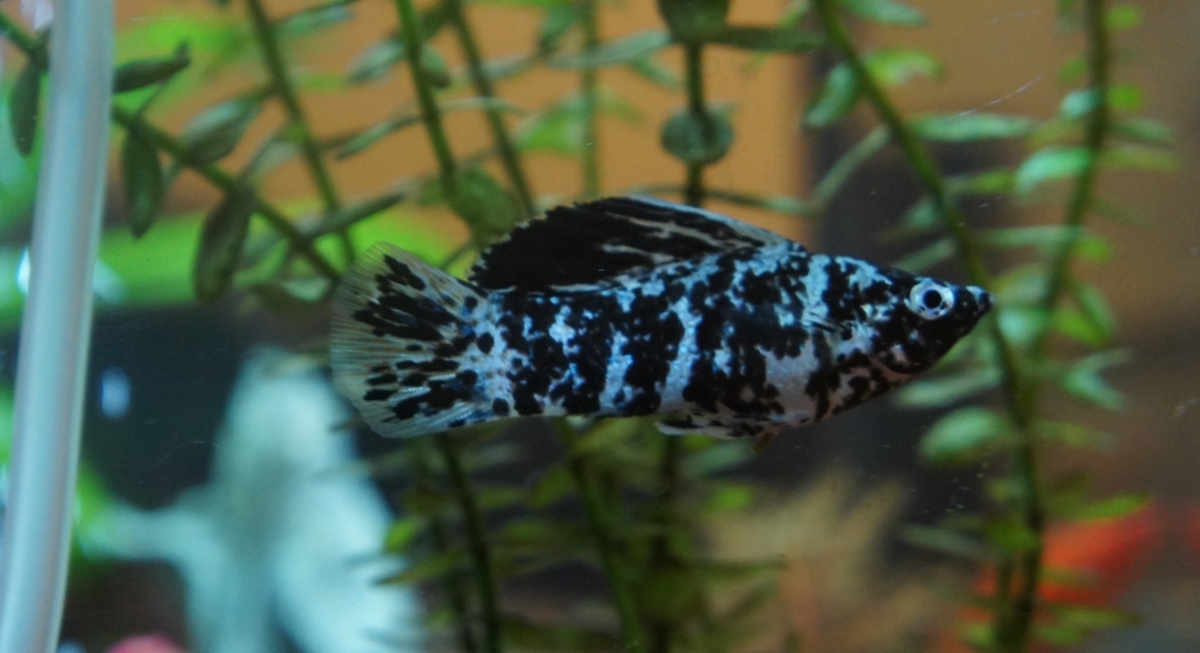
Mollies are active fish that spend a lot of time out in the open, so owners constantly see them swimming around and interacting with tank mates. Their social behavior becomes even more noticeable in groups. They are also livebearers, which means they give birth to fully formed babies that can swim and eat right away. Their easygoing nature and adaptability to various water conditions made them popular beginner fish for years.
Freshwater Angelfish
Credit: Getty Images
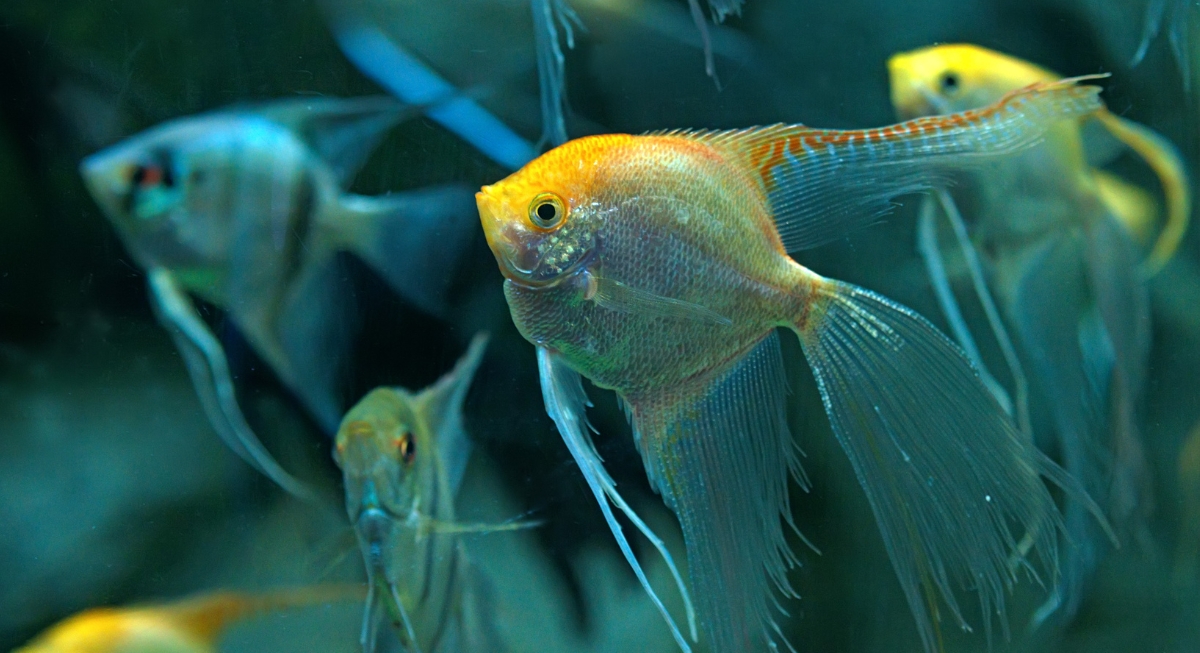
Long fins and tall body shapes give angelfish a very different presence from smaller schooling fish. They move carefully through aquariums and spend more time observing activity around them than constantly darting across the tank. Angelfish also belong to the cichlid family, which explains some of their territorial and social behavior. Breeding pairs may guard sections of the aquarium and interact closely with one another for long periods.
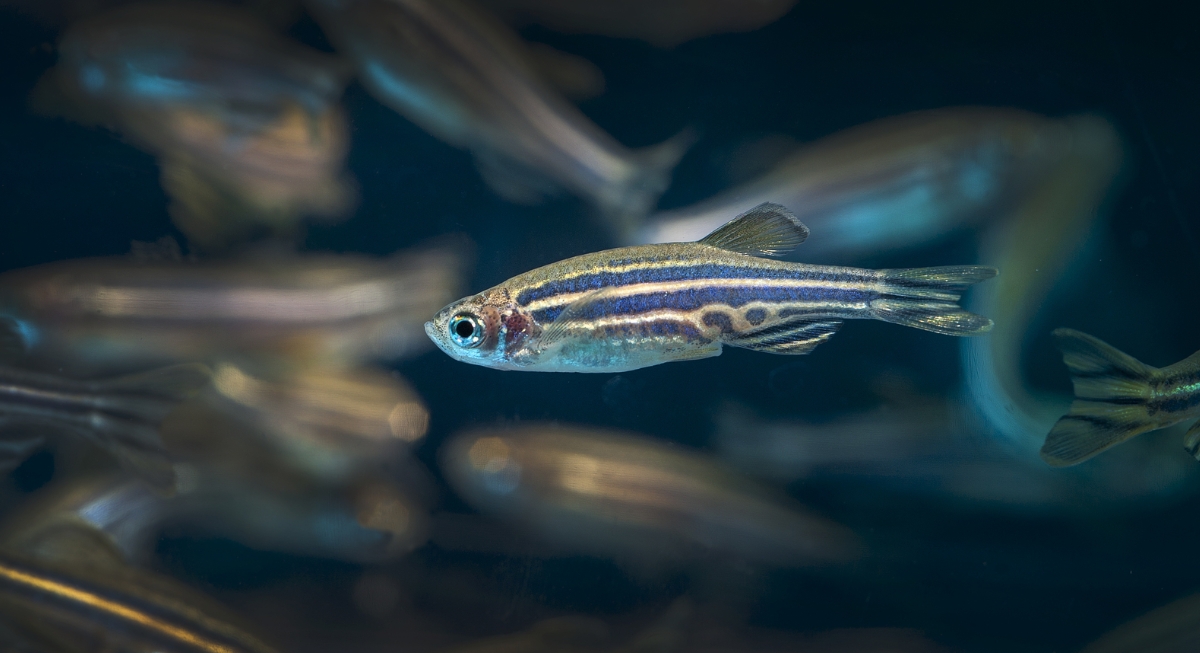
Zebra Danios
Credit: Wikimedia Commons
Zebra danios stay in motion almost nonstop, darting across the tank and quickly regrouping near the surface. Their social behavior becomes easy to notice in groups, especially around feeding time or when the tank lights change. They are also known for being highly responsive fish, which is one reason they have been widely used in scientific research.
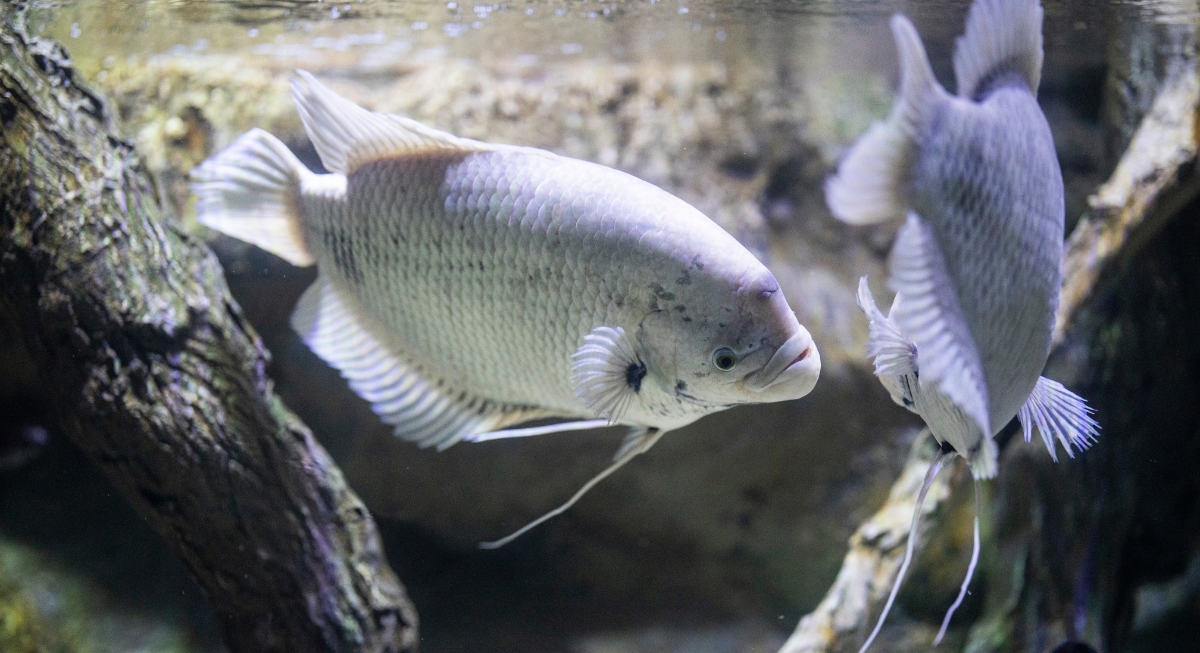
Gouramis
Credit: pexels
Gouramis have a slower, more noticeable way of moving around the tank. Many rise to the surface for air, then drift back through plants and shaded areas below. Owners often start recognizing small habits, like certain spots they return to throughout the day. Their calmer pace also makes behavioral changes easier to notice, especially in smaller apartment aquariums.
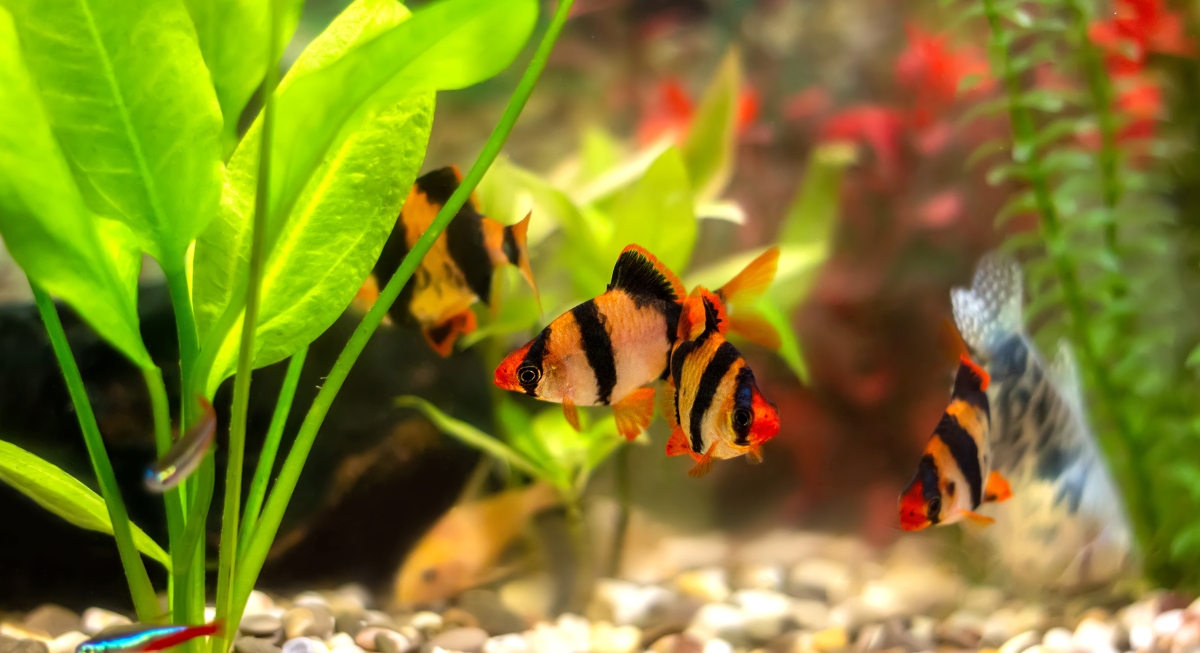
Tiger Barbs
Credit: Getty Images
Tiger barbs developed a reputation for troublemaking because of their aggressive interaction inside groups. Chasing, fin-nipping, and quick territorial disputes happen constantly. Keeping larger groups spreads that aggression across multiple fish and creates more stable social behavior. Their striped bodies flash across open water almost nonstop. They often gather near the front glass whenever people pass nearby.
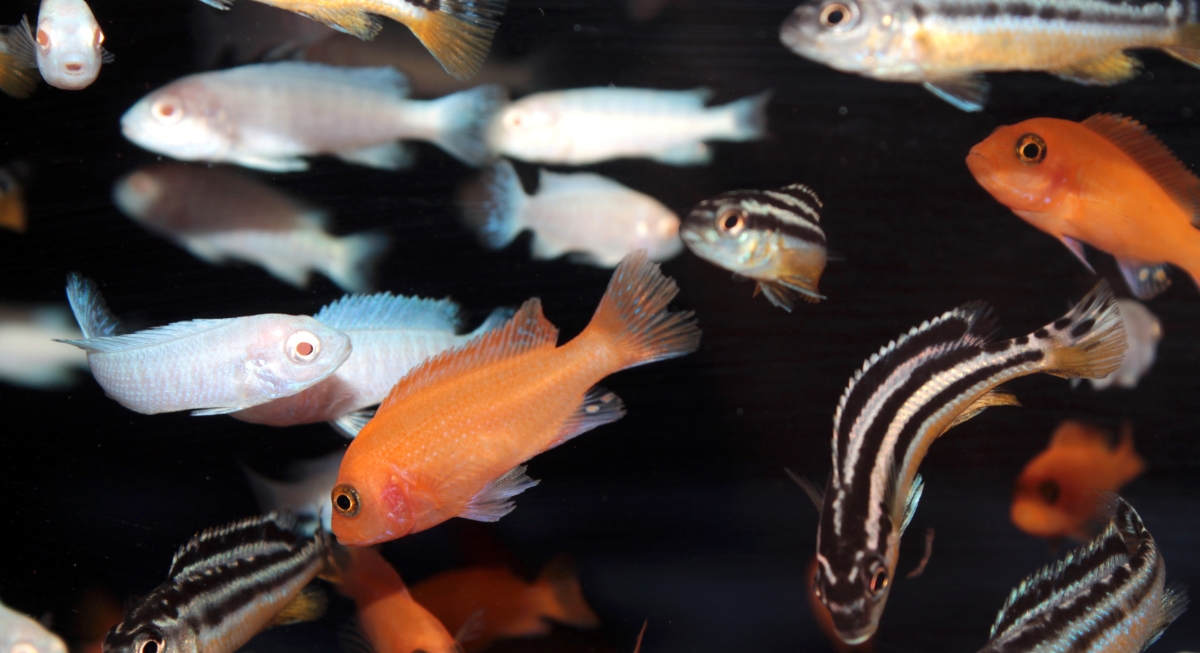
African Cichlids
Credit: Getty Images
Rock placement matters with African cichlids because nearly every fish claims territory. Many species come from Lake Malawi, where rocky shorelines create narrow spaces for breeding, feeding, and dominance battles. Home aquariums recreate those environments with stacked stone formations and caves. Males patrol these sections constantly and may change color intensity depending on breeding condition or stress.
Clown Loaches
Credit: Getty Images
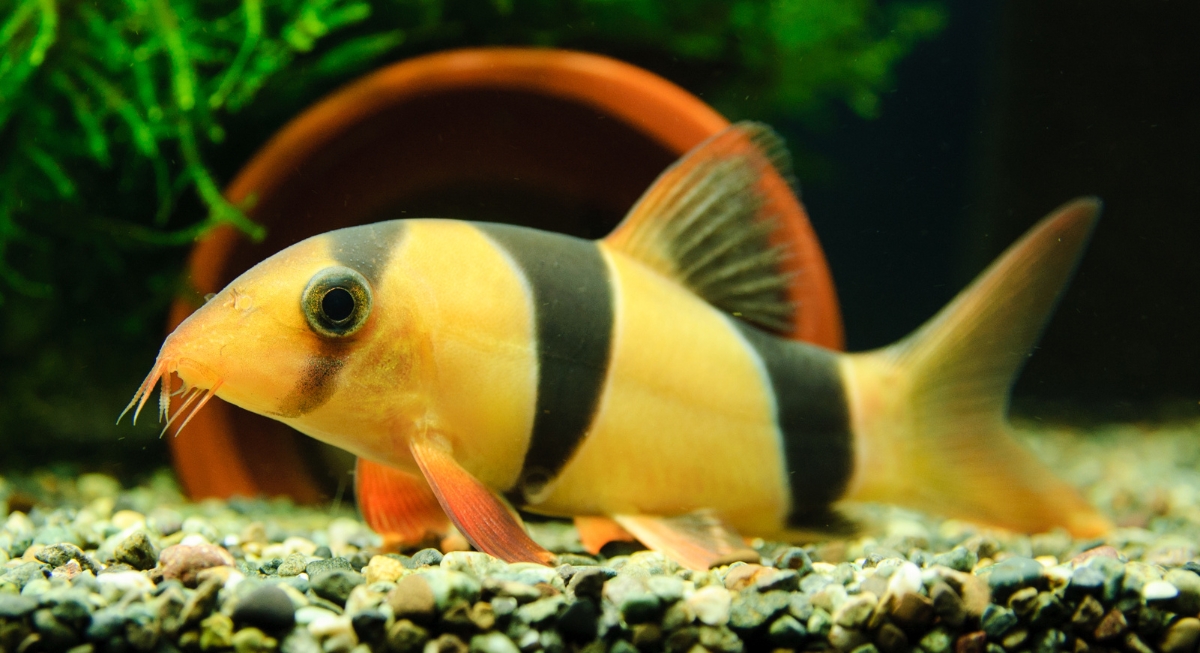
Clown loaches frequently hide together inside caves, rest side by side under decorations, and search the tank floor in coordinated groups. Feeding time usually generates the most activity, as clown loaches may produce audible clicking sounds while competing for food. Owners also become attached because these fish live much longer than many common tropical species, sometimes surviving for more than a decade.
Parrot Cichlids
Credit: Getty Images
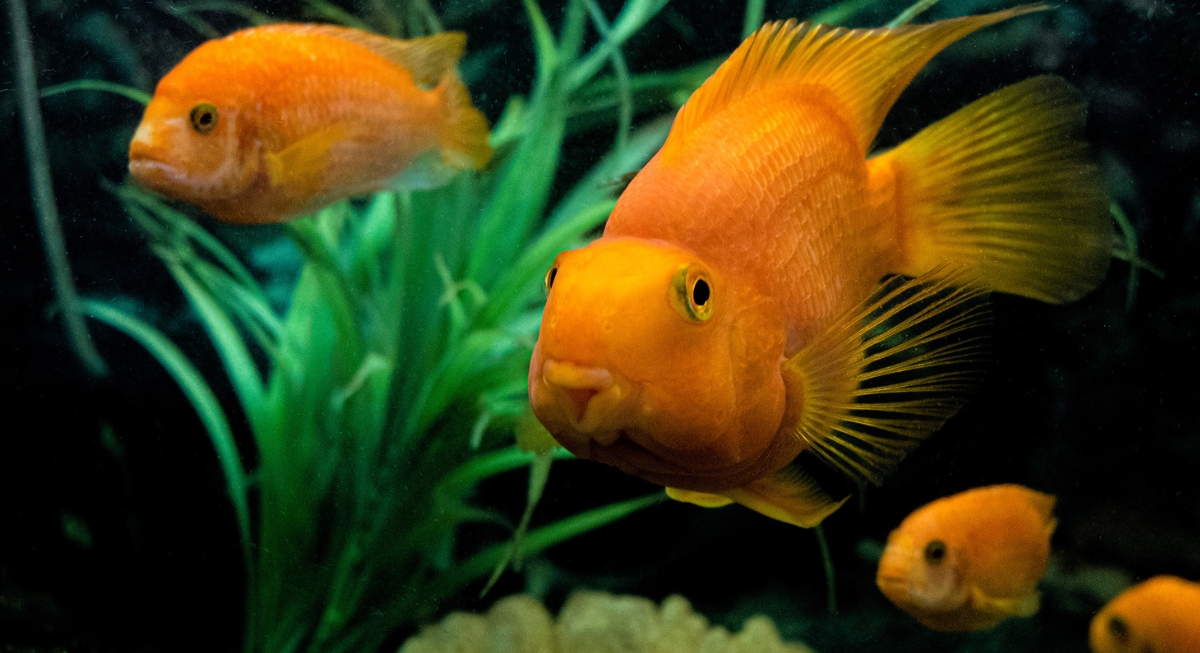
Parrot cichlids spend a surprising amount of time manipulating their environment. They shift gravel piles across the tank and move decorations slightly, as you may notice between cleanings. They recognize feeding areas after a few weeks. Their rounded bodies and unusual mouths already make them stand out, but owners usually remember the behavior first. Many closely follow movement outside the aquarium and approach familiar people. Individual fish also develop recognizable swimming patterns and can be identified in mixed aquariums.