Australia Dropped Carrots From the Sky to Save Starving Wallabies
After the bushfires, some parts of Australia looked completely burned out. The flames were gone, but so was the food that animals depended on.
That’s when helicopters started flying low over those areas. Instead of water or supplies for people, they dropped carrots onto the ground. It looked unusual at first, but there was a clear reason. For many animals, especially wallabies, the real struggle began after the fires ended.
When Survival Gets Harder After The Fire
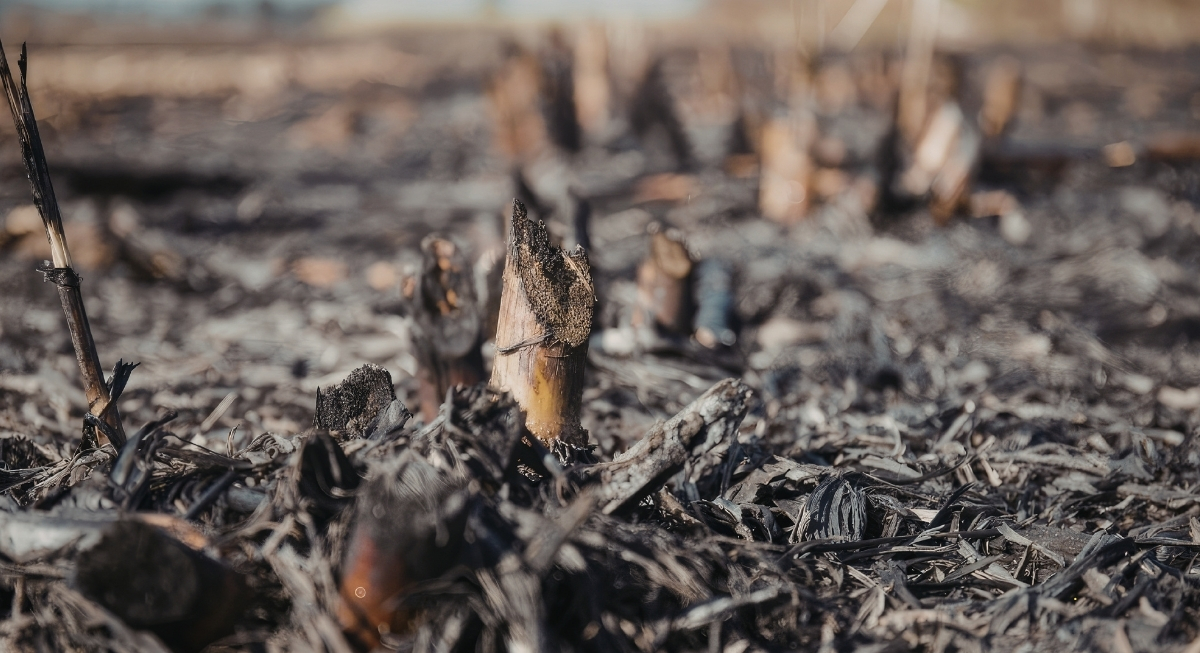
Image via Canva/David Stanciu’s Images
The 2019–2020 bushfires tore through millions of hectares, wiping out entire stretches of vegetation. For wildlife, escaping the heat was only the first hurdle. Once the fire moved on, the landscape left behind was a wasteland. Food sources were incinerated, and regrowth takes time, especially in dry conditions where rain is scarce.
Brush-tailed rock-wallabies were among the species identified as needing assistance after the fires. These animals live in rugged, rocky terrain, which actually helped them survive the initial flames by providing deep crevices to hide in. However, after the fires, their habitats had limited vegetation, reducing the availability of food sources.
Why Helicopters Became The Solution
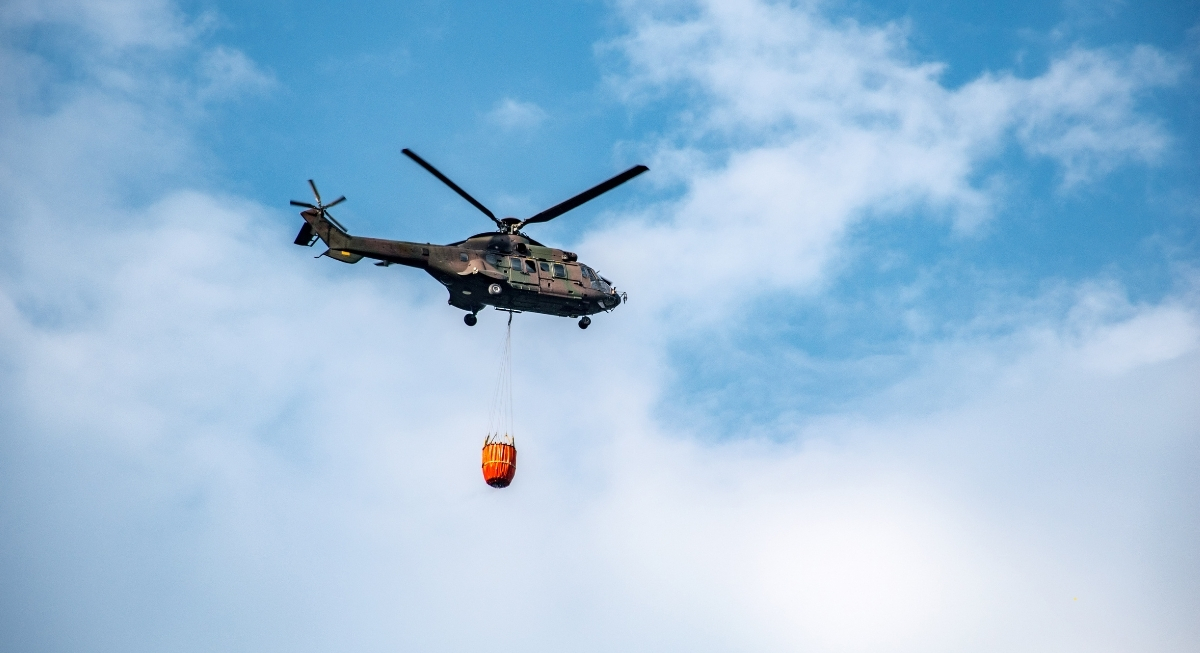
Image via Getty Images/CasarsaGuru
Getting help to these animals on the ground was nearly impossible. The same steep cliffs that protect wallabies make it dangerous and slow for people to reach them on foot or by truck. Officials needed a way to deliver calories directly into those remote habitats before the animals grew too weak.
This led to “Operation Rock Wallaby.” Crews began loading helicopters with thousands of kilograms of carrots and sweet potatoes. Carrots and sweet potatoes were used because they are durable and suitable for aerial delivery.
Careful Drops, Not Random Tossing
This wasn’t a case of pilots tossing bags of food out the window and hoping for the best. The missions were highly coordinated. Conservation teams used existing data to identify exactly where specific colonies lived. They targeted the rocky outcrops and steep ridges where the wallabies were most likely to be huddling.
By being precise, the teams could ensure the food reached the intended animals rather than just feeding invasive species or letting the produce rot in inaccessible gullies. It was a controlled, tactical response to a localized starvation crisis.
A Temporary Lifeline
The food drops were never intended to be a long-term solution or a replacement for a natural ecosystem. They were a bridge to keep the animals alive while the first green shoots of grass and shrubs began to push through the ash. Estimates suggest that around 3 billion animals were killed, injured, or displaced during the fires.
For species like the brush-tailed rock-wallaby, which already face pressure from habitat loss and predators, losing a significant portion of a colony to food shortages posed an additional risk to already vulnerable populations. The carrots provided just enough energy to help them hold on until the rain returned.
Why This Story Stuck With People
Seeing carrots fall from the sky was unusual enough to grab attention, but what made it stick was what it represented. In the middle of a large-scale disaster, this was a small, direct way to help.
The images were easy to share, but they pointed to a harder truth. The danger didn’t end with the fires. Once the land was burned, animals were left without food and struggled to survive. Dropping carrots wasn’t just a gesture. It was a targeted response to a problem that continued long after the flames were gone.