10 Photos That Show Why Australia Is Not for the Weak
Australia is mostly known for its sunny beaches, friendly locals, and world-class wine. All of that is true, but it also has an ecosystem that will test even the most courageous person. The country is home to some of the most venomous creatures, even though the average Australian thinks it’s perfectly normal. These ten scary photos prove that Aussies and their wildlife play by a different set of rules.
The Ceiling Snake
Credit: Instagram
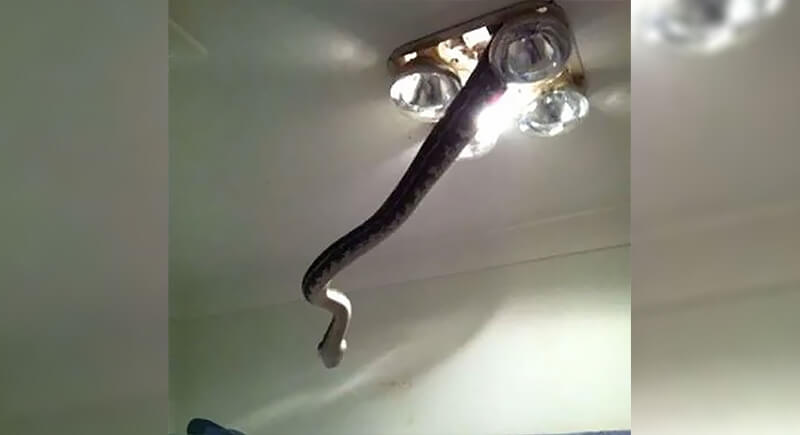
Anywhere else, that should be a loose cable dangling from the light fixture. But it’s Australia, and the residents are looking at a carpet python snake pushing through a ceiling. The species known to grow beyond 10 feet long sometimes enter homes because they follow heat and prey. While they are non-venomous, their sheer size makes them intimidating and raises many questions, like how long the snake was in there.
Check Your Door Handles
Credit: Instagram
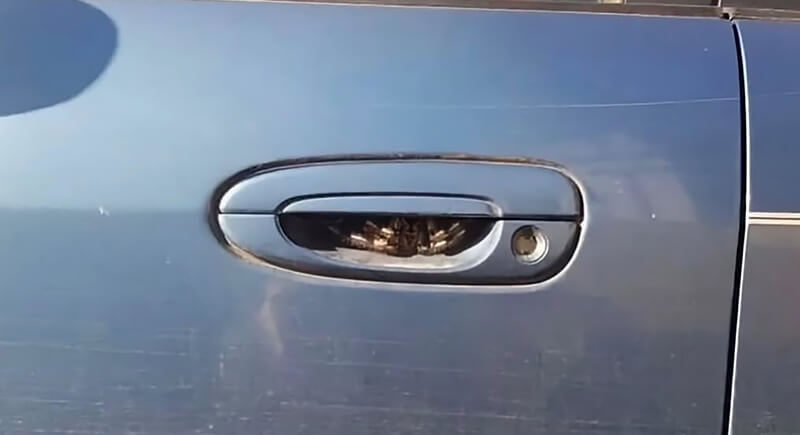
Most people don’t double-check their car door handles, but doing that in Australia could mean pissing off a huntsman spider. The species is known for its speed and ability to squeeze into gaps. While they’re not deadly to humans, they can grow to the size of a dinner plate. Imagine an arachnid of that size launching itself at you while you’re driving, and its presence on the door handle becomes unsettling.
Praying Mantises
Credit: Instagram
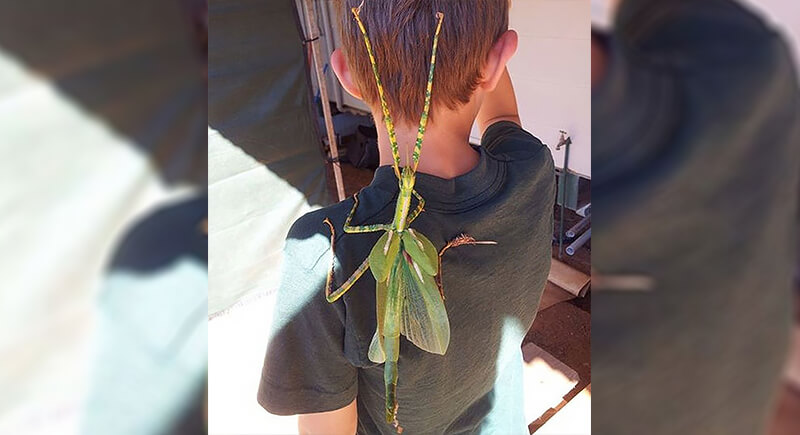
That leaf-like thing clinging to the back of this boy’s T-shirt is a giant praying mantis. Australia has several large mantis species, and adults can reach more than 4 inches in length. Their leaf-like wings and bright green bodies help them blend into the foliage of shrubs and trees. Although they are harmless to people, their spiked front legs grip tightly and can feel weird. Finding one hitchhiking on a child’s shoulder still feels uncomfortable.
Giant Spiders
Credit: Instagram
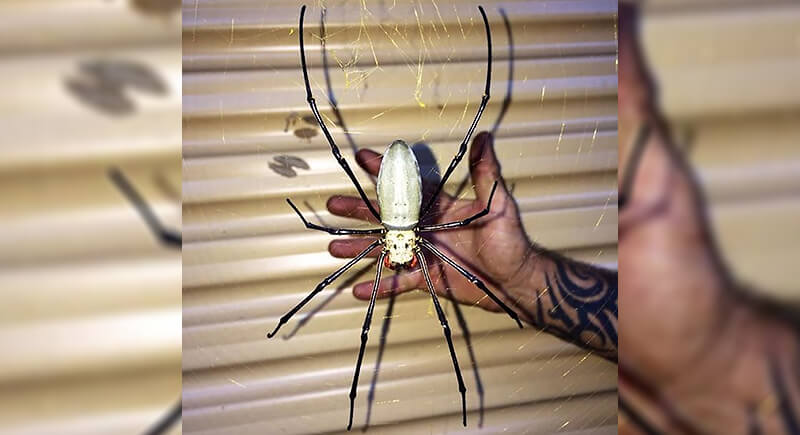
The spider resting across a tattooed hand here is a Golden Orb Weaver, one of the largest web-spinning spiders in the world. Females can grow to 2 inches in body length, with legs spanning the width of a human palm. Their silk is so strong that small birds and bats occasionally get caught in it. They’re not considered dangerous to humans, but staring at one this size is unsettling regardless.
Koala Gathering
Credit: Instagram
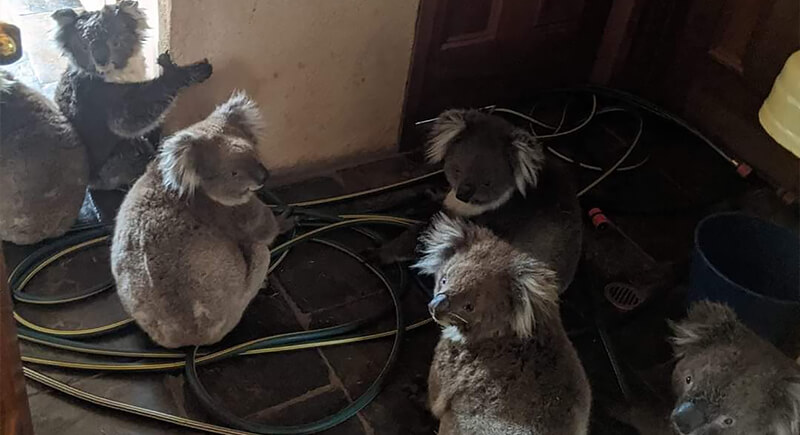
Five koalas sit patiently in a doorway like they scheduled a meeting. It looks adorable, yet wild koalas rarely gather in groups like this unless drawn by food or habitat pressure. But before you rush to pet them, know that they have sharp claws built for gripping eucalyptus bark and can scratch people when stressed. Wildlife authorities advise against approaching them. Cute? Absolutely. Harmless? Not exactly.
Even the Mud Hits Different
Credit: Instagram
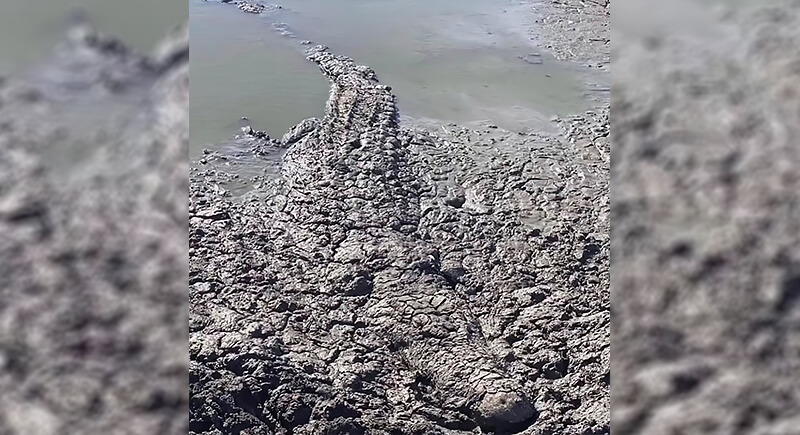
At first glance, part of this picture resembles cracked riverbank clay stretching toward the water. But look again, and you’ll notice the unmistakable outline of a saltwater crocodile. Australia’s saltwater crocs can exceed 20 feet in length and weigh more than 2,000 pounds. Even a simple stroll by a muddy bank could turn out to be you disturbing a croc lying in ambush for prey.
Always Shake Your Shoes
Credit: Instagram
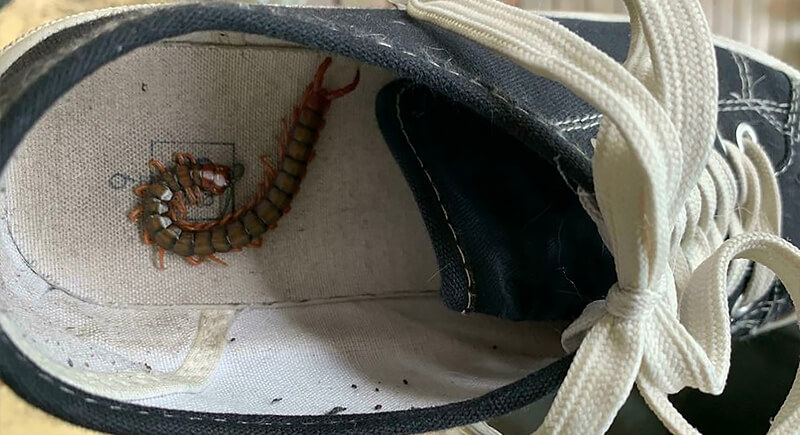
Australia is home to large species such as the Scolopendra, which can grow more than 6 inches long. They deliver venom through modified front legs and can cause intense pain, swelling, and nausea. Fatalities are extremely rare, yet the sting hurts. Checking footwear before stepping in becomes less optional and more of a survival strategy.
Unlikely Winners
Credit: Instagram
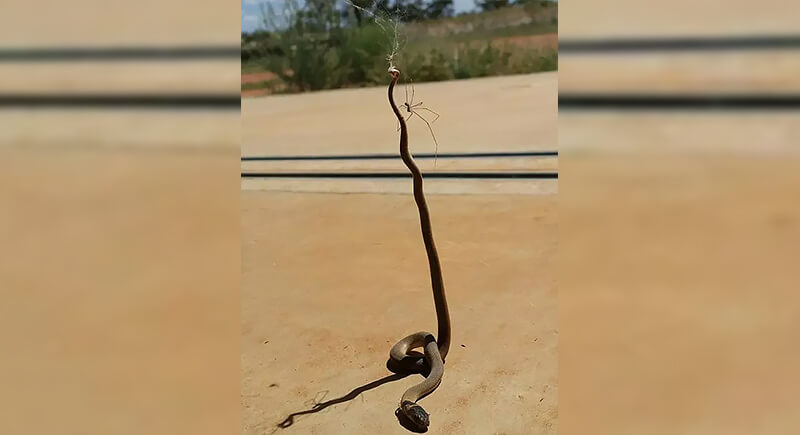
Back home, you can swipe a spider with footwear and run for safety when confronted with a snake. But the roles are reversed here. In Australia, some spiders will trap small snakes in their strong silk. While scenes like this aren’t too common, they happen often enough to remind everyone that Aussie food chain dynamics are as mysterious as can be.
Snakes in Unexpected Places
Credit: Instagram
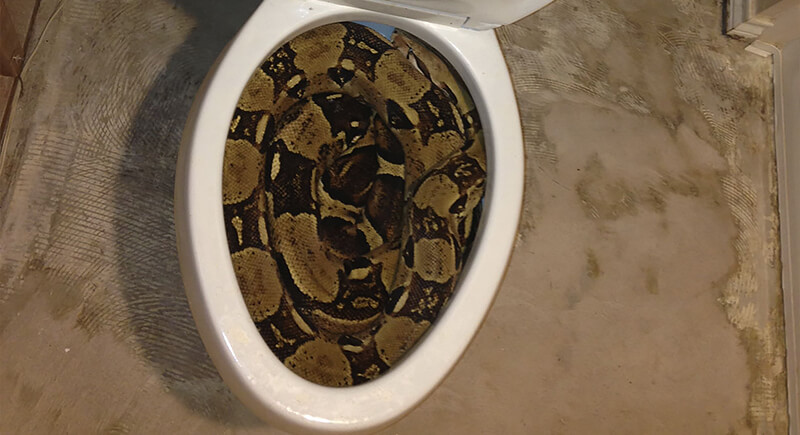
Lifting a toilet lid should be routine, yet some homeowners have found a thick snake coiled inside the bowl. In hot weather, snakes can move through plumbing systems and surface in bathrooms, especially in areas near open drains. Both venomous and non-venomous species have appeared this way. Flushing will not solve the problem. The safest step is to back away and call wildlife rescue.
Hanging Bats
Credit: Instagram
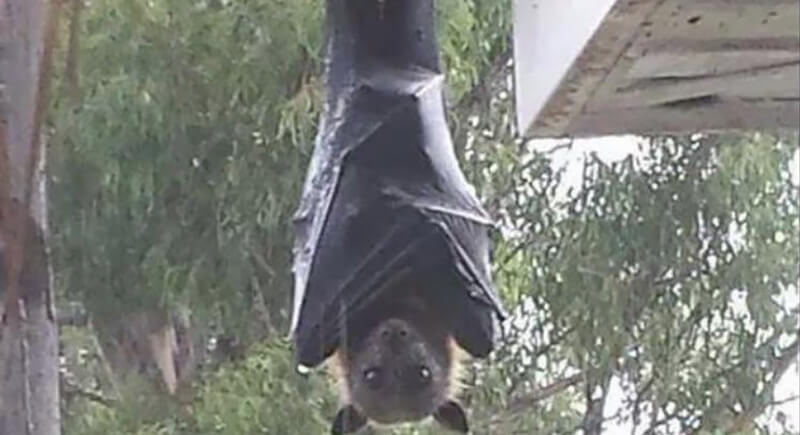
Hanging upside down from a roof gutter, staring directly into the camera, is an Australian flying fox. As the largest bats in the world, their wingspans can reach five feet. They roost in large colonies called camps, sometimes numbering in the hundreds of thousands. They typically avoid people when possible, so spotting one at eye level outside a home feels like something from a horror film.