How to Create a Backyard Paradise for Your Pet Bird
A well-built outdoor enclosure lets pet birds experience daylight, fresh air, and movement in a safe space. You have to think about various things, like letting them stretch their wings and meeting needs, which are often ignored indoors. By choosing materials, plants, and layout that match their preference, you create a paradise.
Here are some straightforward, functional ideas for helping your bird thrive in a backyard designed for exploration, rest, and comfort.
Build A Frame That Birds Can Navigate
Credit: iStockphoto
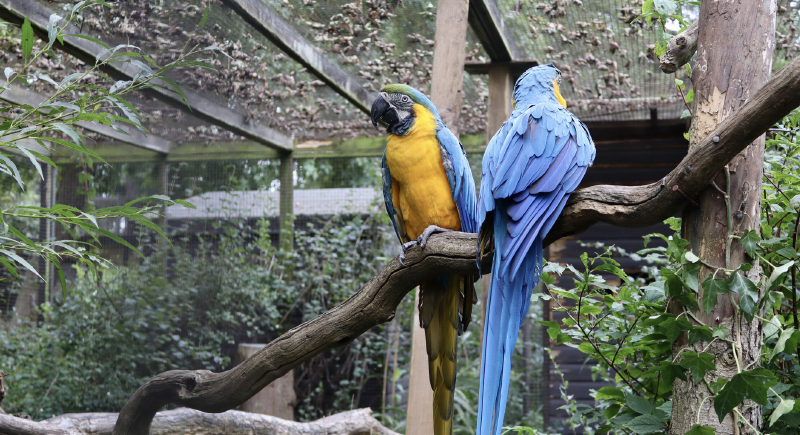
Pet birds benefit from a structure large enough for full-body movement. A walk-in metal frame, wrapped in fine mesh on all sides, helps protect them from predators and wind. Meanwhile, small cages limit exercise, increase stress, and can also contribute to muscle atrophy as time passes.
Select Bird Species Based on Compatibility

Credit: Getty Images
Housing incompatible species together leads to injuries, stress, or chronic territorial disputes. Some birds tolerate groups only when given large areas. Others, even in pairs, may become aggressive during molting or breeding seasons. Before choosing multiple birds, check which species naturally share space in captivity and require similar care.
Let Seed-Bearing Flowers Grow Fully
Credit: pexels
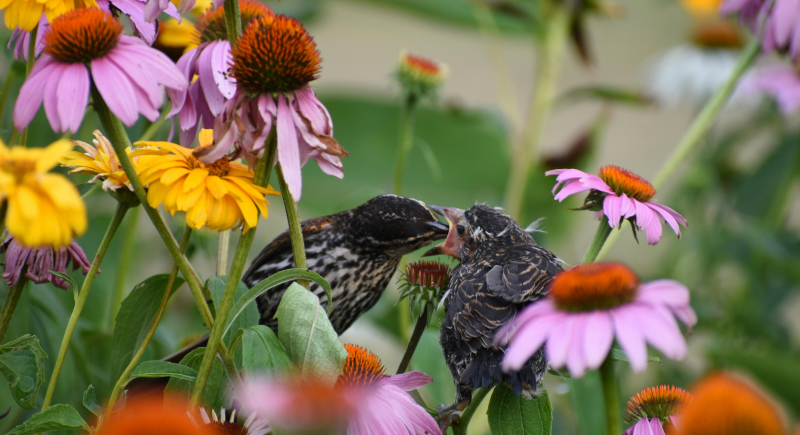
If you let coneflowers and swamp sunflowers dry out instead of trimming them early, they’ll form seed heads that attract birds. Goldfinches and sparrows usually feed on them in the wild. Your pet birds won’t eat the seeds, but they’ll watch the activity and movement with interest.
Install Uneven Perching Zones
Credit: iStockphoto
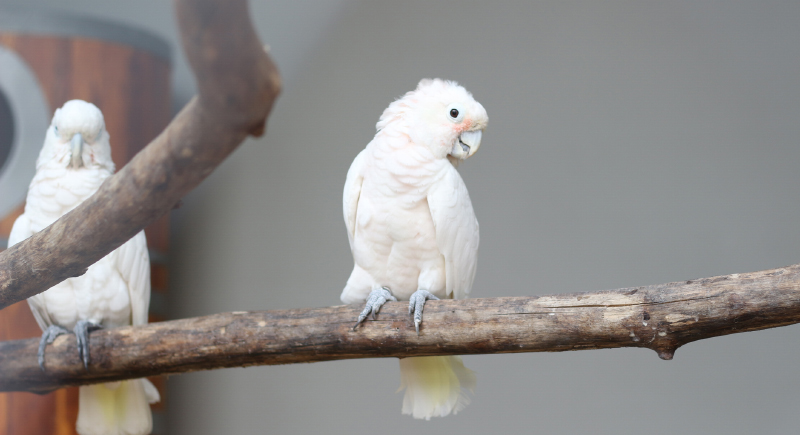
Uniform perches don’t do much to support movement and exercise. When you install real branches with different angles, textures, and thicknesses, birds frequently climb and rest in different positions. These movements prevent foot problems and stimulate mental activity.
Use Planter Walls for Cover and Function
Credit: Getty Images
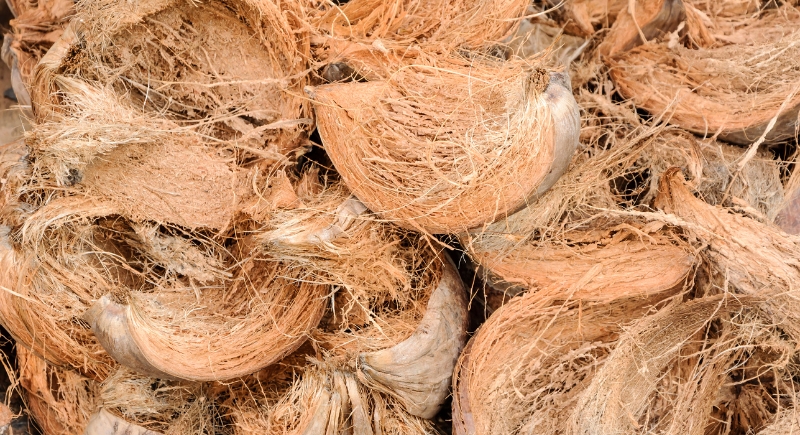
Attaching coconut fiber liners to sections of mesh allows you to grow herbs or leafy plants while giving birds areas to perch away from direct light. These spots add privacy and reduce overstimulation. Without varied surfaces, these creatures could crowd into corners or pace nervously.
Include Ground-Level Spots They Can Explore
Credit: iStockphoto
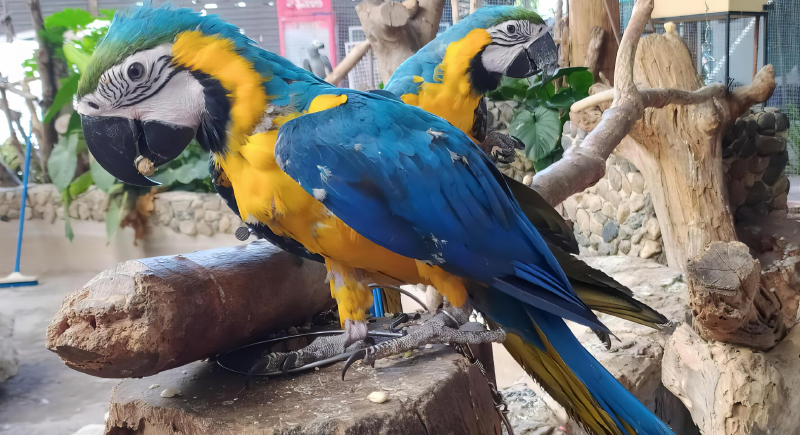
You might focus on perches and forget the floor, but ground-level features give birds additional ways to move. To avoid contact with bare soil, set out logs, stumps, or flat stones on a solid surface like mulch or pavers. These spots stay cooler and encourage natural foraging behavior.
Add a Low-Maintenance Water Feature
Credit: iStockphoto
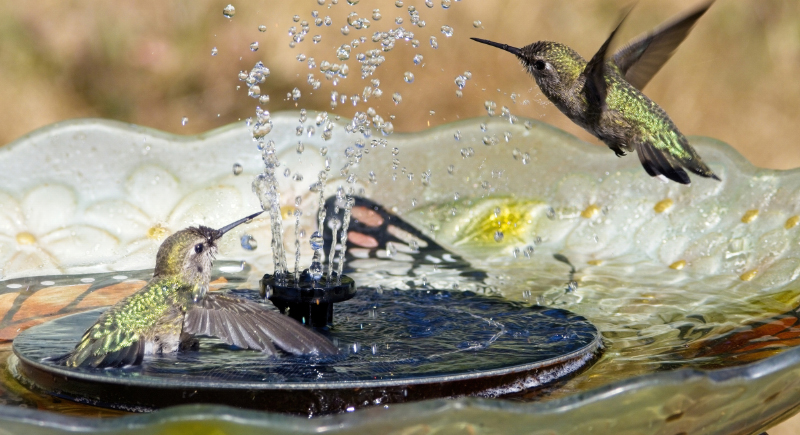
It is no secret that moving water attracts birds and encourages regular bathing, which supports feather health. Still water turns stagnant quickly, especially in the heat, and becomes unsafe. Circulating fountains stay cleaner, but do not opt for plastic bowls or containers with slick sides.
Hang Lightweight Herb Planters Within Reach
Credit: Reddit
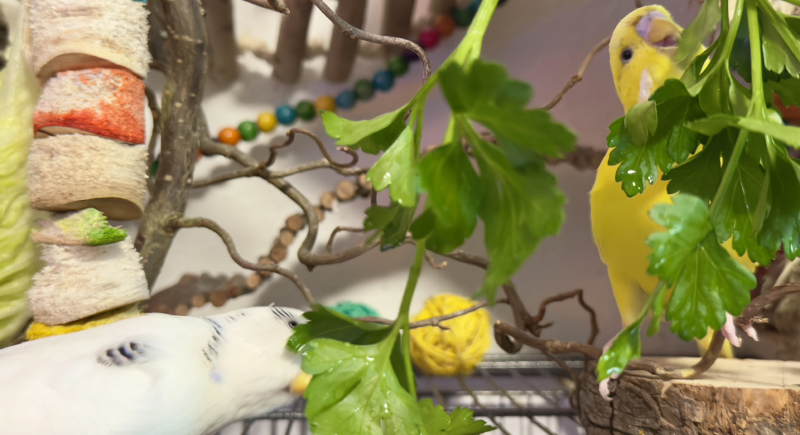
Herbs like basil, parsley, and dill grow easily in small planters and add texture and scent to the enclosure. You can hang them from the upper frame using zip ties or hooks, just high enough to stay clean but still reachable. Birds may nibble leaves, rest beneath them, or shred them during exploration.
Plant Native Shrubs Around the Enclosure
Credit: Getty Images
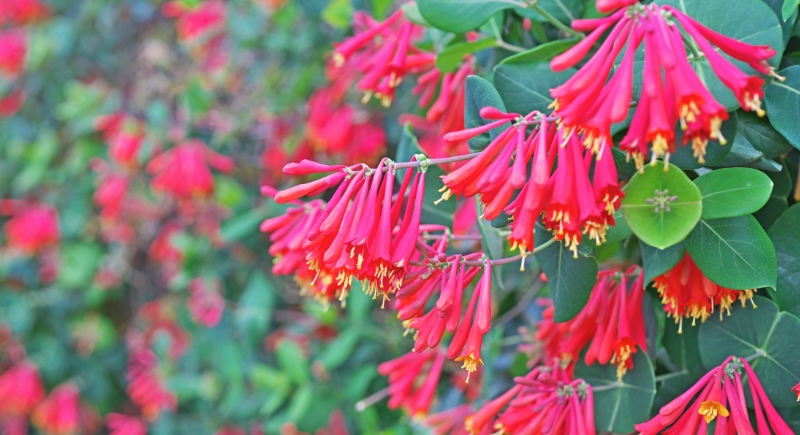
Studies from habitat gardening groups show native plants support more insect life than non-native varieties. Coral honeysuckle and red mulberry, for example, draw in pollinators that birds like to watch. These movements provide low-effort enrichment, especially for birds kept in outdoor enclosures.
Skip All Forms of Chemical Treatment Nearby
Credit: pexels
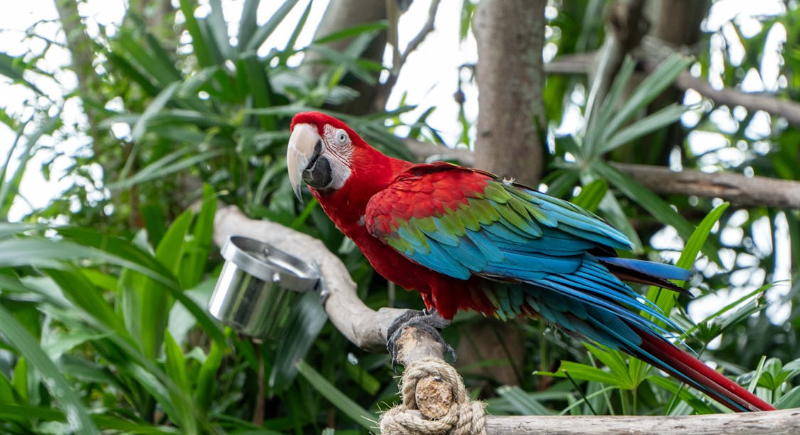
Pesticides, even those labeled natural, can affect birds through skin contact or residue on surfaces. Many common sprays contain compounds that birds cannot metabolize. Insecticides, even when sprayed outside the cage, can drift in through the wind or soil.
Leave Leaf Debris in Low-Traffic Areas

Credit: pixabay
Allowing fallen leaves to accumulate near the enclosure encourages insect activity and mimics seasonal change. Insects attracted to decomposing material become moving stimuli that birds watch from inside. This low-effort step supports local biodiversity and adds to your birds’ environmental variety.
Create Shade with Partial Canopy or Cloth

Credit: Getty Images
Not adding shade puts birds at real risk during warm or sunny days. Without a place to escape direct light, they can become overheated, stressed, and less active. Use shade cloth or fast-growing vines to cover part of the enclosure roof. However, try to aim for partial coverage, not full darkness.
Stack Features to Use Vertical Space Well
Credit: iStockphoto
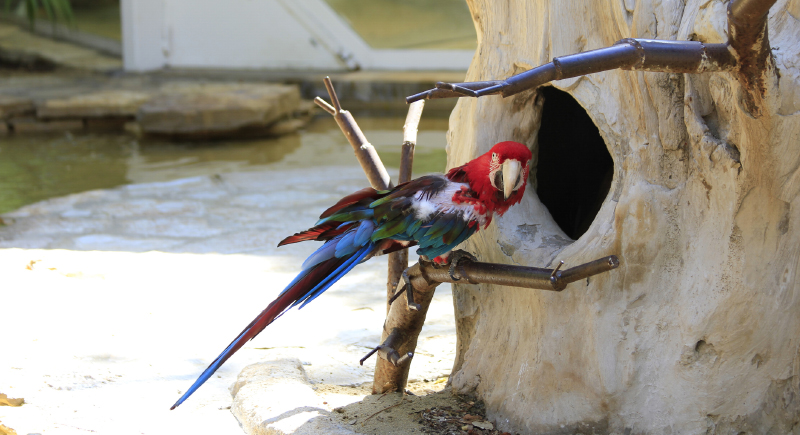
Design the enclosure with distinct vertical layers: a lower zone for walking and resting, a middle zone for feeding and grooming, and a high zone for perching or sleeping. This gives the creatures space to move through all these areas throughout the day and discourages conflict by giving each bird more options.
Offer Natural Nesting Materials Indoors
Credit: pexels
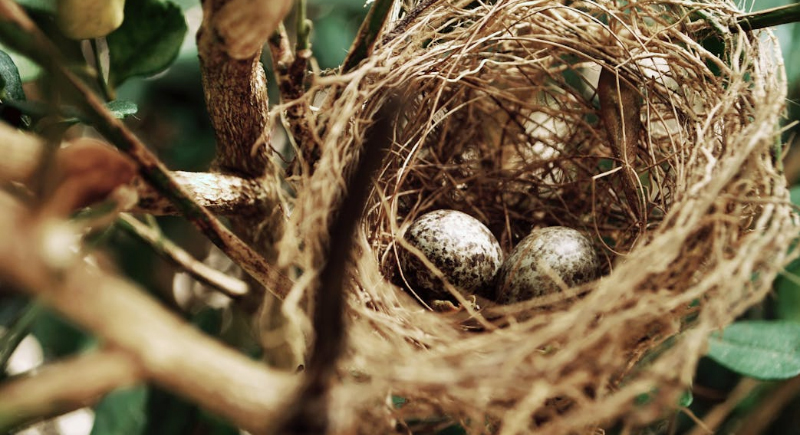
Bundle dry grass, twigs, or shredded paper and leave them where birds can access without pressure. Even if not breeding, many birds rearrange materials to create comfort zones or explore with their beaks. Otherwise, they may end up chewing cage parts or lose interest in any activity.
Put Visual Barriers to Reduce Overstimulation
Credit: iStockphoto
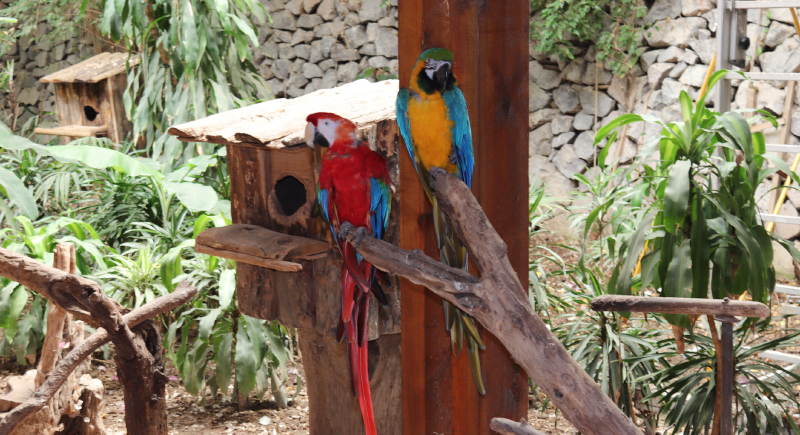
Constant exposure to open space can leave birds feeling exposed or restless. Visual barriers—like partial walls, tall planters, or hanging fabric—break up lines of sight and give them places to retreat. These areas can be leveraged to calm down, preen, or nap with no one watching.