Ranking the Best Pet Parents Based on Birth Months
Astrologers who study human–animal bonds have noted that there are several birth months that indicate a specific caregiving style. These months align with traits that help support strong pet relationships, such as consistency, emotional awareness, and responsiveness to routine.
This ranking presents observations compiled by a group of astrological experts. You will find that each month has earned its place through different patterns that exist between individuals born in it.
January Sets the Standard for Stability

Credit: Canva
You will notice that sticking to routines comes easily for pet parents born in January. According to research, predictable schedules help reduce stress in various pets, specifically dogs and cats. On this note, individuals born in this month typically maintain regular feeding schedules, plan veterinary visits in advance, and ensure they stay on top of daily care. Their calm presence helps animals feel safe and adjust more quickly.
April Brings Energy That Pets Respond To

Credit: Canva
April often ranks high because pets respond most to caregivers who stay engaged. Studies on animal behavior show that interactive play supports mental well-being. April-born pet parents tend to stay active with their animals and encourage movement and stimulation. That involvement builds trust, reduces boredom-related issues, and keeps their energy supportive rather than overwhelming.
July Excels at Emotional Awareness
Credit: Canva
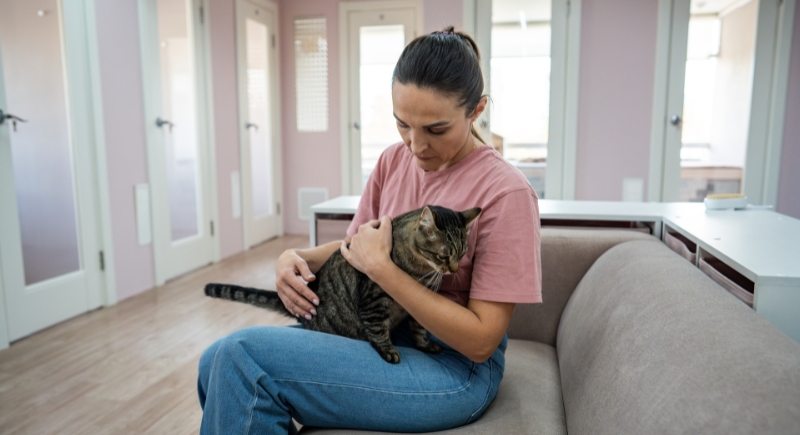
Caregivers born in July are quick to adjust routines, provide comfort, or seek help without wasting valuable time. Additionally, their homes typically accommodate pets that require reassurance or recovery time. Shelters frequently report that emotionally attentive adopters provide better outcomes, and July consistently aligns with that style through steady and observant actions.
October Creates Balanced Environments

Credit: Getty Images
Earning its place through balance and awareness, October stands out as one of the best months for pet parenting. This is because they manage stimulation carefully and tend to avoid overwhelming their furry friends. They notice stress signals early and respond with well-thought-out actions. This helps forge a bond based on trust, especially in sensitive animals.