The 10 Biggest Mammals Ranked by Category
When most people think of enormous animals, their mind probably jumps to giraffes or a grizzly bear. But the largest animals on Earth span a wide range of categories. Mammals comprise over 6,000 different species, from tiny rodents to humans and whales. We rank the largest mammals across 10 categories to reveal surprisingly giant class leaders, their individual traits, and much more.
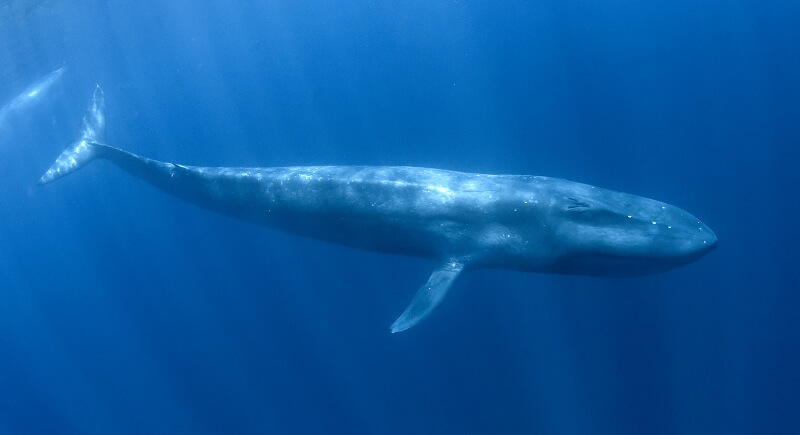
Biggest Whale: Blue Whale
Credit: Getty Images
No animal compares to the blue whale. At 100 feet long and tipping the scales at 200 tons, this marine mammal holds the title of largest animal ever to exist on our planet. Blue whales cruise through the ocean, consuming up to 16 tons of krill daily during feeding season. Their hearts alone weigh around 400 pounds, roughly the size of a small piano.
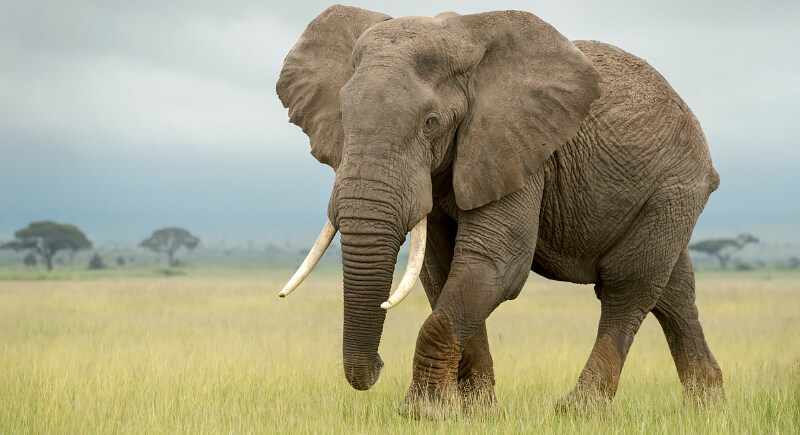
Biggest Land Mammal: African Elephant
Credit: Getty Images
At seven tons, African elephants dominate the terrestrial world, and those massive ears serve a practical purpose beyond hearing. The thin skin and extensive blood vessel network in their ears help them release excess body heat into the air. Bulls can stand 13 feet tall at the shoulder and consume 300 pounds of vegetation daily. Sadly, poaching and habitat loss have devastated populations, though conservation efforts continue.
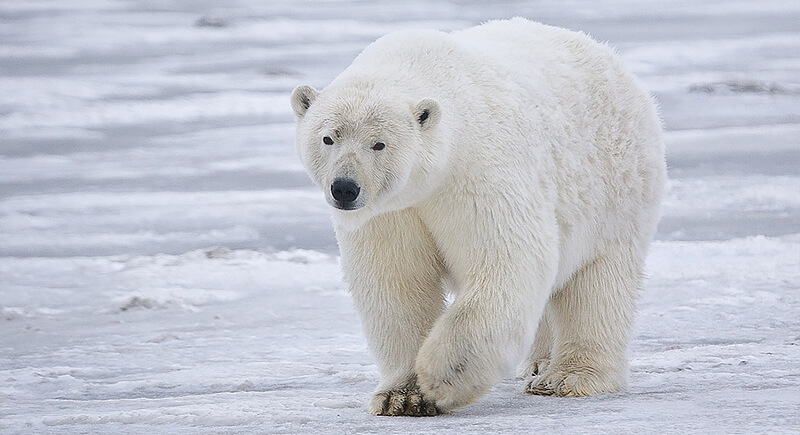
Biggest Bear: Polar Bear
Credit: Wikimedia Commons
When it comes to bears, polar bears absolutely dwarf the competition. Males regularly hit 1,500 pounds and stand 10 feet tall on their hind legs. These apex predators evolved to survive in the Arctic, sporting a thick layer of blubber beneath their water-repellent fur. Their primary prey is ringed seals, which they hunt with patience at breathing holes in the ice.
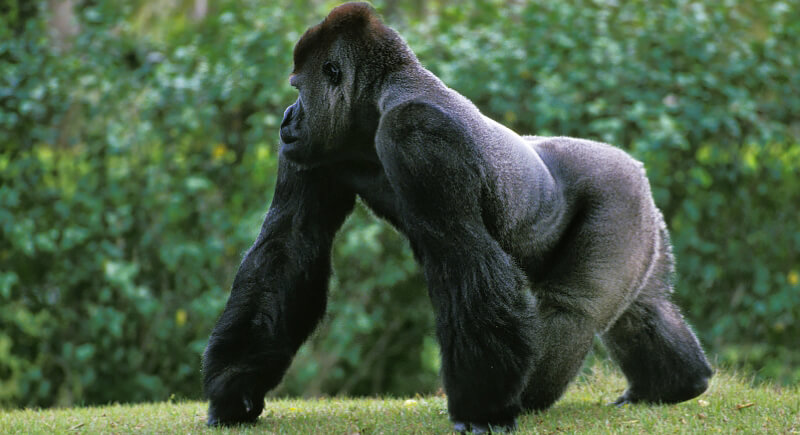
Biggest Primate: Eastern Lowland Gorilla
Credit: Getty Images
The eastern lowland gorilla is the heaviest primate alive at roughly 400 pounds. Its massive jaws surprisingly snack on tough vegetation rather than meat. Social groups center on a dominant silverback that settles disputes and guides movement. Political instability across the Democratic Republic of the Congo and neighboring regions has complicated their conservation.
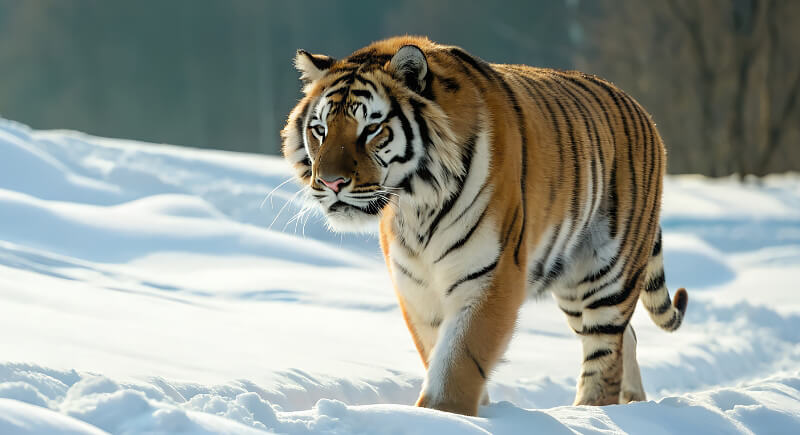
Biggest Cat: Siberian Tiger
Credit: ROM CREATOR
The title of largest feline goes to the Siberian tiger, with males reaching 660 pounds in the wild. They prowl the birch forests and snowy landscapes of Russia’s Far East, where winter temperatures plummet to -40°F. A single tiger requires a hunting territory spanning up to 400 square miles. Bengal tigers roaming India and Bangladesh rank second in size among their Siberian relatives.
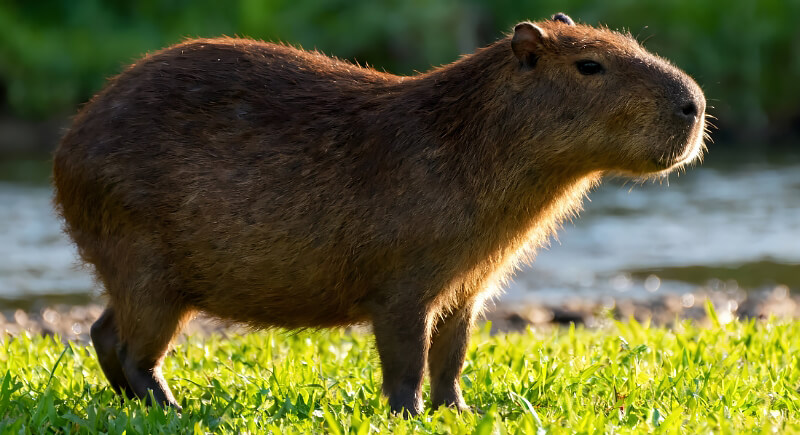
Biggest Rodent: Capybara
Credit: Canva
South America’s capybara looks like someone inflated a guinea pig to absurd proportions. These semi-aquatic creatures weigh around 140 pounds and grow up to four feet long. As highly social creatures, they live in groups of 10 to 20 individuals, though gatherings of 100 occur during dry seasons around shrinking water sources. They have webbed feet, which make them excellent swimmers.
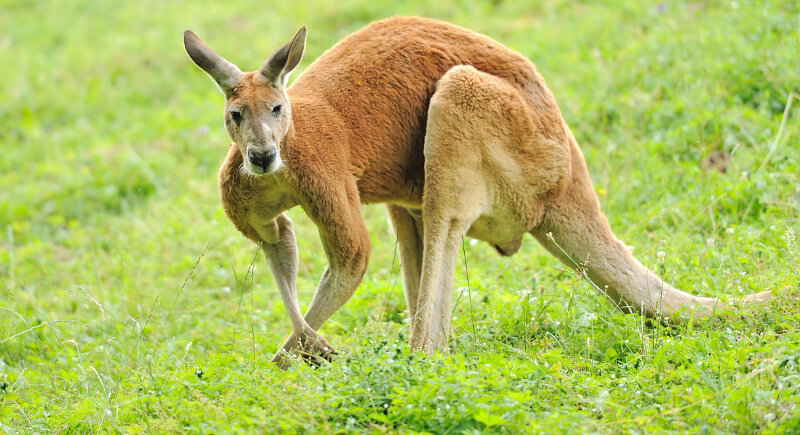
Biggest Marsupial: Red Kangaroo
Credit: Getty Images
Standing nearly six feet tall and weighing up to 200 pounds, Australia’s red kangaroo dwarfs all other marsupials alive today. They cover ground at speeds exceeding 35 mph and clear 25 feet in a single bound. Red kangaroos can survive without drinking water for months. Females carry joeys in their pouches for about six months, and they can pause embryonic development during droughts until conditions improve.
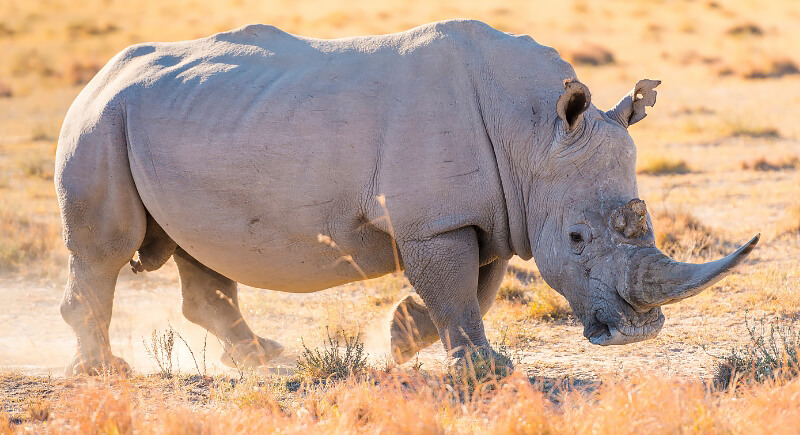
Biggest Odd-Toed Ungulate: White Rhinoceros
Credit: Canva
Lumbering across African savannas at 5,000 pounds, white rhinos claim the crown among odd-toed ungulates. The ‘white’ in their name is a mistranslation of the Dutch word “wijd,” meaning wide, referring to their mouths. Southern white rhinos number around 18,000 thanks to conservation breeding programs, despite poachers continuing to hunt them for their horns. Despite their bulk, white rhinos gallop at 30 mph when threatened.
Biggest Canid: Gray Wolf
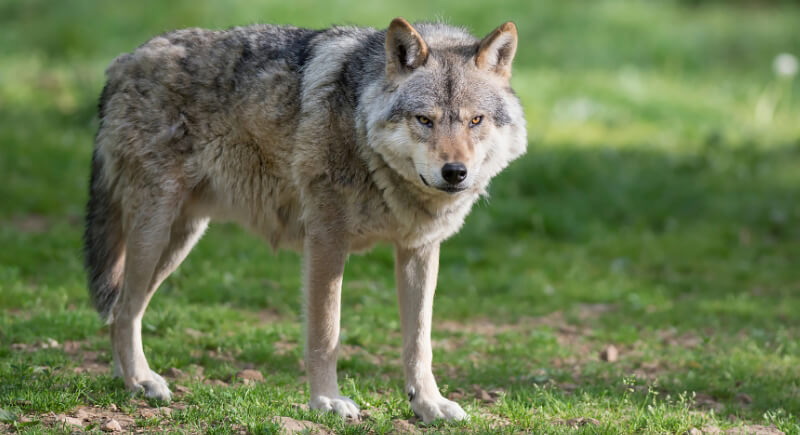
Credit: Getty Images
Pack structures in gray wolf societies revolve around a breeding pair and their offspring. Some of them weigh around 175 pounds. Their howls travel as far as 10 miles across open terrain, serving as both territorial warnings and reunion calls. Although reintroduction programs in many regions have shown promise, wolves once roamed across the Northern Hemisphere.
Biggest Even-Toed Ungulate: Hippopotamus
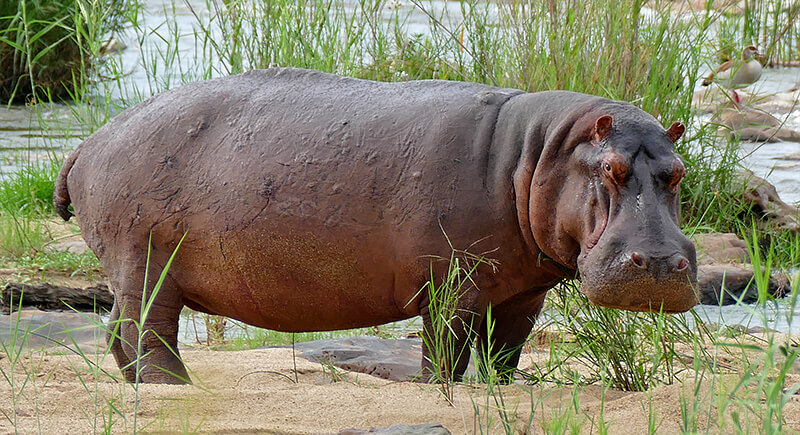
Credit: Wikimedia Commons
Despite their docile appearance, these 4,000-pound herbivores rank among Africa’s most dangerous animals. Hippos spend days submerged in rivers and lakes. At night, they emerge to graze on grass, consuming up to 80 pounds in one feeding session. Males establish territories in water and will aggressively defend them against rivals using their long teeth. Giraffes might be taller, but they weigh only about half as much as hippos do.