10 Birds That Can Mimic Human Speech Better Than Parrots
Parrots remain the most well-known talkers in the bird world. Still, they’re not alone. A handful of other species can copy words and everyday sounds with surprising realism, sometimes matching parrots in tone or delivery. These birds rely on sharp listening skills, flexible vocal anatomy, and strong social instincts to pull it off.
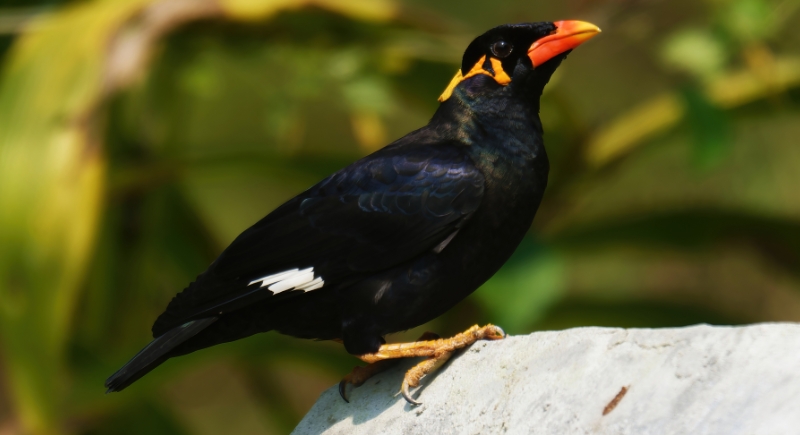
Hill Myna
Credit: Wikimedia Commons
Hill Myna is known for its uncanny voice replication, it can repeat words with tone and rhythm so spot-on that it often sounds like a person in the room. It doesn’t slur or garble. In fact, some individuals have been recorded mimicking laughter, questions, and regional accents.
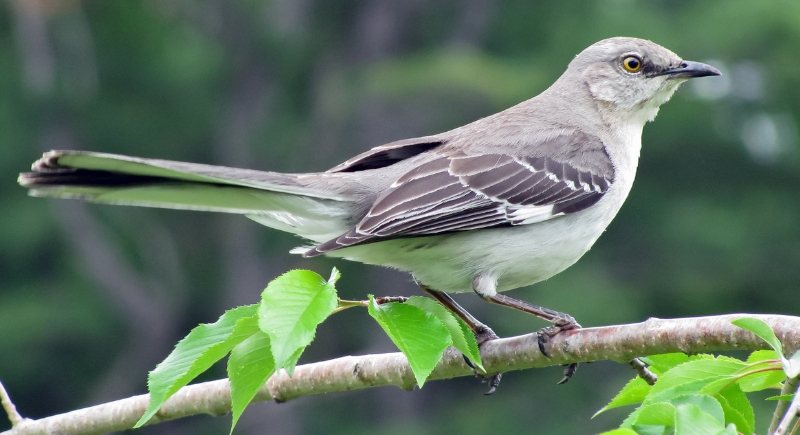
Northern Mockingbird
Credit: Wikimedia Commons
An adult male can mimic up to 200 different sounds in its lifetime, pulling from neighboring bird species, frogs, and even mechanical noises like car alarms. While human speech imitation is rare, their vocal range is still impressive. Males often show off this skill during mating season, using variety and endurance rather than clarity of words.
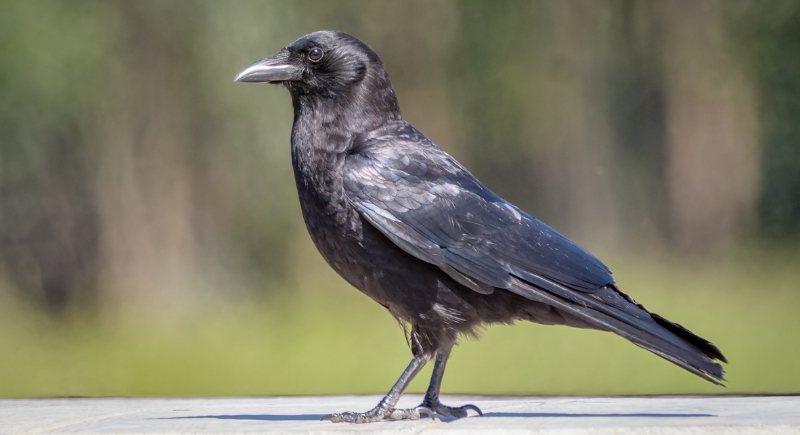
American Crow
Credit: Wikimedia Commons
American crows don’t just hold grudges; if setting right, they can also mimic human speech. Some crows raised in captivity have shown the ability to say several words clearly, especially when they’re regularly talked to. In the wild, their communication remains mostly crow-coded, but given a reason, they’re quick to copy.
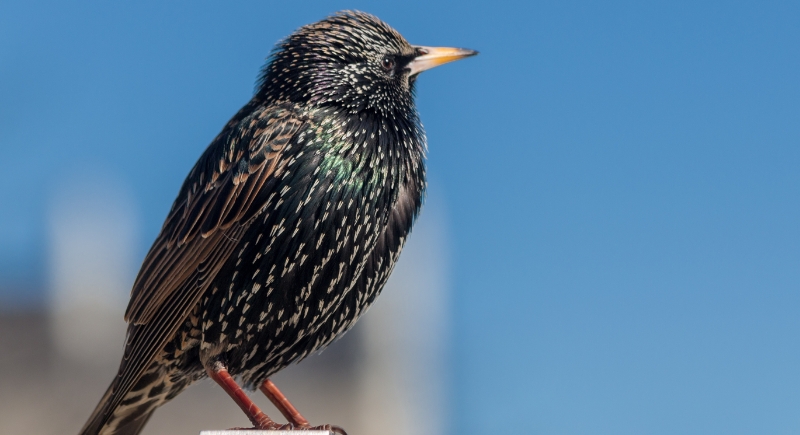
European Starling
Credit: Wikimedia Commons
Introduced to North America in the 1890s, the European starling is usually spotted in noisy flocks. What most people miss is that starlings can mimic dozens of sounds, including human voices, with surprising clarity. Their talent is so sharp that they’ve been used in research on language learning and grammar recognition.
Gray Catbird
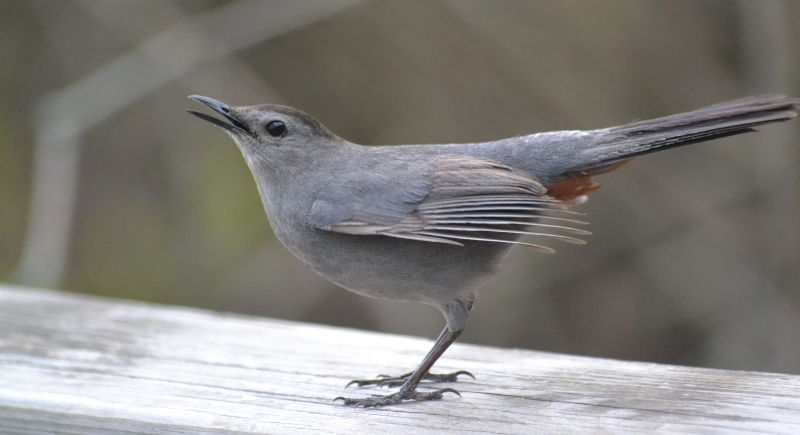
Credit: Wikimedia Commons
The gray catbird, named for its raspy, cat-like “meow,” is a skilled vocal mimic. It imitates the sounds of other birds, frogs, and even dogs barking, often blending them into fast, unpredictable sequences. This talent helps confuse predators and rivals, making the catbird one of the most versatile non-parrot mimics in North America.
Common Myna
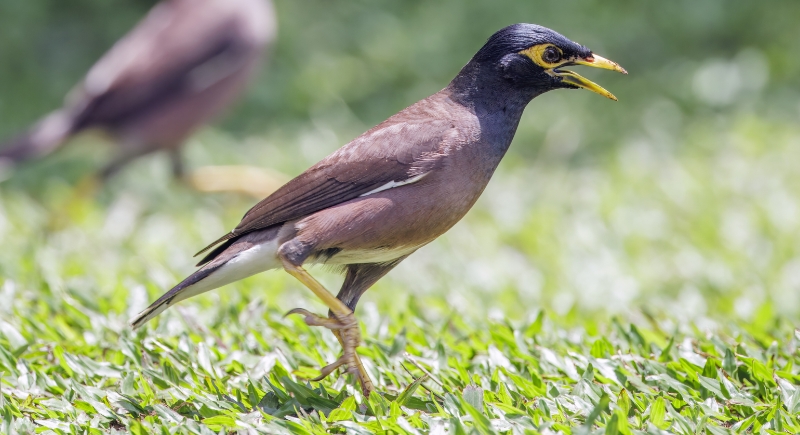
Credit: Wikimedia Commons
The common myna can learn dozens of human words with consistent training. These birds are especially good at repeating familiar phrases and environmental sounds. While their vocabularies are smaller than those of elite parrots, sources consistently recognize common mynas for their clear speech and strong imitation skills when raised around people.
Sage Thrasher
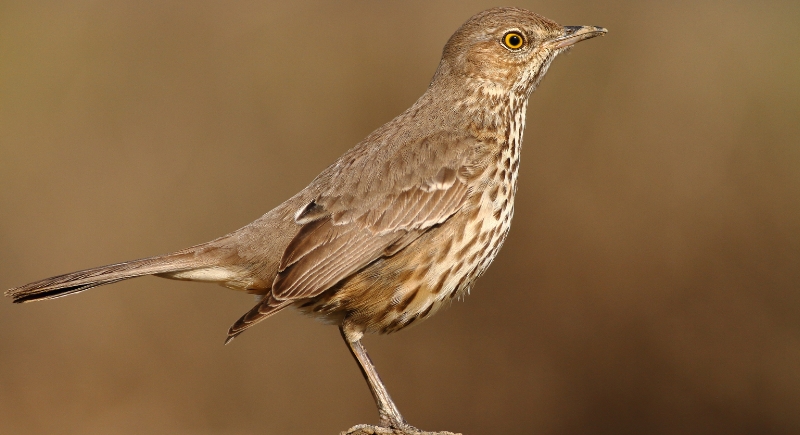
Credit: Wikimedia Commons
Sage thrashers are marathon singers rather than talkers. Closely related to mockingbirds, they specialize in mimicking other bird species and can sing continuously for more than 20 minutes. Their songs pull from meadowlarks, sparrows, gulls, and more.
Indian Ringneck Parakeet
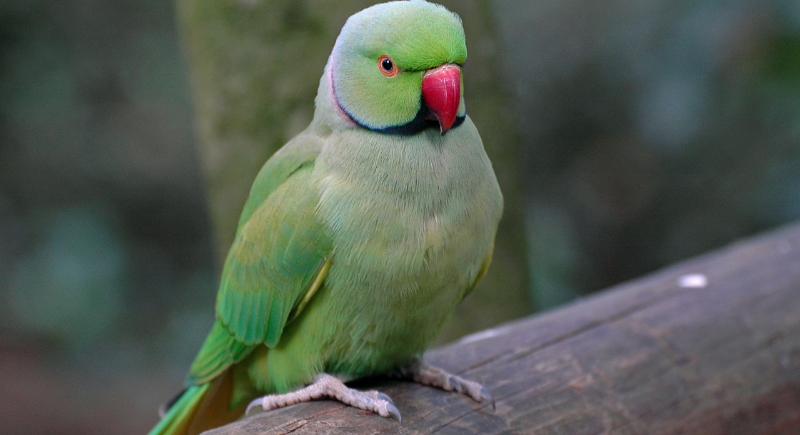
Credit: Wikimedia Commons
Parakeet might be in the name, but this bird often outshines bigger parrots in clarity. Indian ringnecks can speak with nearly perfect diction. Their talent for using phrases contextually—such as saying “good morning” when someone enters a room—suggests that they’re not just repeating, but paying attention.
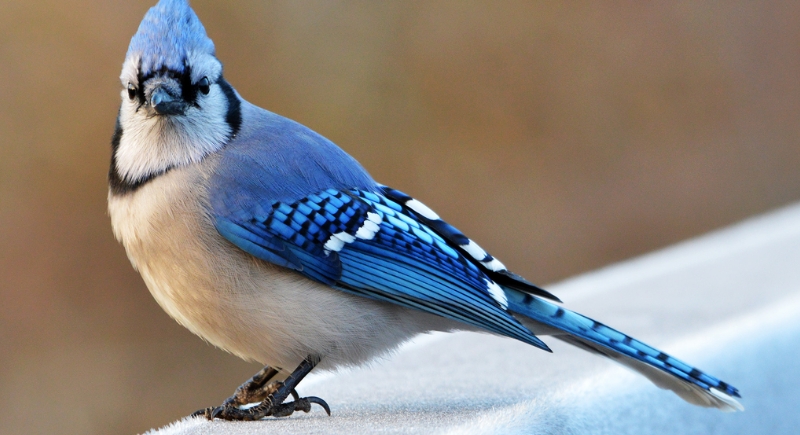
Blue Jay
Credit: Wikimedia Commons
Blue jays are best known for imitating hawks and other birds of prey, a clever trick that helps scare off competitors or warn nearby animals. They also copy other birds and environmental sounds. Their vocal flexibility and intelligence place them among North America’s most skilled natural mimics, especially when it comes to deception.
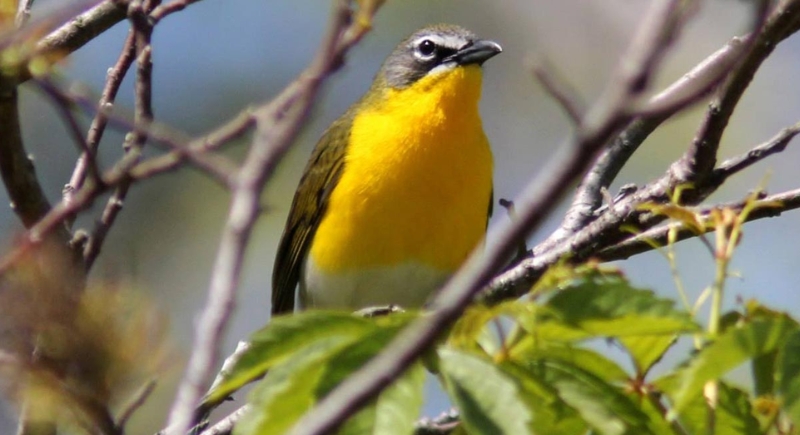
Yellow-Breasted Chat
Credit: Wikimedia Commons
The yellow-breasted chat earns its reputation as a vocal trickster through its varied repertoire. It produces an unpredictable mix of whistles, clicks, cackles, and borrowed bird sounds. This chaotic style helps confuse predators and rivals. Its wide-ranging sound library makes it one of the most unusual and entertaining singers in the wild.