Birds That Are Smarter Than a Human Toddler
Toddlers might be cute, but their decision-making skills aren’t exactly top-tier. By age two or three, most can say a few sentences and recognize faces, but certain birds are already several steps ahead. Researchers studying bird intelligence have discovered a handful of species that can use tools, plan for the future, and even recognize themselves.
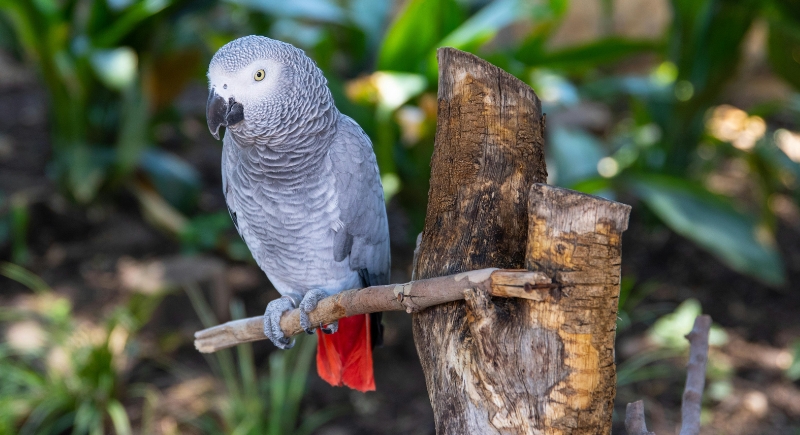
African Grey Parrot Uses Words With Meaning
Credit: pexels
Alex, the African grey parrot, stunned researchers by doing more than mimicry. He identified colors, counted objects, and understood what “same” and “different” meant—concepts most toddlers are still learning. He even asked questions, once inquiring, “What color?” when looking in a mirror. That puts him ahead of many two-year-olds.
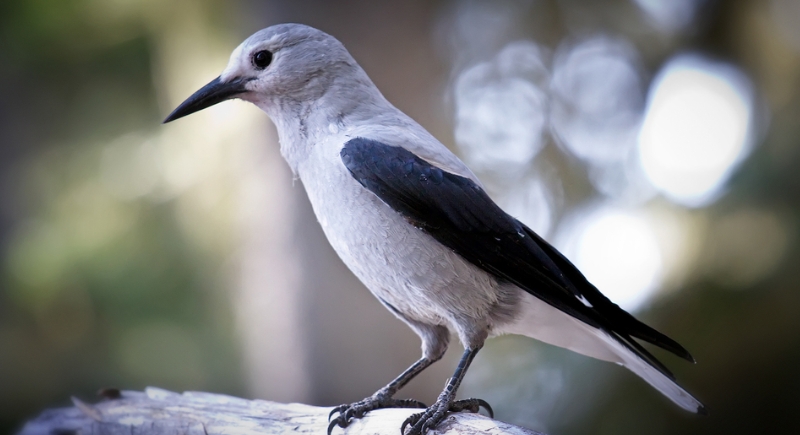
Clark’s Nutcracker Has an Unbelievable Memory
Credit: Wikimedia Commons
This mountain-dwelling bird stores around 30,000 pine seeds each fall and remembers where to find nearly all of them months later, even under snow. It doesn’t just rely on landmarks; studies suggest it creates mental maps. Compare that to a toddler who might forget where their toy is ten minutes later.
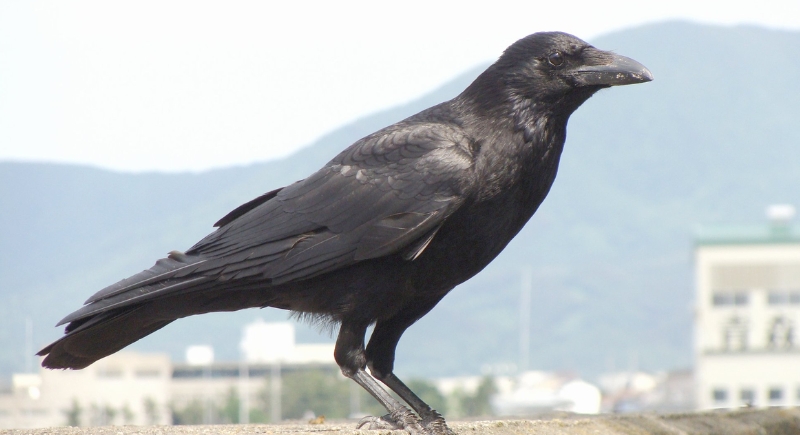
New Caledonian Crow Solves Multi-Step Puzzles
Credit: Wikimedia Commons
These crows make their tools by bending wires into hooks or crafting sticks to extract food. Researchers observed them using tools in a specific order to reach a goal. In lab experiments, crows solved complex puzzles that required planning several steps ahead.
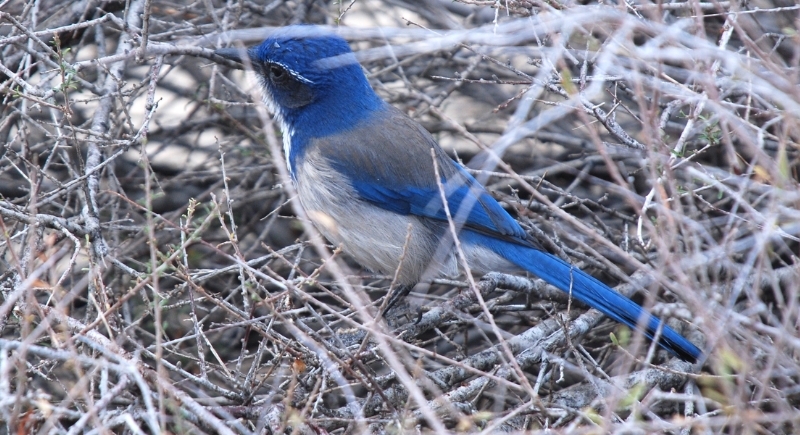
Western Scrub Jay Plans for the Future
Credit: Wikimedia Commons
Food caching is one thing, but scrub jays think ahead about what they’ll want to eat and when. They store specific food types based on future needs. If another bird watches them stash a snack, they’ll even move it later.
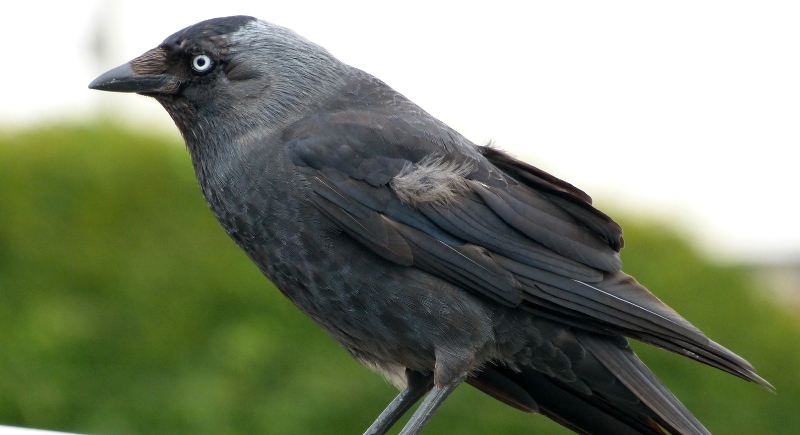
Jackdaws Follow Eye Gaze Like Humans
Credit: Wikimedia Commons
Unlike most birds, jackdaws notice where other individuals are looking and respond accordingly. That’s called gaze following, and it’s something human babies take time to learn. Jackdaws also recognize familiar faces, show fairness in food sharing, and use context to understand human cues.
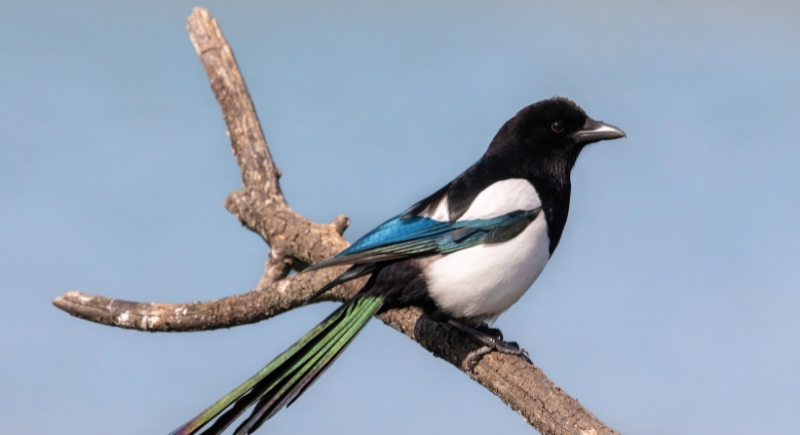
Eurasian Magpie Recognizes Its Own Reflection
Credit: Wikimedia Commons
Very few animals pass the mirror test, which suggests self-awareness. The Eurasian magpie is one of them. In studies, they spotted colored marks on their bodies while looking in a mirror and attempted to remove them. The behavior indicates they recognized the reflection as themselves.
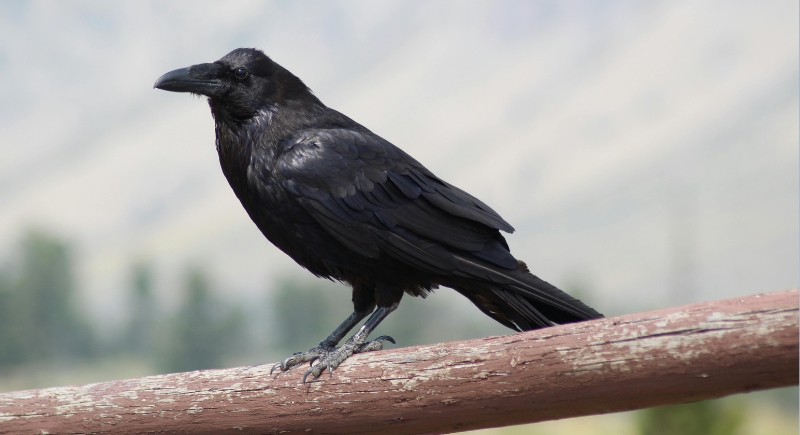
Ravens Work in Pairs to Outsmart Prey
Credit: pexels
Teamwork shows up in human development by preschool age, but ravens are ahead of the curve. In the wild, one raven will distract an animal parent while the other steals food or eggs. Studies also show they understand bartering, delay gratification, and even remember who treated them unfairly.
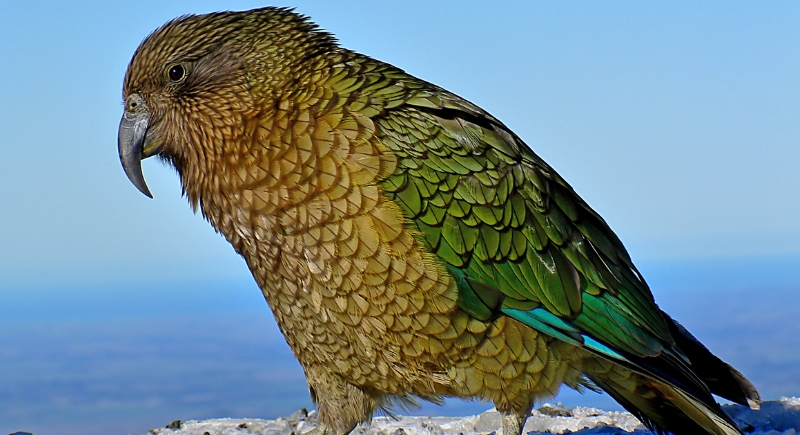
Kea Parrots Understand Probability
Credit: Wikimedia Commons
Keas shocked scientists by demonstrating statistical reasoning. In one study, they chose containers likely to have more food based on ratios—similar to how a toddler might choose the bigger cookie. But keas based their choices on probability, not just appearance.
Woodpecker Finch Uses Tools Like a Pro
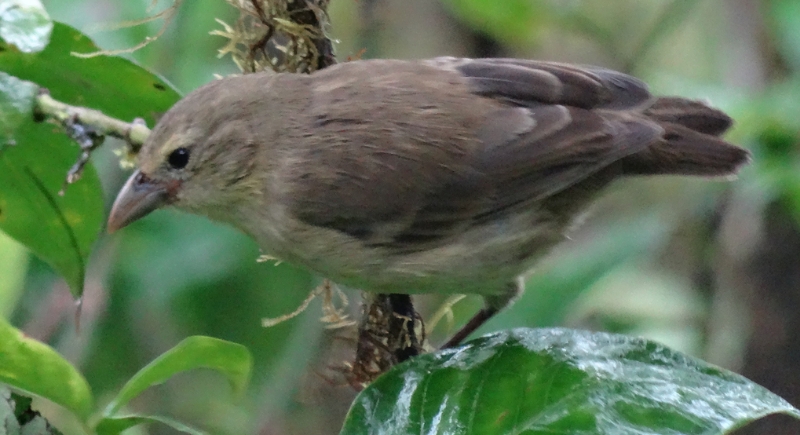
Credit: Wikimedia Commons
Unlike other finches, this Galápagos Island native uses twigs and cactus spines to dig out insects from tree bark. Tool use is rare among animals and even rarer in birds, but woodpecker finches do it daily. They’ve been seen modifying tools to fit the job—an ability toddlers won’t demonstrate until much later.
Pigeons Can Understand Abstract Concepts
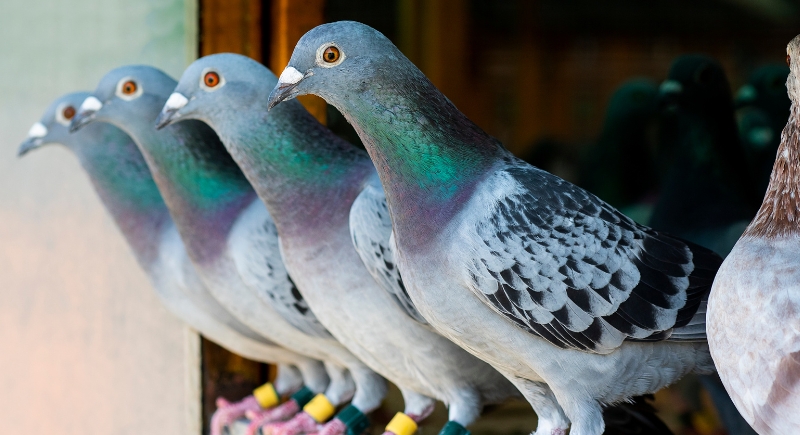
Credit: Getty Images
In controlled laboratory experiments, pigeons have demonstrated an unexpected ability for abstract thinking. They can sort images into categories, such as trees versus non-trees, and distinguish between different human facial expressions. Researchers have also demonstrated that pigeons can understand the concept of zero, recognizing the difference between “nothing” and a quantity.