10 Signs Your Cat Is Bored (And Destructive)
Cats might look content lounging around, but when boredom kicks in, they don’t always suffer in silence. When their days feel too empty, they invent their own entertainment. Scratched couches and nonstop meowing can all point to a restless feline. These signs help you spot the boredom before it turns into trouble.
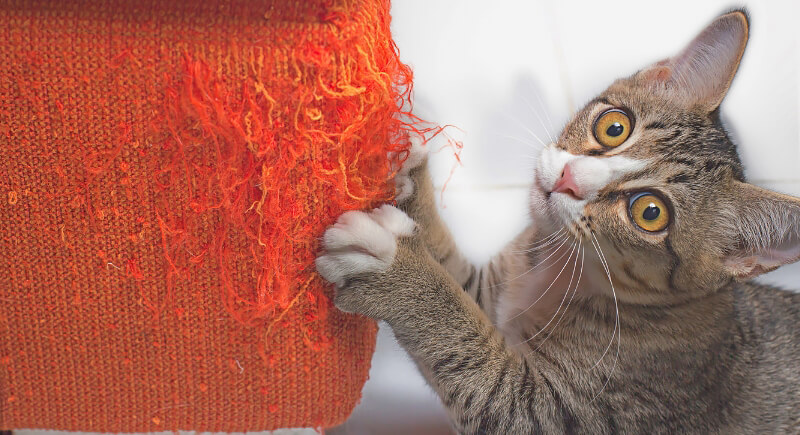
Attacks On Furniture Become A Daily Event
Credit: Canva
There’s normal scratching, and then there’s the kind that makes your furniture look like it got in a fight with a blender. When a cat gets bored, the nearest fabric-covered object becomes their personal stress ball. Without tall posts, cardboard mats, or anything else claw-worthy, your walls and curtains start looking like fair game.
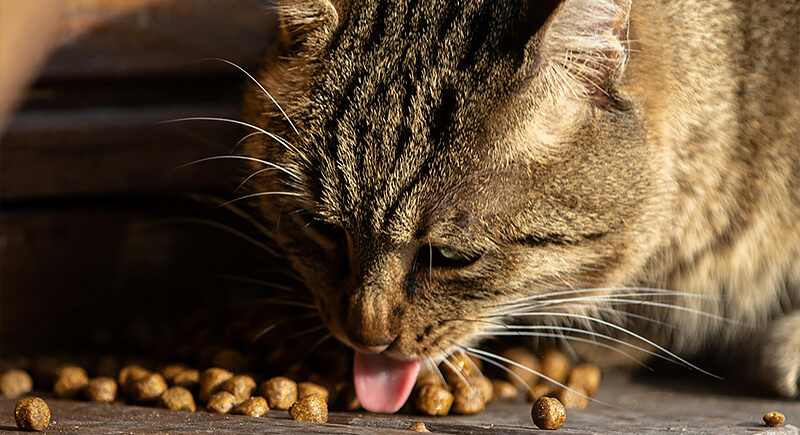
Your Cat Has Turned Into A Food Machine
Credit: pexels
When there’s nothing to chase, eat. That’s the motto for a lot of bored indoor cats, and they may be using food to fill the time. Overeating like this can spiral fast, and it’s one of the sneakiest signs that your cat’s routine needs shaking up.
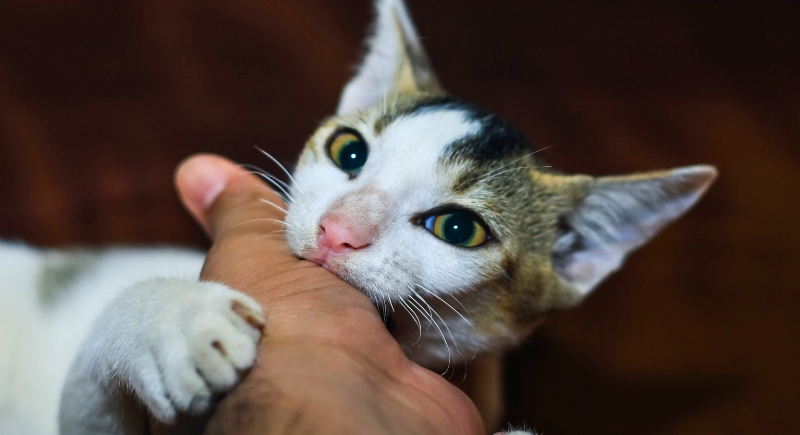
They Start Picking Fights With Everyone
Credit: Getty Images
Bored cats don’t always act out quietly. A once-friendly feline might start ambushing your other pets or picking fights during cuddle time. These surprise attacks are often a substitute for play. In homes with limited stimulation, a bit of chaos becomes their version of entertainment.
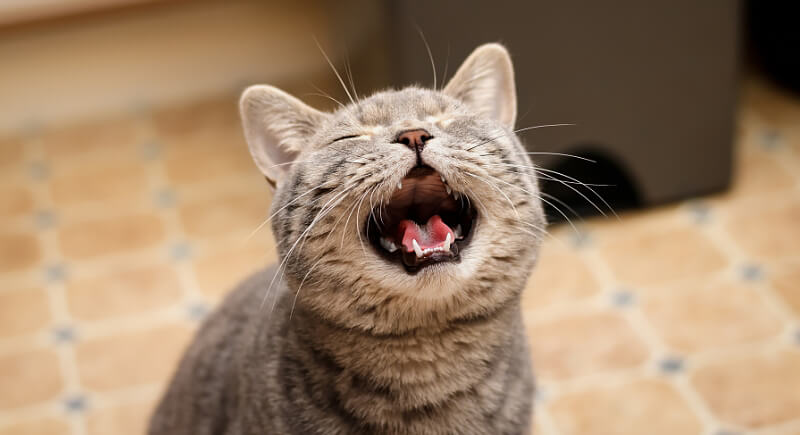
They Meow Like They’re Hosting A Talk Show
Credit: Getty Images
If your cat suddenly starts narrating every moment of the day or yowling at walls, it’s not always about food. Indoor cats with limited interaction often become loud to demand entertainment. This habit is especially common at night, when everything else has quieted down and their need for stimulation spikes.
They Sleep Like It’s Their Full-Time Job
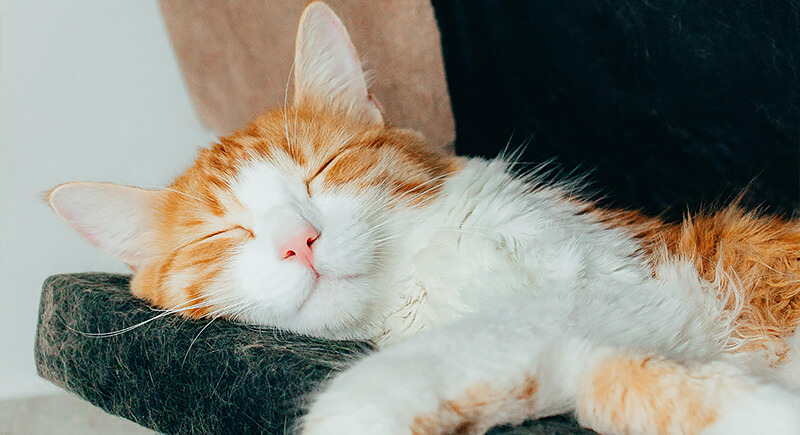
Credit: pexels
Sure, cats are known for sleeping half the day, but boredom sleep is different. It’s the kind that happens when your cat wakes up, looks around, and says, “No thanks.” Instead of brief naps between bursts of energy, they default to sleep because there’s nothing better to do. I
Grooming Turns Into A Nervous Habit
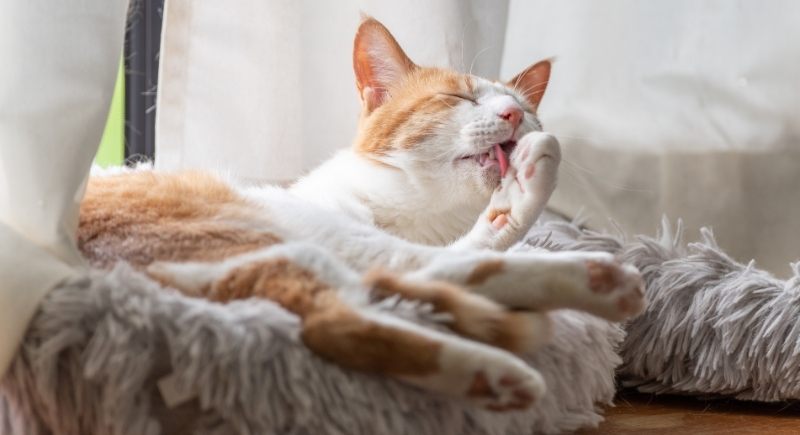
Credit: Getty Images
Grooming can shift from healthy to excessive. When a cat starts licking bald patches or chewing areas that were once fully furred, boredom may be driving the behavior. Overgrooming often fills the gap when mental stimulation is lacking. It works as a short-term comfort, similar to nail-biting in humans, but usually points to underlying stress or restlessness.
Window Watching Becomes A Fixed Routine
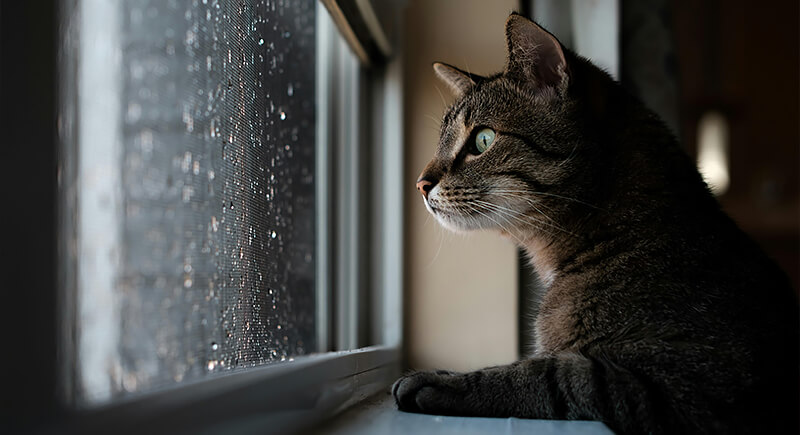
Credit: pexels
A little window gazing is normal. A cat glued to the glass for hours, tail twitching and pupils huge, might be craving a world beyond your living room. Windows offer moving scenery, but if that’s the only form of entertainment available, it’s a sign your cat doesn’t have enough going on inside.
They Pace Like They’re On Patrol
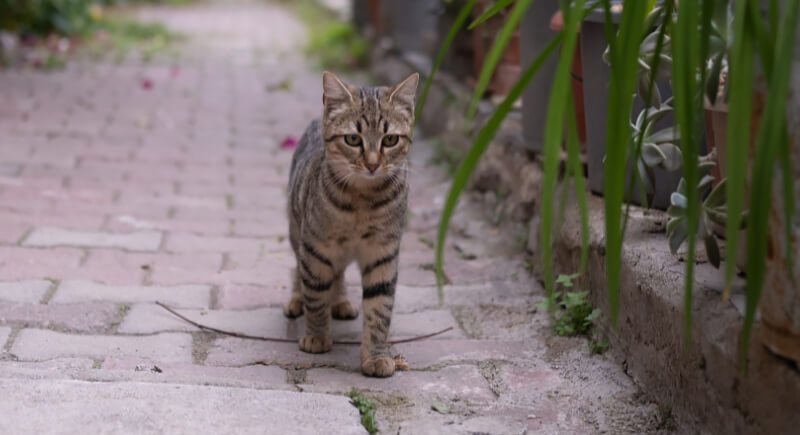
Credit: pixabay
Cats don’t usually pace like they’re solving a mystery. So if yours keeps circling the hallway or lingering near doors without a clear reason, it could be pent-up energy. Repetitive movement can be a self-made challenge for bored cats, kind of like humans fidgeting or scrolling endlessly.
They Lose Interest In Their Toys Overnight
Credit: pexels
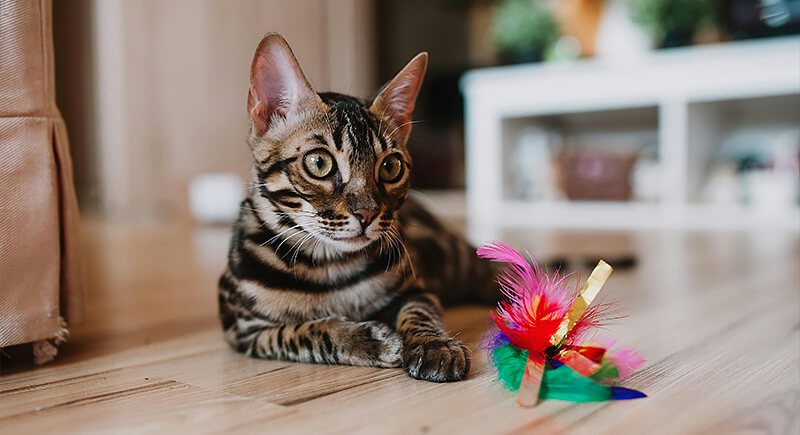
Cats can drop a favorite toy without warning. A squeaky mouse that once got daily attention suddenly feels invisible. When toys stay in the same place for too long, boredom sets in quickly. Without rotation or interactive play, even the most exciting items fade into the background, and curiosity shifts toward less welcome forms of entertainment.
They Start Using Your House As Their Bathroom
Credit: Canva
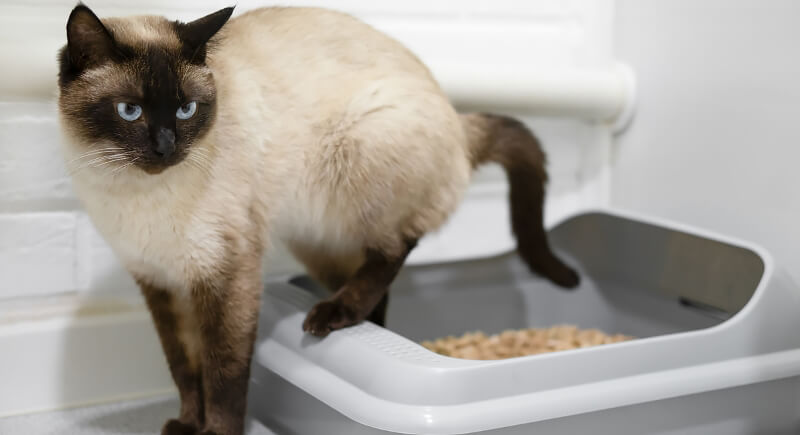
Cats that are normally reliable with the litter box may start going elsewhere when boredom and stress build up. Veterinary sources list inappropriate elimination as a common sign of under-stimulation, especially in indoor cats with limited enrichment. Peeing on furniture or beds is a signal that your cat is unsettled.