9 Dog Breeds Prone to Anxiety And Depression
Some dogs handle stress better than others. But for certain breeds, it is wired into how they react to the world. These dogs might bark more, shake, act out, or shut down when routines change or when they’re left alone too long. Most people often mistake it for bad behavior. But in reality, it’s just emotional overload.
Knowing which breeds are more likely to struggle with stress can help owners better support them. If you live with one of these breeds, small changes can make a big difference.
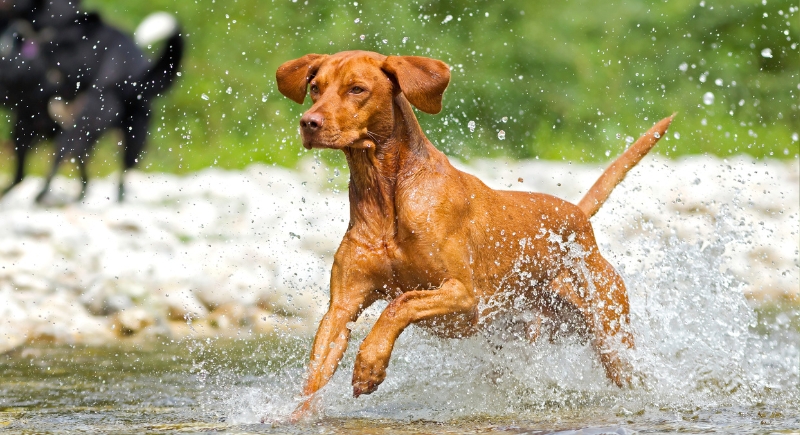
Vizsla
Credit: Getty Images
Few dogs are as people-focused as the Vizsla. Often shadowing their owners throughout the day, they’re prone to intense separation anxiety when left alone. Signs include whining, pacing, or destructive behavior. Their emotional well-being depends heavily on consistent companionship, exercise, and mentally engaging routines.
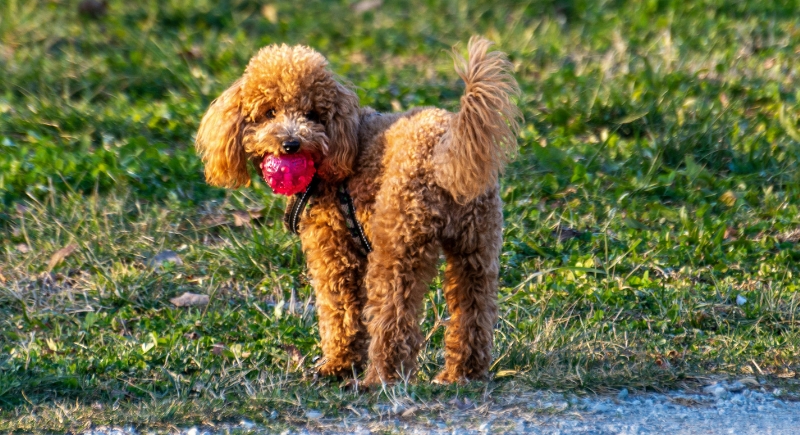
Toy Poodle
Credit: pexels
Beneath the groomed exterior, Toy Poodles are deeply sensitive. Small shifts in their environment can rattle them fast. Their anxiety often goes to their gut and shows up as upset stomachs. Mental challenges like learning tricks or puzzle toys go a long way in settling their nerves.
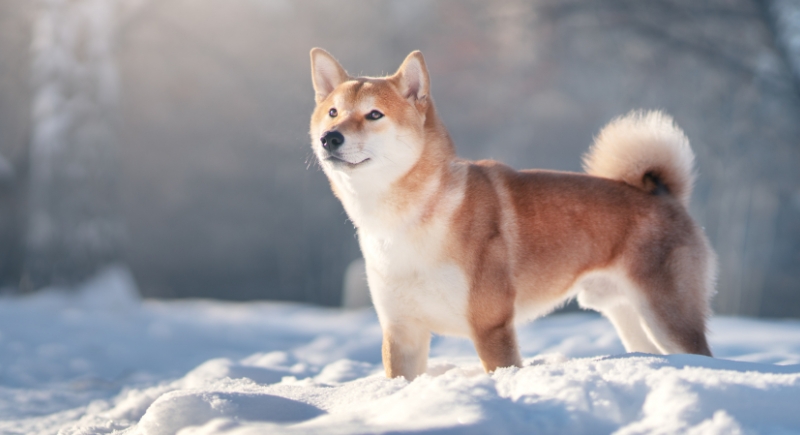
Shiba Inu
Credit: Getty Images
Loud sounds, forced interaction, or anything unexpected can trigger stress, and their signature “Shiba scream” is not subtle. Instead of affection, what they crave most is control over their space and plenty of low-stress downtime.
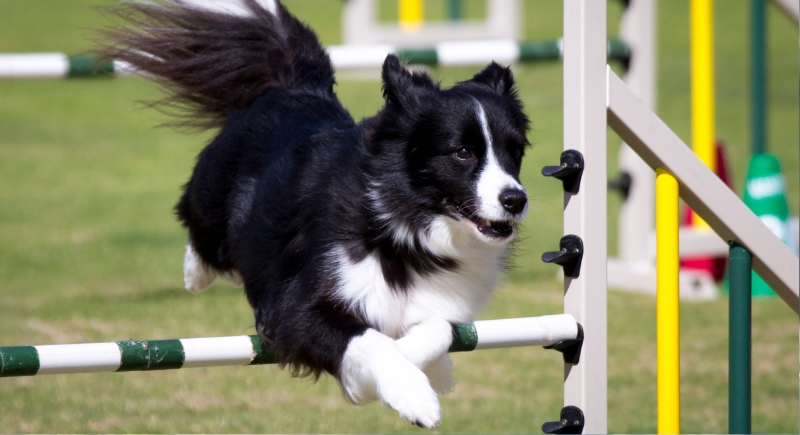
Border Collie
Credit: Getty Images
Too smart for their own good, Border Collies obsess over routine. If they’re bored or under-stimulated, that mental energy often turns into compulsive habits like spinning or shadow chasing. They rely on it to maintain emotional balance. Agility or herding games help them stay regulated.
Greyhound
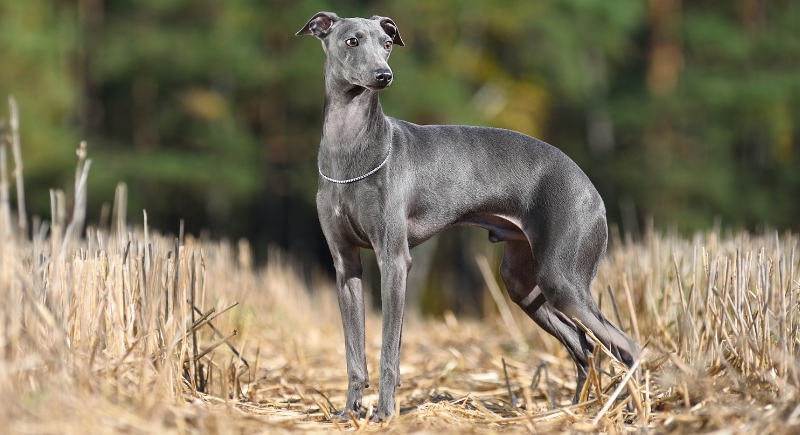
Credit: Getty Images
These mellow dogs shut down rather than act out when stressed. In unfamiliar settings, they often freeze or try to retreat. It’s easy to miss their discomfort if you’re only looking for barking or visible fear. Gentle socialization and exposure in small doses help build their tolerance over time.
German Shepherd
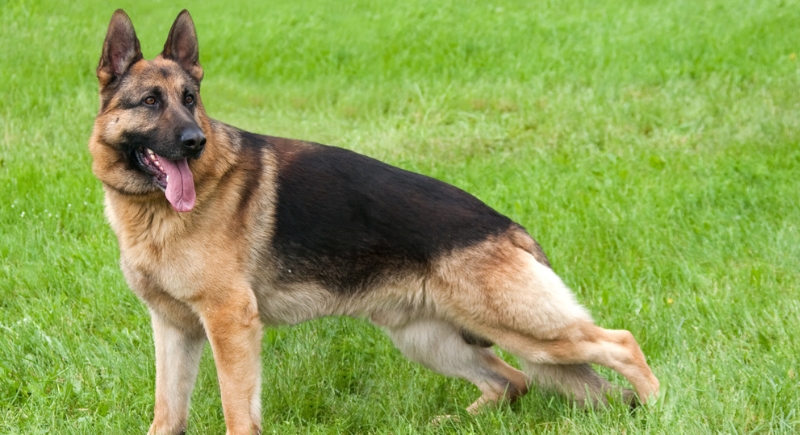
Credit: Getty Images
Routine matters for German Shepherds. These working dogs rely on clear structure and purpose, and without it, they may grow anxious or restless. Common signs include door-scratching, circling, or constant scanning of their environment. Daily tasks and training-based activities help meet their mental needs.
Chihuahua
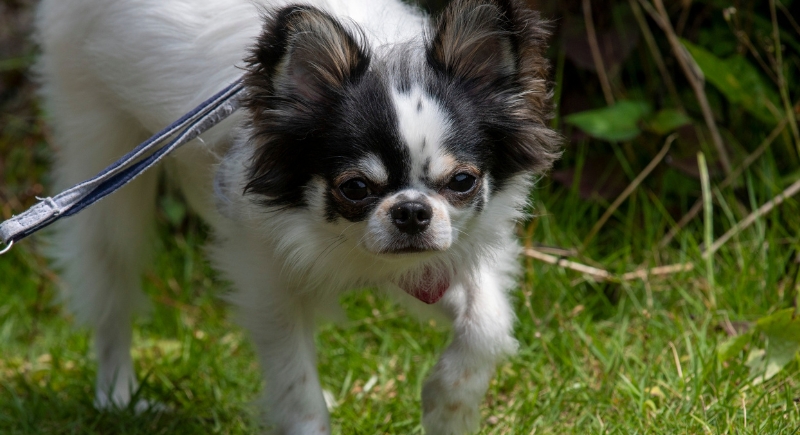
Credit: Canva
Chihuahuas often react to new people or disruptions with trembling or barking. These dogs are confident around their person but wary of others. They form strong attachments and don’t like being left out of routines. A steady environment and slow exposure to new faces work better than forced friendliness or busy spaces.
American Staffordshire Terrier
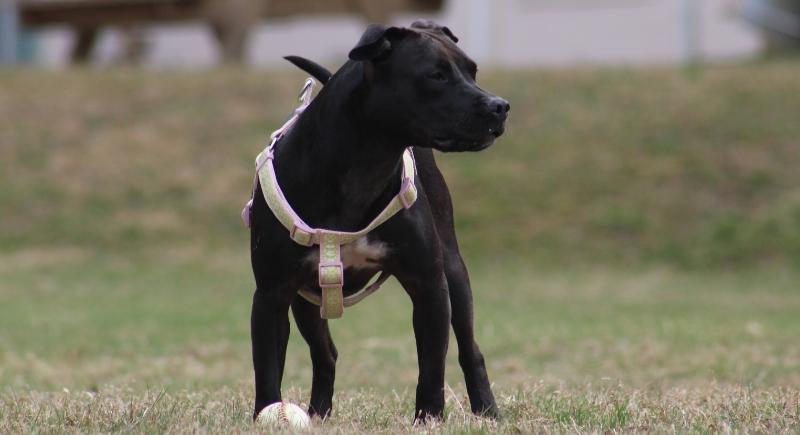
Credit: Getty Images
They love hard and don’t like being alone. AmStaffs often show stress through destruction or overexcitement when reunited with their person. Their sensitivity sometimes gets misread as stubbornness. What they need most is structure, connection, and play that’s more mentally satisfying than just running around the yard.
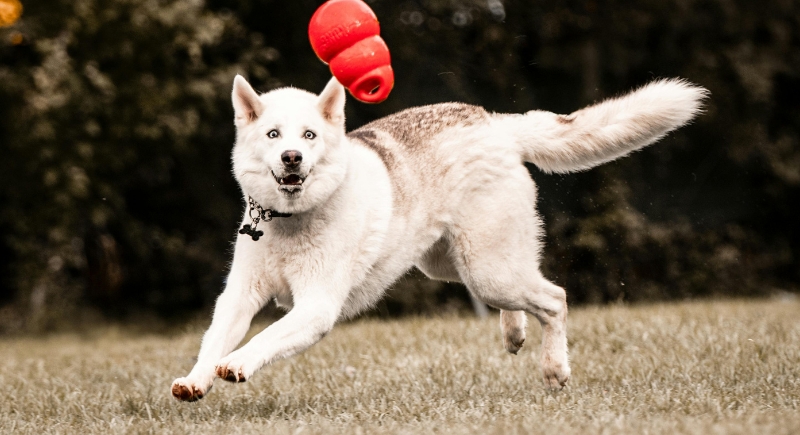
Siberian Husky
Credit: pexels
Containment and quiet? Not ideal for Huskies. If their energy’s capped, they’ll let you know often through digging, chewing, or vocal protests. They’re bred to run and problem-solve, and without outlets, anxiety builds fast. Long outdoor treks or pulling sports like canicross help satisfy their instincts.