10 Exotic Animals That Are Banned as Pets in California (and Why)
Most people assume exotic pet bans only target animals that look dangerous at first glance. In California, the rules go much further than that. The state looks at how an animal might affect public safety, local wildlife, and even the spread of disease. That is why the restricted list includes more than just obvious predators. Some animals that seem harmless or manageable are also banned, which often catches people off guard.
Big Cats
Credit: Canva
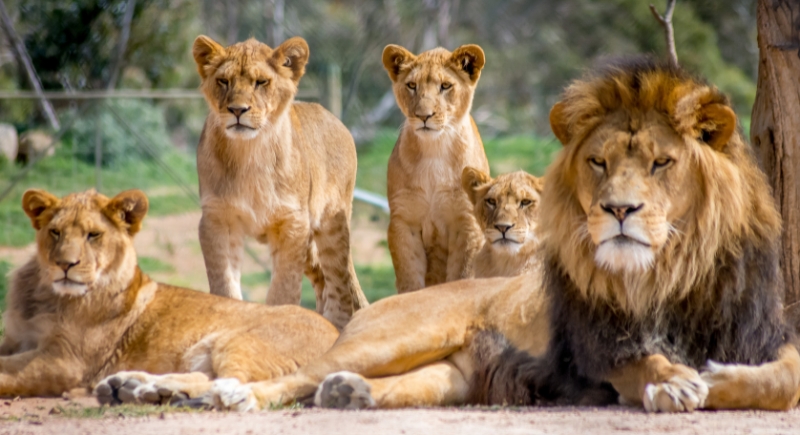
Large wild cats are strictly prohibited in the state, grouped as non-domestic members of the Felidae family. This includes lions, tigers, and other wild species, all of whom need extensive space, controlled surroundings, and trained handling. Their natural instincts remain intact, which makes them unpredictable in confined spaces.
Venomous Snakes
Credit: Getty Images
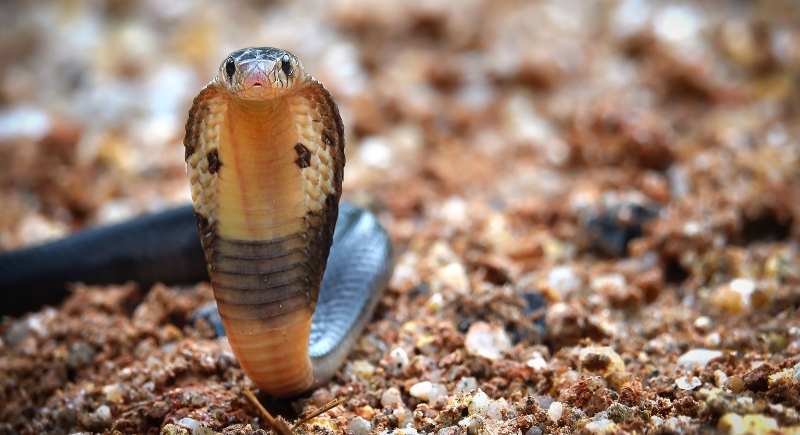
Handling venomous reptiles is not an easy task; that is why you cannot bring home any member of the Elapidae and Viperidae families without special authorization, though permits are rarely granted to private individuals. A single bite can result in severe medical emergencies, and regulations address these potential problems directly by restricting access.
Primates
Credit: pexels
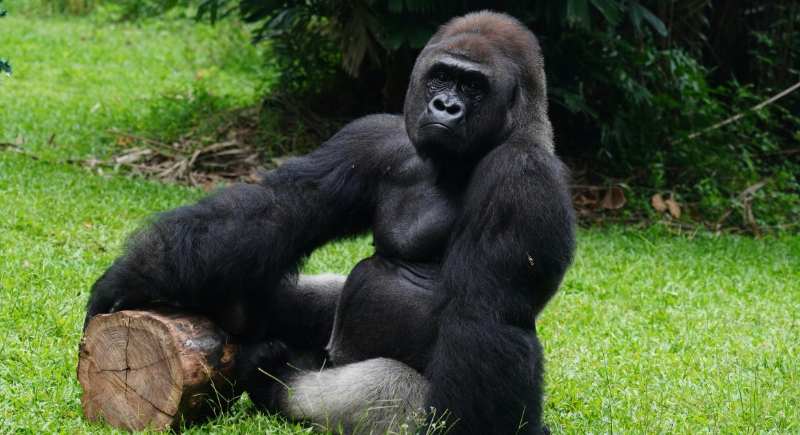
Apes and monkeys draw attention because of their intelligence and expressive behavior, yet they do not adapt well to life in a home. This is because their needs extend far beyond basic care, and isolation can lead to stress and aggression. They can also carry infections that pass to humans.
Bears
Credit: pexels
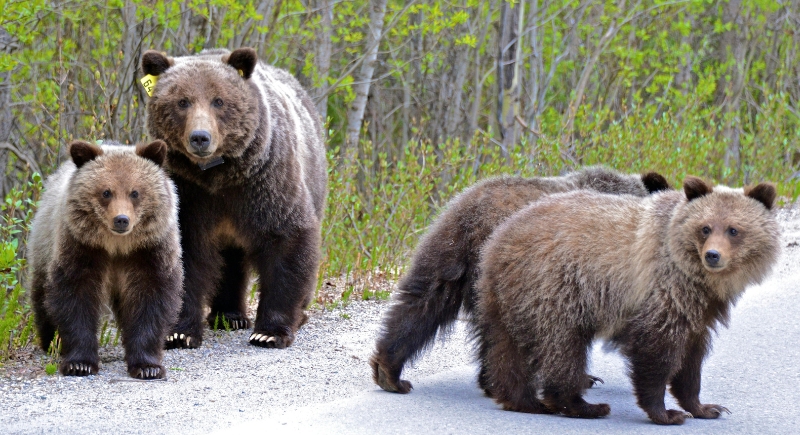
Bears are also not allowed because they grow quickly and require vast territories to live in their element. Their physical strength makes containment extremely difficult in any kind of setting. Early attempts to raise them may seem easy, yet patterns change significantly as they mature.
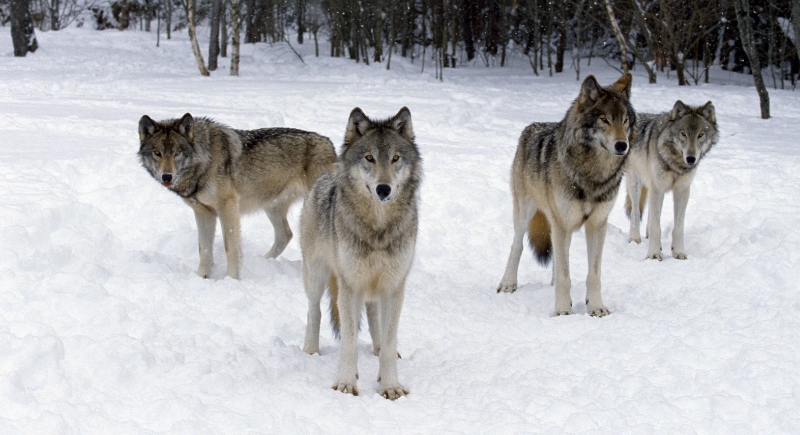
Wolves
Credit: Canva
Wolves have a reputation for being dangerous, and that perception is tied to their natural hunting instincts. Life in a pack defines how they behave, communicate, and survive, and those instincts remain strong, even in captivity or after initial human interaction. Their strength and drive to hunt make close contact a danger in everyday settings.
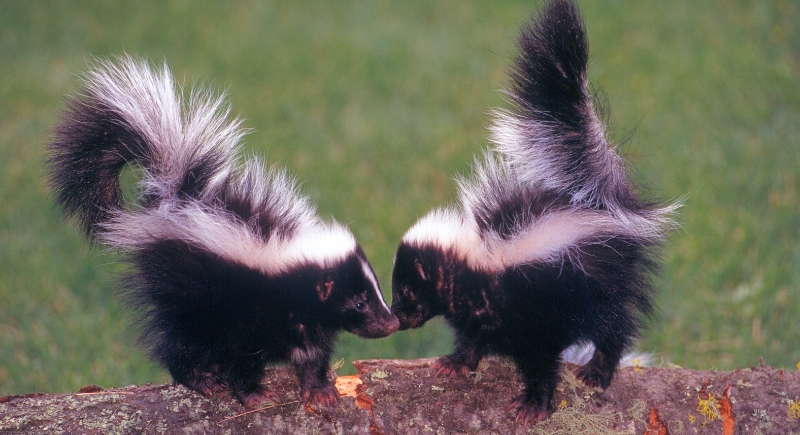
Skunks
Credit: Getty Images
Disease control plays a central role in California’s regulation of certain animals, including skunks. Rabies remains a major concern tied to this species. Their defensive behavior adds additional complications for handling and care. This approach prioritizes public health over personal interest in keeping unusual pets.
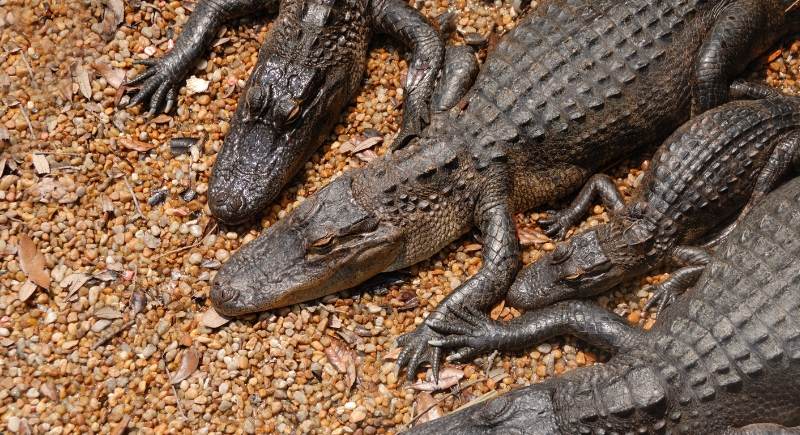
Crocodilians
Credit: Canva
It is due to their size and habits that crocodilians are not suited for being kept in a home environment. These animals can grow several feet long and possess extremely powerful jaws designed to clamp and hold prey. They spend much of their time in water and require large aquatic spaces to move freely.
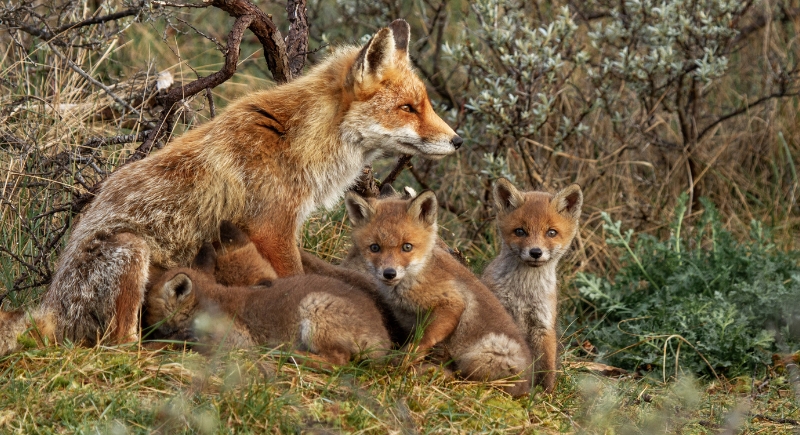
Foxes
Credit: Getty Images
The smaller size of a fox may mislead you into believing that these creatures would be easy to care for. However, they are not built to be domesticated, mainly due to threats from pathogens and ecological concerns. If they escape, they adapt quite fast and can disrupt local wildlife by competing for food.
Raccoons
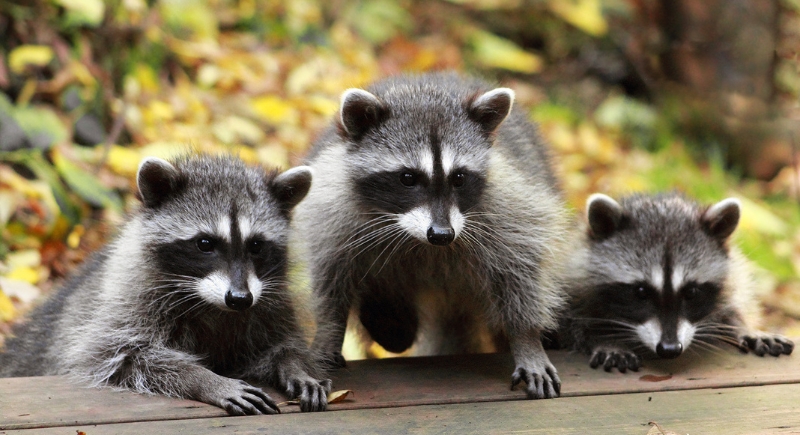
Credit: Getty Images
Raccoons can carry several illnesses that pose health concerns to various living things. Rabies remains one of the most serious concerns linked to them. They are also known to spread roundworm infections, which can affect the nervous system if transmitted. Their tendency to search through trash and roam urban areas further increases exposure to harmful bacteria.
Hedgehogs

Credit: Canva
Though they are small, Californian law treats hedgehogs as a threat to local ecosystems. This stems from the possibility that people may overlook their containment needs, leading to accidental escapes. If released, they could settle into natural habitats and remain difficult to detect. Their presence can also alter how native species use shelter and space.