10 Cat Breeds That Get Along Well with Dogs
Cats have a reputation for being independent, but some breeds genuinely enjoy sharing their space with a dog. If you already have a pup at home and want to bring in a cat, a few breeds are known for settling into mixed-pet households with ease. They handle new routines well, read canine body language better than most, and often end up forming real companionship instead of simply tolerating each other.
Maine Coon
Credit: Getty Images
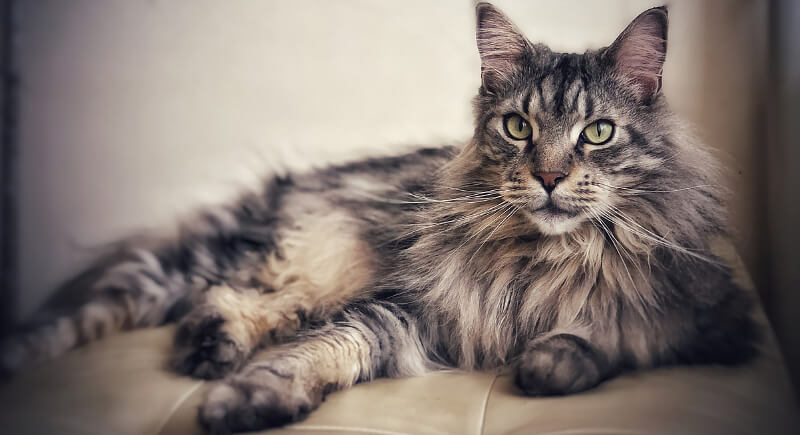
People like to call Maine Coons “dog-like.” They’ve been spotted going paddleboarding with owners and calmly sitting through family movie nights. Their dense coats and heavyweight status (some over 25 pounds) also give them the physical presence to stand next to big dogs without flinching.
Birman
Credit: pexels
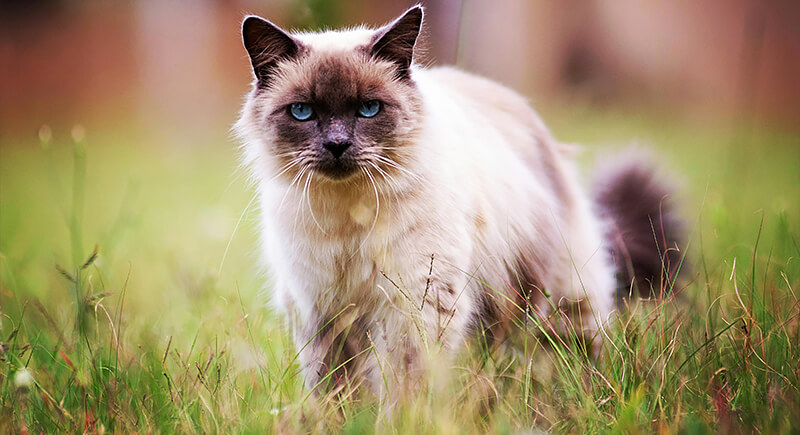
Legend says Birmans were sacred temple cats in Burma, which could explain their regal patience. These cats are quietly confident, often choosing to observe before joining the party. Yet once they trust a dog, they’re surprisingly interactive. Some Birmans have been known to tap dogs on the head to initiate a game.
Japanese Bobtail
Credit: Reddit
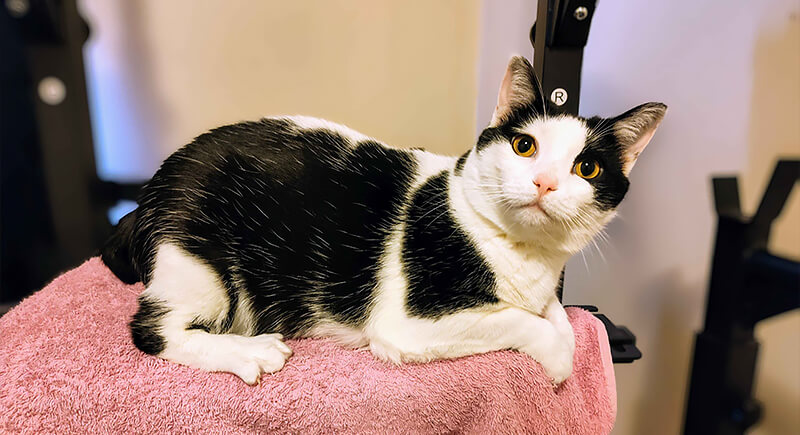
In Japan, this breed has long symbolized good fortune. Their stubby tail isn’t a defect, but genetic, and each tail is as unique as a fingerprint. They’re known to scale cat trees like circus performers and may end up outpacing the dog in the house.
Siberian
Credit: Wikimedia Commons
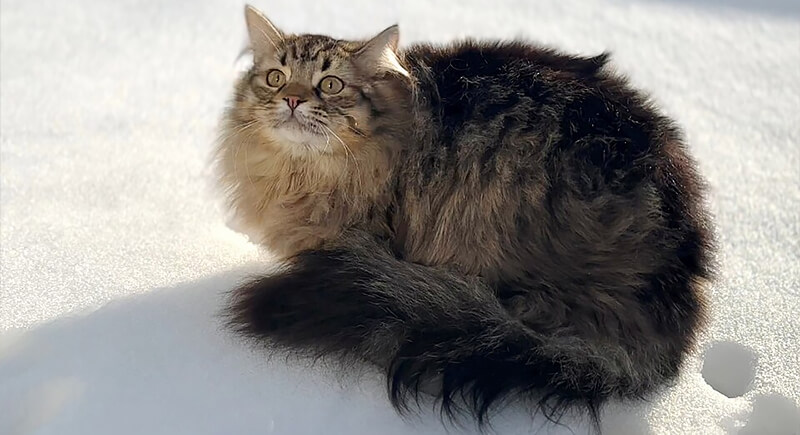
A triple-layered coat and built-in snow boots (furry feet) make Siberians look intense, but they’re surprisingly social. In Russia, they were once common fixtures in city apartments, which might explain their laid-back approach to chaos. They don’t mind a rowdy dog or even a toddler on a sugar rush.
Tonkinese
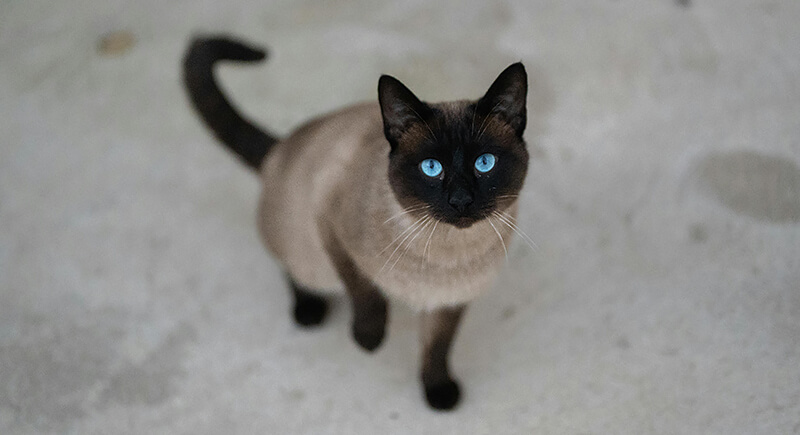
Credit: pexels
Tonkinese cats don’t really do alone time. They’ll follow people into closets, interrupt Zoom calls, and meow until someone answers. If a dog’s nearby, they’ll often treat them like a backup best friend. They’re known for learning tricks, including high-fives and “sit,” and have been spotted riding on dogs’ backs.
British Shorthair
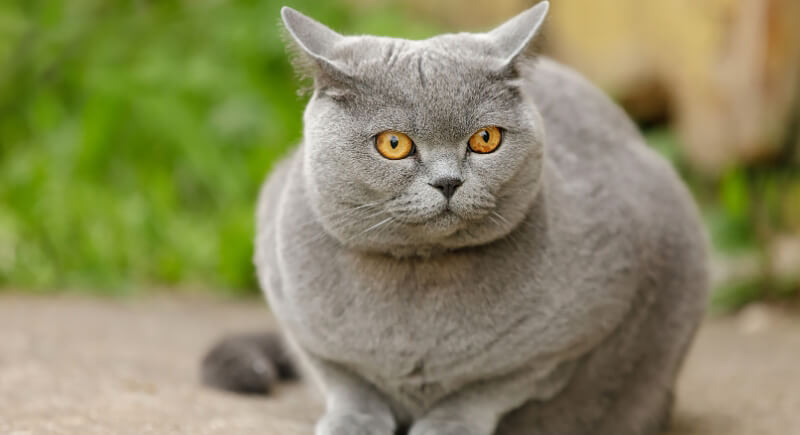
Credit: Getty Images
The British Shorthair has the calm patience of a cat who has seen everything and refuses to be rushed. Their plush, teddy bear build makes them great for households with respectful dogs, especially those that don’t need constant engagement. Their eyes even change color as they age—from blue to coppery gold!
American Shorthair

Credit: Getty Images
Once known as the ship cats who sailed with early settlers, American Shorthairs earned their place by keeping rats in check and not complaining. Today, they’re known for their adaptability. They’re content to snooze in a sun patch while a dog wrestles with a chew toy nearby.
Norwegian Forest Cat
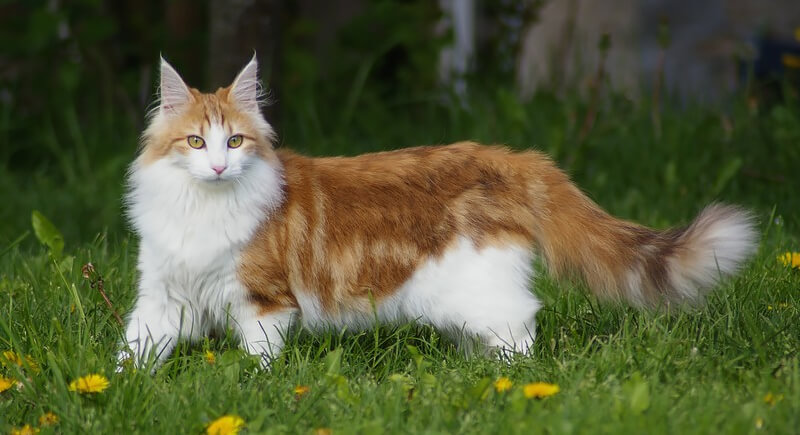
Credit: Wikipedia
A common tale places this breed’s origins on Viking ships, and the image makes sense when you notice how naturally they perch on the highest spot in the room, even the top of a fridge. Norwegian Forest Cats have long hind legs and a water-resistant coat that lets them look put-together even after a messy chase with the dog.
Devon Rex
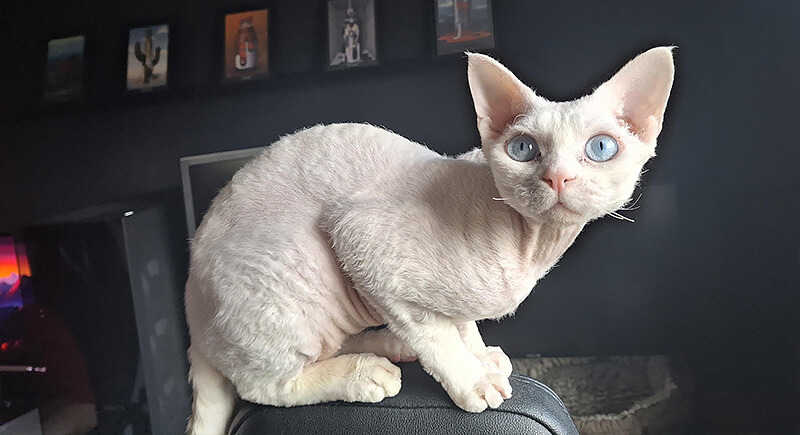
Credit: Reddit
The Devon Rex has a light, bouncy way of moving that makes them easy to spot. Their big ears and soft, textured coats give them a look people often describe as unusual or toy-like. They like staying close to their people, sometimes sitting on shoulders, and they usually approach dogs with steady curiosity. Many even join in when dogs start playing.
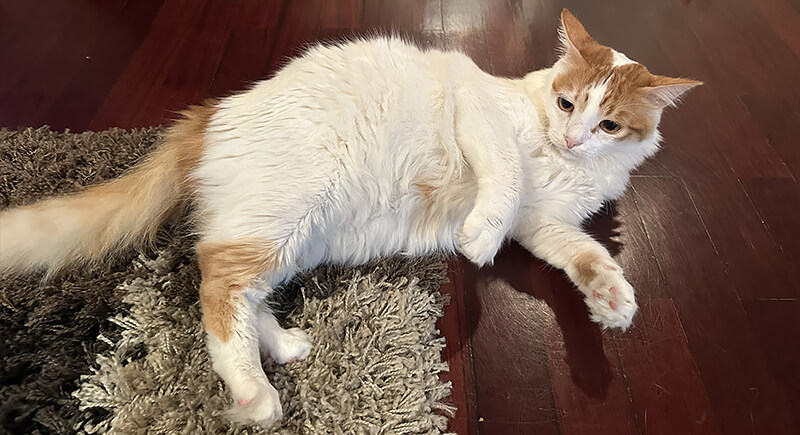
Turkish Van
Credit: Reddit
Turkish Vans are known for enjoying water, which makes them stand out among cat breeds. Many like wading in pools or splashing in their bowls when they get bored. They stay active most of the day and look for things to do, and they’ll even try to involve the family dog if they want company.