10 Cat Carrier Training Steps Backed by Veterinary Behavior Research
If your cat disappears the moment the carrier comes out, you’re not alone. Many cats learn to associate that box with stressful trips to the vet, which is why they run and hide. Veterinary behavior research suggests that gradual carrier training can change that reaction. With a little patience, the carrier can become a familiar part of your cat’s environment instead of something to fear.
Leave It Out
Credit: Canva
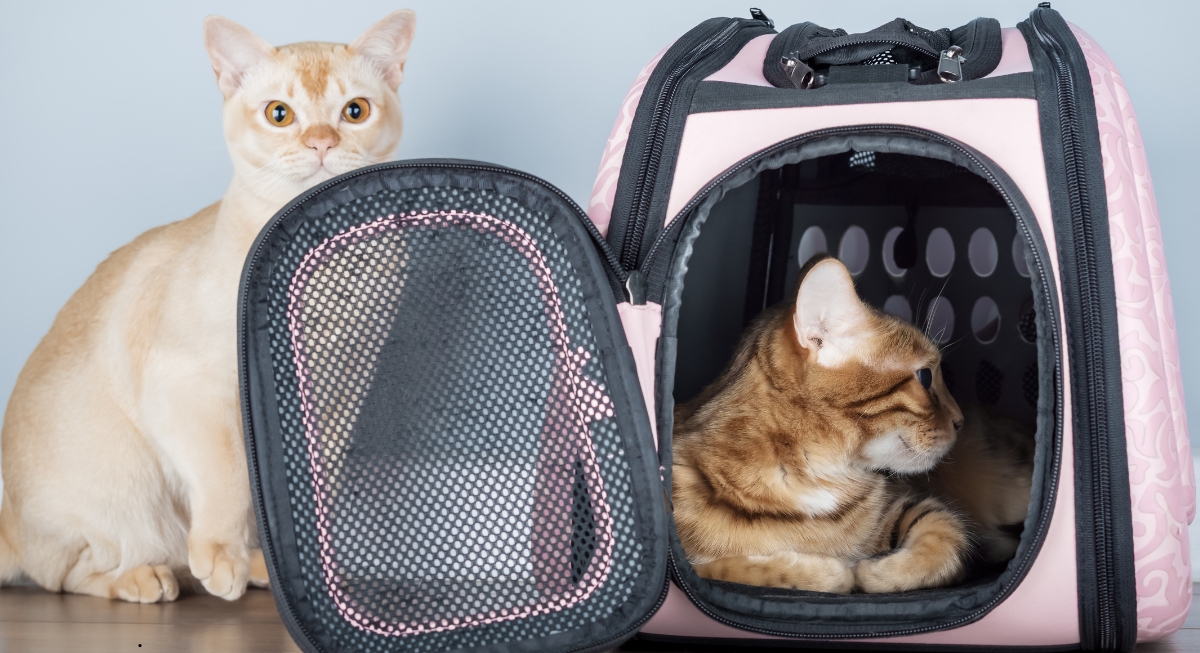
The cat carrier needs to become a familiar household object. Instead of hiding it until vet day, place it in a room your cat already uses. Keep the door open and add cozy bedding that smells like home. This setup allows the pet to sniff, nap, or ignore the box completely. Having constant access means the carrier simply blends into normal daily life.
Choose A Better Carrier

Credit: Africa Images
Cat training goes smoother when you choose the right carrier. A sturdy model with a wide door and a removable top helps both pets and veterinary staff. Many vets prefer top-opening carriers because a nervous cat can stay inside during parts of the exam. Adding a washable towel provides a steady grip, since slippery plastic floors make travel days much more stressful for a frightened animal.
Reward The First Look
Credit: Canva
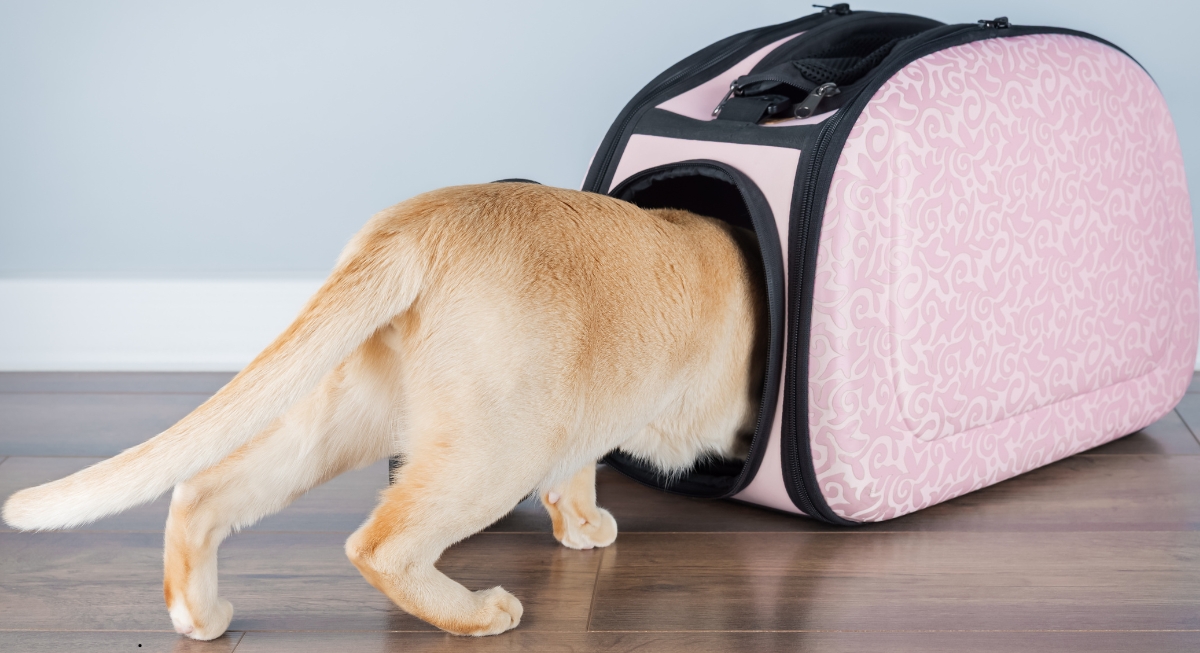
Reward even the smallest sign of curiosity, whether it’s a glance at the carrier or a step in its direction. Those small moments add up. A look becomes an approach, an approach becomes a sniff, and before long, the carrier starts to feel like a place where good things happen. Instead of dreading it, your cat may begin to see it as a familiar spot with treats and rewards waiting inside.
Use A Simple Signal
Credit: Canva
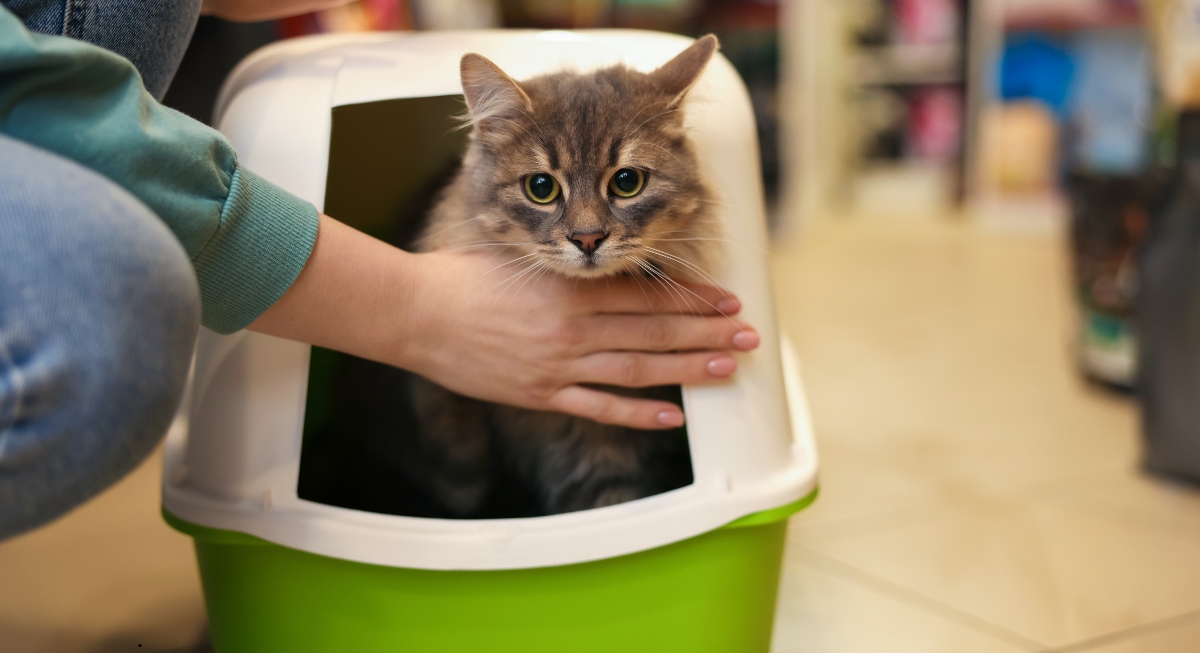
A clicker or a short word tells a cat exactly what earned a treat. Click the moment their paw touches the carrier floor, then give the reward. Waiting too long ruins the lesson. Cats seem mysterious, but training depends on perfect timing. So, a clear signal should help them connect the action to the prize.
Keep Snacks Near The Door
Credit: unsplash
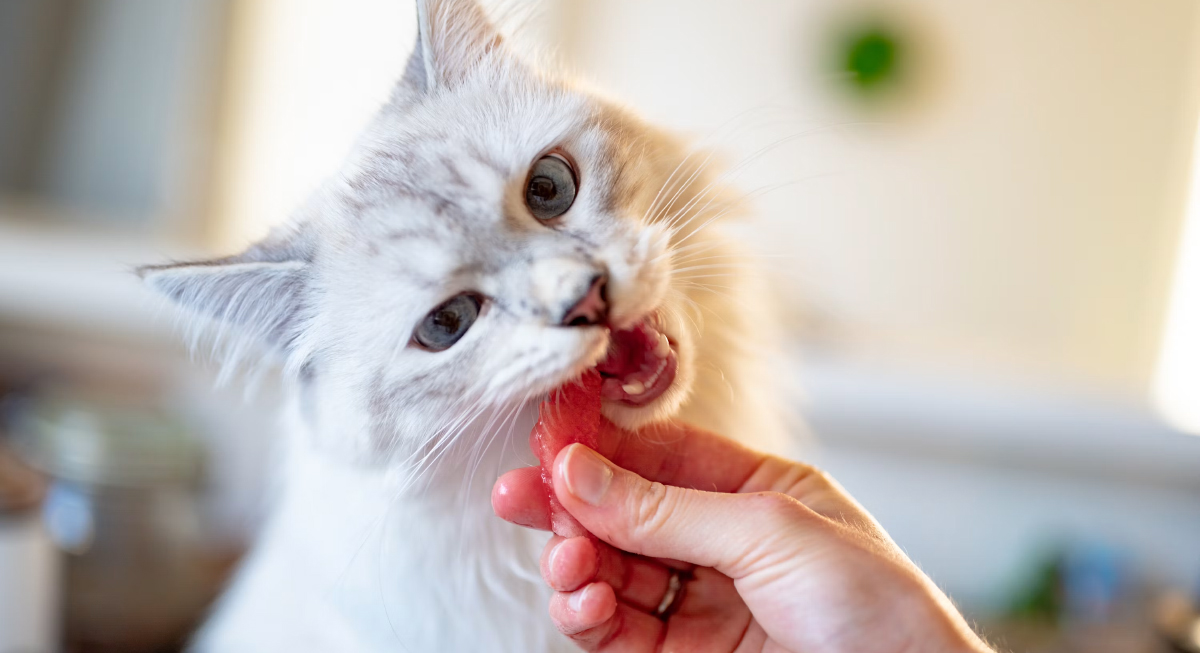
Treat placement can make a big difference during career training. Start by putting treats near the entrance so your cat can approach, grab the reward, and walk away comfortably. As your cat becomes more confident, gradually move the treats farther inside. This helps build positive associations with the carrier and teaches your cat that going inside leads to rewards, not an immediate trip or a closed door.
Practice The Door
Credit: pexels
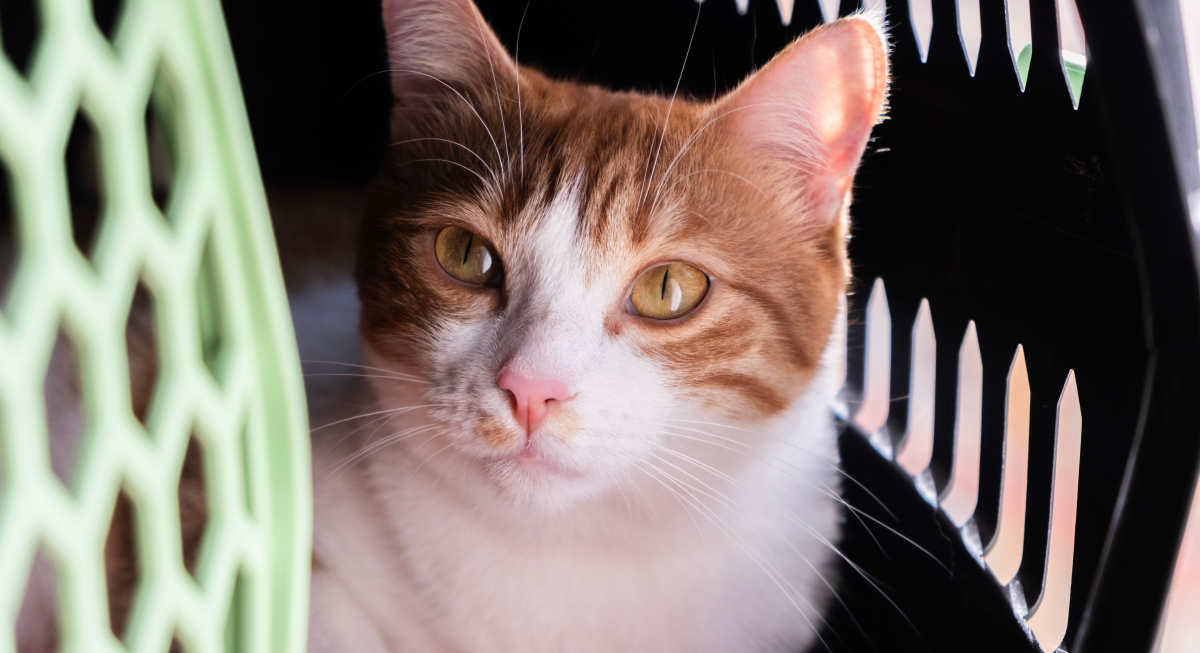
Spend some time working on the carrier door by itself. Many cats are comfortable entering the carrier but become nervous when the door closes. Start by touching the door or latch and offering a treat. Next, move the door slightly, then close it for a second before opening it again. Keep each session brief and positive so your cat stays relaxed throughout the process.
Name The Behavior
Credit: iStockphoto
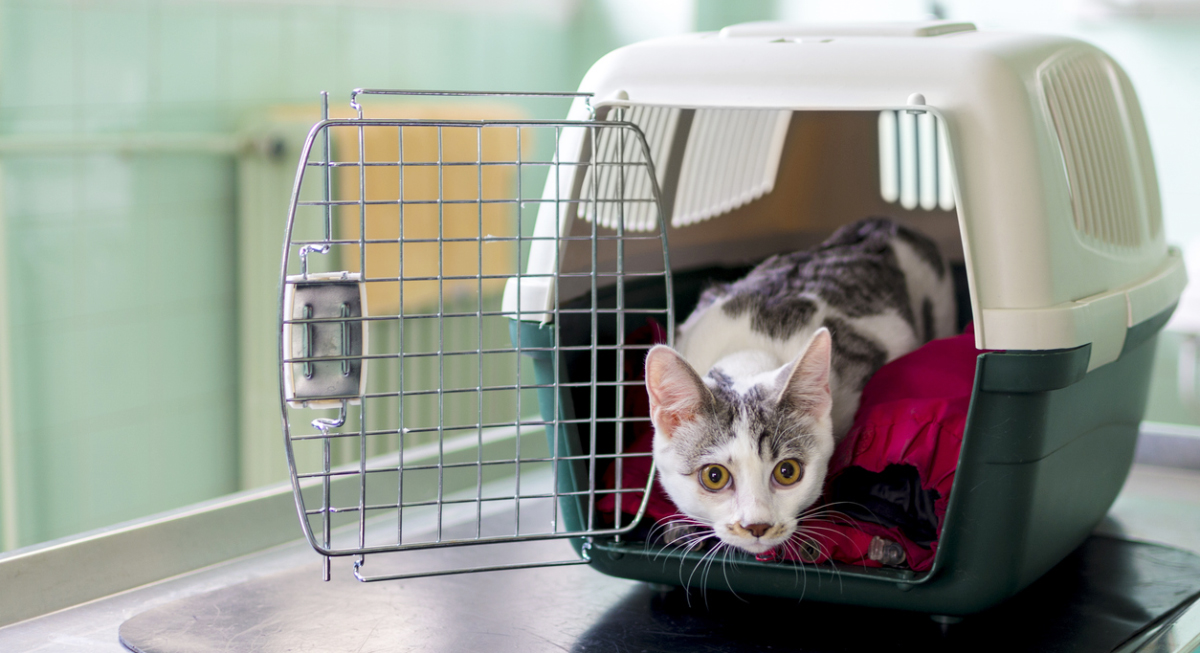
When your cat enters the carrier, name the action. Say a simple cue word as they walk inside, then offer a reward. Use this cue on quiet days, not just before vet visits. This practice keeps the word from sounding like a warning. A reliable command saves you from an unpleasant pre-appointment chase.
Lift It Gently
Credit: iStockphoto
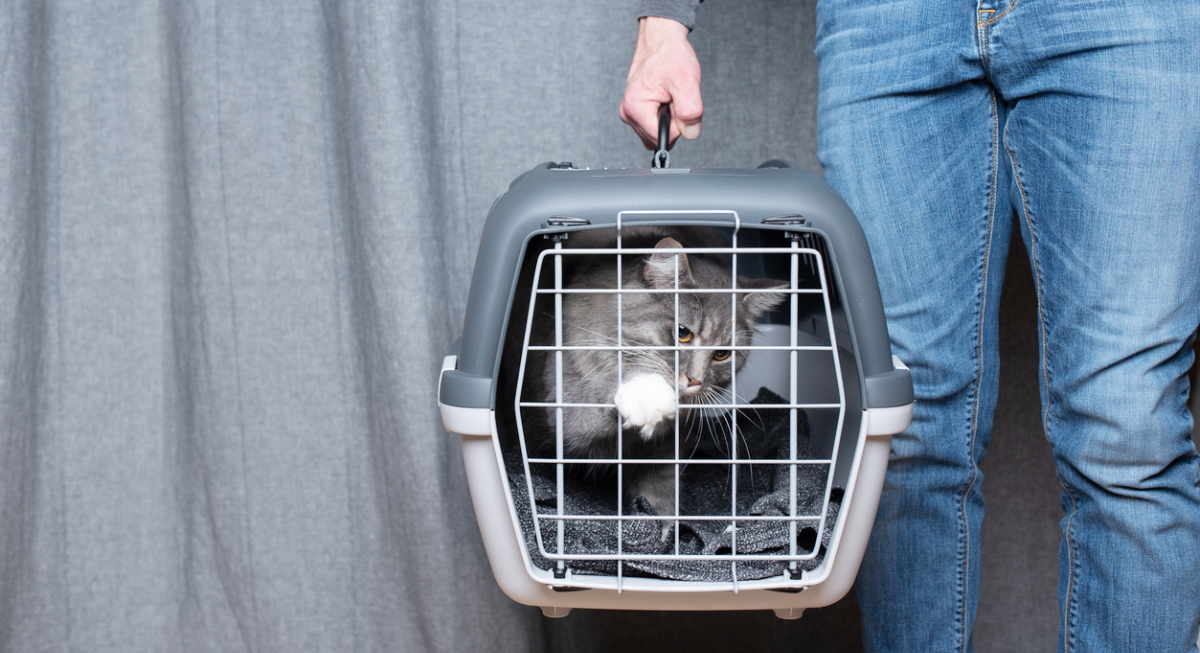
Practice moving the carrier to prepare the cat for travel. Once your pet stays calm inside, lift the carrier just an inch or two, set it down, and offer a treat. Later, carry it across the room. Making motion familiar early prevents panic before the actual car ride. This practice also lets you fix wobbly bedding or noisy handles that might scare the cat later.
Try The Parked Car
Credit: iStockphoto
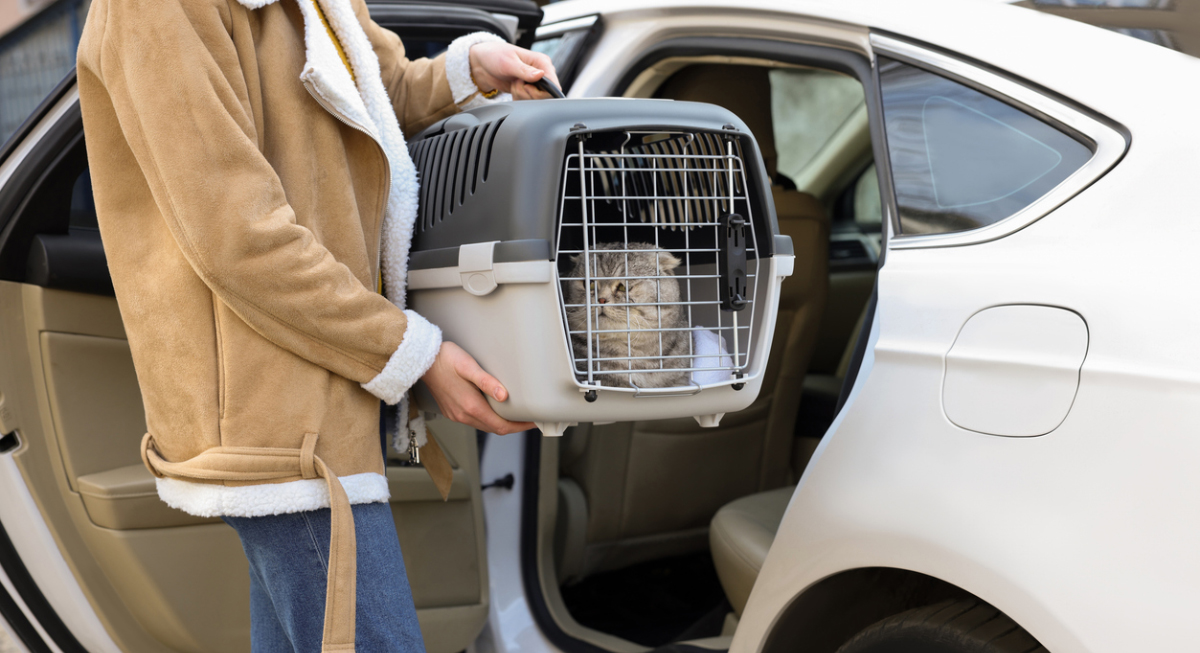
A parked car makes a great training room. Put the carrier inside, give your cat a treat, and go back indoors. Later, try closing the door, starting the engine, and taking a short drive. A study showed that trained cats had much lower stress during 10-minute car rides and quick vet exams. So, regular practice is absolutely worth the time.
Read The Food Clues
Credit: iStockphoto
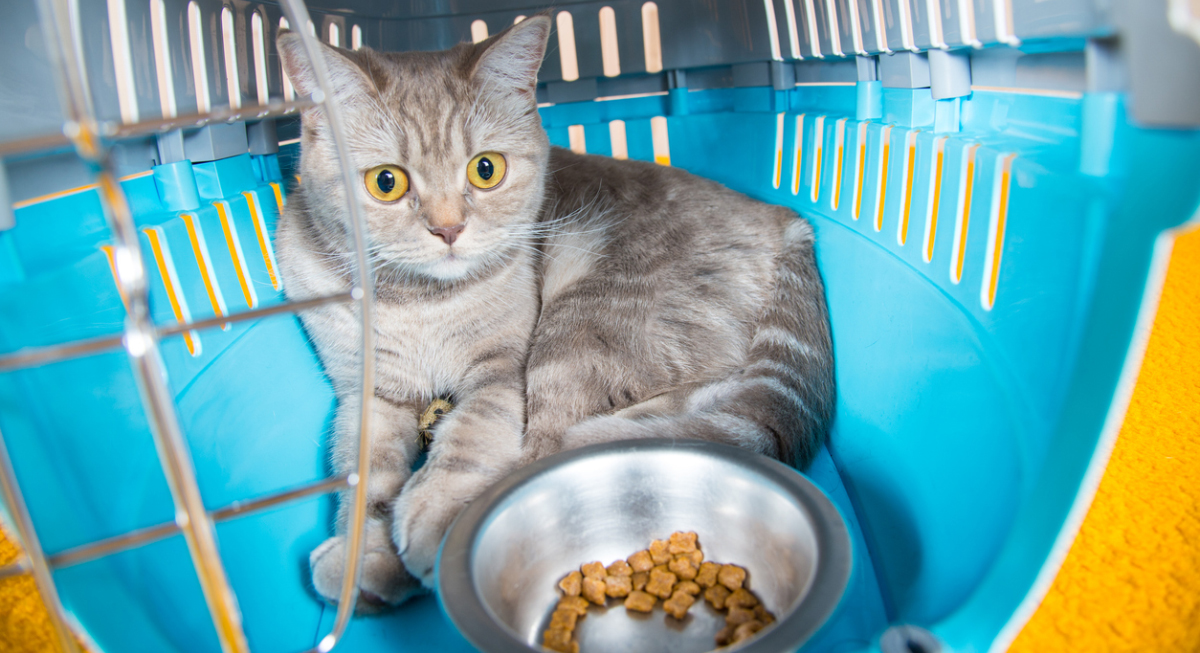
A cat that eats inside a carrier should be coping well, while one that refuses treats could be overwhelmed. If this happens, it may mean the training session got too hard. Go back to an easier step and try again. Gentle training builds long-term confidence, which is much better than forcing a quick success.