10 Litter Box Issues Cat Owners Misdiagnose Until Things Get Worse
A cat using the floor instead of the litter box can feel confusing, especially when it happens more than once. What looks like a “bad habit” is often a signal that something isn’t working for them. Cats don’t avoid their litter box without reason. Discomfort, stress, fear, pain, strong smells, or even a poor location can all push them away from it. When accidents repeat, it usually means something in their environment or health needs attention, not that they are being difficult.
Painful Urination Gets Mistaken For Attitude
Credit: Reddit
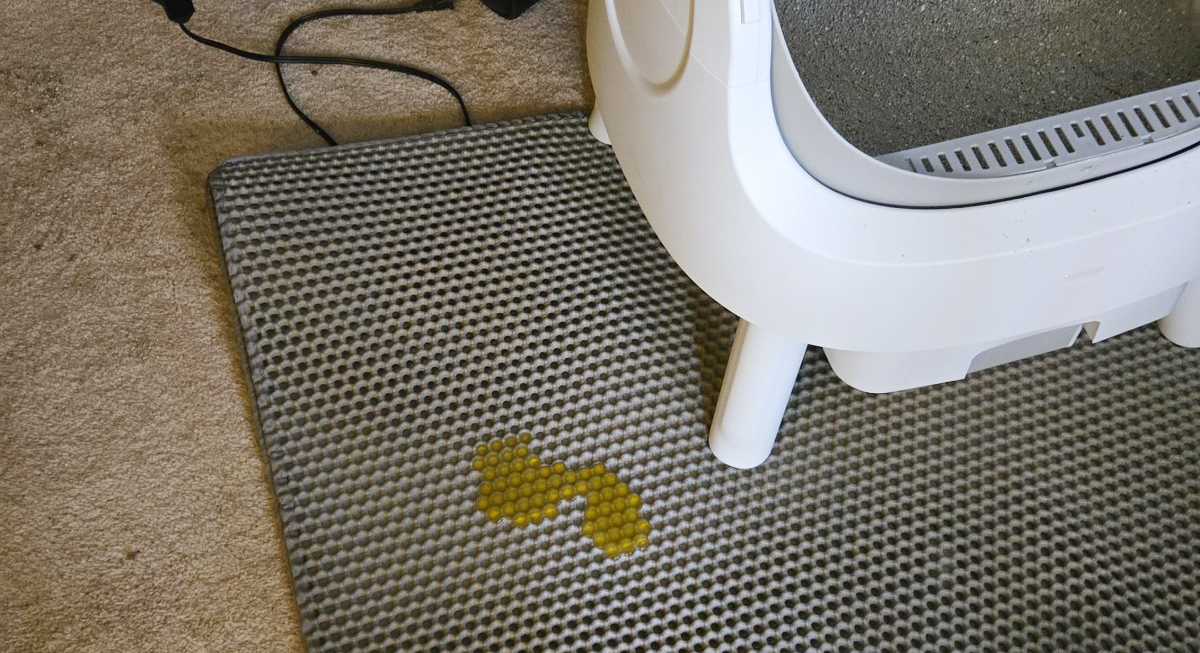
A sudden puddle next to the litter box means a cat needs help. Urinary tract infections, bladder inflammation, stones, or blockages can make peeing very painful. Warning signs include repeated squatting, tiny spots of pee, crying out, blood, constant licking, vomiting, or low energy. Straining without producing much pee is a medical emergency that requires an immediate visit to the vet, especially for male cats.
Dirty Boxes Get Blamed On Pickiness
Credit: Canva
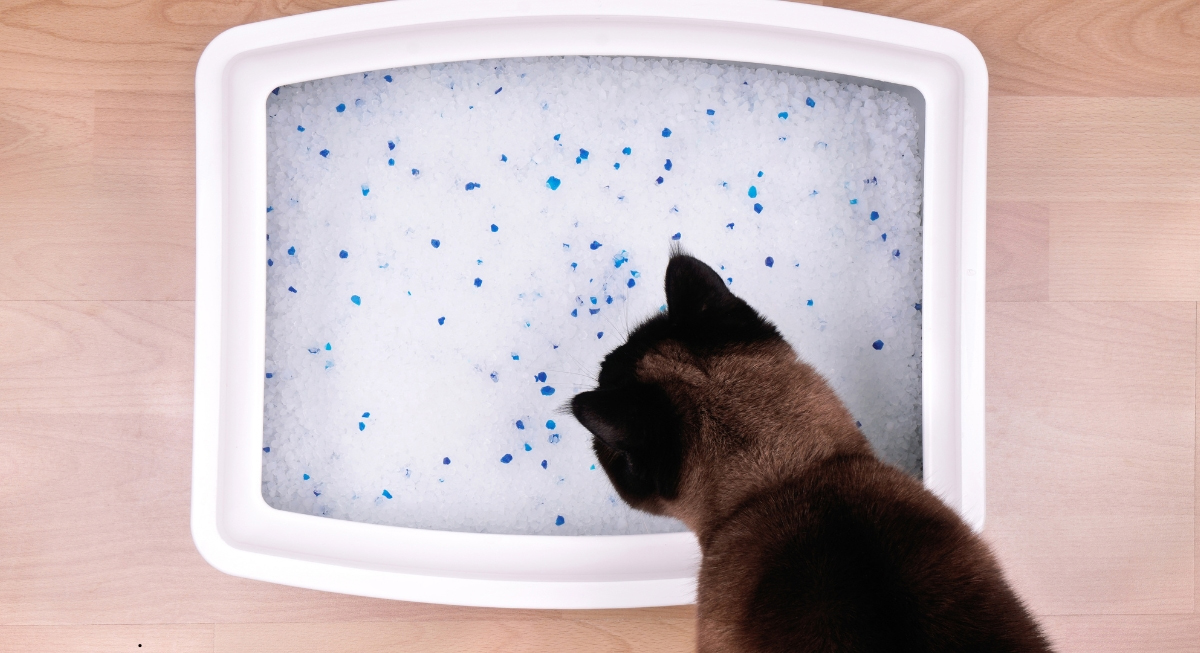
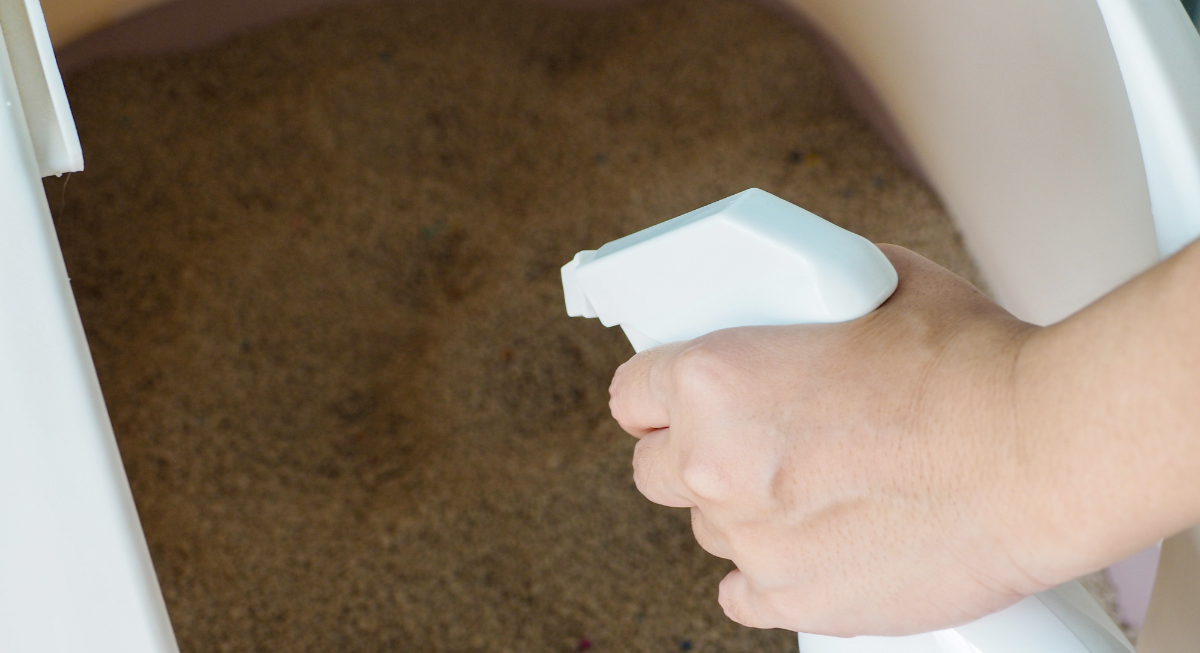
Felines have a strong sense of smell, so a messy box feels like an unpleasant bathroom that nobody wants to use. Try to scoop the litter at least once every day. If you have multiple cats, you might need to clean it more often. Washing the box weekly with mild soap removes old buildup. Avoid harsh chemicals because strong scents can easily scare a cat away.
The Litter Change Nobody Takes Seriously
Credit: unsplash
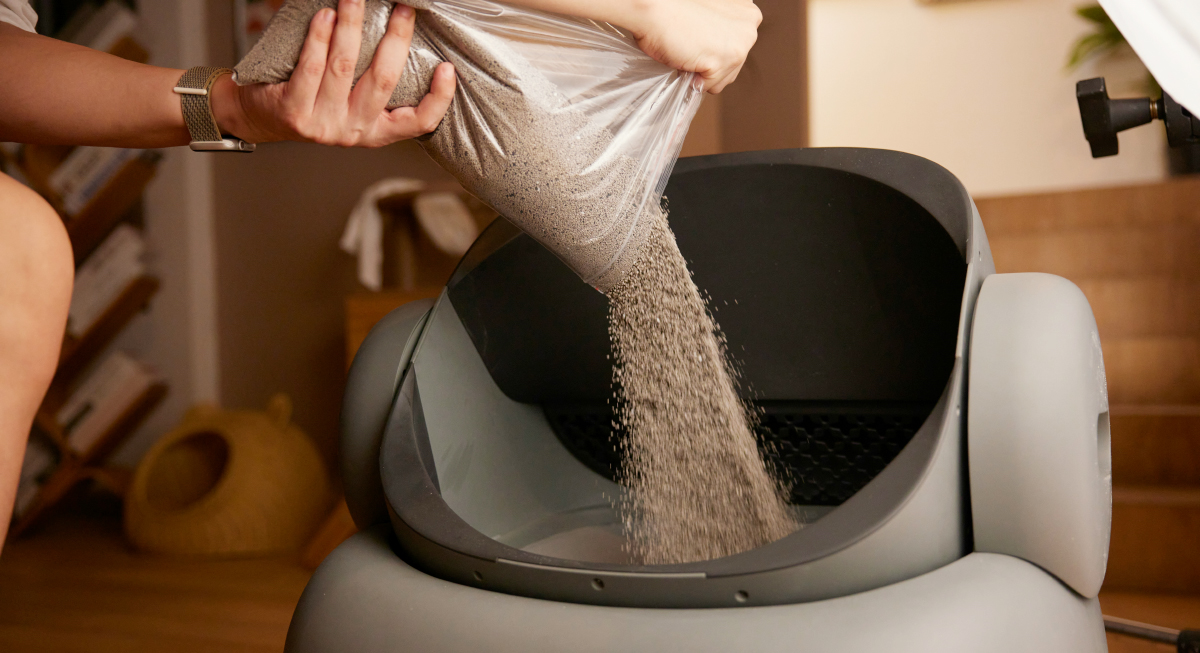
That new litter might look fine to you, but your cat’s paws might strongly disagree. Texture, dust levels, and scent may affect a feline’s behavior. Switching suddenly from soft clumping litter to hard pellets can feel very strange. Making gradual changes works much better. Mix a small amount of the new litter into the old brand over several days, then watch for any hesitation, paw-shaking, or quick exits.
One Box Becomes A Household Traffic Jam
Credit: iStockphoto
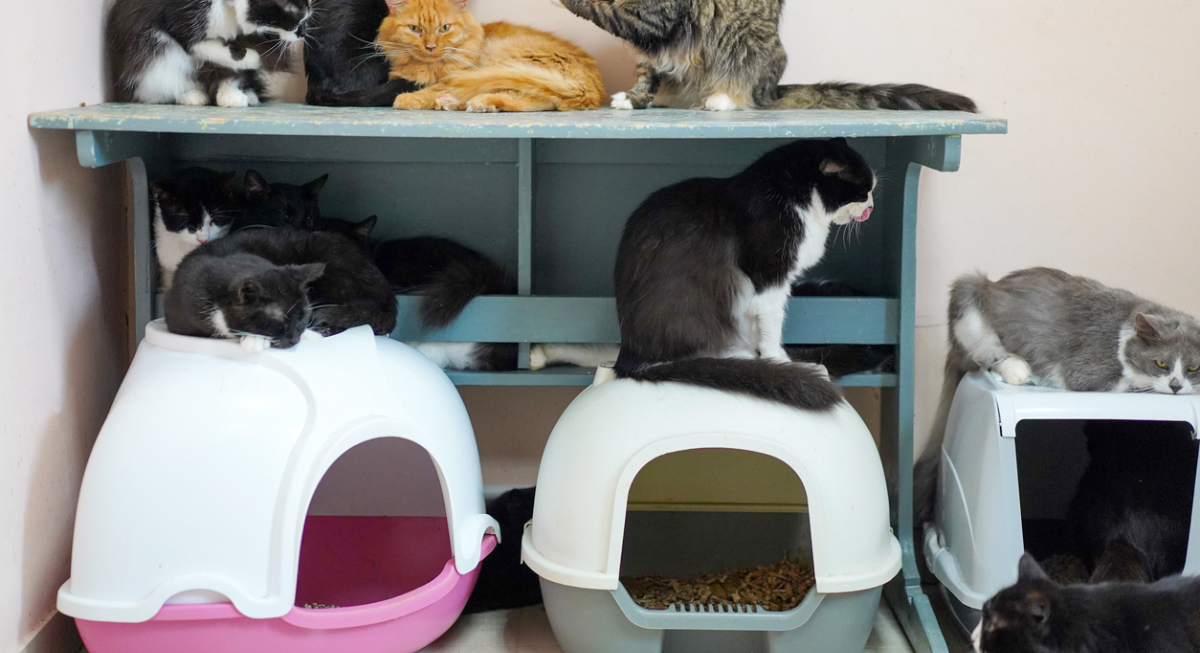
Having too few litter boxes in a multi-cat home can lead to behavioral problems. A confident pet might block the door, stare down a housemate, or wait outside the entrance. This forces a nervous cat to find a safer bathroom, usually in a very inconvenient spot. To prevent this, provide one box per cat, plus one extra. Location is also important. Three boxes lined up in one laundry room can still leave a nervous cat feeling trapped.
Arthritis Hides Behind Bad Aim
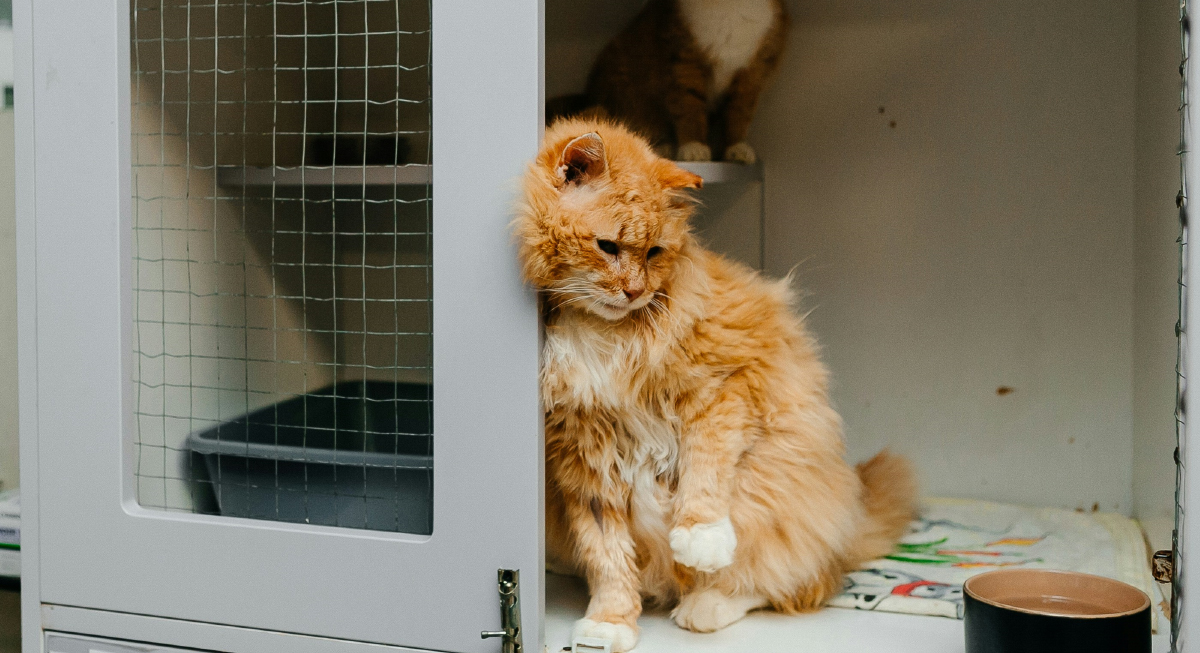
Credit: unsplash
Older cats may have poor aim because jumping, crouching, or turning in a cramped space can hurt their bodies. High walls and cramped spaces make the problem worse. While arthritis is a common cause of this behavior, urinary issues, constipation, weight struggles, or a small box may also cause it. A low-entry box, a non-slip mat, and moving the tray to an accessible spot may help while a veterinarian checks for underlying medical issues.
Routine Changes Trigger Accidents
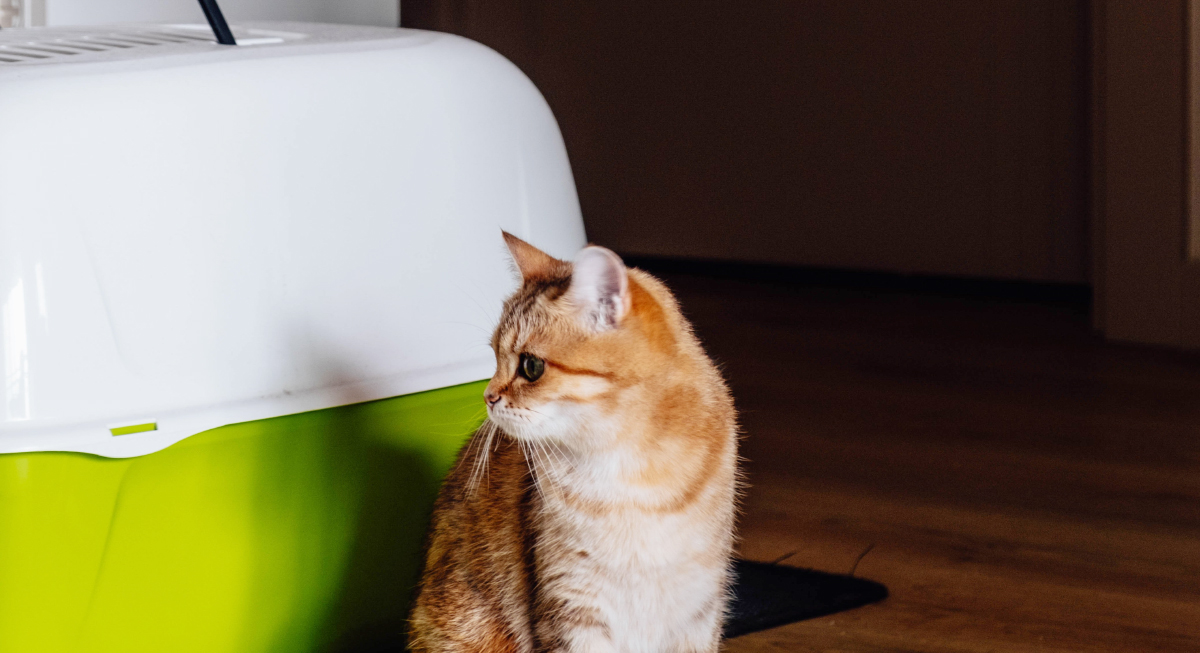
Credit: pexels
A cat’s bathroom habits can change when things change around the house. New babies, visiting dogs, loud construction noise, moved furniture, or new feeding times can easily stress a cat. Fixing the problem starts with a routine. Keep routines consistent, provide hiding spots, schedule short playtime sessions, and put litter boxes in quiet rooms. Scolding a cat only teaches fear instead of better habits.
The Box Location Feels Unsafe
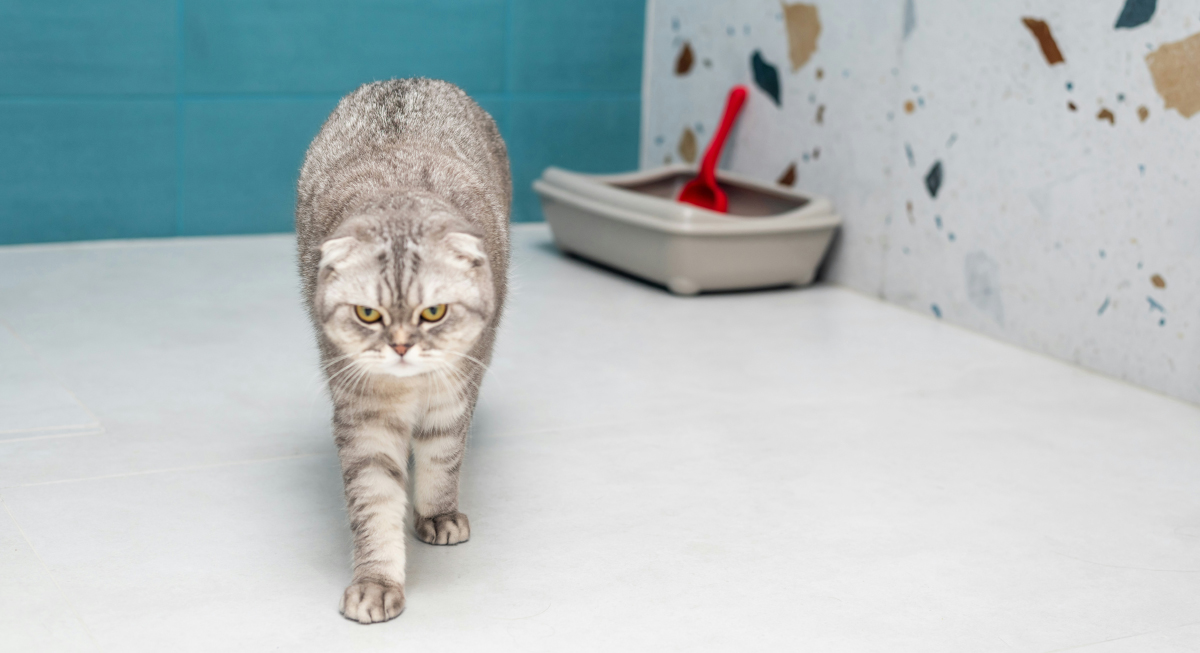
Credit: unsplash
The laundry room seems fine until the loud washing machine scares your cat while the box is in use. Busy hallways are also tough because cats need peace and quiet to do their business. Placing the box in a tight corner with only one exit can make a cat feel trapped if another pet walks by. The best spots are quiet, easy to reach, and open.
Spraying Gets Confused With Litter Box Failure
Credit: iStockphoto
Spraying leaves a bad smell, but it is different from normal peeing. You can usually tell by how the cat stands: they stay upright and spray backward onto a wall or door. Cats often do this because of stress, territory issues, or mating instincts. Fixed cats can still spray, but the behavior is much more common in pets that are not spayed or neutered.
Fear Creates A Bad Memory
Credit: pexels
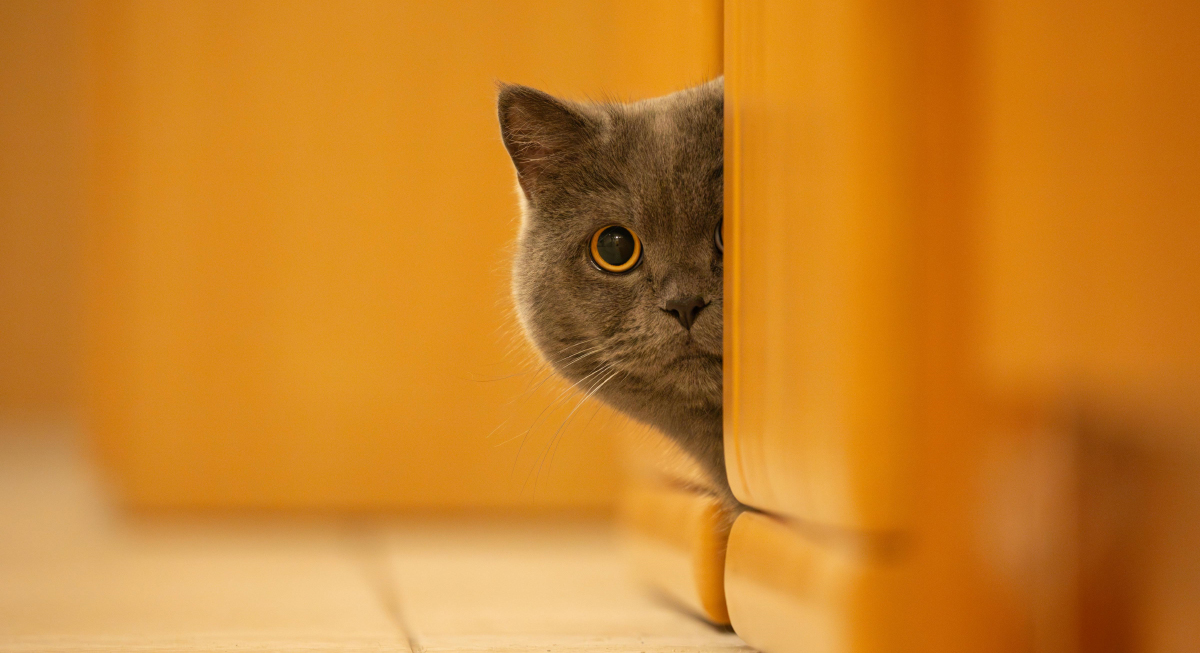
A scary moment can make a cat avoid the litter box. A barking dog, a loud noise, or a sudden interruption from a kid can easily frighten them. After that, the cat might start going to the bathroom in random spots. Moving the box to a quiet, calm area can help them feel safe again. Forcing your cat into the box will only make their fear worse.
Old Odors Keep Inviting Repeat Visits
Credit: Canva
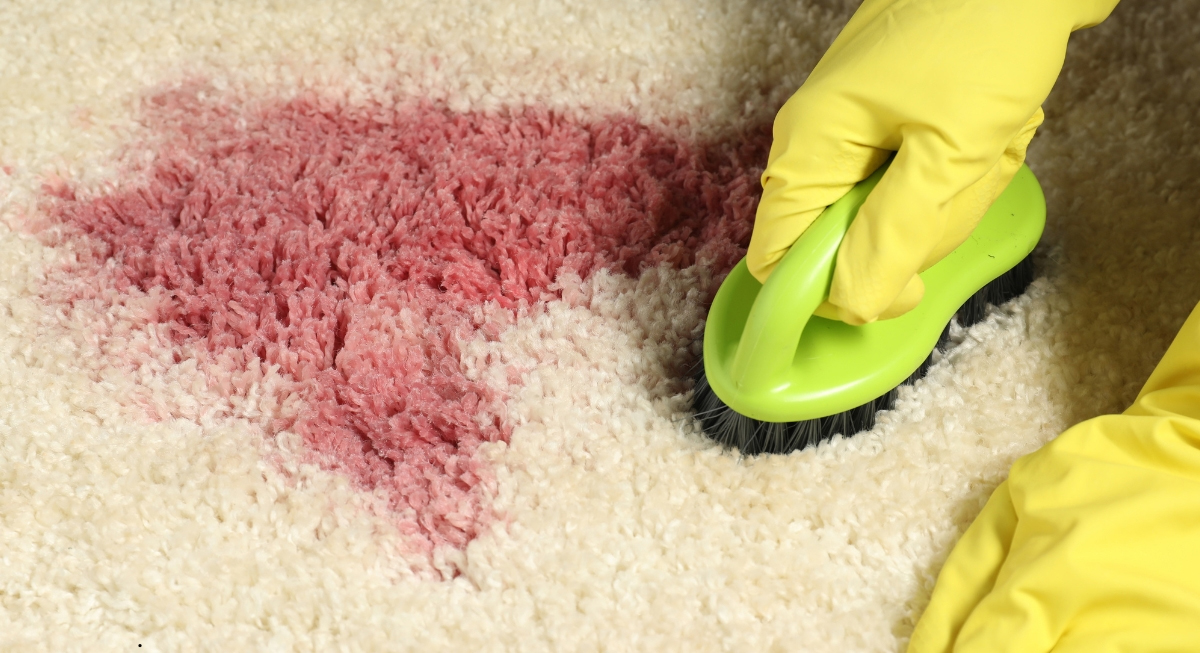
A cleaned stain can still smell like a litter box to a cat. Regular household cleaners may remove the visible mess but leave a lingering scent. Enzymatic cleaners work better because they destroy the source of pet odors. If your cat keeps returning to the same spot, placing a litter box nearby can break the habit, then slowly move the box away once the behavior stops.