The Reason Your Cat’s Tongue Feels Like Sandpaper Is Actually Super Cool
If you’ve ever been licked by a cat, you know it feels more like sandpaper than skin. The gritty texture is actually a powerful tool built by nature.
Scientists have studied it closely, and what they’ve found is surprisingly complex. So if you find your cat licking its fur or your hand, its tongue is doing much more than you think, and it’s doing it with purpose.
It’s Covered in Hooked, Keratin-Based Spines
Credit: Getty Images
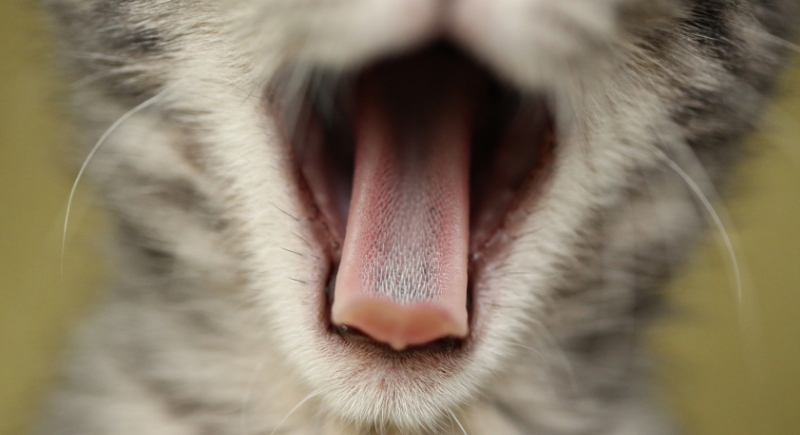
What feels like sandpaper is actually rows of backward-curving spines called papillae. Each one is made of keratin, which is the hard protein found in claws and hooves. They are stiff, hooked, and shaped to dig into fur and scrape surfaces, which makes grooming both thorough and a little scratchy.
It Functions Like a Self-Cleaning Grooming Tool
Credit: pexels
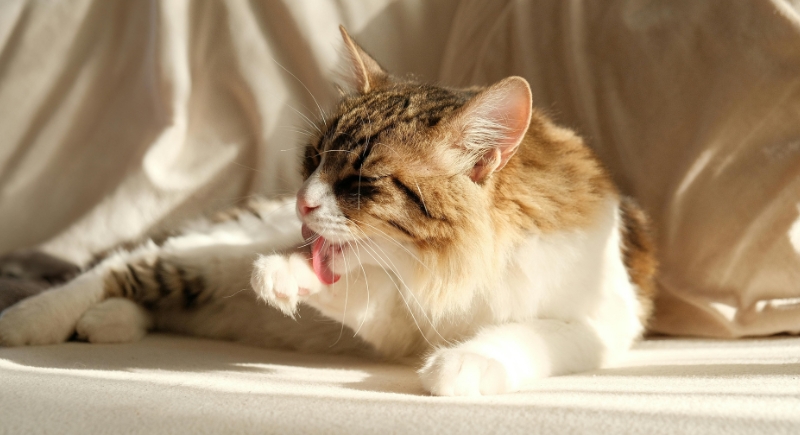
Unlike human hairbrushes that get tangled and clogged, a cat’s tongue doesn’t trap fur. The papillae are aligned in one direction and flex slightly to let loose hair slide off during grooming. One quick flick backward, and the tongue resets without detangling or rinsing required.
It Delivers Saliva to the Skin for Cooling
Credit: Getty Images
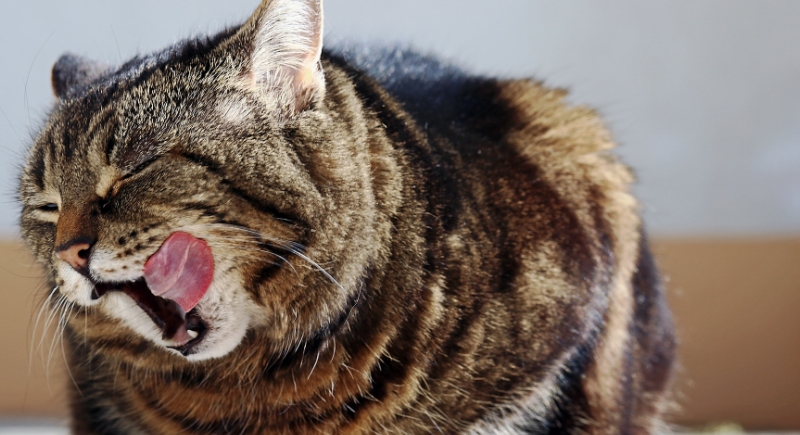
Each papilla is hollow, designed to collect and wick saliva from the mouth down to the base of the fur. This moisture reaches the skin, where it evaporates and cools the body. Since cats have few sweat glands, this system is the primary method for regulating body temperature.
It Prevents Fur Mats by Breaking Apart Tangles
Credit: Aflo Images
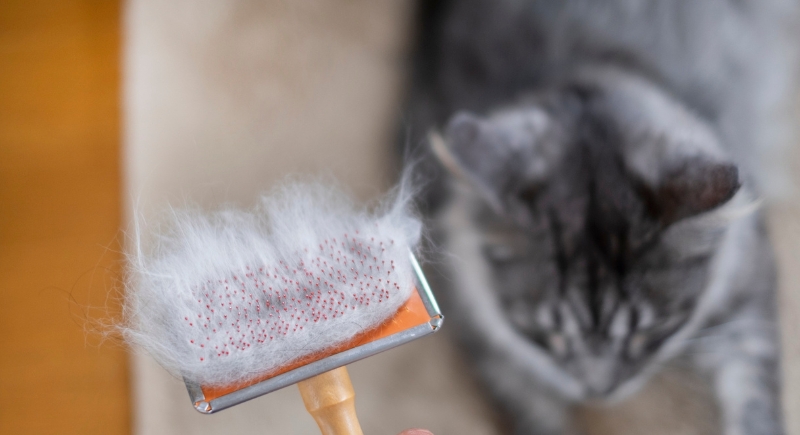
The hooked shape of the spines allows them to work through dense or long fur without pulling too hard. They reach under tangles and separate them as the tongue moves, which helps prevent mats from forming. This may be different for long-haired breeds that still require regular brushing by humans.
It Scrapes Meat Efficiently From Bone

Credit: Getty Images
The raspy spines that groom also help with eating. When a cat licks meat from bone, the papillae act like tiny scrapers and pull shreds of flesh into the mouth. In wild species, this helps maximize the extraction of nutrients from prey. Domestic cats retain this trait and make their tongues well-adapted for licking up every last bit of food.
It Enables Precision Drinking Without Spilling
Credit: Getty Images
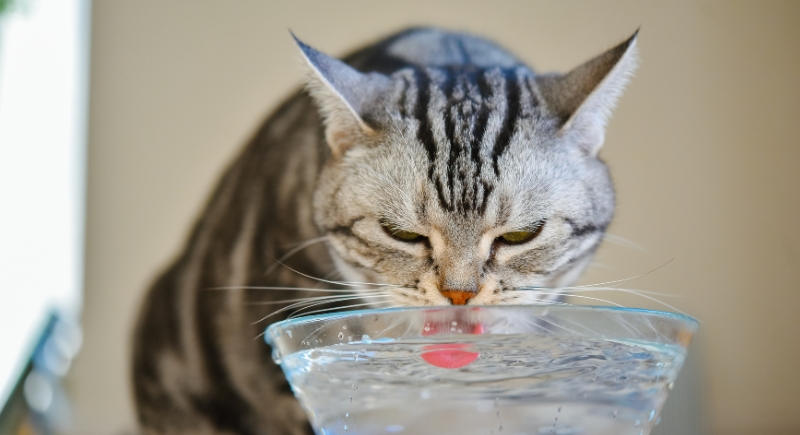
When cats drink, they don’t scoop water like dogs. Instead, they flick the tip of their tongue fast enough to pull a column of liquid into the air, then snap their jaws shut around it. This avoids the mess dogs tend to make.
It Helps Minimize Scent for Stealth
Credit: Getty Images
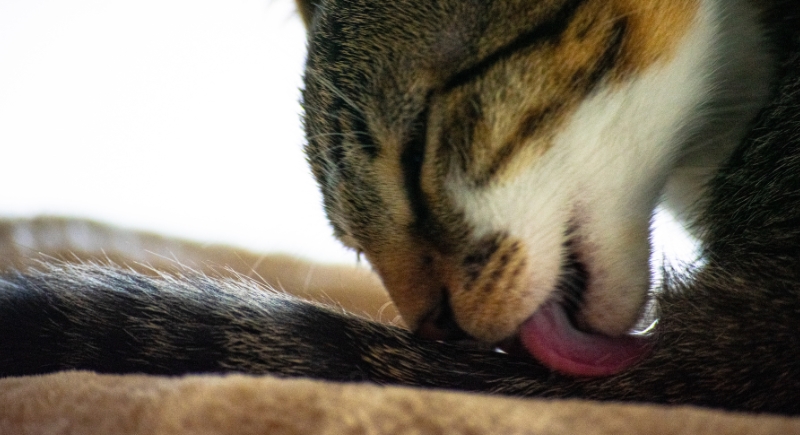
Cats are ambush hunters by nature, and a strong scent can blow their cover. Grooming reduces the oils and particles that carry smell. The tongue’s abrasive surface makes this cleaning more effective, even for areas like the paws and tail that collect scent quickly.
It Aids in Social Bonding Through Grooming

Credit: Getty Images
When cats groom each other or a trusted human, they use the tongue’s papillae to clean and reinforce familiarity. This behavior, known as allogrooming, strengthens social ties in colonies and households. The texture of the tongue might feel rough to us, but for cats, it’s a sign of trust. It also spreads familiar scents across the group.
It Moves With Precision, Thanks to Muscle Reflexes

Credit: Getty Images
When not grooming or eating, those spines don’t stand tall. Cats can flatten the papillae against the tongue when they’re not needed. This muscle-controlled movement helps prevent damage and wear to the soft tissue underneath, and keeps the tongue comfortable when idle.
It Reflects a Taste System Geared for Meat
Credit: Getty Images
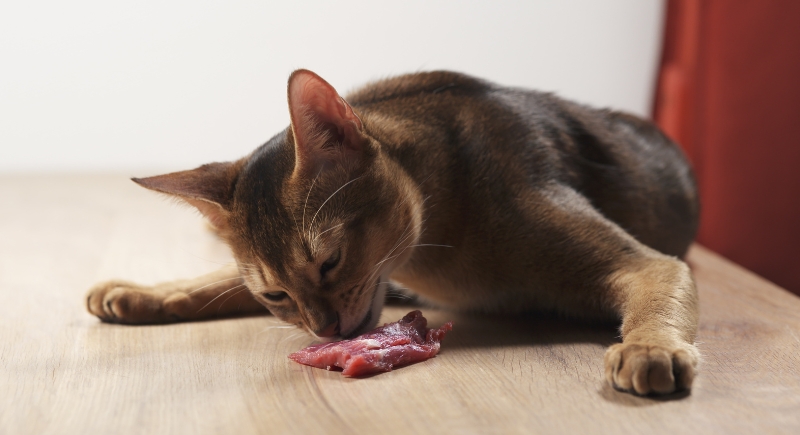
Cats don’t have much interest in sugar. Their taste system is tuned to detect amino acids and ATP, which is the energy source found in meat. Their tongues are tuned for exactly the diet their bodies require.