10 Ways to Tell If Your Cat Is Smarter Than Average
Science has shown that cats can recognize names, follow human gestures, somehow understand emotional cues, and solve problems. When a cat shows certain behaviors, it can reveal a sharper mind than expected. Here are 10 signs to know whether the one running your household might qualify as a little genius.
Problem-Solving Ability
Credit: Wikimedia Commons
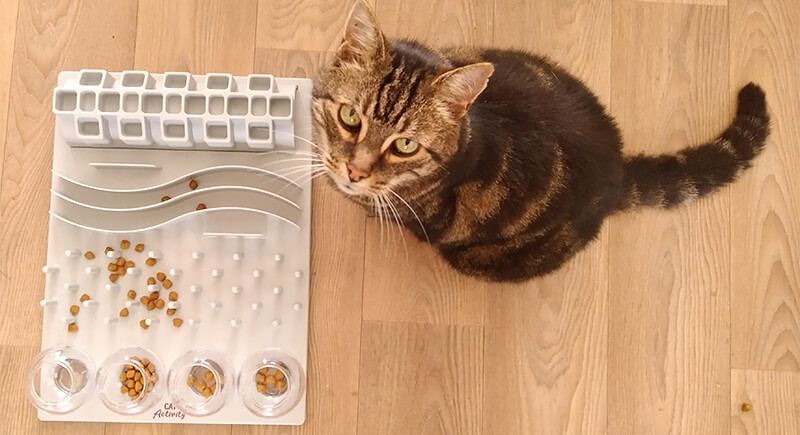
A clever cat figures things out with methodical focus. Opening cabinets and pulling on door handles, as well as working through puzzle feeders, demonstrates strong problem-solving skills, backed by research on feline cognition. Studies from Oregon State University indicate that cats utilize trial and error, past experience, and environmental cues to achieve their goals.
Fast Learning Skills
Credit: Reddit
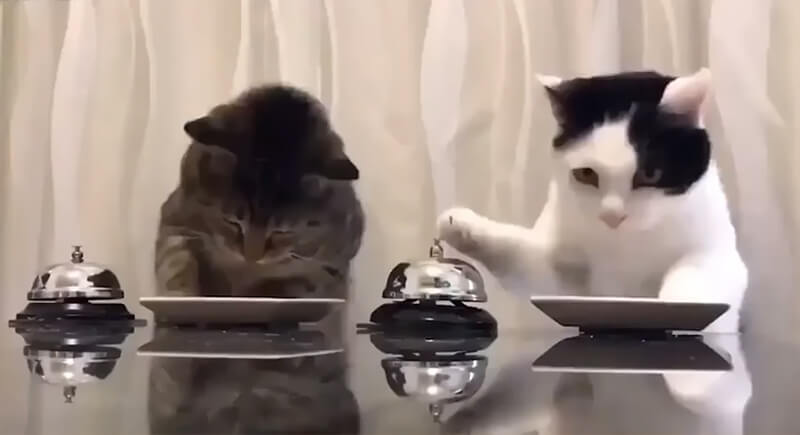
Some cats can pick up new behaviors quickly. Some learn to sit for meals and ring bells for treats. They can also fetch small toys. These felines do this by linking actions to outcomes. Training videos demonstrate how easily many cats adapt when rewards and timing are consistent.
Understanding Commands
Credit: Reddit
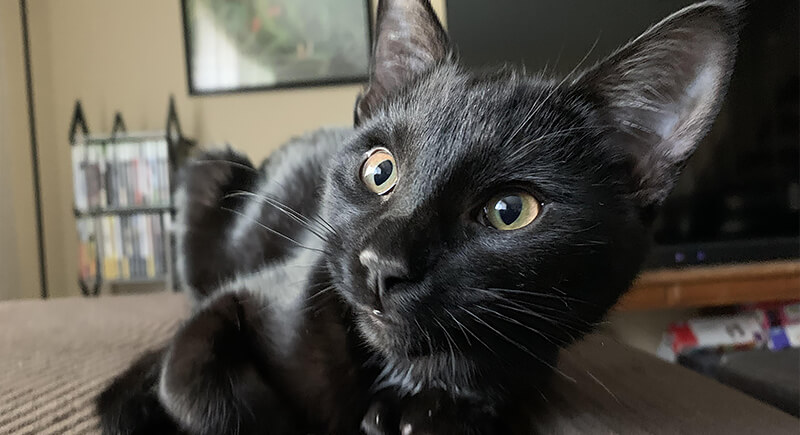
Cats can follow basic commands with more precision than people expect. Research from Japan shows they recognize their own names and can even pick out their person’s voice from a group of unfamiliar voices. That familiarity helps them pay attention when the person they trust asks them to sit or come closer.
Strong Social Reading

Credit: Reddit
Kitties notice emotional shifts in their humans with surprising accuracy. Experiments involving unfamiliar objects showed that cats look to their owners’ reactions before deciding how to behave. A happy tone encourages exploration while a worried tone makes them more cautious, demonstrating a fundamental understanding of social cues.
Object Permanence Awareness
Credit: Reddit
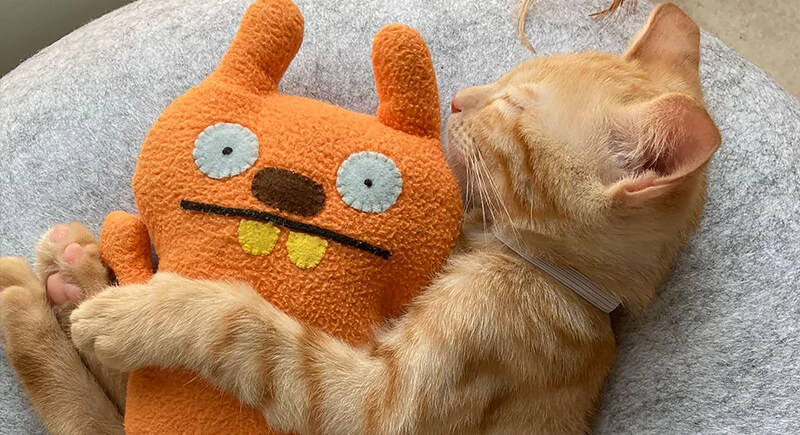
If your cat goes straight for a toy you’ve tucked under a blanket, they’re showing object permanence, a cognitive skill young children develop too. They can follow an object even when it slips out of sight and recall where it was last spotted. Many older cats handle these little puzzles with more confidence because they’ve built up years of practice.
Independent Decision-Making
Credit: Reddit
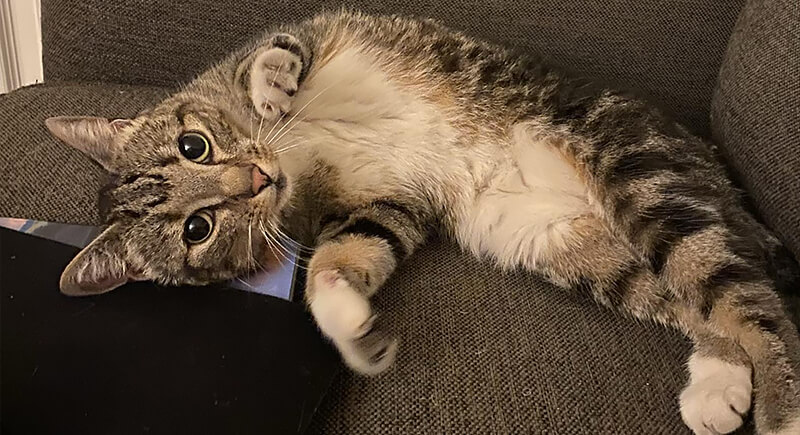
Research shows that cats often rely on associative learning and past experiences when making decisions, but their behavior can still be influenced by immediate motivation or stress. Turning away from distractions, waiting for the right moment to act, or choosing a quieter route through the house are all signs of a thoughtful mind using past lessons to guide current decisions.
Good Memory Skills

Credit: Reddit
Strong memory helps a smart kitty remember routines and food locations. They can even tell which people are associated with pleasant experiences. Some of these animals can retain long-term information related to survival and comfort. This is why they avoid places where something unpleasant happened and gravitate toward areas linked to rewards.
Adaptive Problem Approaches

Credit: Canva
Cats often exhibit flexible approaches to tackling challenges, but their methods are rooted in trial-and-error learning, motivation, and experience. Studies reveal that when presented with a barrier or puzzle, cats typically adjust their behavior by testing different actions until one works.
Heightened Sensitivity
Credit: Reddit
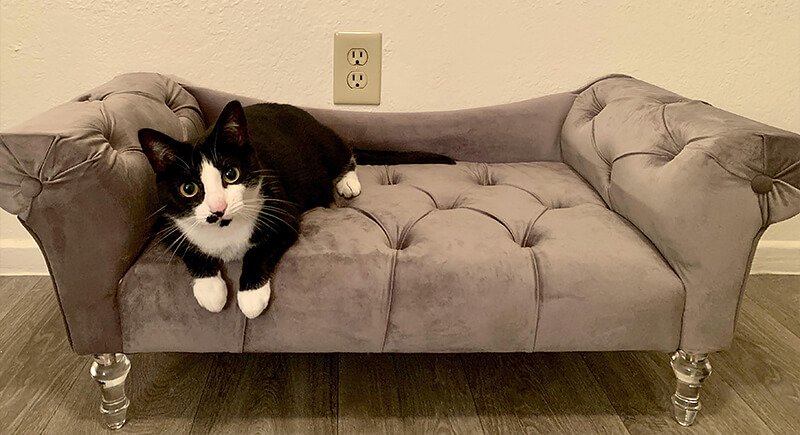
Cats with sharp intelligence often have a strong awareness of environmental changes. A new smell, a shift in furniture, or a subtle sound can prompt quick behavioral adjustments. Their survival instincts fine-tune this awareness, and researchers note that cats can reset their daily rhythm when living with people who follow consistent schedules.
Strong Social Skills
Credit: Canva
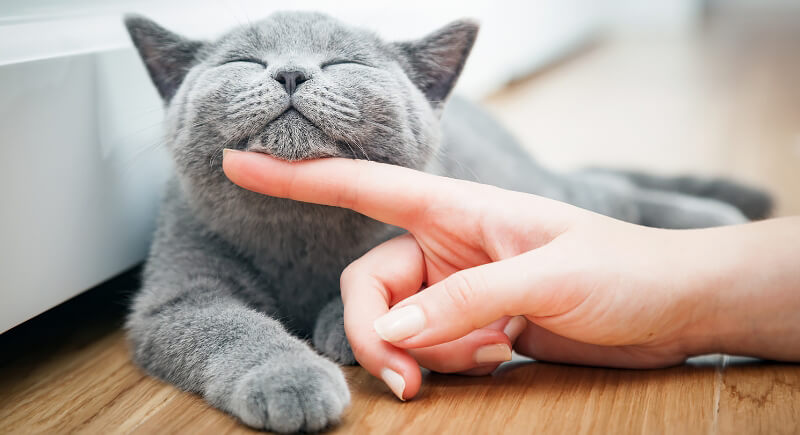
A socially intelligent kitty forms distinct relationships with humans and other animals. Behavioral studies found that securely attached cats greet their humans, then explore freely while still checking back for reassurance. A cat that adapts its approach to different people is using social memory paired with emotional recognition and learned association.